
The prospect of a widespread California DMV system outage can send ripples of anxiety through the Golden State’s busy populace. For countless residents and visitors, the Department of Motor Vehicles is the gatekeeper to essential services – from obtaining a driver’s license and renewing vehicle registrations to transferring titles and accessing specialized permits. Any disruption to these services can translate into significant personal inconvenience, missed appointments, and potential delays in vital transportation needs. This article delves into the potential causes and implications of a California DMV system being down, offering guidance on how to navigate such situations and stay informed.
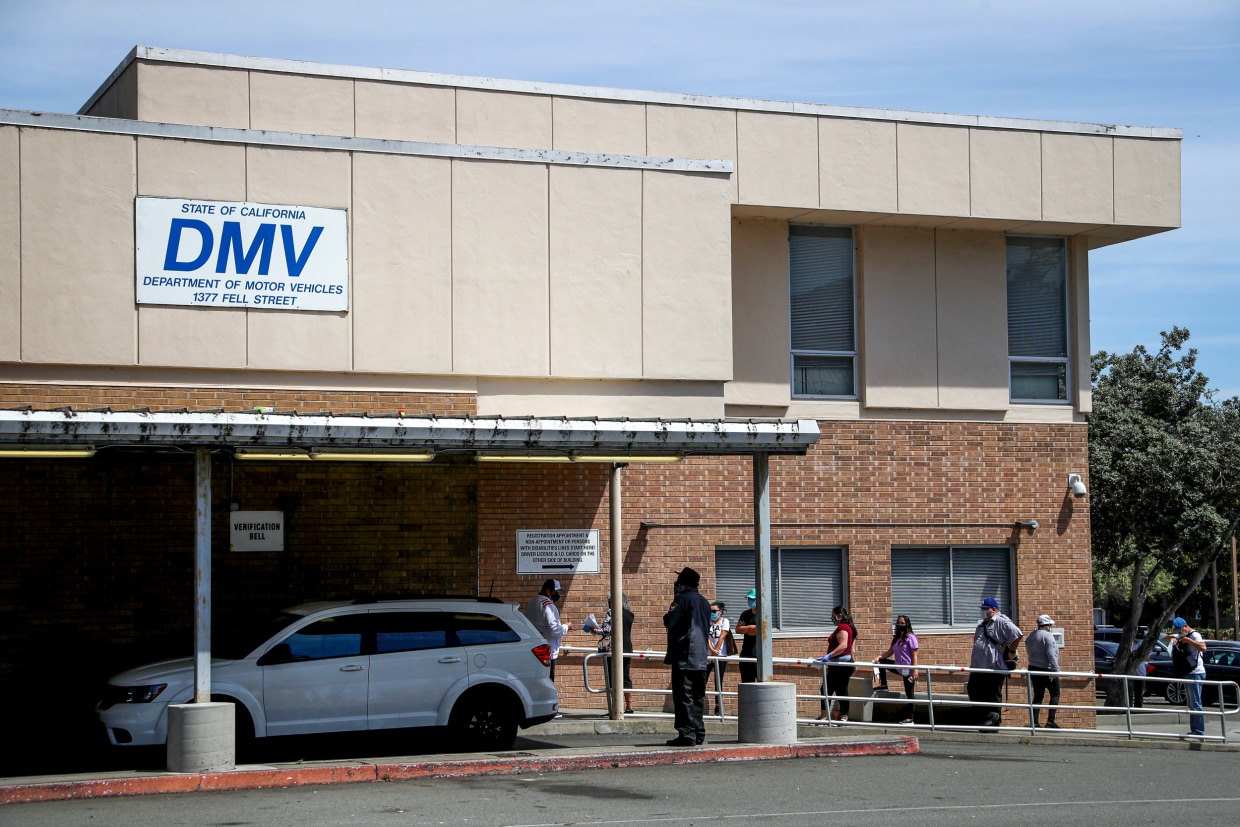
Understanding Potential Causes of a California DMV System Outage
System outages, whether at a local business or a state-level agency like the California DMV, are rarely arbitrary. They typically stem from a combination of predictable and unpredictable factors, often requiring meticulous planning and rapid response from IT professionals.
Technical Malfunctions and Scheduled Maintenance
The most common reasons for a DMV system to be temporarily unavailable are inherent to the complexity of large-scale technological infrastructure.
Hardware Failures
Like any sophisticated computer system, the servers, network equipment, and data storage units that power the DMV’s operations are subject to wear and tear. A sudden hardware failure, such as a server crash or a network switch malfunction, can bring operations to a standstill. These failures can sometimes be localized to a specific data center or affect the entire state network, depending on the architecture and redundancy in place. The DMV invests significantly in redundant systems to mitigate such risks, but complete immunity is an elusive goal for any technology.
Software Glitches and Bugs
The software that underpins the DMV systems is incredibly complex, managing vast amounts of data and intricate transaction processes. Even with rigorous testing, unforeseen software bugs or incompatibilities can emerge, particularly after updates or patches are deployed. These glitches can manifest in various ways, from data corruption and slow performance to outright system crashes, rendering services inaccessible.
Planned Maintenance and Upgrades
To ensure the longevity and efficiency of their technological backbone, state agencies like the California DMV regularly schedule maintenance and system upgrades. These activities are crucial for improving performance, enhancing security, and introducing new functionalities. While these are vital for long-term reliability, they often necessitate temporary system shutdowns or reduced service availability. The DMV typically provides advance notice for scheduled maintenance, but in the hustle of daily life, these notifications can sometimes be missed.
Cybersecurity Threats and Data Breaches
In today’s interconnected world, cybersecurity is a paramount concern for all organizations, especially those handling sensitive personal information. The California DMV is a prime target for malicious actors.
Denial-of-Service (DoS) and Distributed Denial-of-Service (DDoS) Attacks
These attacks aim to overwhelm a system with an inordinate amount of traffic, rendering it inaccessible to legitimate users. A successful DDoS attack on the DMV could cripple its online services and potentially impact its internal operational systems as well.
Ransomware and Malware Infections
Ransomware attacks encrypt a victim’s data, demanding payment for its decryption. Malware infections can similarly disrupt operations, steal data, or cause system instability. The California DMV, like any major entity, must maintain robust defenses against these pervasive threats.
Data Breaches and System Integrity Issues
While not always directly causing an immediate outage, concerns about data breaches can lead to systems being taken offline for investigation and remediation to protect citizen information. The integrity of the system itself is paramount, and any suspected compromise will likely result in immediate protective measures.
External Factors and Infrastructure Issues
Beyond the direct control of the DMV’s IT department, external factors can also contribute to service disruptions.
Power Outages
The California DMV’s operations are heavily reliant on stable electricity. Widespread power outages, whether due to severe weather, natural disasters, or issues with the power grid, can directly impact the functionality of its data centers and local offices.
Network Connectivity Problems
The DMV relies on robust internet and telecommunications infrastructure to connect its various offices and systems. Issues with these external networks, such as fiber optic cable cuts or telecommunication provider outages, can lead to temporary service disruptions.
Navigating a California DMV System Outage
When the California DMV system experiences an outage, preparedness and access to accurate information are key to minimizing frustration and inconvenience.
Official Communication Channels
The most reliable source of information regarding the status of the DMV system is the agency itself.
California DMV Website
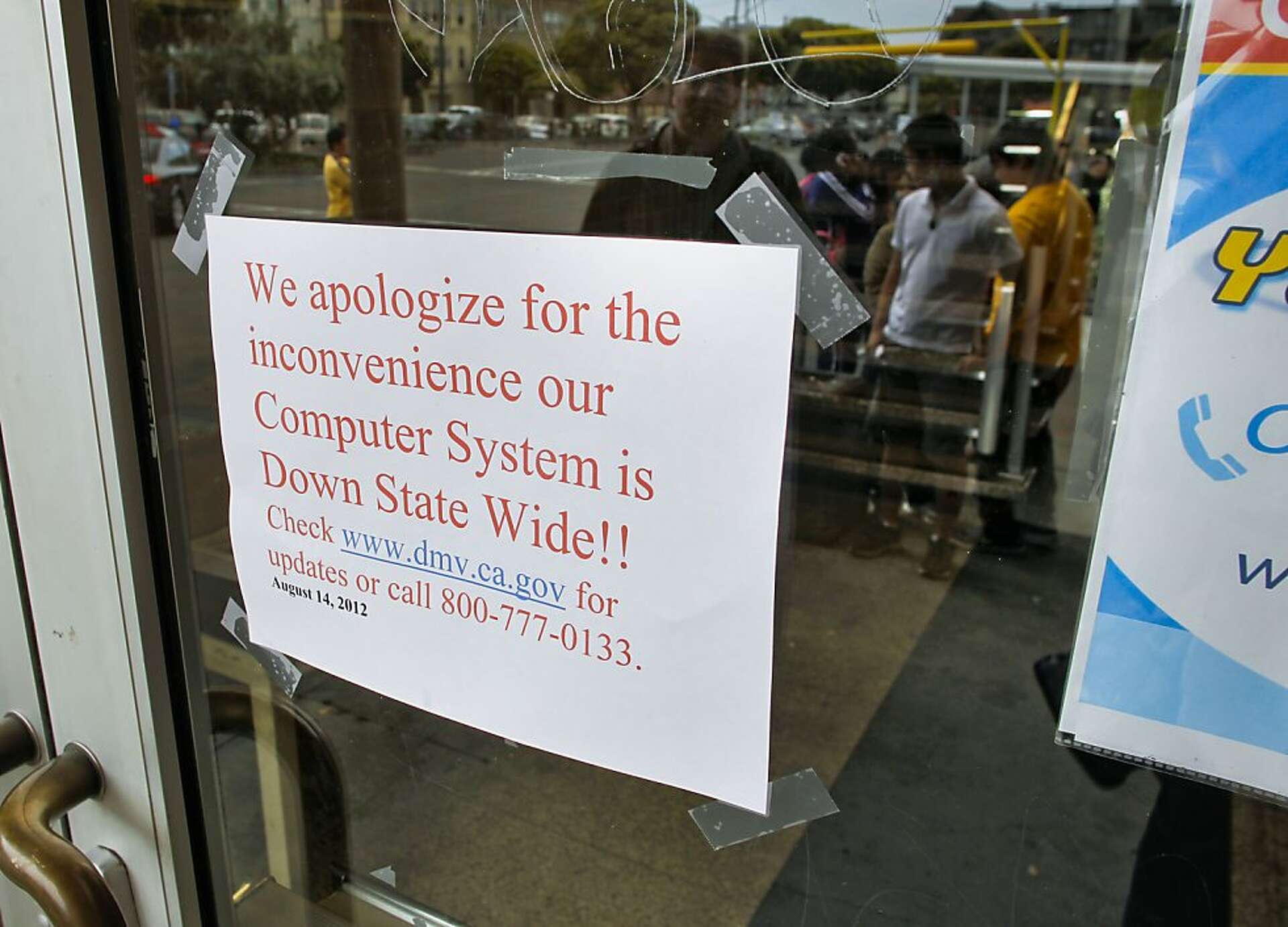
The official California DMV website is the primary hub for announcements, service alerts, and updates. During an outage, the agency will typically post prominent notices on its homepage or a dedicated service advisory page.
Social Media
Many government agencies, including the California DMV, utilize social media platforms like Twitter to disseminate real-time updates. Following their official accounts can provide immediate notification of outages and their estimated resolution times.
Press Releases and News Outlets
For significant or prolonged outages, the DMV may issue official press releases, which are often picked up by local and state news outlets. Monitoring reputable news sources can offer an additional layer of awareness.
Alternative Service Options and Contingency Plans
While an outage prevents access to most DMV services, some alternatives might exist or become available during extended disruptions.
In-Person Services and Patience
If the outage is localized to online services, in-person visits to DMV field offices might still be possible, albeit with potentially longer wait times. It’s advisable to call ahead or check the DMV’s website for any office-specific closures or service limitations. Patience is paramount; DMV employees are often working under challenging circumstances.
Exploring Non-Essential Services
For non-critical tasks, it might be wise to postpone your DMV visit until the system is fully restored. This helps alleviate pressure on the agency and allows for a smoother experience when services resume.
Utilizing Third-Party Services (Where Applicable)
In some instances, certain services might be available through authorized third-party providers. For example, some vehicle registration renewals can be handled by licensed registration services. However, this is not a universal solution for all DMV functions.
Impact of California DMV System Outages on Travelers and Residents
The ripple effects of a California DMV system outage can be felt far beyond the agency’s walls, impacting the daily lives of millions and the broader economic landscape.
Delays in Vehicle Registration and Licensing
A critical function of the DMV is processing vehicle registrations and issuing driver’s licenses. An outage can halt new registrations, prevent renewals, and delay the issuance of new licenses, impacting individuals who have recently moved to California or purchased new vehicles. This can lead to legal complications for drivers operating unregistered vehicles or those whose licenses have expired.
Affecting Commercial Transportation and Logistics
For businesses that rely on commercial vehicles for their operations, DMV system disruptions can be particularly damaging. Delays in commercial driver’s license endorsements, vehicle inspections, and fleet registrations can lead to significant financial losses and disruptions in supply chains across the state.
Impact on Tourism and Visitor Services
While not as direct as local residents, tourists and visitors also interact with the DMV system, especially if they are renting vehicles or have specific licensing requirements. Delays in processing international driving permits or resolving issues with rental car registrations can create unwelcome hurdles for those exploring the state’s numerous attractions, from the beaches of Southern California to the national parks in the north.
Economic Consequences of Prolonged Downtime
A sustained DMV system outage can have broader economic implications. Businesses may face increased operational costs due to delays, and individuals might experience lost wages if they are unable to commute to work or conduct business. The efficiency of state agencies is a vital component of a functioning economy, and disruptions can have a cascading effect.
Proactive Measures and Future Preparedness
The California DMV continuously works to enhance its systems and disaster recovery plans. However, individuals can also take proactive steps to mitigate the impact of potential future outages.
Staying Informed and Planning Ahead
- Regularly check the DMV website: Make it a habit to visit the official website for any upcoming maintenance notices or service alerts.
- Renew registrations and licenses early: Avoid waiting until the last minute for renewals. Proactive renewal reduces the risk of being caught in an outage when your documents are due.
- Keep digital copies of important documents: Store digital copies of your driver’s license, vehicle registration, and insurance information on a secure cloud service or your mobile device.
Understanding Service Level Agreements and Disaster Recovery
State agencies like the California DMV operate under strict service level agreements and have detailed disaster recovery plans. These plans outline the procedures for restoring systems in the event of a failure, aiming to minimize downtime and data loss. Understanding that such plans are in place can offer reassurance.
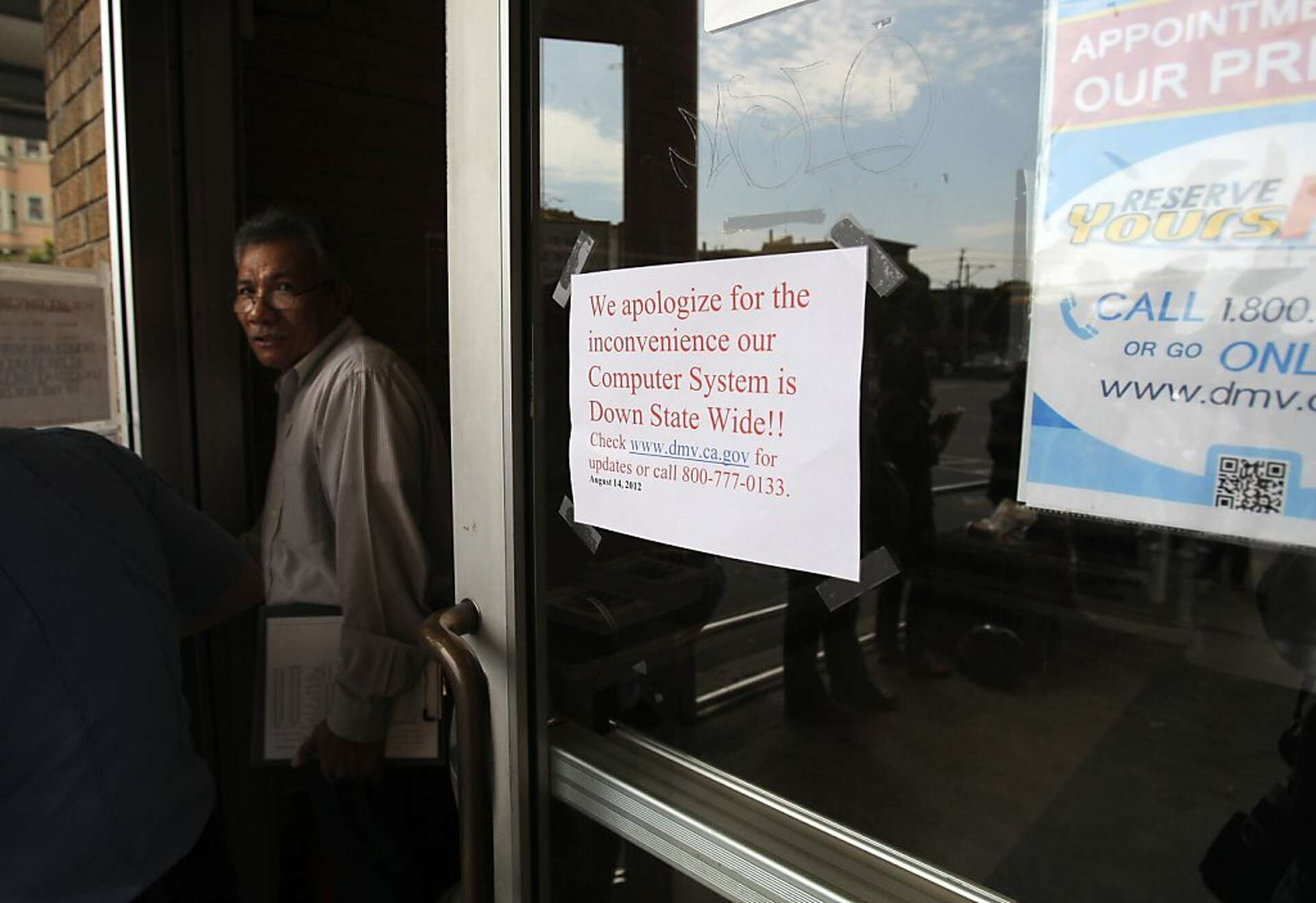
The Evolving Digital Landscape of the California DMV
The California DMV is actively engaged in a digital transformation, aiming to move more services online and improve user experience. As technology advances, the reliability and accessibility of these digital services will continue to be a priority. However, even the most advanced systems are not immune to occasional disruptions. By staying informed and prepared, residents and visitors can better navigate the inevitable challenges that may arise from a California DMV system outage.
LifeOutOfTheBox is a participant in the Amazon Services LLC Associates Program, an affiliate advertising program designed to provide a means for sites to earn advertising fees by advertising and linking to Amazon.com. Amazon, the Amazon logo, AmazonSupply, and the AmazonSupply logo are trademarks of Amazon.com, Inc. or its affiliates. As an Amazon Associate we earn affiliate commissions from qualifying purchases.