
The allure of the California Highway 1, often affectionately known as the Pacific Coast Highway (PCH), is undeniable. This iconic stretch of road, winding along the dramatic coastline of California, United States, offers some of the most breathtaking scenic drives in the world. Travelers dream of cruising its curves, windows down, with the vast expanse of the Pacific Ocean as their constant companion. However, the very forces of nature that sculpt its spectacular beauty – the rugged cliffs, the crashing waves, the occasional heavy rainfall – also pose challenges to its continuous accessibility. Therefore, one of the most frequently asked questions by prospective adventurers is: “Is California Highway 1 Open?”
The answer, while usually positive for significant portions, is dynamic and requires a bit of foresight. Unlike a typical freeway, the PCH is subject to environmental impacts like landslides, rockfalls, and road construction, especially in its more remote and geologically active sections such as Big Sur. A dream trip can quickly turn into a frustrating detour if you’re not prepared. This comprehensive guide will delve into the current status of the highway, how to plan for potential closures, highlight the must-see destinations along its route, and suggest premier accommodations to enhance your coastal travel experience.
Navigating the Iconic Pacific Coast Highway
Embarking on a journey along the Pacific Coast Highway is more than just a drive; it’s an immersive experience. It’s a chance to connect with nature, explore charming seaside towns, and witness engineering marvels. However, the ever-present question of road conditions is paramount for a smooth adventure.
Understanding Highway 1 Closures and Conditions
The rugged beauty of the California coastline is a double-edged sword for California Highway 1. Its dramatic cliffs and proximity to the ocean make it susceptible to various natural phenomena that can lead to partial or full closures.
Common Causes of Closures:
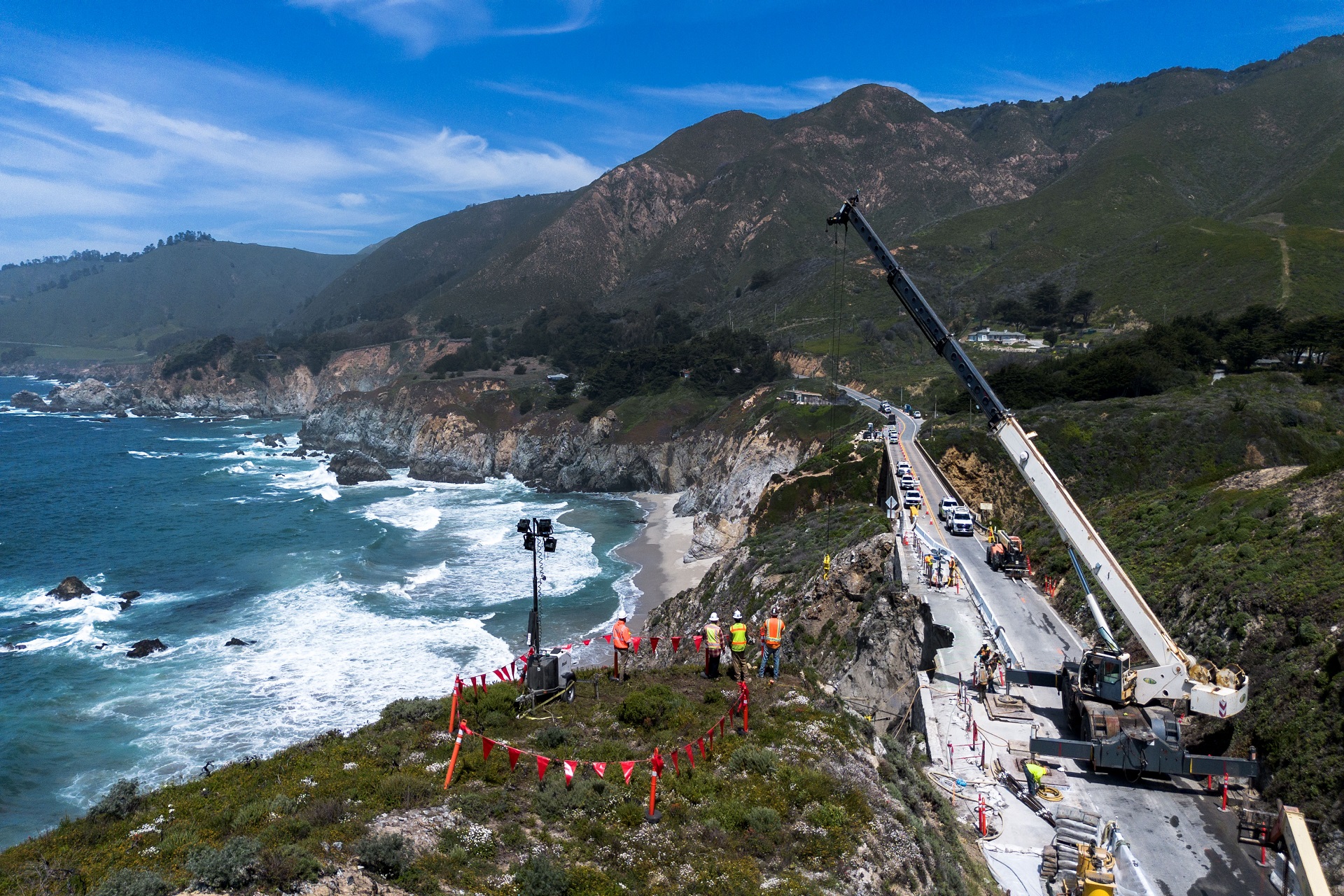
- Landslides and Rockfalls: This is the most frequent culprit, especially during or after periods of heavy rain, typically in the winter and spring months. The unstable terrain in areas like Big Sur makes certain sections particularly vulnerable.
- Washouts: Intense storms can sometimes wash out sections of the road or its shoulders, requiring extensive repair work.
- Road Construction and Maintenance: Given the constant wear and tear, and the need for seismic upgrades or infrastructure improvements, planned construction projects can also lead to temporary lane closures or full detours.
- Wildfires: Although less common than landslides, wildfires in dry seasons can impact visibility and necessitate road closures for safety.
How to Check Current Status:
Before you even think about packing your bags, checking the most up-to-date road conditions is crucial. The primary source for this information is Caltrans (California Department of Transportation). Their website offers an interactive map and detailed reports, providing real-time updates on closures, construction, and traffic incidents. It’s recommended to check this resource immediately before your departure and periodically throughout your trip, especially if you plan to traverse known problem areas like Big Sur or during inclement weather. Additionally, local visitor centers and hotel staff in towns along the route often have excellent local insights.
Seasonal Considerations:
- Winter (December to February): This is the wettest season, increasing the risk of landslides and washouts. While fewer crowds make for a more serene drive, flexibility is key.
- Spring (March to May): A beautiful time with wildflowers blooming, but residual rainfall can still trigger slides. Conditions are generally improving, but continued vigilance is advised.
- Summer (June to August): Generally the most reliable time for clear roads and pleasant weather, making it the most popular (and crowded) season.
- Fall (September to November): Often considered ideal, with fewer crowds than summer, comfortable temperatures, and typically stable road conditions before the winter rains begin.
Essential Planning for Your Coastal Journey
Careful planning can transform a good road trip into an unforgettable one. Especially when embarking on a journey where road conditions can be unpredictable, preparation is paramount.
Best Times to Visit:
While summer offers predictable weather, the crowds can detract from the serene experience. For many, late spring (April-May) and early fall (September-October) strike the perfect balance. During these shoulder seasons, the weather is usually pleasant, the landscape is vibrant, and the major attractions are less congested. You’ll have an easier time securing accommodation and enjoying popular viewpoints without feeling rushed.
Preparation Tips:
- Vehicle Check: Ensure your car is in excellent condition. Check tires, brakes, oil, and fluid levels. Some sections are remote, and cell service can be spotty.
- Pack Essentials: Bring layers of clothing, as coastal weather can change rapidly. Snacks, water, a first-aid kit, and a full tank of gas are critical, especially before entering remote stretches like Big Sur where services are scarce.
- Offline Maps: Download maps to your phone or bring a physical map. GPS signals can be unreliable in certain areas.
- Book Accommodations in Advance: Especially during peak season or holidays, popular hotels, resorts, and villas along the PCH fill up quickly. This is where the website’s expertise in accommodation (Booking, Reviews, Comparison) becomes invaluable.
Alternative Routes and Detours:
If a section of California Highway 1 is closed, don’t despair! Caltrans typically provides clear detour information. The most common alternative is U.S. Route 101, which runs parallel to California Highway 1 further inland. While it lacks the dramatic ocean views, U.S. 101 is a reliable highway that allows you to bypass closures and reconnect with the PCH further down the line. For example, if the Big Sur Coast Highway is closed, you might take U.S. 101 through Salinas and Paso Robles to reach San Luis Obispo or Santa Barbara. Always have a flexible itinerary and be prepared to adjust your plans.
Must-See Destinations Along Highway 1
The Pacific Coast Highway is a tapestry of diverse landscapes and vibrant communities, offering something for every type of traveler. From bustling cities to secluded natural wonders, these landmarks define the PCH experience.
Northern California Gems
Starting from the northern stretches (or beginning your journey south from San Francisco), the California Highway 1 reveals a captivating blend of urban sophistication and raw natural beauty.
- San Francisco: While not directly on the PCH, it’s a common starting point. Explore iconic sites like the Golden Gate Bridge, Fisherman’s Wharf, and the historic Alcatraz Island. Consider a stay at a boutique hotel in Union Square or a charming inn in the Marina District before heading south.
- Monterey: A historic waterfront city famous for Cannery Row and the world-renowned Monterey Bay Aquarium. This area offers rich marine tourism and cultural depth.
- Carmel-by-the-Sea: Just south of Monterey, this enchanting village is known for its fairy-tale cottages, art galleries, and the historic Carmel Mission Basilica. Don’t miss the scenic 17-Mile Drive nearby, offering stunning views and the iconic Lone Cypress.
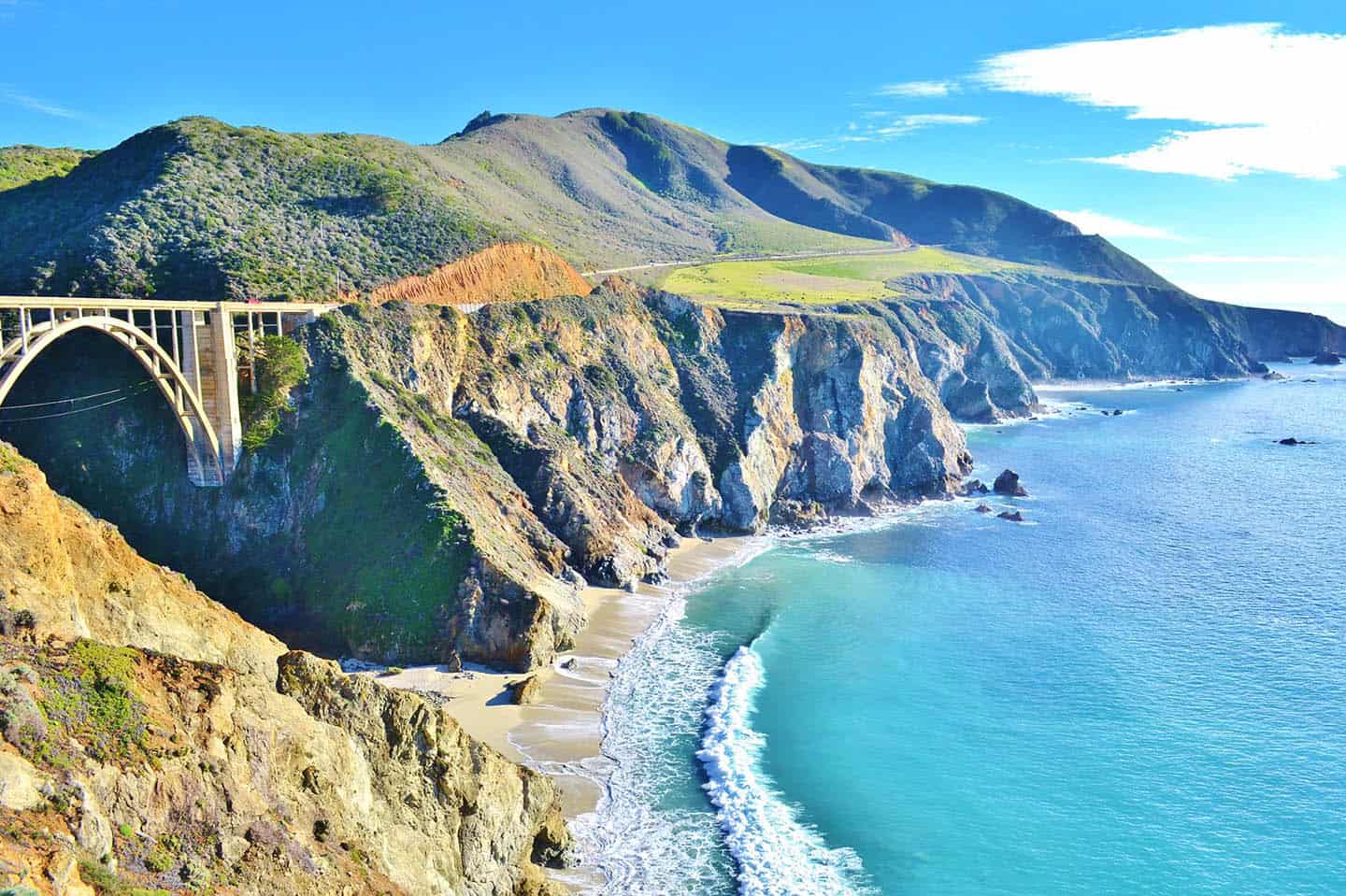
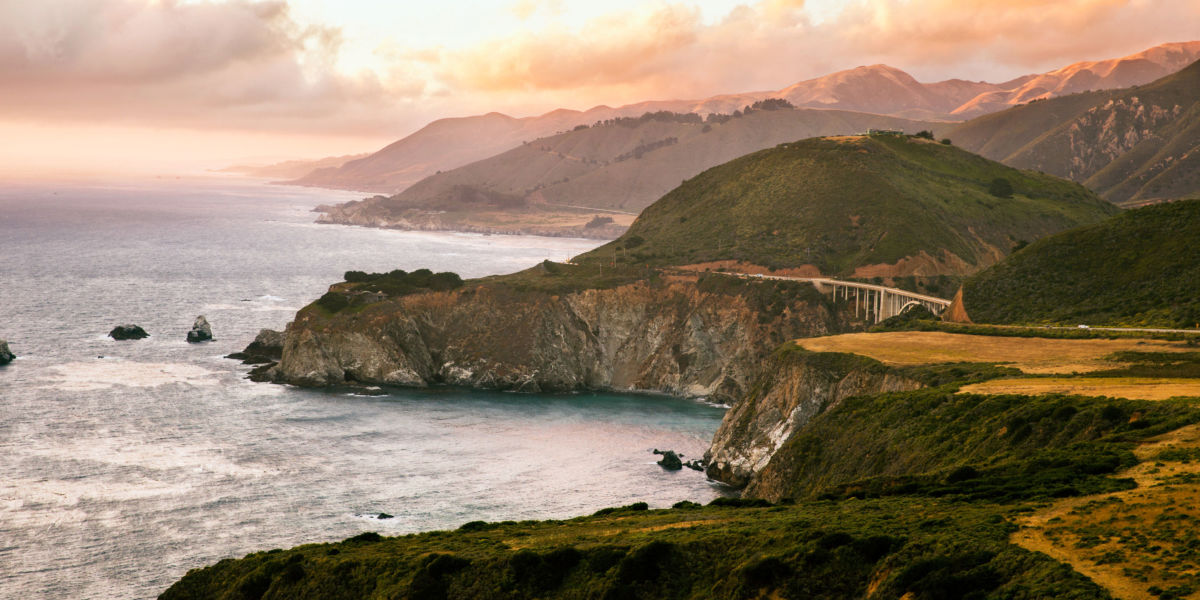
- Big Sur: The jewel of California Highway 1, this rugged and wild coastline is where the mountains meet the sea in dramatic fashion. Highlights include the architectural marvel of Bixby Bridge, the majestic redwoods of Pfeiffer Big Sur State Park, and the picturesque McWay Falls within Julia Pfeiffer Burns State Park. Point Lobos State Natural Reserve offers exceptional wildlife viewing and hiking.
Central Coast Wonders
As you continue south, the Central Coast offers a more relaxed pace, with beautiful beaches, historic sites, and unique natural formations.
- San Simeon: Home to the opulent Hearst Castle, a historic landmark offering a glimpse into early 20th-century luxury. Just north, the Piedras Blancas Elephant Seal Rookery is a fascinating stop to observe thousands of elephant seals in their natural habitat.
- Cambria: A charming coastal village known for its artisan shops, pine forests, and moonstone beach. It’s a perfect spot for a tranquil overnight stay.
- Morro Bay: Dominated by the impressive Morro Rock, an ancient volcanic plug, this town is a haven for kayakers, paddleboarders, and birdwatchers.
- San Luis Obispo: A vibrant college town with a rich mission history, centered around Mission San Luis Obispo de Tolosa. Its charming downtown boasts unique shops and farm-to-table dining.
Southern California Delights
The southern stretch of [California Highway 1](https://lifeoutofthebox.com/california-highway 1) transforms into a more urbanized coastal drive, seamlessly blending natural beauty with sophisticated beachfront cities.
- Pismo Beach: Famous for its clam chowder, pier, and extensive beach perfect for ATV riding and bonfires.
- Santa Barbara: Known as the “American Riviera,” this city captivates with its Spanish Colonial architecture, beautiful beaches, and a vibrant arts scene. Stroll along Stearns Wharf or explore the Funk Zone’s wine tasting rooms.
- Malibu: Synonymous with celebrity homes and world-class surfing, Malibu offers stunning beaches, dramatic cliffs, and upscale dining.
- Santa Monica: A bustling beach city recognized by its iconic Santa Monica Pier and vibrant Third Street Promenade. It’s an energetic end to the PCH journey before reaching Los Angeles.
- Los Angeles: The sprawling metropolis serves as the unofficial southern terminus for many PCH journeys, offering endless attractions from Hollywood to world-class museums and theme parks in nearby Anaheim and San Diego.
Accommodation and Lifestyle on the PCH
The Pacific Coast Highway isn’t just about the drive; it’s about embracing the laid-back yet luxurious coastal lifestyle. The range of accommodation options along the route is as diverse as the landscape itself, catering to every preference, from opulent resorts to cozy motels and scenic campsites.
Finding Your Perfect Stay
Whether you’re seeking unparalleled luxury, boutique charm, or budget-friendly comfort, the PCH delivers.
- Luxury Resorts: For an unforgettable splurge, the Big Sur area boasts some of the most exclusive and breathtaking resorts in the world. The Post Ranch Inn offers cliffside tranquility and unparalleled ocean views, while Ventana Big Sur provides a rustic yet refined retreat with glamping options. In Pebble Beach, the Inn at Spanish Bay offers world-class golf and oceanfront elegance. Further south, The Ritz-Carlton Bacara, Santa Barbara, and the Four Seasons Resort Biltmore Santa Barbara epitomize coastal sophistication.
- Boutique Hotels: Charming boutique hotels abound in towns like Carmel-by-the-Sea (e.g., Hotel Carmel), offering personalized service and unique character. In Monterey, the Monterey Plaza Hotel & Spa offers waterfront luxury with stunning bay views. Hotel Californian in Santa Barbara provides a stylish stay close to the Funk Zone.
- Apartments and Villas: For longer stays or family trips, vacation rentals (apartments and villas) offer more space and amenities like kitchens, which can be found in popular areas like Santa Cruz, Pismo Beach, and Malibu.
- Budget-Friendly Options: Many towns along the route, especially in areas like Morro Bay and Pismo Beach, offer a range of comfortable motels and smaller hotels that provide excellent value without compromising on location.
- Camping: For nature lovers, California State Parks along the PCH offer numerous opportunities for camping. Sites in Pfeiffer Big Sur State Park, San Simeon State Park, and Leo Carrillo State Park offer immersive outdoor experiences under the stars. Advance reservations are highly recommended, particularly for popular sites.
Experiencing the Coastal Lifestyle
Beyond the drive itself, the Pacific Coast Highway invites travelers to slow down and savor the unique coastal lifestyle.
- Dining: Indulge in fresh seafood at waterfront restaurants in Monterey, Morro Bay, or Santa Barbara. Explore farm-to-table cuisine in San Luis Obispo or enjoy wine tasting in the Santa Ynez Valley (accessible via a short detour from the PCH).
- Activities: The PCH is a playground for outdoor enthusiasts.
- Hiking: Explore trails in Pfeiffer Big Sur State Park, Point Lobos State Natural Reserve, or Point Reyes National Seashore (further north).
- Surfing: Catch waves at iconic spots like Rincon Point near Santa Barbara or various beaches in Malibu and Santa Cruz.
- Whale Watching: Depending on the season, embark on a whale-watching tour from Monterey or Santa Barbara to spot gray whales, humpbacks, and even orcas.
- Photography: Every turn offers a new postcard-perfect view. Bring your best camera and capture the dramatic cliffs, sunsets, and wildlife.
- Road Trip Tips: Pace yourself. Don’t try to cram too much into one day. Allow ample time for spontaneous stops at scenic overlooks, charming roadside cafes, and hidden beaches. Embrace the journey as much as the destination, and remember to always check road conditions before setting out each morning.
In conclusion, while the question “Is California Highway 1 Open?” requires a dynamic check, the answer is almost always a resounding “Yes!” for the majority of its length. With proper planning, real-time condition checks, and a flexible mindset, your Pacific Coast Highway adventure will undoubtedly be one of the most memorable travel experiences of your lifestyle. The allure of its winding roads, dramatic vistas, and charming coastal towns continues to draw travelers from across the globe, promising an unforgettable journey along America’s most iconic drive.
LifeOutOfTheBox is a participant in the Amazon Services LLC Associates Program, an affiliate advertising program designed to provide a means for sites to earn advertising fees by advertising and linking to Amazon.com. Amazon, the Amazon logo, AmazonSupply, and the AmazonSupply logo are trademarks of Amazon.com, Inc. or its affiliates. As an Amazon Associate we earn affiliate commissions from qualifying purchases.