
For travelers planning a visit to the Valley of the Sun, understanding the geographical relationship between its vibrant cities is key to crafting an efficient and enjoyable itinerary. Among the most frequently asked questions is about the proximity of Glendale to Phoenix, two prominent cities in Arizona that often serve as dual destinations for tourists and business travelers alike. While Phoenix stands as the capital and largest city, Glendale is a significant suburb immediately to its west, known for its dynamic sports and entertainment scene, rich history, and charming downtown. The good news for those eager to explore both is that they are remarkably close, making travel between them straightforward and quick. This article will delve into the precise distance, travel times, transportation options, and the unique attractions each city offers, helping you maximize your travel experience in this captivating part of the American Southwest.
The Proximity Factor: Understanding the Distance
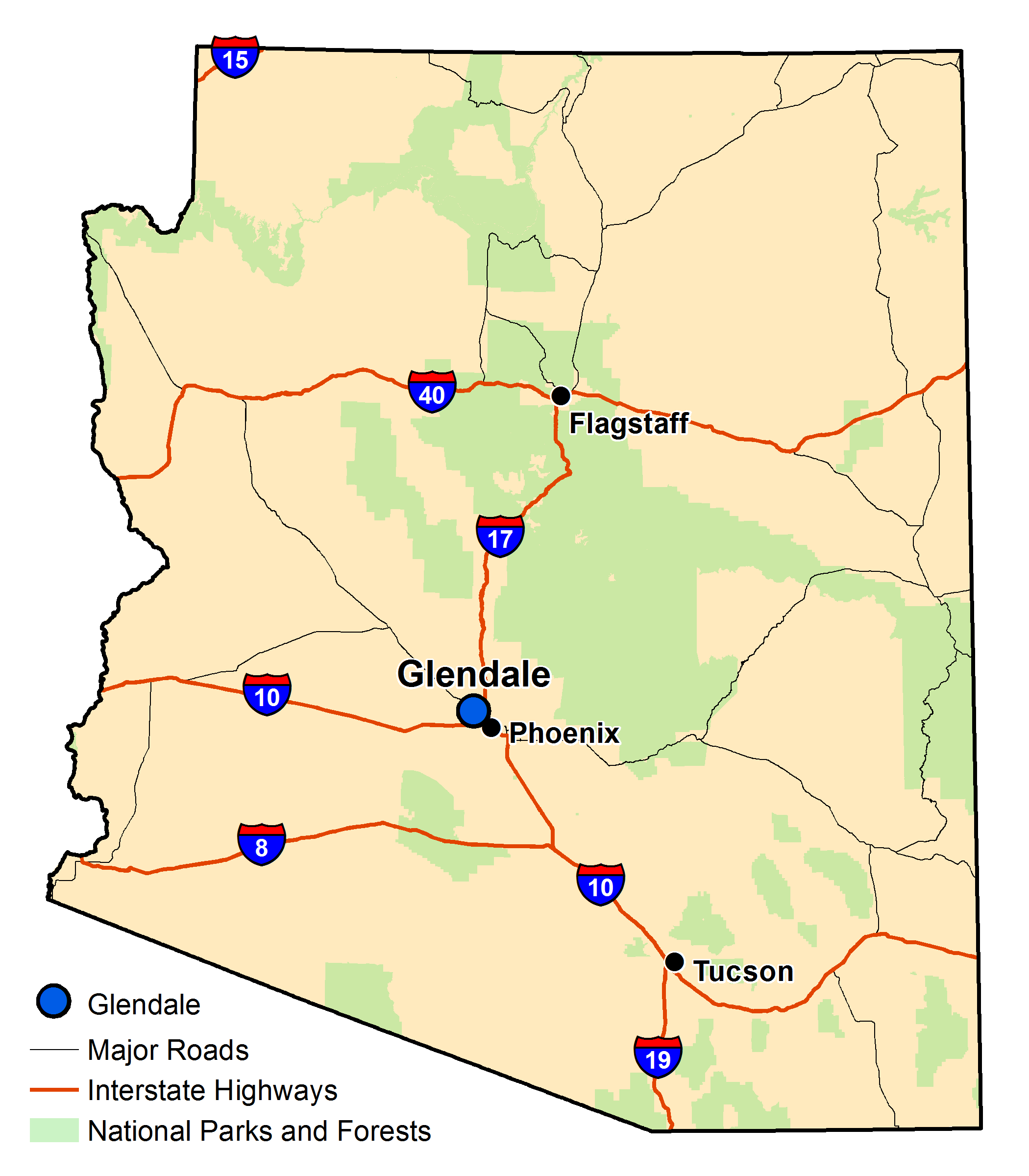
The close relationship between Glendale and Phoenix is a defining feature of the wider Phoenix Metropolitan Area. They are not separate, isolated entities but rather interconnected components of a sprawling urban landscape, each contributing to the region’s diverse appeal. This geographical closeness makes it incredibly convenient for visitors to experience the distinct flavors of both cities during a single trip, whether for a sporting event, a cultural immersion, or a relaxing getaway.
Geographical Relationship and Key Routes
At its closest points, the municipal boundaries of Glendale and Phoenix are practically adjacent. The distance between the downtown areas of the two cities is roughly 9 to 10 miles (approximately 14 to 16 kilometers). This short distance is primarily traversed via well-maintained highways and arterial roads that seamlessly connect the urban fabric.
The most common and efficient routes depend largely on your specific starting and ending points. For many, Interstate 10 (I-10) serves as a vital artery, running east-west through both cities and providing quick access between their commercial and entertainment hubs. Another key route is the Arizona State Route 101 Loop (Loop 101), which encircles much of the Phoenix Metropolitan Area, including segments that border and run through parts of Glendale and Phoenix. These major highways, complemented by a network of well-planned surface streets, ensure that navigation between the two cities is generally intuitive and direct, even for first-time visitors.
Driving Times and Traffic Considerations
Under ideal driving conditions—meaning no heavy traffic, construction, or unexpected delays—the drive from Downtown Phoenix to Historic Downtown Glendale or the Westgate Entertainment District typically takes between 15 to 25 minutes. This makes day trips or evening excursions between the two cities highly feasible and convenient.
However, like any major metropolitan area, the Phoenix Metropolitan Area is subject to rush hour traffic. During peak commuting times, usually from 6:00 AM to 9:00 AM and 4:00 PM to 6:30 PM on weekdays, travel times can extend significantly, sometimes reaching 30 to 45 minutes or even longer, depending on the route and specific destination. It’s also important to consider the impact of major events. Glendale, in particular, is home to large venues like State Farm Stadium (home of the Arizona Cardinals) and Desert Diamond Arena. On game days, concert nights, or during other major events, traffic near these venues can become heavily congested, and travel times can increase substantially. Planning your travel outside of peak hours or factoring in extra time for events is always a wise strategy.
Alternative Transportation Options
While driving is undoubtedly the most popular and often the most convenient way to travel between Glendale and Phoenix, especially for visitors with a rental car, several alternative transportation options are available:
- Rideshare Services: Companies like Uber and Lyft operate extensively throughout the Phoenix Metropolitan Area. These services offer a flexible and relatively quick way to get between the cities without the hassle of parking. Fares will vary based on demand, distance, and time of day.
- Public Transportation (Valley Metro): Valley Metro provides bus services that connect various parts of Glendale with Phoenix. While generally more time-consuming than driving, it’s a budget-friendly option. Valley Metro also operates a light rail system, which primarily serves central and eastern Phoenix and Tempe, and Mesa. While the light rail does not directly extend into Glendale, bus routes can connect you from Glendale to the nearest light rail stations in Phoenix for onward travel. This multi-modal approach requires careful planning using the Valley Metro trip planner.
- Car Rental: For visitors flying into Phoenix Sky Harbor International Airport, renting a car is a highly recommended option. It offers maximum flexibility for exploring not only Glendale and Phoenix but also the numerous attractions and natural wonders scattered throughout Arizona, such as a trip to the Grand Canyon or Sedona.
Exploring Glendale: A City of Sports, Entertainment, and Culture
Glendale offers a distinct blend of attractions, making it far more than just a suburb. It has carved out its own identity as a premier destination, particularly for sports enthusiasts, concert-goers, and those who appreciate historic charm. The city provides a robust tourism experience that complements the offerings of its larger neighbor, Phoenix.
Top Attractions and Landmarks in Glendale
Glendale’s star attractions largely revolve around its modern entertainment complexes and its quaint historic core:
- Westgate Entertainment District: This is the beating heart of Glendale’s entertainment scene. It’s an expansive outdoor complex featuring a wide array of restaurants, bars, retail shops, and a cinema, all centered around a pedestrian-friendly plaza. It truly comes alive during evenings and especially on event days, offering a vibrant atmosphere.
- State Farm Stadium: An iconic landmark, this multi-purpose stadium is the proud home of the Arizona Cardinals NFL team. Beyond professional football games, it hosts numerous high-profile events, including college football championships and international soccer matches. Its unique retractable roof and natural grass field are engineering marvels.
- Desert Diamond Arena: Located adjacent to State Farm Stadium within the Westgate Entertainment District, this arena is a major venue for concerts, family shows, and other live events. While it was formerly home to the Arizona Coyotes NHL team, it remains a bustling hub for various forms of entertainment.
- Historic Downtown Glendale: A charming contrast to the modern Westgate, Historic Downtown Glendale offers a nostalgic journey back in time. It’s renowned for its tree-lined streets, antique shops, specialty boutiques, and local eateries spread across two distinct areas: the Catlin Court Historic District and Old Town Glendale. It’s a fantastic spot for a leisurely stroll, unique gift shopping, and experiencing local culture.
- Sahuaro Ranch Park Historic Area: A national historic site, this park offers a glimpse into Arizona’s agricultural past. Visitors can explore historic buildings, lush orchards, and rose gardens, and even see peacocks roaming the grounds. It’s a tranquil escape and an educational experience, especially for families.
Dining and Entertainment Experiences
Glendale’s culinary scene is as diverse as its entertainment options. The Westgate Entertainment District boasts a wide selection of chain restaurants and local favorites, offering everything from sports bar fare to more upscale dining. For a taste of local charm and independent eateries, Historic Downtown Glendale provides cozy cafes and family-run restaurants serving comfort food and international cuisine. Beyond dining, the city hosts various events and festivals throughout the year, especially around its historic downtown, adding to its vibrant lifestyle.
Accommodation in Glendale: From Luxury to Budget

Glendale offers a range of accommodation options to suit different preferences and budgets, catering to both short-term visitors and those seeking a longer stay.
- Luxury and Mid-Range: For those attending events at State Farm Stadium or Desert Diamond Arena or simply enjoying the Westgate Entertainment District, hotels like the Renaissance Phoenix Glendale Hotel & Spa offer upscale amenities, full-service spas, and convenient access to the area’s attractions. Other comfortable mid-range options, such as Comfort Suites Glendale, provide excellent value with standard amenities.
- Budget-Friendly and Extended Stay: Numerous budget-friendly hotels are scattered throughout Glendale, particularly along major thoroughfares, offering clean and comfortable stays without breaking the bank. For longer visits, properties like Extended Stay America cater to those needing kitchenettes and home-like amenities.
- Booking Tips: It is highly advisable to book accommodation well in advance, especially if your visit coincides with major sporting events, concerts, or holiday periods. Prices can fluctuate dramatically during these times. Utilizing booking platforms to compare rates and read reviews will help secure the best option for your travel style.
Discovering Phoenix: The Heart of the Valley of the Sun
As the capital and largest city in Arizona, Phoenix is a bustling metropolis that serves as the economic and cultural engine of the Valley of the Sun. It’s a city that seamlessly blends urban sophistication with the rugged beauty of the desert landscape, offering a wide spectrum of experiences for every type of traveler. From world-class museums to challenging hiking trails, Phoenix provides a comprehensive tourism experience.
Must-Visit Attractions and Cultural Hotspots
Phoenix’s attractions are incredibly diverse, reflecting its rich history, unique natural environment, and thriving arts scene:
- Desert Botanical Garden: A true jewel of Phoenix, this garden showcases the incredible diversity of desert flora from around the world. With well-maintained trails and stunning exhibits, it’s a must-visit for nature lovers and photographers.
- Phoenix Zoo: Home to over 1,400 animals, the Phoenix Zoo is one of the largest non-profit zoos in the United States. It focuses on conservation efforts and offers engaging experiences for families.
- Heard Museum: Dedicated to the advancement of American Indian art and culture, the Heard Museum boasts an impressive collection of traditional and contemporary works, alongside compelling exhibitions and beautiful courtyards.
- Phoenix Art Museum: As the largest art museum in the southwestern United States, it features an extensive permanent collection encompassing American, European, Asian, and Latin American art, as well as fashion design and contemporary installations.
- Papago Park: This municipal park is a desert oasis offering iconic red rock formations, gentle hiking trails, and picturesque views. It’s also home to the famous Hole-in-the-Rock formation, which offers panoramic vistas of the city. The Desert Botanical Garden and Phoenix Zoo are also located within Papago Park.
- Camelback Mountain: A prominent natural landmark, Camelback Mountain offers challenging hiking trails with rewarding 360-degree views of the entire Phoenix Metropolitan Area. It’s a favorite for active travelers.
- Downtown Phoenix: A revitalized urban core, Downtown Phoenix is a hub for arts, sports, and dining. It features the Footprint Center (home of the Phoenix Suns NBA team), various theaters, art galleries, and a burgeoning culinary scene.
Lifestyle and Activities in Phoenix
Phoenix’s lifestyle is deeply intertwined with its desert environment, promoting outdoor activities, relaxation, and a diverse culinary scene.
- Outdoor Adventures: Hiking and mountain biking are popular, with numerous trails beyond Camelback Mountain and Papago Park. Golf is a huge draw, with world-class courses scattered throughout the region, including the renowned TPC Scottsdale, which hosts the Waste Management Phoenix Open.
- Spa and Wellness: Phoenix and its surrounding communities, particularly Scottsdale, are famous for their luxurious spa resorts, offering unparalleled relaxation and rejuvenation experiences.
- Culinary Scene: From innovative farm-to-table restaurants to authentic Southwestern cuisine and vibrant international flavors, Phoenix’s food scene is dynamic and diverse, with options to suit every palate.
- Shopping: High-end shopping malls like Biltmore Fashion Park and Scottsdale Fashion Square offer a premium retail experience, while local boutiques provide unique finds.
Finding Your Ideal Stay in Phoenix
Phoenix offers an extensive array of accommodation options, from opulent resorts to boutique hotels and budget-friendly choices.
- Luxury Resorts: For those seeking unparalleled luxury, resorts like the Arizona Biltmore, A Waldorf Astoria Resort and The Phoenician, a Luxury Collection Resort, Scottsdale offer stunning architecture, lush grounds, multiple pools, championship golf courses, and world-class spas. These resorts embody the high-end Arizona experience.
- Boutique Hotels: Areas like Old Town Scottsdale and central Phoenix feature stylish boutique hotels, such as Hotel Valley Ho, known for their unique character, personalized service, and trendy amenities.
- Family-Friendly Options: Resorts like Great Wolf Lodge Arizona provide water park fun and family-oriented activities, making them ideal for trips with children. Many major hotel chains also offer family suites and amenities throughout the city.
- Business and Convention Hotels: Downtown Phoenix is home to numerous hotels catering to business travelers and convention attendees, offering modern facilities and convenient access to the convention center and corporate offices.
- Accommodation Booking Tips: As with Glendale, booking in advance is crucial, especially during the high season (October through April) and during major events. Consider the specific neighborhood or district that best suits your planned activities, whether it’s the lively atmosphere of Downtown Phoenix, the upscale feel of Camelback East Village, or the desert tranquility of areas further afield.
Crafting Your Arizona Itinerary: Maximizing Your Visit
Given their close proximity and complementary offerings, visiting both Glendale and Phoenix in a single trip is not only feasible but highly recommended. It allows travelers to experience the full spectrum of the Valley of the Sun’s attractions, from thrilling sports events and historic charm to cultural institutions and breathtaking desert landscapes.
Combining Glendale and Phoenix for a Seamless Experience
Strategically planning your visit can enhance your enjoyment and streamline your travel:
- Themed Itineraries:
- Sports Enthusiast’s Dream: Base yourself in Glendale to be near State Farm Stadium and Desert Diamond Arena. Spend a day catching a game or concert, then venture into Phoenix for an evening at the Footprint Center to see the Phoenix Suns or explore the vibrant downtown nightlife.
- Culture and History Buff: Stay near Downtown Phoenix or the museum district to easily access the Heard Museum and Phoenix Art Museum. Dedicate another day to exploring Glendale’s charming Historic Downtown Glendale, including the Catlin Court Historic District and Sahuaro Ranch Park Historic Area.
- Nature and Relaxation: Focus your stay in Phoenix to be close to Desert Botanical Garden, Papago Park, and hiking trails. Incorporate a visit to Glendale for its dining and entertainment options after a day of outdoor exploration.
- Split Stays: For longer trips (a week or more), consider splitting your accommodation between Glendale and Phoenix. This reduces daily travel time and allows for a deeper immersion into each city’s unique atmosphere and local culture.
- Event-Driven Travel: Always check the event schedules for both cities prior to your visit. Tailor your daily plans around specific games, concerts, festivals, or exhibitions that pique your interest, then fill in the gaps with sightseeing and dining.
Tips for First-Time Visitors and Local Insights
To make the most of your Arizona adventure, keep these practical tips in mind:
- Best Time to Visit: The optimal time to visit the Valley of the Sun is during the cooler months, from October through April. The weather during this period is typically mild and pleasant, ideal for outdoor activities. Summers (May through September) can be extremely hot, with temperatures often exceeding 100°F (38°C), making outdoor activities challenging during midday.
- Hydration and Sun Protection: Regardless of the season, the desert climate requires constant hydration. Drink plenty of water and always use sunscreen, wear a hat, and consider sunglasses, especially when engaging in outdoor activities.
- Rental Car Advantage: While rideshares and public transport are options, a rental car provides the most flexibility for exploring the broader region, including day trips to nearby natural wonders or charming small towns outside the immediate Phoenix Metropolitan Area.
- Local Cuisine: Don’t miss out on Arizona’s unique culinary offerings, which include Southwestern flavors, Sonoran hot dogs, and vibrant Mexican-inspired dishes. Explore both cities’ local eateries for authentic experiences.
- Flexibility: While planning is essential, remain flexible. The Valley of the Sun often has unexpected events, pop-up markets, or local festivals that could enrich your visit.
In conclusion, the question “How far is Glendale from Phoenix, Arizona?” reveals a relationship of close proximity and mutual appeal. With a short drive separating their vibrant centers, these two cities offer a dynamic and diverse range of attractions, accommodations, and experiences that are easily accessible to one another. Whether you’re drawn by the roar of the crowd at State Farm Stadium or the tranquil beauty of the Desert Botanical Garden, the combined allure of Glendale and Phoenix promises an unforgettable journey in the heart of the Southwest. Plan your trip to embrace the best of both worlds, and prepare for an enriching Arizona adventure.
LifeOutOfTheBox is a participant in the Amazon Services LLC Associates Program, an affiliate advertising program designed to provide a means for sites to earn advertising fees by advertising and linking to Amazon.com. Amazon, the Amazon logo, AmazonSupply, and the AmazonSupply logo are trademarks of Amazon.com, Inc. or its affiliates. As an Amazon Associate we earn affiliate commissions from qualifying purchases.