
California, the Golden State, conjures images of sun-drenched beaches, towering redwoods, vibrant cities, and world-class wine regions. It’s a land of unparalleled beauty and diverse experiences, attracting millions of travelers from across the globe each year. Yet, headlines frequently paint a different picture, one of wildfires, floods, earthquakes, and other natural phenomena that sometimes lead to the declaration of a “state of emergency.” For potential visitors planning their next adventure, this raises a crucial question: Is California truly in a constant state of crisis, and what does this mean for travel, tourism, and overall safety?
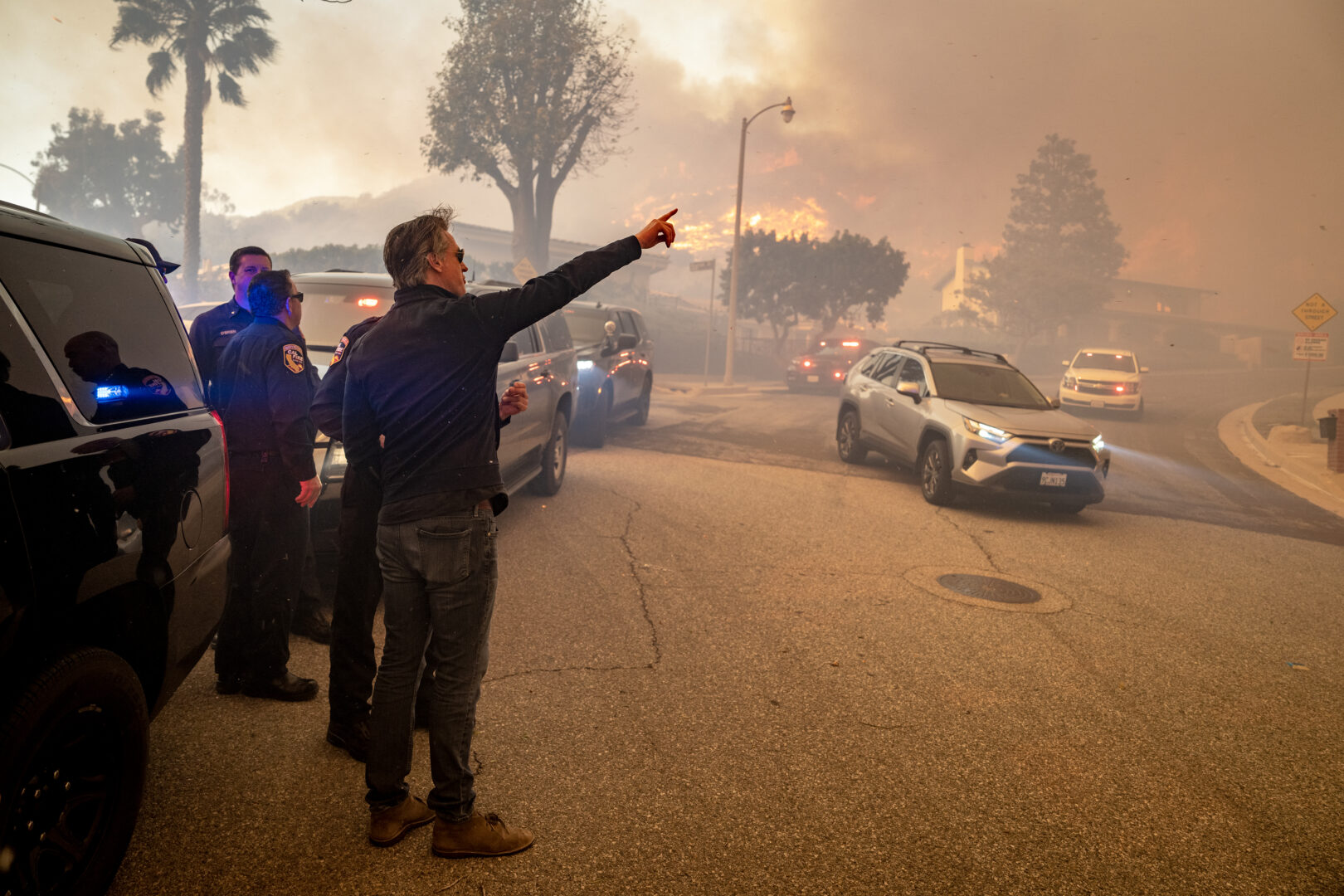
While California is undoubtedly susceptible to a range of natural events, understanding the nuances of an emergency declaration and the state’s robust preparedness measures is key to dispelling misconceptions. A “state of emergency” is often a proactive administrative declaration designed to mobilize resources, streamline aid, and ensure public safety, rather than an indication of widespread, perpetual danger across the entire state. The vastness of California means that localized events, while serious for affected communities, rarely impact the entirety of its sprawling landscapes or its myriad tourist destinations. With proper planning and an understanding of regional considerations, the Golden State remains an accessible and extraordinarily rewarding place to explore.
Understanding California’s Resilience: Navigating Natural Challenges
California’s unique geography, from its extensive coastline along the Pacific Ring of Fire to its towering mountain ranges and arid deserts, contributes to its stunning biodiversity but also makes it prone to certain natural events. These include wildfires, often exacerbated by drought conditions; atmospheric rivers leading to floods and mudslides; and seismic activity from its numerous fault lines. However, the state has developed an intricate system of emergency management and public safety protocols to mitigate risks and protect its residents and visitors.
A “state of emergency” declaration empowers state and local governments to deploy resources, access emergency funds, and coordinate responses more effectively. It’s a mechanism for swift action, not necessarily a blanket warning against all travel. For instance, a declaration concerning a specific wildfire in a remote forest might enable faster deployment of firefighting teams and evacuations for nearby communities, but it wouldn’t typically affect a traveler’s plans to visit San Diego or explore Disneyland Park hundreds of miles away.
Wildfires: Mitigating Risk in Scenic Landscapes
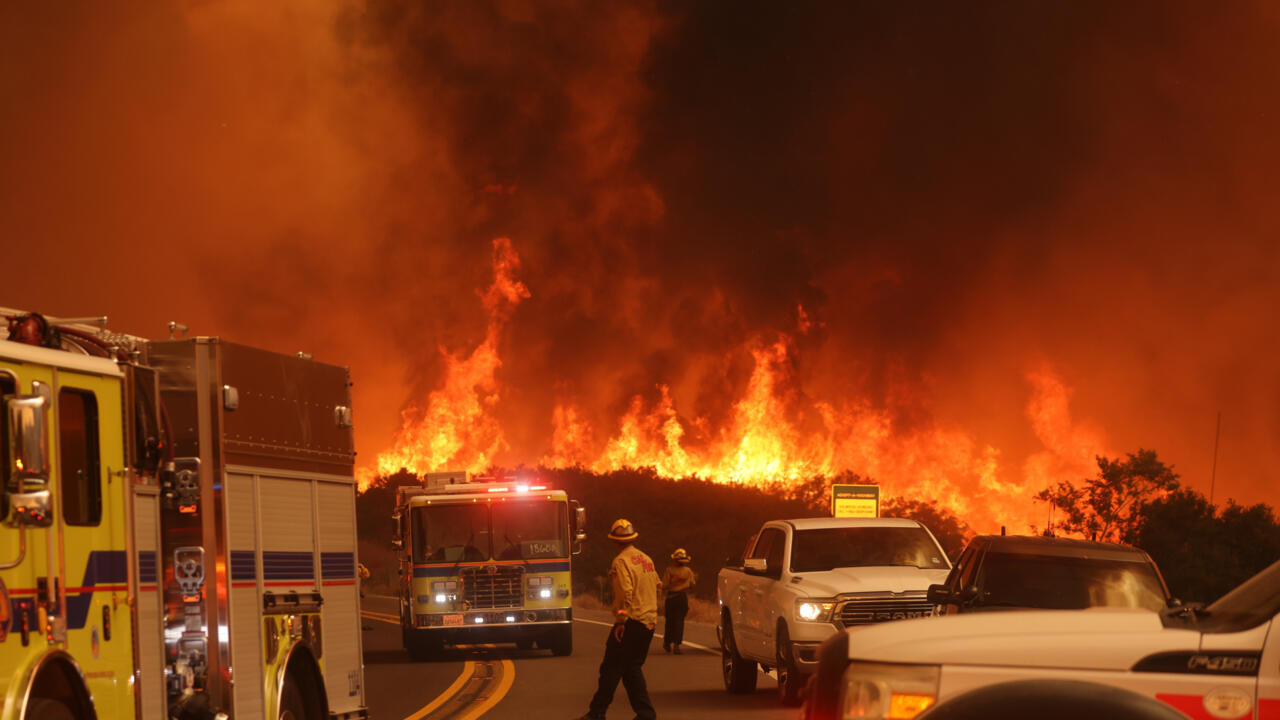
Wildfires have, unfortunately, become a recurring challenge in California, particularly during the dry summer and fall months. These events can be devastating, impacting air quality, causing road closures, and, in severe cases, threatening communities and natural landmarks. Regions like Napa Valley and Sonoma County in wine country, or areas near Malibu and the Sierra Nevada Mountains, have experienced significant fire activity.
Despite the headlines, many of California’s most popular attractions and destinations remain unaffected, or quickly recover. The state has invested heavily in fire prevention, early detection systems, and advanced firefighting technologies. For travelers, awareness is key. During peak fire season, it’s advisable to:
- Monitor official sources: Check the California Office of Emergency Services (CalOES) website or local news for updates.
- Be flexible: Have alternative plans, especially if your itinerary includes remote wilderness areas.
- Check air quality: Use resources like AirNow.gov for real-time air quality data, which can affect outdoor activities even if fires are distant.
Many resorts and hotels in fire-prone regions have sophisticated emergency plans, including air filtration systems and evacuation protocols, to ensure guest safety. It’s a testament to the state’s commitment to safety that tourism continues to thrive even in the face of these challenges.
Earthquakes: Preparedness, Not Panic
California is famously known for its seismic activity, sitting atop the San Andreas Fault and numerous other fault lines. While major, damaging earthquakes are relatively infrequent, smaller tremors are a regular occurrence, often unnoticed by visitors. The fear of “the Big One” is a common concern, but modern building codes and widespread public education significantly reduce the risk for residents and tourists alike.
California’s infrastructure, including high-rise hotels, landmarks like the Golden Gate Bridge, and transport systems, are built to withstand significant seismic activity. Schools and public buildings regularly conduct earthquake drills. For travelers, preparedness is simple:
- Know “Drop, Cover, and Hold On”: Familiarize yourself with this basic safety procedure, displayed in many public places and accommodations.
- Emergency Kits: While less relevant for tourists, knowing that your hotel or resort likely has emergency supplies is reassuring.
- Stay Informed: In the unlikely event of a significant earthquake, follow instructions from local authorities.
The reality is that most visitors to California will never experience a significant earthquake. The state’s continuous investment in seismic research and infrastructure resilience makes it one of the safest places globally to experience an earthquake, should one occur.
Flooding and Atmospheric Rivers: Seasonal Considerations
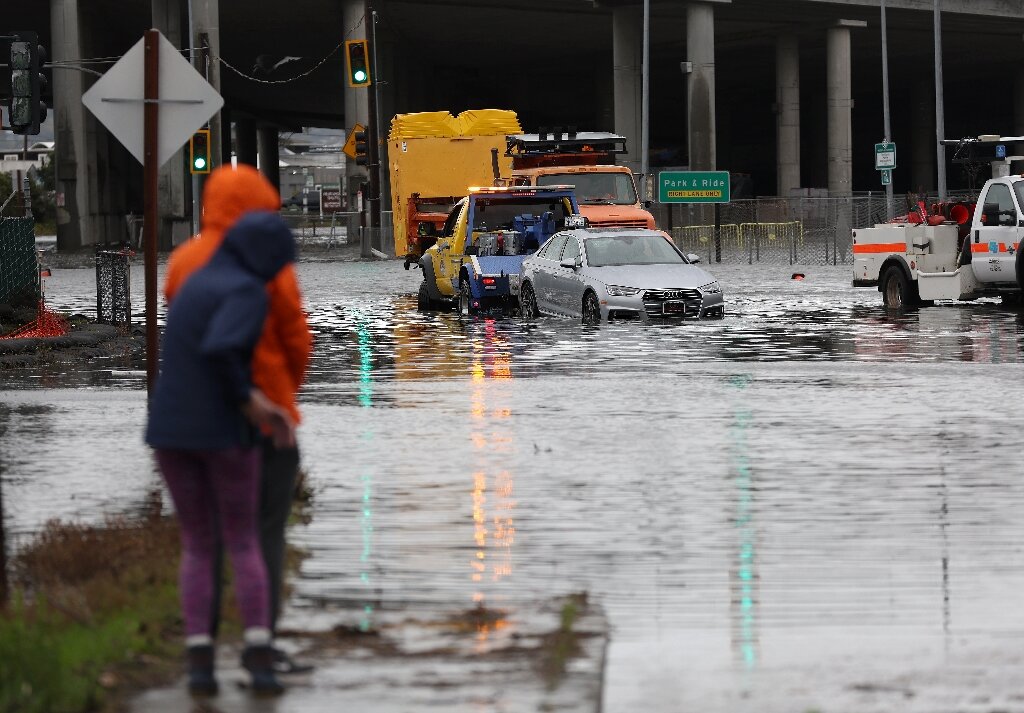
In contrast to the dry conditions that fuel wildfires, California also experiences periods of intense rainfall, particularly during the winter months, often fueled by “atmospheric rivers.” These events can lead to widespread flooding, mudslides, and snowstorms in mountainous regions like the Lake Tahoe area or the Eastern Sierra, impacting road travel and outdoor activities.
While disruptive, these events are seasonal and typically confined to specific regions. Heavy snowfall is a boon for ski resorts and winter sports enthusiasts. Coastal flooding, while concerning, is usually localized. Travelers can mitigate risks by:
- Checking weather forecasts: Pay close attention to winter weather advisories, especially if traveling to mountain passes or coastal areas.
- Road conditions: Utilize Caltrans (the California Department of Transportation) QuickMap for real-time road closures and chain requirements in snowy areas.
- Travel insurance: Consider purchasing travel insurance that covers weather-related disruptions.
Much like other natural challenges, the state’s infrastructure and emergency services are well-equipped to manage and respond to flood events, often issuing warnings well in advance.
Planning Your California Adventure: Tips for Responsible Travel
Visiting California is an incredibly rewarding experience, and with a few proactive steps, travelers can minimize potential disruptions and ensure a safe trip. The Golden State’s tourism sector is acutely aware of the natural challenges and has adapted to provide resilient and enjoyable travel experiences.
Smart Booking and Accommodation Choices
When planning your trip, consider the seasonal patterns of natural events. For instance, wildfire season generally runs from late summer to early fall, while significant rain and snow events are more common in winter.
- Flexibility is Key: Opt for accommodations and flights with flexible cancellation or change policies, especially if traveling during potentially challenging seasons. Many hotels and resorts in California offer such options.
- Location, Location, Location: If concerned about specific events, choose destinations that are historically less affected. For example, coastal cities like Monterey or Santa Barbara might have different risk profiles than inland forest regions.
- Reputable Providers: Book with established hotels, resorts, and tour operators who are well-versed in local conditions and emergency protocols. Read reviews on accommodation platforms to gauge previous guest experiences during challenging times.
Many luxury travel and budget travel options across the state offer high standards of safety and guest services, ensuring that even in an unexpected situation, you’ll be well looked after. From boutique hotels in San Francisco to family-friendly resorts near Anaheim, the commitment to guest well-being is paramount.
Leveraging Local Expertise and Resources
The best way to stay safe and informed is to tap into local knowledge and official channels.
- Tourist Information Centers: Upon arrival, visit local tourism offices. They are invaluable sources of up-to-date information on local conditions, current attractions accessibility, and any specific advisories.
- Emergency Contact Information: Have emergency numbers readily available. While 911 is universal, knowing non-emergency police or fire department numbers for specific cities can be helpful.
- Follow Social Media: Many state parks, national parks (like Yosemite National Park or Sequoia National Park), and local tourism boards use social media to post real-time updates on closures, conditions, and safety tips. For instance, checking the Yosemite National Park official site is essential for road conditions and trail access, especially during heavy snow or fire season.
Experiencing California Beyond the Headlines
It’s crucial to remember that California is a massive state, roughly the size of Germany. A localized event in one area, even if it triggers an emergency declaration, does not mean the entire state is shut down or unsafe. Many iconic landmarks and vibrant cities remain unaffected.
- Diverse Attractions: From the cultural richness of Los Angeles and San Francisco to the natural wonders of Death Valley National Park and the Redwood National Park, there is an abundance of destinations that offer unique experiences. Even if one park or region faces temporary challenges, countless others are ready to welcome visitors.
- Indoor Activities: California boasts world-class museums, art galleries, shopping destinations, and entertainment venues that offer shelter from inclement weather or poor air quality. Think of the Getty Center in Los Angeles or the California Academy of Sciences in San Francisco.
- Supporting Local Economies: Visiting California, even during challenging times, helps support the local economies that rely on tourism. Many areas recover quickly, and visitors play a vital role in that recovery.
The Unwavering Allure of the Golden State
Despite the challenges posed by its natural environment, California’s appeal as a premier travel destination remains undimmed. The state’s proactive approach to emergency management, coupled with the resilience and adaptability of its communities and tourism industry, ensures that visitors can still enjoy safe and memorable experiences.
From the iconic Hollywood Sign and the vibrant Santa Monica Pier to the serene beauty of Big Sur and the majestic peaks of Mount Whitney, California offers an incredible tapestry of sights and activities. The state has perfected the art of preparedness and rapid response, allowing its extraordinary landscapes and cultural richness to shine through.
In conclusion, while California may, at times, be in a “state of emergency” for specific, localized events, this doesn’t equate to the entire state being unsafe or inaccessible for tourism. With informed planning, flexibility, and reliance on official information, travelers can confidently explore the vast majority of what makes California one of the world’s most beloved destinations. Embrace the adventure, prepare wisely, and discover the Golden State’s enduring charm and resilience for yourself.
LifeOutOfTheBox is a participant in the Amazon Services LLC Associates Program, an affiliate advertising program designed to provide a means for sites to earn advertising fees by advertising and linking to Amazon.com. Amazon, the Amazon logo, AmazonSupply, and the AmazonSupply logo are trademarks of Amazon.com, Inc. or its affiliates. As an Amazon Associate we earn affiliate commissions from qualifying purchases.