
The allure of California is undeniable. From the sun-kissed beaches of Malibu to the towering redwoods, the innovative spirit of Silicon Valley to the glamour of Hollywood, the Golden State has long captivated imaginations worldwide. It represents a dreamscape for many, a vibrant hub of culture, technology, and natural beauty that draws millions of visitors and aspiring residents each year. Yet, beneath its glittering facade and undeniable prosperity, a persistent question often emerges, particularly for those planning trips, considering relocation, or investing in its booming tourism industry: “Is California in debt?”
This question, while seemingly straightforward, unravels a complex tapestry of economic realities, fiscal policies, and the sheer scale of governing one of the world’s largest economies. For travelers, hoteliers, and anyone interested in the lifestyle offered by this dynamic state, understanding California’s financial health is more than just an exercise in economics; it’s about discerning the stability of its infrastructure, the future of its attractions, the cost of its experiences, and the overall trajectory of a destination that consistently ranks among the top global choices.

In this article, we’ll delve into California’s financial landscape, exploring its immense economic power alongside its fiscal challenges. We’ll examine how its budget surpluses and deficits impact everything from road maintenance to the development of new tourism initiatives, and how these factors shape the travel, accommodation, and lifestyle experiences across the state. By the end, you’ll have a clearer picture of California’s financial standing and what it means for those seeking to explore, invest, or simply enjoy its boundless offerings.
Understanding California’s Economic Tapestry
To truly comprehend California’s financial situation, one must first appreciate the sheer scale and diversity of its economy. It’s not just a state; it’s a global economic powerhouse, operating with a Gross Domestic Product (GDP) that frequently surpasses that of entire nations.
A Global Economic Powerhouse
California’s economy is nothing short of colossal. If it were an independent country, its GDP would consistently place it among the top five to ten economies in the world, often ahead of major industrialized nations. This immense wealth is fueled by a diverse array of industries. Technology, concentrated in Silicon Valley and extending throughout the Bay Area (including San Jose and San Francisco), is a primary engine, home to tech giants and countless innovative startups that drive global digital transformation. The entertainment industry, centered in Hollywood and Los Angeles, continues to be a dominant force, influencing global culture and generating billions in revenue.
Beyond these well-known sectors, California boasts an incredibly robust agricultural industry, particularly in the San Joaquin Valley, producing a significant portion of the United States‘ fruits, vegetables, and nuts. Manufacturing, international trade through its major ports, and a burgeoning clean energy sector also contribute significantly. This economic diversity creates substantial revenue streams for the state through high income taxes (reflecting its affluent population), property taxes (due to high real estate values), sales taxes, and various fuel and excise taxes.
However, this prosperity also brings significant challenges. A large and growing population, coupled with some of the highest living costs in the United States, places immense demands on public services. Infrastructure, education, healthcare, and housing all require substantial ongoing investment, creating a constant tension between the state’s vast wealth and its equally vast expenditure needs.
Decoding the Debt Narrative
When the question “Is California in debt?” arises, it’s crucial to understand what kind of “debt” is being discussed. Like any large government or corporation, California utilizes various forms of borrowing to finance long-term projects and manage cash flow.
Types of Debt: The most common forms of state debt include:
- General Obligation Bonds: These are voter-approved bonds backed by the full faith and credit of the state, meaning they are repaid from general tax revenues. They are typically used for major infrastructure projects like roads, schools, and parks.
- Revenue Bonds: These are repaid from specific revenue streams generated by the projects they finance (e.g., tolls from a bridge, fees from a state university).
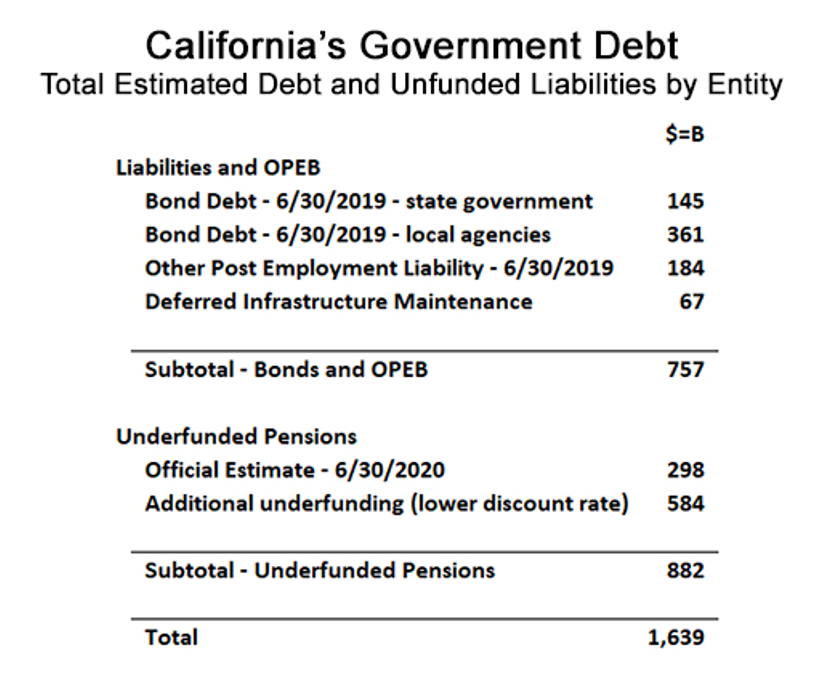
- Unfunded Pension Liabilities: This is perhaps the most significant and often cited aspect of California’s long-term financial obligations. Like many states, California has commitments to retired public employees for pensions and healthcare that represent a substantial long-term liability. While not traditional “debt” in the sense of a loan, these are future obligations that must be funded.
Context is Key: It’s essential to put California’s debt into context. A state of its size and economic complexity will have substantial debt, just as the largest corporations have significant liabilities. What matters is the ability to service that debt and manage future obligations. California’s credit rating, while not always top-tier, reflects its generally strong underlying economy and its capacity to meet its financial commitments. Comparing its debt levels to smaller states or nations without considering its massive GDP and revenue streams can be misleading.
Fiscal Responsibility Measures: In recent years, California has made significant strides in improving its fiscal health. Following the lessons learned from previous recessions, the state has prioritized building substantial budget reserves, often referred to as “rainy day funds.” These reserves provide a crucial buffer against economic downturns, helping to avoid drastic cuts to public services and investments during lean years. Furthermore, proactive measures have been taken to address unfunded pension liabilities, albeit a long-term challenge that requires ongoing commitment. While the state’s finances can fluctuate dramatically with economic cycles (often experiencing large surpluses in boom times and deficits during downturns), the general trend has been towards more prudent fiscal management and strategic planning.
The Interplay of Finance and California’s Tourism & Lifestyle

The financial health of California directly impacts the tourism sector and the lifestyle experienced by both residents and visitors. Stable finances mean better infrastructure, well-maintained landmarks, and continued investment in the experiences that draw people to the state.
Investment in Infrastructure and Attractions
One of the most tangible ways California’s financial standing affects tourism is through its investment in public infrastructure.
- Roads and Transportation: For a state as vast as California, well-maintained roads and efficient public transportation are crucial for travelers. Iconic routes like the Pacific Coast Highway and access roads to National Parks such as Yosemite or Death Valley National Park require continuous upkeep. State budgets allocate funds for these projects, and a healthy fiscal outlook means more capacity for vital upgrades and maintenance, ensuring smoother journeys for tourists. Similarly, public transit systems in major metropolitan areas like Los Angeles and San Francisco benefit from state investment, making it easier for visitors to navigate bustling cities.
- Public Parks and Recreational Areas: California boasts an incredible network of State Parks and access points to federal National Parks. These natural treasures, from the majestic redwoods to the pristine beaches of Laguna Beach, require significant state funding for conservation, visitor facilities, and trail maintenance. Fiscal stability ensures these invaluable resources remain accessible and enjoyable for everyone.
- Funding for Tourism Initiatives: While many major resorts and theme parks like Disneyland and Universal Studios Hollywood are privately funded, the state often plays a role in broader tourism promotion and destination development. Marketing campaigns that attract international visitors, support for local cultural events, and investments in historical preservation are all influenced by the state’s budget. When the state is financially robust, it can better support these initiatives, strengthening California’s appeal as a world-class destination.
The Cost of California Living and Travel
The flip side of California’s economic might is often its high cost. This is a crucial consideration for anyone planning a trip or contemplating a long-term stay.
- High Cost of Living: California’s economic success, strong job market, and desirable lifestyle contribute to a high cost of living. This translates into higher prices for everything from hotel suites and resorts to dining experiences and everyday goods. For travelers, this means budgeting more for accommodation, food, and activities than in many other parts of the United States. Iconic destinations like Beverly Hills, Santa Barbara, and Carmel-by-the-Sea are renowned for their luxury, which comes with a premium price tag.
- Luxury vs. Budget Travel: California caters to a wide spectrum of travelers. While it’s a premier destination for luxury travel, with exclusive villas in Palm Springs and opulent hotels in San Diego and Los Angeles, it also offers options for budget-conscious explorers. However, even budget travel often requires careful planning to find affordable accommodation and manage expenses.
- Taxes for Tourists: Tourists contribute directly to California’s revenue through sales taxes on purchases and significant hotel occupancy taxes. These taxes vary by city and county but can add a substantial amount to the overall cost of a trip. While contributing to the state’s coffers, these fees are also part of the reason travel in California can feel expensive.
Navigating California: A Traveler’s Perspective
Despite the complexities of its state finances and the higher cost of living, California remains an unparalleled destination. The state’s economic resilience ensures that the infrastructure and experiences that attract visitors are, for the most part, well-maintained and continuously evolving.
Ensuring a Seamless Travel Experience
- Roads and Transit: California’s vast network of state highways and interstates, while occasionally prone to congestion in urban areas, is generally well-maintained and facilitates incredible road trips. The legendary Pacific Coast Highway, winding through breathtaking vistas in areas like Big Sur and Monterey, is a testament to ongoing infrastructure investment. Major metropolitan areas like San Francisco and Los Angeles also boast extensive public transit systems, including BART and Metro Rail, which are subject to continuous upgrades and expansion efforts funded through a combination of state, federal, and local sources. These systems are crucial for minimizing travel stress in densely populated zones.
- Public Parks and Recreation: The commitment to preserving California’s natural beauty is evident in its vast state park system and numerous federally protected areas. From the dramatic cliffs of Joshua Tree National Park to the serene waters of Lake Tahoe, these spaces offer incredible experiences for hikers, campers, and nature lovers. Fiscal stability enables ongoing maintenance, ranger services, and environmental protection programs, ensuring these treasures remain pristine for future generations of visitors.
The Allure Endures: Why California Remains a Top Destination
Even with its financial intricacies, California’s magnetism as a premier global destination remains undiminished. Its unique blend of natural wonders, cultural richness, and innovative spirit ensures a steady stream of tourists and new residents.
- Diverse Offerings: There is truly something for everyone in California. You can ski in the Sierra Nevada mountains in the morning and surf off the coast near La Jolla in the afternoon. The state is home to world-renowned wine regions like Napa Valley and Sonoma Valley, iconic landmarks such as the Golden Gate Bridge and Santa Monica Pier, historic sites like Alcatraz Island, and thrilling theme parks in Anaheim. The sheer variety of destinations, activities, and guides available is unparalleled.
- Economic Resilience: Despite facing periods of deficit and the constant challenge of managing large-scale liabilities, California’s fundamental economic strengths are robust. Its capacity for innovation, its diverse industries, and its attractive lifestyle continue to draw talent and investment, contributing to its long-term stability. This resilience underpins its ability to maintain and enhance its tourism infrastructure.
- Future Outlook: California continues to invest in its future, from sustainable tourism initiatives to advanced transportation projects. The state’s appeal to entrepreneurs, artists, and adventurers ensures its dynamic evolution. Visitors can expect ongoing improvements to public spaces, new cultural offerings, and a continuous commitment to preserving the natural beauty that defines much of the California experience. Whether it’s the burgeoning culinary scene in Paso Robles or the latest tech innovations transforming travel, California is always looking forward.
Conclusion
The question “Is California in debt?” ultimately reveals a nuanced reality. Yes, like any massive economy, the state carries significant financial obligations, including traditional bonds and long-term liabilities such as unfunded pensions. However, it’s equally crucial to recognize that California also boasts an exceptionally robust and diverse economy, consistently ranking among the wealthiest jurisdictions globally. Its immense revenue-generating capacity, coupled with improved fiscal management and substantial reserve funds, provides a strong foundation for addressing these challenges.
For travelers, hotel developers, and those interested in the California lifestyle, the state’s financial health translates into a tangible impact on their experiences. It means the ongoing upkeep of essential infrastructure like highways and public transportation, the preservation of its iconic National Parks and beaches, and the continued investment in cultural and recreational attractions. While the cost of experiencing California can be higher than in other destinations, this often reflects the premium on quality, innovation, and the unparalleled diversity of experiences available.
In essence, California is a state that skillfully balances its financial complexities with an unwavering commitment to maintaining and enhancing its status as a world-leading destination. Its fiscal policies, while always subject to debate and improvement, are designed to sustain its vibrant economy and ensure its allure endures. So, while California may indeed carry debt, its immense wealth, economic vitality, and proactive approach to fiscal management mean that it remains an extraordinary place to travel, live, and explore, continuously investing in the future that makes it so uniquely captivating.
LifeOutOfTheBox is a participant in the Amazon Services LLC Associates Program, an affiliate advertising program designed to provide a means for sites to earn advertising fees by advertising and linking to Amazon.com. Amazon, the Amazon logo, AmazonSupply, and the AmazonSupply logo are trademarks of Amazon.com, Inc. or its affiliates. As an Amazon Associate we earn affiliate commissions from qualifying purchases.