
Understanding the taxability of California Paid Family Leave (PFL) benefits is crucial for residents navigating its complexities. As a program designed to provide financial support during significant life events such as welcoming a new child, caring for a seriously ill family member, or attending to one’s own serious health condition, PFL plays a vital role in the lifestyle and financial well-being of many Californians. While the intention is to offer a safety net, the question of whether these benefits are subject to taxation can leave individuals feeling uncertain. This article aims to clarify this important aspect of the California Paid Family Leave program, drawing parallels and offering insights relevant to a lifestyle that often involves careful financial planning, especially when considering travel, accommodation, and the experiences that make life rich.
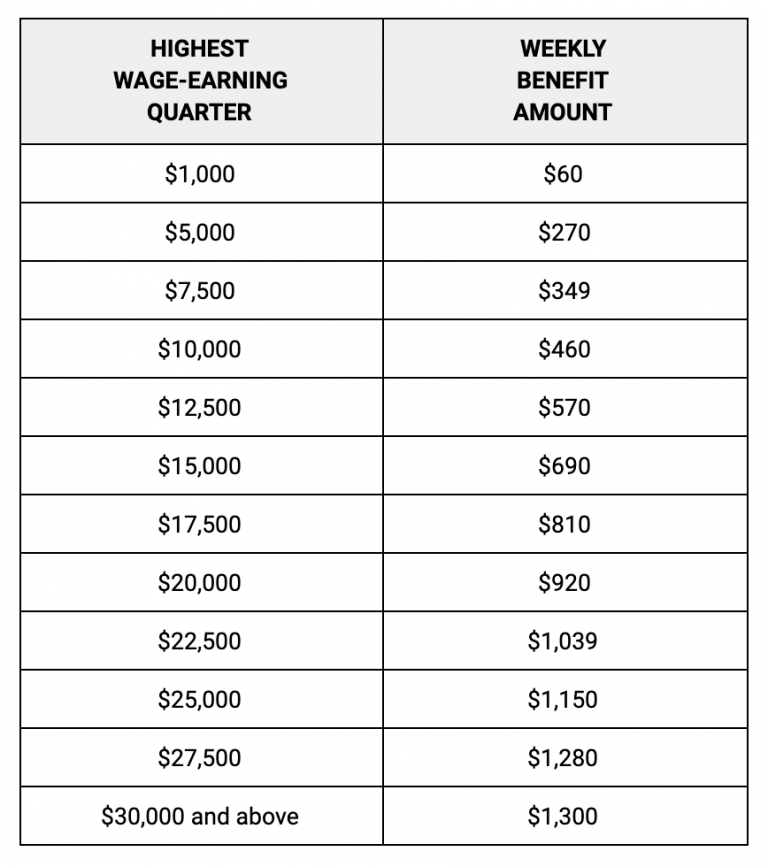
The California Paid Family Leave program, administered by the Employment Development Department (EDD), is funded through employee payroll deductions. These deductions are part of the State Disability Insurance (SDI) contribution. When an eligible individual needs to take time off for a qualifying reason, they can receive a portion of their wages through PFL. However, the tax implications of these payments are a frequent point of inquiry. This is particularly relevant for those who might be planning extended stays or significant travel during their leave, as understanding their net income is essential for budgeting for luxury travel, family trips, or even longer-term accommodation arrangements.
Understanding the Taxability of California Paid Family Leave Benefits
The key to understanding the taxability of California PFL lies in how the benefits are categorized. Unlike unemployment benefits, which are generally taxable at both the federal and state levels, California PFL benefits are considered a form of disability insurance. This distinction is significant.
Federal Taxation of California PFL
At the federal level, the Internal Revenue Service (IRS) has specific rules regarding the taxation of disability benefits. For most individuals, voluntary disability insurance payments, meaning those where the premiums are paid by the employee, are not considered taxable income. Since California PFL is funded by employee contributions through SDI payroll deductions, the benefits received are generally not subject to federal income tax. This means that if you are receiving PFL benefits, you do not need to report them as income on your federal tax return. This can be a significant relief, allowing individuals to focus on their family needs without the added worry of immediate tax burdens on these benefits. For those who might be planning to use their leave to explore new destinations or enjoy extended stays in different accommodations, this clarity in federal taxation can simplify financial planning considerably. Imagine planning a family trip to Disneyland or a relaxing resort stay in Palm Springs during your leave; knowing your PFL benefits aren’t taxed federally can make such aspirations more attainable.
State Taxation of California PFL
The taxation of California PFL benefits at the state level mirrors the federal treatment. Because the benefits are derived from employee contributions to the State Disability Insurance program, they are considered a return of an after-tax contribution. Therefore, California PFL benefits are generally not taxable by the state of California. This means you will not owe California state income tax on the PFL payments you receive. This dual treatment – not taxable federally or by the state – simplifies the financial picture for recipients. This consistency between federal and state tax laws regarding PFL benefits provides a clear and predictable financial framework, which is particularly beneficial for individuals planning their finances around extended time away from work, perhaps for a prolonged family vacation or a significant relocation. The ability to budget with certainty regarding these benefits can open up possibilities for experiencing diverse tourism, exploring local culture, or even finding suitable long-term accommodation in new areas.
Potential Taxable Scenarios and Important Considerations
While the general rule is that California PFL benefits are not taxable, there are a few nuances and specific scenarios to be aware of. These can impact how individuals should approach their tax filings and benefit applications.
When PFL Might Be Considered Taxable
The primary situation where California PFL benefits could be indirectly impacted by taxation relates to the nature of the contributions. If, for some reason, an individual had made pre-tax contributions to a disability insurance plan that covered the same period as their PFL benefits, there could be a complex interaction. However, for the vast majority of Californians, the SDI deductions are from after-tax wages. Therefore, the PFL payments are a return of those after-tax dollars, making them non-taxable.
It’s also important to distinguish PFL from other types of leave or benefits. For example, some employers might offer supplemental pay during leave that is taxable. The EDD’s PFL benefits themselves, however, are designed to be a replacement income stream that bypasses typical income tax obligations.

Documentation and Reporting
While PFL benefits are not taxable, the EDD still provides important documentation that individuals should keep. The EDD issues a Form 1099-G, “Certain Government Payments,” to recipients of unemployment insurance, disability insurance, and paid family leave benefits. Even though PFL benefits are not taxable, they will be reported on this form.
This reporting can sometimes cause confusion. Recipients might see the amount listed on the Form 1099-G and assume it’s taxable income. However, it’s crucial to understand that the EDD is required to report all payments made through these programs. For PFL benefits specifically, recipients should use the information on the 1099-G to confirm the amounts received but should not include it as taxable income on their federal or state tax returns.
Tax professionals and resources from the EDD can help clarify this distinction. When filing taxes, one would typically exclude the PFL benefit amount from their reported income, referencing the fact that it’s a non-taxable disability insurance benefit. This is where careful record-keeping becomes paramount, especially if you are using your leave for extended travel or exploring different lifestyle options. For instance, if your leave overlaps with plans to visit historical landmarks like the Golden Gate Bridge or spend extended time exploring the culinary scene in San Francisco, having clear documentation of your non-taxable PFL income allows for more accurate financial planning for these experiences.
Impact on Other Benefits
It is also worth considering how PFL benefits might affect other government benefits, such as Social Security. Generally, PFL benefits are not considered earned income and therefore do not impact Social Security credits. However, it is always advisable to consult with the relevant agencies or a tax professional to understand any potential interactions with other programs you may be enrolled in. This is especially true if your leave is prolonged and you are considering long-term accommodation or extended travel plans.
Planning Your California Lifestyle Around Paid Family Leave
The non-taxable nature of California PFL benefits can significantly enhance your ability to plan your lifestyle and experiences during your leave. Whether your focus is on personal well-being, family care, or exploring new horizons, this financial clarity is a considerable advantage.
Maximizing Your Leave for Travel and Experiences
Understanding that your PFL income is not subject to federal or state income tax can allow you to budget more effectively for a variety of activities. For those who love to travel, this means you can potentially allocate more of your PFL benefits towards accommodation, transportation, and experiencing local attractions. Perhaps you’ve always dreamed of exploring the diverse landscapes of Yosemite National Park, experiencing the vibrant arts scene in Los Angeles, or enjoying the serene beauty of the Big Sur coastline. Knowing your PFL benefits are non-taxable can make these dreams more financially feasible. You can plan for different types of hotels, from boutique resorts to charming apartments, with greater confidence.
Budgeting for Extended Stays and Accommodation
The ability to secure longer-term accommodation becomes more practical when you have a clear understanding of your available funds. If your PFL leave coincides with a desire for a change of scenery, you might consider renting an apartment for several months, exploring different neighborhoods, or even taking on a longer-term villa stay. The tax-free nature of PFL benefits means that the full amount you receive can be directed towards your living expenses and lifestyle choices, rather than a portion being set aside for taxes. This flexibility is invaluable for individuals who may be using their leave to recover from an illness, providing intensive care for a loved one, or simply taking much-needed time for family bonding. Planning a comfortable family trip or securing suitable accommodation in a new city like San Diego becomes less of a financial strain.

Lifestyle Choices and Financial Freedom
Ultimately, the non-taxable status of California PFL benefits contributes to a greater sense of financial freedom and flexibility during a period that is often filled with significant personal and emotional demands. It allows individuals to focus on what matters most – their health, their families, and their well-being – without the added pressure of immediate tax obligations on their essential income replacement. This can translate into more meaningful experiences, whether that involves enjoying the luxury travel you deserve after a period of hardship, embarking on a budget-friendly adventure across the state, or simply ensuring your family has a comfortable and stable living situation during your leave. The clarity surrounding this taxability empowers Californians to make informed decisions about their finances and their lifestyle during a critical time. For those considering a long stay at a luxurious resort like Terranea Resort, or even a more modest but comfortable stay in a family-friendly apartment, this understanding is key.
In conclusion, for the vast majority of California residents, Paid Family Leave benefits are not taxable at either the federal or state level. This non-taxable status is a significant benefit that allows individuals to focus on their personal and family needs during times of leave. While recipients will receive a Form 1099-G, it’s essential to understand that this is for reporting purposes, and the PFL benefits themselves should not be included as taxable income. This financial clarity can empower individuals to plan their lives, including travel, accommodation, and overall lifestyle, with greater confidence and ease.
LifeOutOfTheBox is a participant in the Amazon Services LLC Associates Program, an affiliate advertising program designed to provide a means for sites to earn advertising fees by advertising and linking to Amazon.com. Amazon, the Amazon logo, AmazonSupply, and the AmazonSupply logo are trademarks of Amazon.com, Inc. or its affiliates. As an Amazon Associate we earn affiliate commissions from qualifying purchases.