
For travelers planning a visit to the Golden State, understanding California’s time zone can be as crucial as knowing the best destinations or booking the perfect accommodation. The simple answer to “Is California PDT time?” is: sometimes. California operates within the Pacific Time Zone, which observes both Pacific Standard Time (PST) and Pacific Daylight Time (PDT). The transition between these two depends entirely on the observance of Daylight Saving Time. This dynamic can have a surprisingly significant impact on everything from catching your flight to Disneyland Park opening hours, and even the best time to snap a photo of the Golden Gate Bridge at sunset.
Whether you’re embarking on a luxurious Los Angeles getaway, exploring the vibrant culture of San Francisco, or planning a family trip to the national parks, being aware of the current time standard is paramount for a seamless and enjoyable experience. This comprehensive guide will delve into the intricacies of California’s time zones, how they affect your travel plans, and provide practical tips for navigating the clock changes like a seasoned local.
Deciphering California’s Time Zones: PST vs. PDT
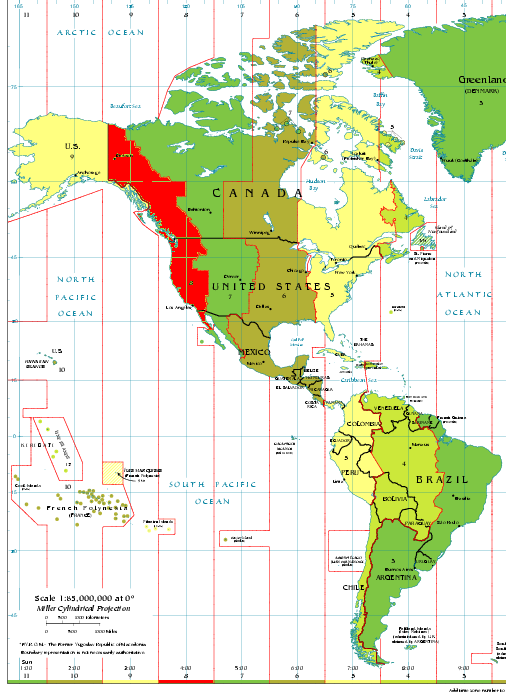
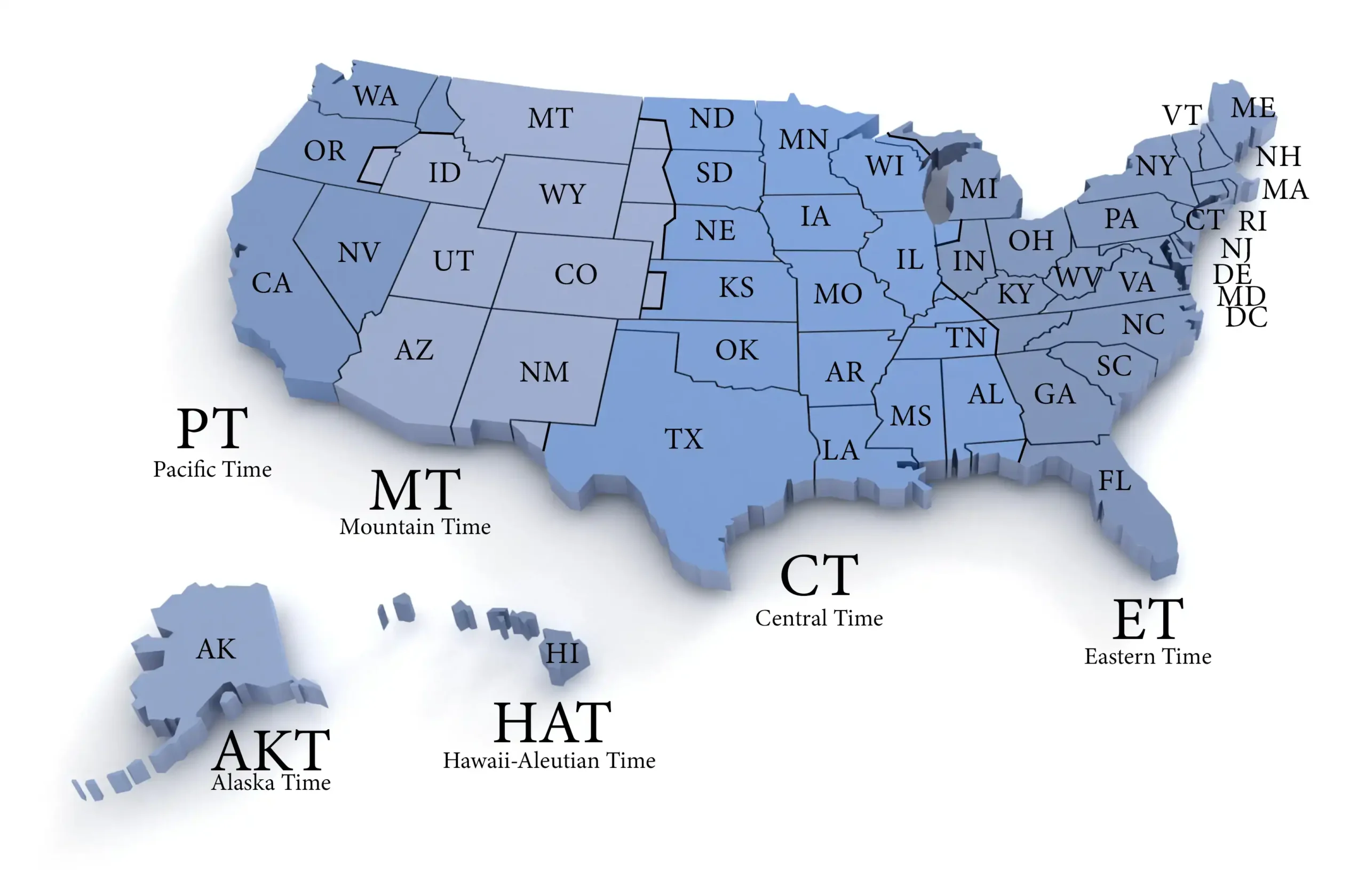
Understanding the difference between PST and PDT is fundamental to comprehending California’s time practices. Both refer to the time in the Pacific Time Zone, which covers the westernmost states of the United States and parts of Canada and Mexico. The distinction lies in the concept of Daylight Saving Time.
The Role of Daylight Saving Time
Daylight Saving Time is the practice of advancing clocks during warmer months so that evening daylight lasts longer, and people can start their days earlier. In essence, it’s an attempt to make better use of daylight, traditionally thought to save energy and promote outdoor activities. However, its actual benefits are often debated.
When Daylight Saving Time is in effect, the Pacific Time Zone switches from PST to PDT. PST is UTC-8 (Coordinated Universal Time minus 8 hours), meaning it is eight hours behind UTC. When the clock “springs forward” for Daylight Saving Time, the time becomes PDT, which is UTC-7. This means that during PDT, California is seven hours behind UTC. Conversely, when clocks “fall back” at the end of Daylight Saving Time, California reverts to PST.
When California Switches
For the majority of the year, roughly from mid-March to early November, California observes PDT. The specific dates for the switch are standardized:
- “Spring Forward”: Clocks move forward by one hour on the second Sunday in March at 2:00 AM local time. So, 2:00 AM becomes 3:00 AM. This marks the beginning of PDT.
- “Fall Back”: Clocks move back by one hour on the first Sunday in November at 2:00 AM local time. So, 2:00 AM becomes 1:00 AM. This marks the return to PST.
It’s important to note that while California consistently follows this schedule, there have been ongoing discussions and propositions to potentially abolish Daylight Saving Time in the state, similar to Arizona and Hawaii which do not observe it. However, as of now, California remains committed to the annual time change.
Navigating Time Shifts: A Traveler’s Guide to California
For any visitor, particularly those traveling internationally or from different time zones within the United States, the time change can introduce an element of complexity. From managing jet lag to ensuring you don’t miss an important reservation, understanding California’s time zone shifts is a vital part of effective travel planning.
Planning Your Itinerary: Flights, Accommodation, and Tours
When booking flights to California, especially around March or November, always double-check the arrival and departure times. Airlines and booking platforms generally account for Daylight Saving Time changes, but a quick verification can save you from a stressful start or end to your trip. Misinterpreting the time could mean missing a connecting flight or arriving at the airport an hour too early or too late.
Similarly, check-in and check-out times for hotels, resorts, apartments, or villas across cities like San Diego or Palm Springs will always adhere to local time. If you arrive on the day of a time change, remember that the hotel’s schedule will have adjusted accordingly. Tour operators, particularly those running timed activities such as Napa Valley wine tours, Alcatraz Island excursions, or whale watching trips from La Jolla, will operate on the prevailing local time. Always confirm your booking times in the days leading up to the activity, especially if your travel spans a time change.
Experiencing California’s Attractions on Time
The operating hours of California’s world-famous landmarks and attractions are directly tied to the local time. For instance, if you’re planning a visit to Universal Studios Hollywood or the San Diego Zoo, their opening and closing times will reflect either PST or PDT depending on the season. During PDT in the summer months, you’ll benefit from longer daylight hours, which can be fantastic for outdoor activities and sightseeing well into the evening. Imagine strolling along Santa Monica Pier or enjoying the views from Griffith Observatory with ample natural light.
However, during PST in the winter, daylight hours are shorter, meaning earlier sunsets. This might impact your plans for sunset viewing at Big Sur or your hiking schedule in Yosemite National Park. Always check the official websites of attractions for their current operating hours, especially if your visit is around the time changes. Many theme parks, museums, and natural landmarks adjust their schedules seasonally, and these adjustments will, of course, align with the local time standard.
Lifestyle and Logistics: How Time Zones Impact Your California Trip
Beyond specific bookings and park hours, the observance of PDT (and PST) weaves into the broader fabric of your California lifestyle and logistical planning. Whether it’s coordinating remote work, dining out, or managing family schedules, the time zone difference needs to be on your radar.
Business, Family, and Luxury Travel Considerations
For business stays, especially in hubs like Silicon Valley or downtown San Francisco, communicating with colleagues in different time zones becomes a daily task. During PDT, there’s a three-hour difference from the East Coast of the United States (e.g., New York), meaning an 8 AM PDT call is 11 AM EST. International calls have even larger disparities. Utilizing apps that display multiple time zones is a smart practice.
Family trips can be particularly affected. Young children thrive on routine, and a sudden hour shift can disrupt sleep schedules, leading to tired and cranky little travelers. If visiting during a time change, gradually adjust your children’s sleep times in the days leading up to the switch, or plan for a more relaxed day on the day of the change. This also applies to coordinating calls home to loved ones; a missed hour could mean waking up grandparents at an inconvenient time.

For luxury travel, punctuality is often key. Fine dining reservations at Michelin-starred restaurants in Beverly Hills, spa appointments at The Ritz-Carlton, Laguna Niguel, or private guided tours demand precise timing. Missing an appointment due to a time zone miscalculation can be both frustrating and costly. Always confirm reservation times with the establishment and synchronize your devices.
Practical Tips for a Seamless Time Transition
- Trust Your Smartphone and GPS Devices: Most modern phones, tablets, and GPS navigation systems automatically update to the local time zone if connected to the internet or satellite. Ensure your device settings allow for automatic time zone updates.
- Verify All Bookings: Before and during your trip, reconfirm flight times, hotel check-ins, tour start times, and restaurant reservations. This is especially critical if your travel dates coincide with the “spring forward” or “fall back” weekend.
- Adjust Gradually for Jet Lag: If arriving from a significantly different time zone or during a Daylight Saving Time change, try to adjust your sleep schedule a few days before your trip. Once in California, expose yourself to natural light during the day and minimize light exposure at night to help your body adapt.
- Use a World Clock App: Keep a world clock app handy on your phone to easily reference times in your home city and any other relevant time zones.
- Plan Buffer Time: Always build in extra time for transfers, appointments, and general sightseeing, especially on the day of arrival or around a time change. This reduces stress and allows for unexpected delays.
Exploring Iconic California Destinations Across Time
California is a vast state, stretching along the Pacific Ocean and bordering Nevada, Oregon, and Arizona. While the entire state observes the same Pacific Time Zone rules, the impact of PDT and PST can be felt differently depending on the nature of your visit to various cities and natural landmarks.
From the Bustle of Los Angeles to the Serenity of Napa Valley
In bustling urban centers like Los Angeles and San Francisco, the rhythm of life aligns perfectly with the current time. During PDT, the extended daylight hours are a boon for visitors exploring the Hollywood Walk of Fame, visiting the Getty Center, or enjoying dinner with views of the Golden Gate Bridge. The vibrant nightlife, from clubs in Hollywood to bars in Fisherman’s Wharf, will also seamlessly follow the adjusted clock.
For those venturing into the tranquil vineyards of Napa Valley or Sonoma, PDT offers more daylight for wine tastings and scenic drives. Wineries often have seasonal hours, which naturally align with Daylight Saving Time. In San Diego, the beautiful beaches and outdoor activities in Balboa Park are best enjoyed with the longer evenings that PDT provides, allowing for leisurely strolls and al fresco dining.
Ensuring Your National Park Adventures Are Perfectly Timed
California is home to an incredible array of national parks and natural wonders, from the towering trees of Redwood National and State Parks to the majestic landscapes of Yosemite National Park and the pristine waters of Lake Tahoe. When planning outdoor adventures, the time of day and year, and therefore the specific time zone (PST or PDT), are critical.
During PDT, hikers and campers in Yosemite or Sequoia National Park can start earlier and hike later, making the most of the extended daylight. This is particularly beneficial for longer trails or for reaching viewpoints for sunset photography. Conversely, during PST, daylight is precious. You’ll need to account for earlier sunsets when planning your hikes, especially if you’re exploring areas like Muir Woods National Monument or the desert landscapes of Death Valley National Park. Park visitor centers, shuttle services, and wilderness permit offices will all operate on the current local time, so checking their seasonal schedules in advance is always recommended.
In conclusion, yes, California is PDT time for a significant portion of the year, specifically from March to November due to Daylight Saving Time. For the remaining months, it observes PST. This annual shift is a standard part of life in the state and is seamlessly integrated into public services, businesses, and attractions. By understanding this dynamic and applying a few simple travel tips, you can ensure that your California journey, whether for luxury travel, a family trip, or a business stay, runs like clockwork, allowing you to fully immerse yourself in the beauty and excitement of the Golden State.
LifeOutOfTheBox is a participant in the Amazon Services LLC Associates Program, an affiliate advertising program designed to provide a means for sites to earn advertising fees by advertising and linking to Amazon.com. Amazon, the Amazon logo, AmazonSupply, and the AmazonSupply logo are trademarks of Amazon.com, Inc. or its affiliates. As an Amazon Associate we earn affiliate commissions from qualifying purchases.