
New York City – a name synonymous with dazzling lights, iconic landmarks, and a vibrant cultural tapestry. From the bustling energy of Times Square to the serene pathways of Central Park, the city offers an unparalleled array of experiences for travelers worldwide. However, amidst its myriad attractions and diverse lifestyles, an important question often arises for visitors seeking to understand local customs and legal frameworks: Is prostitution legal in New York?
The definitive answer is clear: No, prostitution is not legal in New York State. While some jurisdictions globally have decriminalized or legalized sex work under various models, New York maintains a firm stance against it, with specific laws targeting both those who engage in sex work and those who solicit it. Understanding these laws is crucial for any traveler or resident, not only to ensure compliance but also to foster a safer and more responsible approach to exploring one of the world’s greatest destinations. This article delves into the legal nuances, historical context, and practical implications for travelers and the tourism industry, ensuring you can navigate New York’s dynamic environment with confidence and informed choices.
Understanding the Legal Landscape in the Empire State
The legal framework surrounding prostitution in New York is multifaceted, reflecting ongoing societal debates and evolving legislative priorities. For visitors and residents alike, grasping these distinctions is paramount to avoiding legal entanglements and understanding the city’s approach to public order and safety.
The Core of New York’s Laws
In New York State, engaging in or promoting prostitution is broadly illegal under various statutes. The primary offenses typically involve:
- Prostitution (Penal Law § 230.00): This offense applies to a person who engages or agrees or offers to engage in sexual conduct with another person in return for a fee. It is generally classified as a Class B misdemeanor for a first offense.
- Patronizing a Prostitute (Penal Law § 230.03): This applies to individuals who pay, offer to pay, or agree to pay a fee to another person to engage in sexual conduct. Like prostitution, a first offense is typically a Class B misdemeanor.
- Promoting Prostitution (Penal Law § 230.15 – § 230.32): These are more serious charges that target individuals who manage, supervise, control, or own a house of prostitution, or who profit from the prostitution of others. This includes offenses like owning or operating a brothel, procuring individuals for prostitution, or receiving money from the earnings of a prostitute. These crimes range from Class D felonies to Class B felonies, carrying significant prison sentences and fines.
The intent behind these laws is to deter the practice of prostitution and the associated criminal enterprises, such as human trafficking and organized crime, which often exploit vulnerable individuals. Law enforcement agencies, including the New York Police Department (NYPD) and other federal bodies like the Federal Bureau of Investigation (FBI), actively enforce these statutes, particularly focusing on those who profit from or coerce others into sex work.
Recent Legislative Shifts and Decriminalization Debates
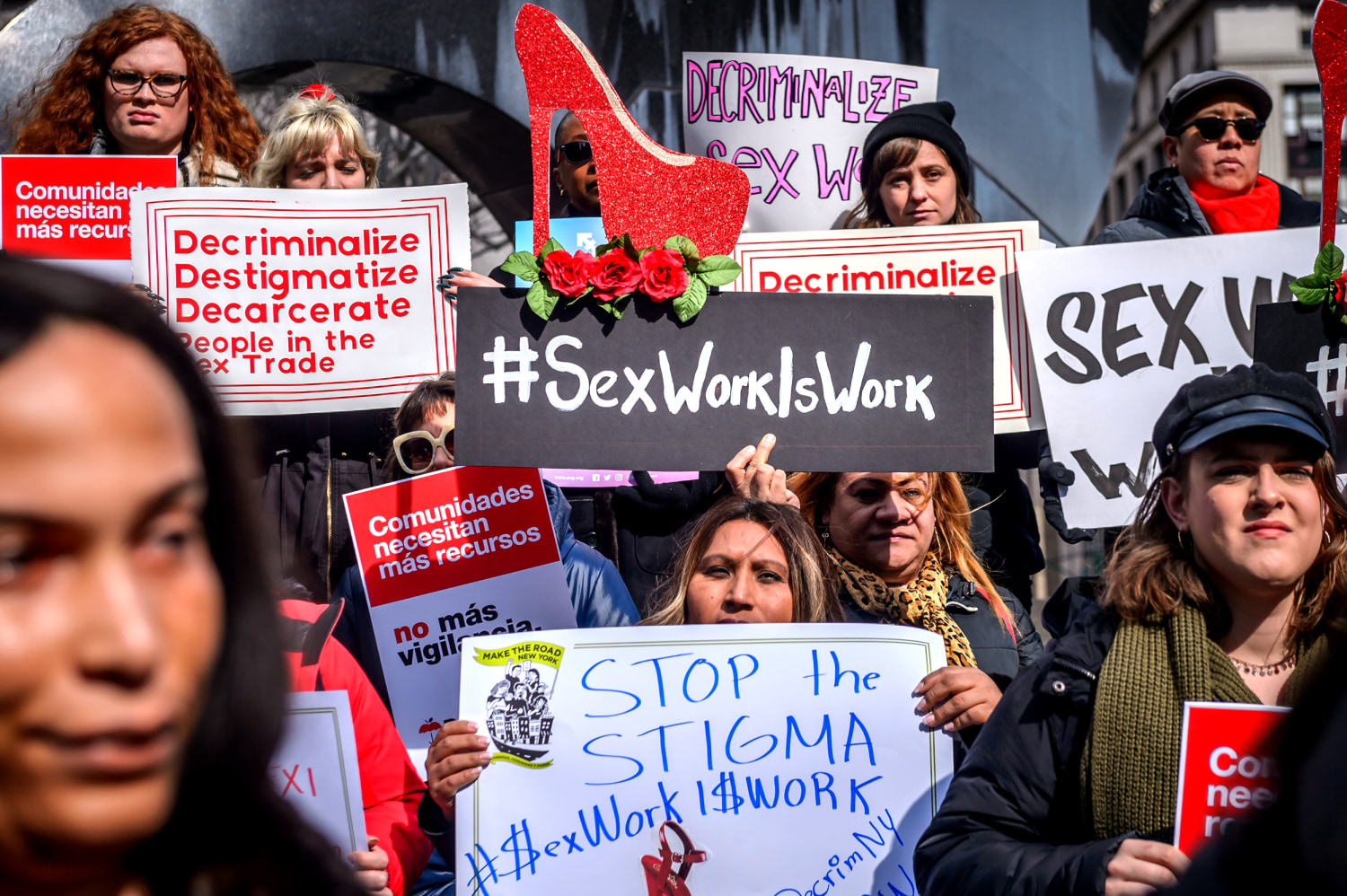
While the act of prostitution itself remains illegal, New York has seen significant legislative changes in recent years, particularly concerning how individuals involved in sex work are treated under the law. In February 2021, New York repealed a controversial penal law that criminalized “loitering for the purpose of engaging in a prostitution offense.” This law, often referred to as the “walking while trans” ban, was criticized for disproportionately targeting transgender women and people of color, leading to discriminatory arrests and harassment.
The repeal of the loitering law was a major step towards reforming the state’s approach, shifting focus away from prosecuting individuals who may be victims of circumstances and towards targeting exploiters and traffickers. However, it’s crucial to emphasize that this repeal did not legalize prostitution. Engaging in or soliciting sex work remains a criminal offense. The change primarily means that a person cannot be arrested solely for their appearance or for loitering in an area known for prostitution.
Debates around further decriminalization or even legalization of sex work continue in New York’s legislative halls and public discourse. Proponents of decriminalization often argue it would improve the safety of sex workers, reduce human trafficking by bringing the industry out of the shadows, and allow for better health and labor regulations. Opponents typically raise concerns about the potential for increased exploitation and the moral implications. For now, the legal status quo holds: prostitution is illegal, but the state is moving towards a more nuanced enforcement strategy that distinguishes between victims and perpetrators of exploitation.

Travel, Tourism, and the Law: What Visitors Need to Know
For the millions of tourists who flock to New York annually, understanding local laws isn’t just a matter of civic duty; it’s fundamental to a safe, enjoyable, and hassle-free travel experience. When planning trips and exploring new destinations, being aware of legal distinctions regarding activities like prostitution is especially important.
Navigating New York City Safely and Responsibly
New York City is a city of incredible diversity and excitement. Its bustling streets, vibrant nightlife, and endless attractions can sometimes lead travelers to encounter situations that require discretion and a clear understanding of boundaries. While the vast majority of experiences in New York are legitimate and enriching, the presence of illegal activities, including illicit sex work, can regrettably be a reality in certain areas or late-night settings.
Travelers are strongly advised to exercise caution and avoid any involvement with illegal activities. Engaging with or soliciting prostitution not only carries legal penalties but also poses significant risks to personal safety. There can be risks of theft, assault, or being targeted by scams. Furthermore, becoming involved in illegal activities can lead to serious legal consequences, including arrest, detention, fines, and even deportation for international visitors, which can severely impact current and future travel plans to the United States.
Instead, travelers are encouraged to immerse themselves in the legitimate cultural, culinary, and entertainment offerings that New York so abundantly provides. Exploring world-renowned museums like the Metropolitan Museum of Art, catching a Broadway show, marveling at the Statue of Liberty and Ellis Island, or simply enjoying a stroll through neighborhoods like Greenwich Village or SoHo offers truly authentic and memorable experiences that align with responsible tourism.
Hotel Policies and Accommodation Standards
When choosing accommodation in New York, whether it’s a luxury suite, a boutique hotel, or a long-term apartment rental, guests can expect high standards of service and adherence to legal operating procedures. Hotels, resorts, and various accommodation providers across New York State operate under strict regulations and have policies designed to ensure the safety and comfort of all guests.
Major hotel chains and independent properties alike, such as The Plaza Hotel or the Grand Hyatt New York, explicitly prohibit illegal activities on their premises, including prostitution. Hotels have a vested interest in maintaining their reputation, providing a secure environment, and complying with the law. Guests found to be engaging in illegal activities may face immediate eviction, loss of booking fees, and potential legal action from the hotel in addition to law enforcement consequences.

When booking travel and accommodation, it’s advisable to always choose reputable establishments. Reviews and comparisons found on travel websites often highlight properties that prioritize guest safety and maintain professional standards. Understanding that your chosen accommodation is a safe, legal haven allows you to fully relax and enjoy your stay, focusing on the legitimate attractions and experiences New York has to offer, from the historic grandeur of the Empire State Building to the architectural marvel of the Brooklyn Bridge. By respecting these boundaries, travelers contribute to a positive and secure environment for everyone.
Beyond the Law: Ethical Tourism and Lifestyle Choices
Responsible travel goes beyond simply adhering to laws; it encompasses making ethical choices that respect local cultures, support legitimate economies, and ensure personal well-being. When visiting a destination as significant as New York, adopting a mindful approach to tourism enriches the experience for both the traveler and the local community.
Protecting Yourself and Supporting Legitimate Experiences
Part of responsible tourism is protecting oneself from potential risks and ensuring that one’s travel choices contribute positively to the destination. Engaging in illegal activities, such as soliciting prostitution, not only exposes individuals to legal jeopardy but also to potential health risks, exploitation, and interaction with criminal elements. This stands in stark contrast to the secure and enriching experiences offered by New York’s legitimate tourism sector.
Travelers can make a conscious choice to support the city’s vast array of ethical businesses and cultural institutions. From dining at acclaimed restaurants in Manhattan to exploring the diverse neighborhoods of Brooklyn, Queens, The Bronx, and Staten Island, there are endless opportunities to experience New York authentically. Visiting landmarks like Rockefeller Center, taking a ferry past the United Nations Headquarters, or even venturing upstate to witness the majesty of Niagara Falls are all examples of how to enjoy the state’s offerings responsibly.
By doing so, visitors contribute to the local economy in sustainable ways, supporting legitimate jobs, cultural preservation, and community development. This approach not only provides a safer and more fulfilling trip but also leaves a positive footprint on the destination, reflecting a lifestyle of conscious and considerate travel.
Embracing New York’s Authentic Culture
New York’s true essence lies in its rich history, vibrant arts scene, diverse culinary landscape, and the resilience of its people. The city offers a kaleidoscope of experiences that cater to every taste, from high-end luxury travel to budget-friendly adventures. Understanding and respecting local laws, including those pertaining to prostitution, is an integral part of truly embracing this culture.
Unlike places such as specific counties in Nevada or the designated red-light districts in cities like Amsterdam where sex work is regulated or tolerated, New York has taken a different path. Its legal framework reflects a societal choice to prohibit and deter such activities, prioritizing the safety and well-being of its residents and visitors above all else. This legal stance is part of the city’s identity, influencing how public spaces are managed and how tourism is promoted.
For travelers, this means focusing on the legitimate wonders: catching a live music show in TriBeCa, exploring the financial history of Wall Street, enjoying a boat ride along the Hudson River, or simply soaking in the electric atmosphere of New York City at night. Engaging with the city’s authentic culture means respecting its legal boundaries and appreciating its unique character without seeking out or participating in illegal activities. It is this mindful approach that allows travelers to fully experience the magic of New York in a way that is both safe and deeply rewarding.
In conclusion, while New York is a beacon of freedom and diversity, it is also a place governed by specific laws. Prostitution remains illegal throughout New York State, with significant penalties for those involved. For any traveler, the most prudent and enjoyable approach to visiting this magnificent destination is to adhere to its laws, prioritize personal safety, and immerse oneself in the countless legitimate and enriching experiences it has to offer. By doing so, you ensure a memorable, safe, and truly authentic New York adventure.
LifeOutOfTheBox is a participant in the Amazon Services LLC Associates Program, an affiliate advertising program designed to provide a means for sites to earn advertising fees by advertising and linking to Amazon.com. Amazon, the Amazon logo, AmazonSupply, and the AmazonSupply logo are trademarks of Amazon.com, Inc. or its affiliates. As an Amazon Associate we earn affiliate commissions from qualifying purchases.