
For many travelers embarking on a culinary journey, understanding the nuances of local cuisine is paramount to an authentic experience. Among the vast and diverse world of sushi, the California Roll stands out as a universally recognized and often, misunderstood, dish. A frequent query from those new to Japanese cuisine or simply curious about their food is whether this popular roll is “cooked.” The answer, while seemingly simple, unravels a fascinating tale of culinary adaptation, global influence, and the very definition of what constitutes “sushi.” This article aims to demystify the California Roll from a tourism perspective, offering insights into its ingredients, preparation, and place within the broader tapestry of global gastronomy, ensuring travelers can confidently explore and enjoy it.

Decoding the California Roll: A Culinary Landmark
The California Roll is more than just a dish; it’s a cultural phenomenon that bridges culinary traditions between Japan and the Western world. Its ubiquitous presence on menus from Tokyo to Toronto makes it an essential point of understanding for any food-focused traveler.
The Genesis of a Global Phenomenon: Tracing its Origins
Contrary to what its name might suggest, the California Roll did not originate in Japan. Its exact birthplace is a subject of friendly debate, but two main contenders emerge from the 1960s and 1970s. One popular theory credits Chef Ichiro Mashita of the Tokyo Kaikan restaurant in Los Angeles, California, United States. Faced with a scarcity of fresh tuna and customers who were hesitant to try raw fish or the traditional seaweed (nori) on the outside, Mashita reputedly substituted tuna with avocado and moved the nori to the inside, creating an inside-out roll (uramaki).
Another claim comes from Chef Hidekazu Tojo in Vancouver, Canada, who states he created a similar roll in 1971, initially calling it “Tojo-maki.” He designed it specifically for Western palates unaccustomed to raw fish and seaweed. Regardless of its precise genesis, the roll’s creation was a brilliant act of culinary innovation, adapting Japanese sushi techniques to suit local tastes and ingredient availability, thereby democratizing sushi for a global audience. This adaptation is a prime example of how local culture and culinary practices evolve when exposed to diverse influences, offering a valuable lesson for tourists interested in the dynamics of food.
Dissecting the Core Ingredients: Raw vs. Cooked Components
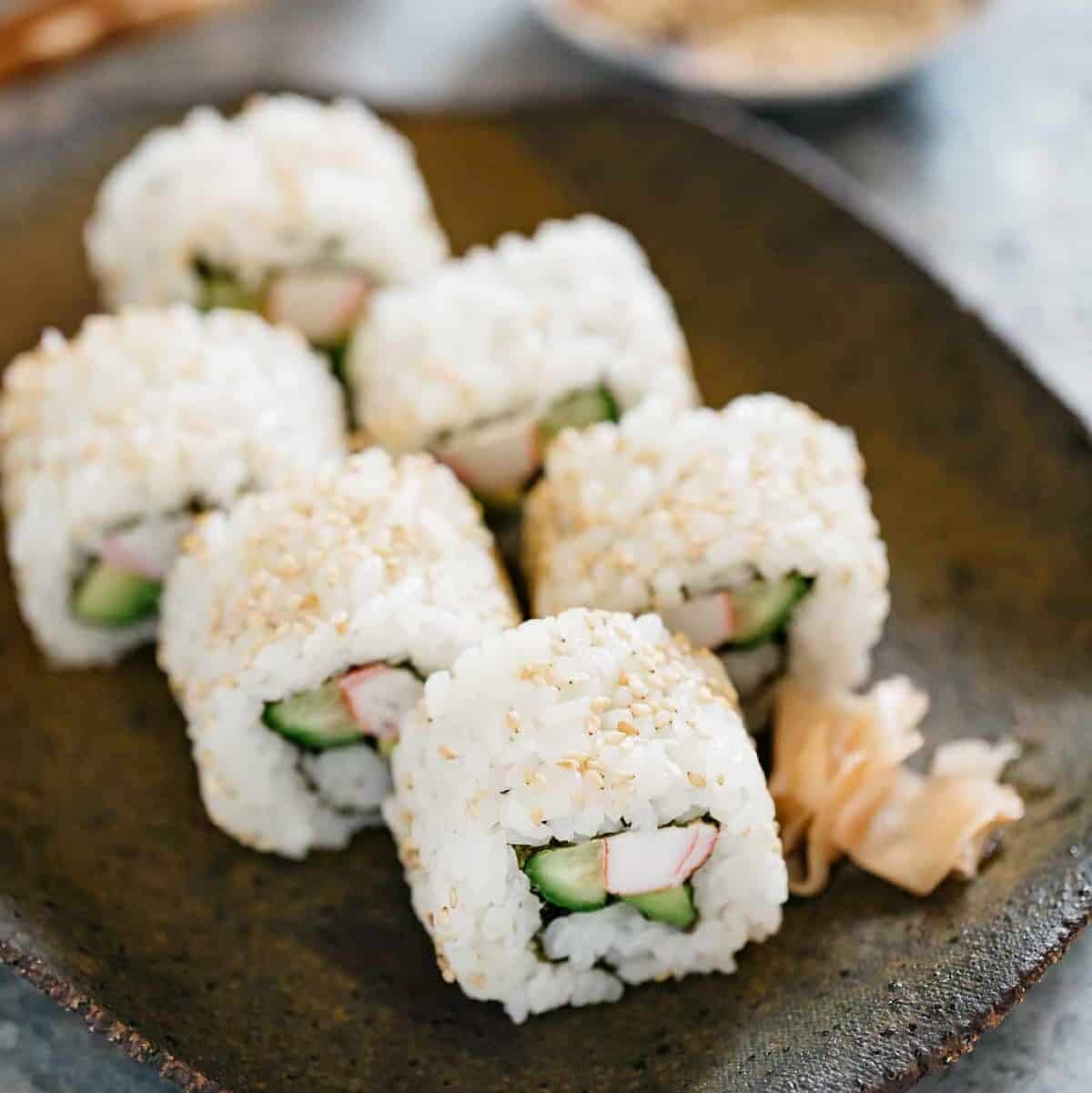
To answer the central question, we must look at the standard components of a California Roll. Typically, it comprises:
- Sushi Rice: Always cooked, seasoned with vinegar, sugar, and salt.
- Nori (seaweed): Dried and toasted, thus not “raw” in the sense of uncooked.
- Avocado: Fresh, therefore raw.
- Cucumber: Fresh, therefore raw.
- Crab Meat (or imitation crab meat, surimi): This is the key component.
- Imitation Crab (Surimi): This processed seafood product is made from finely pulverized white fish (like pollock), starch, egg whites, and flavorings. It is always cooked during its manufacturing process. Therefore, if your California Roll uses imitation crab, that element is cooked.
- Real Crab Meat: If real crab meat is used (e.g., snow crab or Dungeness crab), it is almost always steamed or boiled before being incorporated into the roll. Raw crab is not typically consumed in sushi due to texture, taste, and safety concerns.
- Mayonnaise/Spicy Mayo: Cooked ingredients.
- Sesame Seeds/Tobiko (fish roe): Sesame seeds are toasted (cooked). Tobiko is cured, which is a form of processing but not “cooking” in the traditional heat application sense.
From this breakdown, it’s clear that the primary protein component – the crab meat – is indeed cooked. The other components are either cooked (rice), processed (nori, surimi, sauces), or fresh raw vegetables (avocado, cucumber).
The “Cooked” Conundrum: Clarifying Misconceptions
The misconception that California Rolls are entirely raw likely stems from its association with sushi, which often features raw fish. However, “sushi” itself refers to the vinegared rice, not necessarily the presence of raw fish. Many types of sushi, such as those with cooked shrimp (ebi), eel (unagi), or tamago (egg omelet), do not contain raw ingredients.
Therefore, for the discerning tourist, the definitive answer is: Yes, the main protein component (crab meat, whether real or imitation) in a California Roll is cooked. This makes it an excellent entry point for travelers who are hesitant to try raw fish but still wish to experience the artistry and flavors of sushi. It’s a safe, flavorful, and accessible option that respects traditional preparation methods while catering to a wider audience.
Understanding Sushi Etiquette and Ingredients for the Discerning Traveler
Navigating the world of sushi can be an enriching part of any travel experience, particularly in destinations renowned for their culinary scene. Beyond knowing if your California Roll is cooked, understanding basic sushi etiquette and ingredient variations enhances appreciation and enjoyment.
Navigating the Sushi Bar: Essential Tips
For travelers exploring Japan or high-end Japanese restaurants abroad, a few etiquette tips can make a significant difference:
- Chopsticks vs. Hands: Nigiri sushi (fish over rice) is traditionally eaten with hands. Rolls are typically eaten with chopsticks. Don’t rub your chopsticks together – it implies the chopsticks are cheap.
- Soy Sauce: Use soy sauce sparingly. Dip the fish side of nigiri, not the rice, to avoid oversaturating the rice and altering the chef’s carefully balanced flavors. For rolls, a light dip is sufficient.
- Wasabi and Gari (Pickled Ginger): Wasabi is often already applied by the chef; adding more might be seen as an insult. Gari is a palate cleanser, meant to be eaten between different types of sushi, not with the sushi itself.
- Order of Eating: Start with lighter, milder fish before moving to richer, fattier cuts.
- Respect the Chef: At a sushi counter, engaging politely with the chef (itamae) is part of the experience.
These tips not only show respect for local customs but also allow you to fully appreciate the craftsmanship involved in sushi preparation, a key aspect of culinary tourism.
Distinguishing Sushi Types: A Tourist’s Guide
Beyond the California Roll, the world of sushi is vast. Here’s a brief guide for travelers:
- Nigiri: A slice of raw or cooked fish (or other topping) pressed over a small mound of vinegared rice.
- Sashimi: Slices of raw fish or seafood, served without rice. This is always raw.
- Maki Rolls: The most common form, where ingredients are rolled in nori seaweed and rice, then sliced.
- Hosomaki: Thin rolls with one ingredient (e.g., cucumber, tuna).
- Futomaki: Thick rolls with multiple ingredients.
- Uramaki (Inside-Out Rolls): Rice on the outside, nori and fillings inside (e.g., California Roll, Philadelphia Roll, Dragon Roll). These often cater to Western preferences.
- Temaki (Hand Rolls): Cone-shaped rolls filled with ingredients, eaten by hand.
Understanding these distinctions helps travelers choose dishes that align with their preferences and comfort level, whether they prefer raw, cooked, or vegetarian options. Many rolls, like the Alaska Roll (smoked salmon, avocado, cucumber) or Spider Roll (tempura soft-shell crab), also feature cooked or smoked ingredients, expanding options for those avoiding raw fish.
Health and Safety: What Tourists Should Know

When consuming sushi, especially raw fish, food safety is a primary concern for travelers. Reputable establishments adhere to strict hygiene standards and source high-quality, sashimi-grade fish. Look for restaurants with a visible commitment to cleanliness, a steady stream of local patrons, and chefs who handle ingredients with precision and care.
For pregnant women, young children, or individuals with compromised immune systems, it is generally recommended to stick to fully cooked sushi options or vegetarian rolls. The California Roll, with its cooked crab meat, often fits this recommendation, making it a reliable choice when exploring new cuisines abroad. Being informed allows tourists to make safe and enjoyable culinary choices.
Exploring the Global Appeal of Japanese Cuisine
The journey of the California Roll from an inventive solution in Los Angeles or Vancouver to a global staple highlights the incredible adaptability and universal appeal of Japanese cuisine. For tourists, exploring this global reach offers a unique lens through which to understand cultural exchange and culinary evolution.
From Tokyo to California: A Culinary Journey
The global proliferation of Japanese food has made sushi accessible in nearly every major city. In Japan, while traditional sushi bars in places like Tsukiji Market in Tokyo or the historical culinary hub of Kyoto prioritize classic Edo-mae style sushi, contemporary restaurants and conveyor belt sushi (kaiten-zushi) chains often feature adapted rolls, including variations of the California Roll. This demonstrates how even in its homeland, Japanese cuisine embraces evolution.
Outside Japan, particularly in North America, Europe, and Australia, the California Roll was a gateway dish. It introduced millions to sushi in a non-intimidating way, paving the path for more adventurous palates to explore raw fish and other traditional Japanese delicacies. This global journey is a testament to the power of food as a cultural ambassador, constantly adapting and enriching local food scenes worldwide.
The Art of Umami: Flavor Profiles for Travelers
Japanese cuisine is renowned for its focus on umami, the savory fifth taste. While the California Roll might seem simple, its balance of flavors – the sweetness of the rice, the creaminess of avocado, the freshness of cucumber, and the subtle sweetness and savoriness of the crab – contributes to a harmonious umami profile. Travelers can enhance their appreciation by recognizing these flavor layers, which are often meticulously crafted by sushi chefs. Understanding umami allows tourists to delve deeper into the sensory experience of Japanese food, moving beyond mere consumption to genuine culinary exploration.
Pairing Drinks with Sushi: Enhancing the Experience
To fully embrace the culinary aspect of tourism, consider pairing your sushi with appropriate beverages. Traditional pairings include:
- Sake: Japanese rice wine, with different varieties complementing various types of sushi. Lighter sakes are excellent with delicate rolls.
- Green Tea: A classic, refreshing, and non-alcoholic option that cleanses the palate.
- Beer: Light Japanese lagers (e.g., Sapporo, Kirin, Asahi) are popular choices.
- White Wine: Dry, crisp white wines like Sauvignon Blanc or Pinot Grigio can also pair well.
For a California Roll, a lighter sake or a crisp lager would complement its balanced flavors without overpowering them. Exploring these pairings adds another dimension to the tourist’s culinary adventure, deepening their understanding of local customs and gastronomic traditions.
Beyond the Basics: Where to Savor Authentic Flavors
For the adventurous culinary tourist, the journey doesn’t end with understanding the California Roll. It extends to seeking out diverse sushi experiences that reflect both traditional artistry and modern innovation.
Recommended Restaurants and Regions
While the California Roll is globally available, experiencing sushi in its myriad forms requires exploring different regions and establishments:
- Japan: For the ultimate authentic experience, Tokyo boasts Michelin-starred sushi restaurants like Sukiyabashi Jiro and countless excellent, unassuming local spots. Kyoto and Osaka offer their own regional specialties, often with a focus on seasonal seafood. Don’t miss the opportunity to visit fish markets early in the morning for the freshest sushi.
- United States: Los Angeles and New York City are hotspots for innovative sushi, often blending Japanese techniques with local ingredients, a legacy of the California Roll’s pioneering spirit.
- Canada: Vancouver and Toronto have thriving sushi scenes, reflecting the large Asian populations and a strong emphasis on fresh, local seafood.
Seeking out places that specialize in traditional sushi, as well as those known for creative fusion, provides a comprehensive overview of sushi’s global impact.
Interactive Culinary Experiences: Cooking Classes
For tourists who wish to delve deeper than just tasting, participating in a sushi-making class is an invaluable experience. Many cities, especially in Japan, Canada, and the United States, offer workshops where you can learn to prepare sushi rice, slice fish (or vegetables), and roll various types of maki, including the California Roll. These classes provide practical skills, cultural context, and a deeper appreciation for the artistry involved, turning a meal into an interactive cultural activity.
Local Markets: A Dive into Fresh Ingredients
Visiting local fish markets, such as Nishiki Market in Kyoto or smaller regional markets, offers tourists a direct connection to the source of sushi ingredients. Witnessing the variety and freshness of seafood, produce, and other components provides a profound understanding of why Japanese cuisine places such a high value on quality and seasonality. It’s a sensory experience that grounds the abstract concept of “local food” in tangible reality, enriching the overall tourism experience.
In conclusion, the question “Is California Rolls cooked?” serves as a gateway to a much broader discussion about sushi, its global journey, and its cultural significance. For the informed traveler, understanding this popular roll is not just about its ingredients but about appreciating the innovation, etiquette, and rich culinary traditions that make Japanese cuisine a worldwide phenomenon. So, go forth, explore, and savor every bite with newfound knowledge and appreciation.
LifeOutOfTheBox is a participant in the Amazon Services LLC Associates Program, an affiliate advertising program designed to provide a means for sites to earn advertising fees by advertising and linking to Amazon.com. Amazon, the Amazon logo, AmazonSupply, and the AmazonSupply logo are trademarks of Amazon.com, Inc. or its affiliates. As an Amazon Associate we earn affiliate commissions from qualifying purchases.