
The question of whether Puerto Rico should become the 51st state of the United States is a complex and deeply debated issue, steeped in history, politics, and the very identity of the island’s people. For decades, residents of this Caribbean jewel have wrestled with their territorial status, and the conversation about statehood intensifies periodically, fueled by political shifts, economic pressures, and a persistent desire for full representation. This exploration delves into the multifaceted arguments surrounding Puerto Rico’s potential statehood, examining the historical context, the current realities of its territorial status, and what becoming the 51st state might entail for both the island and the United States.

The Historical Tapestry of Puerto Rico’s Status
To understand the present, we must look to the past. Puerto Rico was ceded to the United States by Spain in 1898, following the Spanish-American War. Since then, its relationship with the mainland has been defined by a series of congressional acts, most notably the Jones-Shafroth Act of 1917, which granted Puerto Ricans U.S. citizenship, and the Federal Relations Act of 1950, which allowed for the establishment of a local constitution. However, these developments have not equated to full political equality. Puerto Rico remains an unincorporated territory, meaning that while U.S. laws apply, they are not automatically extended in the same way as they are in the states. This has led to a unique and often inequitable situation where Puerto Ricans are U.S. citizens but cannot vote in U.S. presidential elections and have no voting representation in Congress.
The Legacy of Territoriality
The concept of an “unincorporated territory” signifies a place that belongs to the United States but is not considered an integral part of it. This distinction has profound implications. For instance, while Puerto Ricans serve in the U.S. military and pay U.S. taxes on federal income earned outside the island, they do not pay federal income tax on income earned within Puerto Rico itself. This has been a point of contention, with some arguing it hinders economic development, while others see it as a benefit. However, the lack of voting representation in Washington D.C., where decisions affecting the island are made, is a significant grievance. This disenfranchisement fuels the desire for statehood, seen by many as the ultimate path to full citizenship rights and equitable treatment.
The ongoing debate over Puerto Rico‘s status is not new. Plebiscites have been held throughout the years, with varying results and levels of participation, reflecting the deep divisions within the island’s population. Some favor statehood, believing it will bring economic stability and political parity. Others advocate for enhanced commonwealth status, seeking greater autonomy while maintaining a connection to the United States. Still others champion independence, envisioning a sovereign Puerto Rico. The complexity arises from the fact that each option carries its own set of potential benefits and drawbacks, and the ultimate decision rests with the U.S. Congress.
The Arguments for Statehood: Equality and Economic Opportunity
The case for Puerto Rico becoming the 51st state is often built on the foundation of equality and the promise of enhanced economic opportunity. Proponents of statehood argue that it is the only way to achieve true political parity for U.S. citizens residing on the island. As a state, Puerto Rico would have two senators and at least four representatives in the U.S. House of Representatives, granting its residents a voice in national policymaking that they currently lack. This would mean the ability to vote for the president and to have their concerns directly addressed by elected officials in Washington.
Bridging the Economic Divide
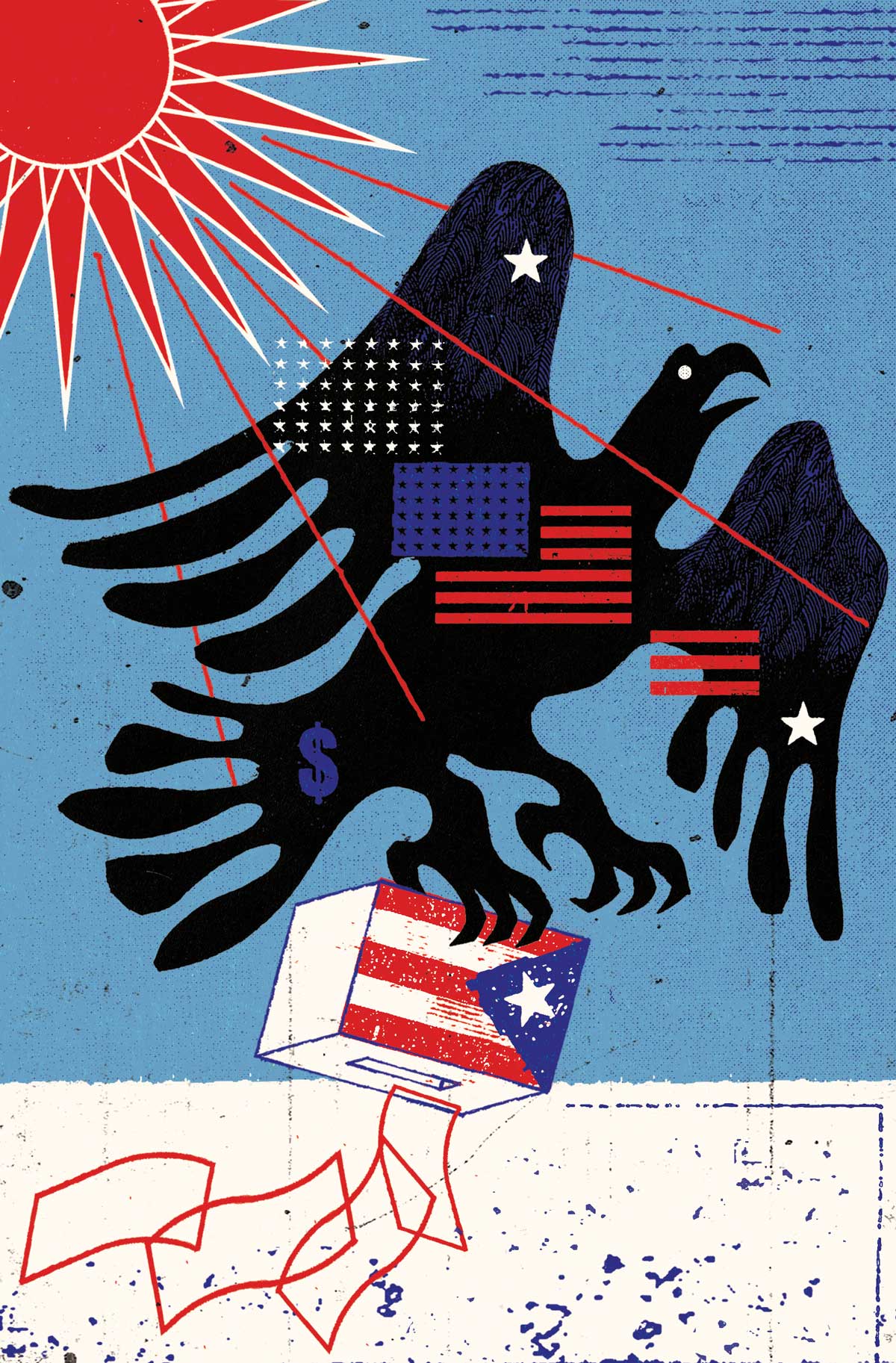
Economically, statehood is seen by many as a catalyst for growth and stability. Advocates point to the potential for increased federal funding for infrastructure projects, education, and healthcare, which could help to bridge the economic disparities that currently exist between Puerto Rico and the mainland United States. For example, access to federal programs like Medicaid and Medicare is often less generous in Puerto Rico than in the states, leading to disparities in healthcare outcomes. Statehood could rectify this, ensuring more equitable access to vital services.
Furthermore, statehood is expected to attract greater investment from U.S. businesses. The current territorial status can create uncertainty and complexity for investors. Becoming a state would simplify regulations, standardize legal frameworks, and potentially lead to a more predictable business environment. This, in turn, could stimulate job creation, boost wages, and improve the overall standard of living for Puerto Ricans.
The debate around statehood is often framed as a matter of fundamental rights. For a population that shares U.S. citizenship, the lack of full political participation and the economic disparities are seen as an inherent injustice. Supporters of statehood believe that embracing Puerto Rico as the 51st state would be a significant step towards fulfilling the ideals of equality and opportunity that are central to the American ethos.
Challenges and Counterarguments to Statehood
Despite the compelling arguments for statehood, significant challenges and counterarguments exist. One of the primary concerns revolves around the economic implications for both Puerto Rico and the United States. Critics of statehood often raise questions about Puerto Rico‘s ability to meet the fiscal requirements of statehood, including the potential for increased federal taxes. While statehood promises greater federal funding, it could also mean that Puerto Ricans would have to pay federal income taxes on all their income, a shift that could be financially burdensome for many.
Navigating the Political Landscape
The political landscape surrounding statehood is also complex. The United States has not admitted a new state since Hawaii and Alaska in 1959. The process is not simply a matter of popular vote on the island; it requires an act of Congress, which means navigating partisan politics and securing the support of a majority of U.S. lawmakers. Given the current political climate, there is no guarantee that such support would materialize.
Furthermore, there are concerns about the potential impact of adding another state, particularly one with a distinct cultural identity and language, on the existing political balance. While proponents argue that Puerto Rico would enrich the United States with its vibrant culture, others worry about the implications for representation and national unity.
Alternative Visions for Puerto Rico
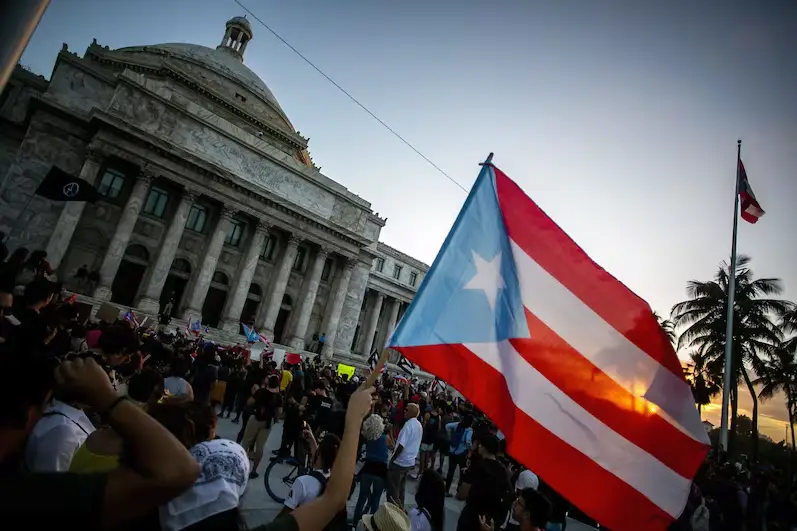
It’s also important to acknowledge that statehood is not the universally desired outcome for Puerto Ricans. As mentioned earlier, there are significant segments of the population that favor other political statuses, such as an enhanced commonwealth or outright independence. These groups often argue that statehood would lead to the erosion of Puerto Rican culture and language, and that a closer relationship with the United States does not necessarily require becoming a state. The desire for self-determination remains a powerful force, and any decision about Puerto Rico‘s future must take into account the diverse aspirations of its people. The conversation is ongoing, with each potential pathway holding its own set of promises and perils, and the ultimate resolution will undoubtedly be a defining moment in the history of both Puerto Rico and the United States.
LifeOutOfTheBox is a participant in the Amazon Services LLC Associates Program, an affiliate advertising program designed to provide a means for sites to earn advertising fees by advertising and linking to Amazon.com. Amazon, the Amazon logo, AmazonSupply, and the AmazonSupply logo are trademarks of Amazon.com, Inc. or its affiliates. As an Amazon Associate we earn affiliate commissions from qualifying purchases.