
Venturing through the sun-kissed landscapes, iconic cities, and breathtaking national parks of California often involves hitting the open road. Whether you’re planning a scenic drive along Highway 1, navigating the bustling streets of Los Angeles, or exploring wine country in Napa Valley, understanding the legal requirements for driving is paramount. The short answer to whether car insurance is required in California is an unequivocal yes. It’s not merely a recommendation; it’s a legal mandate for every driver and vehicle operating within the state’s borders. This guide will delve into the specifics of California’s auto insurance laws, helping travelers and new residents alike prepare for their journeys responsibly.
The Legal Mandate for Driving in California
California Vehicle Code Section 16020 clearly states that every driver and every owner of a motor vehicle must maintain financial responsibility for that vehicle. This financial responsibility is almost always met through automobile liability insurance. The primary purpose of this mandate is to ensure that victims of accidents caused by an insured driver receive compensation for their injuries and property damage. Without this crucial safety net, accident victims could face devastating financial burdens. For anyone planning to rent a car or drive their own vehicle across state lines into California, understanding these laws is fundamental to a smooth and legal travel experience.
Minimum Coverage Requirements
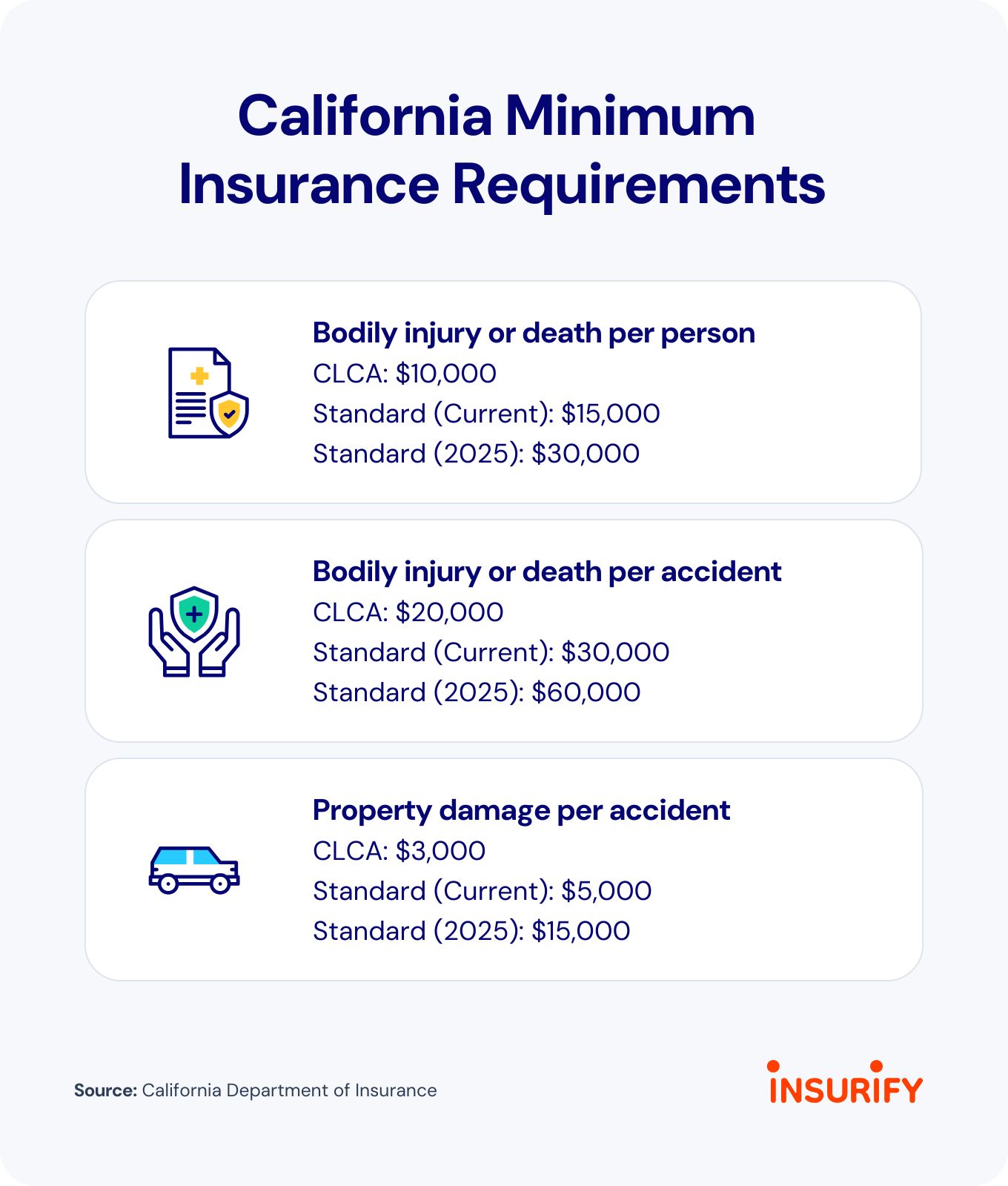
The state of California specifies minimum liability insurance requirements, often referred to as “15/30/5” coverage. These numbers represent the maximum amount your insurance company will pay out in different scenarios:
- $15,000 for injury or death to one person.
- $30,000 for injury or death to more than one person in a single accident.
- $5,000 for property damage.
It’s crucial to understand that these are minimums. While meeting these thresholds fulfills the legal requirement, many drivers, especially those with significant assets or those frequently traveling long distances, opt for higher coverage limits. An accident can easily exceed these minimums, leaving the responsible driver personally liable for the remaining costs. As a traveler, considering the potential risks and the value of peace of mind often warrants exploring options beyond the bare minimum.
Penalties for Non-Compliance
Driving without the required insurance in California carries significant penalties. If you are pulled over or involved in an accident and cannot provide proof of financial responsibility, you could face:
- Fines: Initial offenses can lead to fines ranging from several hundred dollars, which can double or triple for subsequent offenses.
- Vehicle Impoundment: Your vehicle could be impounded, incurring towing and storage fees.
- License Suspension: Your driver’s license may be suspended, preventing you from legally driving until proof of insurance is provided and reinstatement fees are paid.
- SR-22 Requirement: After a license suspension, you may be required to file an SR-22 form (proof of financial responsibility) with the Department of Motor Vehicles (DMV) for a set period, which typically results in higher insurance premiums.
These penalties are severe and can significantly disrupt travel plans or relocation efforts. For instance, a vehicle impoundment in a city like San Francisco or San Diego could mean lengthy delays and unexpected expenses, turning a relaxing trip into a logistical nightmare.
Understanding Different Types of Coverage
While the 15/30/5 liability coverage is the legal minimum, the world of car insurance offers various types of coverage designed to protect you, your vehicle, and others in different scenarios. Familiarizing yourself with these options is particularly useful when renting a car or if you’re bringing your own vehicle from out-of-state.
Liability Coverage: The Bare Minimum
As discussed, liability insurance is mandatory and covers damages you cause to other people and their property in an at-fault accident. It does not cover your own vehicle or your own medical expenses. This is divided into:
- Bodily Injury Liability: Pays for medical expenses, lost wages, and pain and suffering for the other party (or parties) involved in an accident where you are at fault.
- Property Damage Liability: Covers the cost of repairs or replacement of the other party’s vehicle or property (e.g., fences, mailboxes) damaged in an accident you caused.
For travelers, understanding these limits is important, especially when navigating areas with higher traffic density and potentially more expensive vehicles, such as Beverly Hills or Palo Alto.
Collision and Comprehensive: Protecting Your Vehicle
These coverages are optional in California but are highly recommended, especially if you own a newer car, or are renting a vehicle and want full protection.
- Collision Coverage: Pays for damage to your own vehicle resulting from a collision with another car or object, regardless of who is at fault. If you’re driving through congested areas or on unfamiliar roads, the risk of minor fender-benders increases, making this coverage valuable.
- Comprehensive Coverage: Protects your vehicle from non-collision-related incidents, such as theft, vandalism, fire, natural disasters (like wildfires common in California), or hitting an animal. For those exploring remote areas or parking in urban centers, comprehensive coverage offers reassurance against unforeseen events.
Most lenders will require both collision and comprehensive coverage if you have a car loan or lease. Rental car companies also offer similar protections, which will be discussed further.
Uninsured/Underinsured Motorist Coverage
This optional but highly recommended coverage protects you if you are involved in an accident with a driver who either has no insurance (uninsured) or not enough insurance (underinsured) to cover your damages. Given California’s high population density and the unfortunate reality of drivers without adequate coverage, this can be a lifesaver. It typically covers:
- Uninsured Motorist Bodily Injury (UMBI): Covers medical expenses, lost wages, and pain and suffering for you and your passengers if hit by an uninsured driver.
- Uninsured Motorist Property Damage (UMPD): Covers repairs to your vehicle if hit by an uninsured driver.
- Underinsured Motorist (UIM): Kicks in when the at-fault driver has some insurance, but their policy limits aren’t sufficient to cover all your damages.
This type of coverage is especially pertinent for travelers who might not be familiar with local driving habits or the incidence of uninsured drivers in specific regions they are visiting.
Options for Visitors and Temporary Residents
Navigating California’s insurance requirements as a visitor or temporary resident requires special consideration. Whether you’re renting a car, driving an out-of-state vehicle, or are an international visitor, there are specific guidelines to follow.
Rental Car Insurance
For many travelers, renting a car is the preferred way to explore California. Rental car companies offer various insurance products at the counter, which can be confusing. Here’s a breakdown:
- Collision Damage Waiver (CDW) or Loss Damage Waiver (LDW): This covers damage to the rental car itself. Your personal car insurance policy (if you have comprehensive/collision) or certain credit cards may offer similar coverage. Always check with your current provider or credit card company before you travel.
- Supplemental Liability Insurance (SLI): This provides additional liability coverage beyond the state minimums that the rental car company’s base policy might offer. This is crucial as the rental company’s included liability might be very low.
- Personal Accident Insurance (PAI): Covers medical costs for you and your passengers in an accident. Your personal health insurance or travel insurance might already cover this.
- Personal Effects Coverage (PEC): Covers personal belongings stolen from or damaged in the rental car. Your homeowner’s or renter’s insurance policy often covers this.
It’s vital to research what coverage you already have before accepting expensive rental car insurance, but ensure you are adequately covered for driving in California.
Out-of-State Policies
If you’re driving your own vehicle into California from another U.S. state, your existing car insurance policy will generally be recognized, provided it meets California’s minimum liability requirements (15/30/5). Most standard policies are written to cover you anywhere in the U.S. and Canada. However, it’s always prudent to contact your insurance provider before your trip to confirm your coverage details and ensure you understand any specific clauses related to out-of-state driving. This is especially important for extended stays, as you may eventually need to register your vehicle and acquire a California policy.
International Driver Considerations
International visitors planning to drive in California can typically do so with a valid driver’s license from their home country for up to one year. An International Driving Permit (IDP) is highly recommended, as it translates your license into multiple languages and is recognized by law enforcement. However, neither a foreign license nor an IDP exempts you from California’s mandatory insurance laws. If you rent a car, you will be offered the rental car company’s insurance products. If you purchase a vehicle, you will need to obtain a California insurance policy immediately. Some international travel insurance policies may offer auto insurance components; always verify their validity and coverage limits within the U.S.
Factors Affecting Car Insurance Premiums
Several factors influence the cost of car insurance in California. Understanding these can help you anticipate costs and potentially find ways to save, whether you’re a long-term resident or just visiting for an extended period.
Driver Profile and History
Your driving record is a primary factor. A clean record with no accidents or traffic violations will typically result in lower premiums. Younger, less experienced drivers or those with a history of infractions often face higher rates. Age, gender, and even marital status can also play a role, although California regulations limit some of these factors. Your credit score, while controversial, can also be a significant factor for many insurers, as statistically, individuals with higher credit scores tend to file fewer claims.
Vehicle Type
The make, model, year, and safety features of your vehicle heavily influence insurance costs. Expensive, high-performance, or luxury cars like those often seen cruising along Sunset Boulevard or in Malibu will generally have higher premiums due to higher repair costs and increased theft risk. Vehicles with advanced safety features may qualify for discounts.
Location within California
Where you live or primarily drive in California can significantly impact your rates. Urban areas with higher traffic density, crime rates (especially car theft), and accident statistics, such as downtown Los Angeles or Oakland, often have higher premiums than more rural or suburban areas. Even within cities, different zip codes can see varying rates.
Navigating the Insurance Landscape
Whether you’re moving to California or just passing through, understanding how to secure and maintain valid insurance is key to hassle-free travel.
Comparing Quotes
Insurance premiums can vary significantly between different providers. It is highly advisable to obtain quotes from multiple insurance companies to compare rates and coverage options. Online comparison tools can streamline this process, allowing you to quickly find competitive prices for the required coverage. Don’t just look for the lowest price; ensure the policy provides adequate protection for your specific needs and travel plans.
Proof of Insurance
Always carry proof of insurance in your vehicle. This can be a physical insurance card, a copy of your policy, or increasingly, digital proof on your smartphone. California law allows for electronic proof of insurance to be presented on a mobile electronic device. Having readily accessible proof is essential during a traffic stop or in the event of an accident.
Staying Compliant
Maintaining continuous insurance coverage is not just a one-time step; it’s an ongoing responsibility. Ensure your policy doesn’t lapse, and update your insurer about any changes, such as a new address, vehicle, or primary driver. Staying compliant ensures your journeys through California’s diverse landscapes remain safe, legal, and worry-free. From the towering redwoods of Northern California to the desert expanses near Palm Springs, having proper car insurance is your ticket to exploring everything the Golden State has to offer.
LifeOutOfTheBox is a participant in the Amazon Services LLC Associates Program, an affiliate advertising program designed to provide a means for sites to earn advertising fees by advertising and linking to Amazon.com. Amazon, the Amazon logo, AmazonSupply, and the AmazonSupply logo are trademarks of Amazon.com, Inc. or its affiliates. As an Amazon Associate we earn affiliate commissions from qualifying purchases.