
In the diverse and expansive landscape of California, owning a vehicle is often more than a convenience; it’s a fundamental aspect of navigating daily life and exploring the vast recreational opportunities the state offers. From cruising the scenic Pacific Coast Highway to venturing into the majestic Sierras or bustling urban centers like Los Angeles and San Francisco, a car provides unparalleled freedom. For many budget-conscious individuals or those seeking to maximize their financial flexibility, purchasing a salvage title car can seem like an attractive option. These vehicles typically come with a significantly lower price tag than their clean-title counterparts, freeing up funds for other lifestyle pursuits, including travel and experiences. However, the path to fully integrating a salvage title vehicle into one’s California lifestyle involves a crucial step: obtaining adequate insurance. The question “Can you insure a salvage title car in California?” delves into a complex interplay of state regulations, insurance company policies, and personal financial decisions that profoundly impact an individual’s mobility and peace of mind.
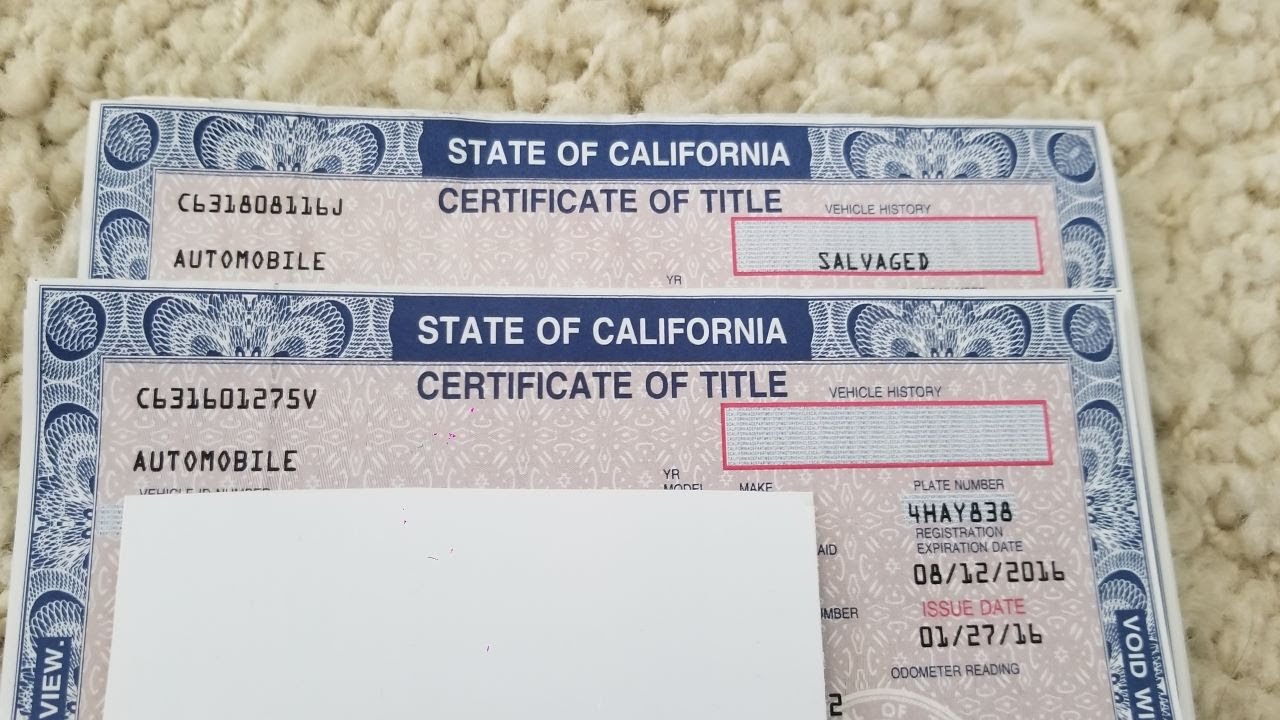
The California Salvage Title Landscape: A Lifestyle Choice
For many California residents, the decision to purchase a salvage title vehicle is deeply intertwined with their lifestyle aspirations and financial realities. It represents a pragmatic approach to vehicle ownership, allowing individuals to access transportation that might otherwise be out of reach. Understanding the nuances of a salvage title within the Golden State is the first step toward successful ownership and, critically, securing insurance.
Decoding the Salvage Title
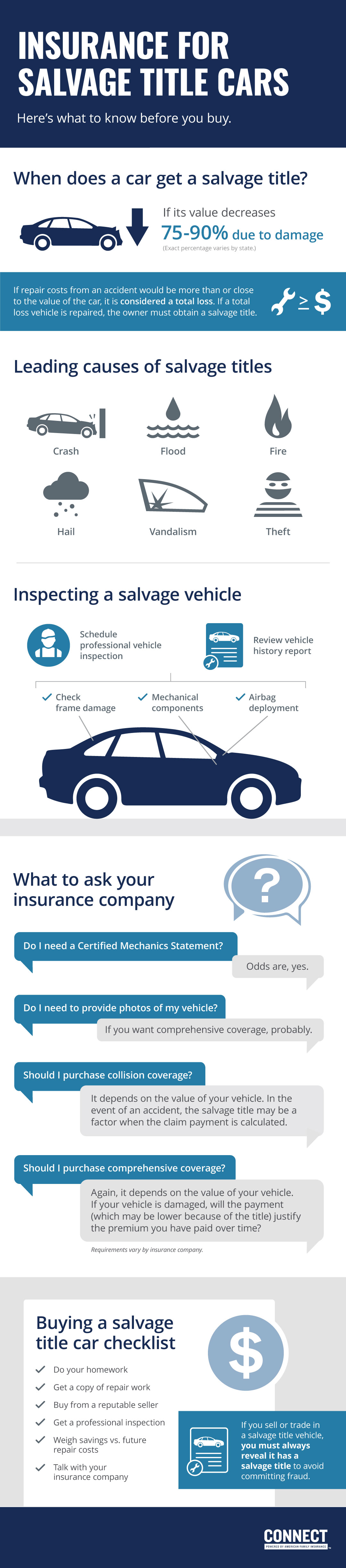
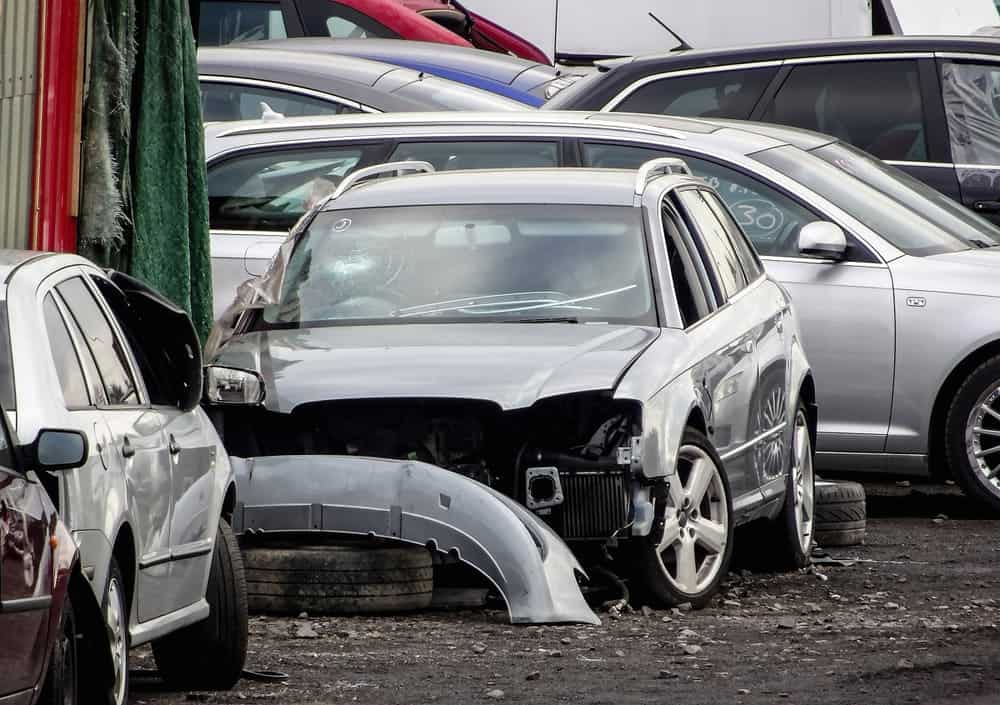
A salvage title is issued when an insurance company declares a vehicle a “total loss.” This declaration typically occurs if the cost to repair the damage (from an accident, theft, flood, or fire) exceeds a certain percentage of the vehicle’s market value, as determined by the insurer. In California, a car with a salvage title cannot be legally driven on public roads until it undergoes specific repairs and passes a rigorous inspection process to be re-titled as “revived salvage.” The allure of these vehicles lies in their substantially lower purchase price. For individuals committed to a budget-friendly lifestyle, or those with the skills and resources to perform repairs themselves, a salvage title car can be an incredibly cost-effective way to achieve personal mobility. This initial saving can then be redirected towards other lifestyle enhancements, from exploring California’s myriad attractions to investing in personal development or housing.
The Bureaucracy of Rebuilding: From Salvage to Revived
Before any insurance company will even consider providing comprehensive coverage, a salvage vehicle in California must first be made roadworthy and legally re-titled. This process involves several critical steps that owners must meticulously follow. First, all necessary repairs must be completed to restore the vehicle to a safe, operable condition. Second, the vehicle must pass a comprehensive inspection by the California Highway Patrol (CHP). This inspection verifies that the vehicle’s components meet safety standards and that stolen parts were not used in the repairs. Additionally, a Brake and Lamp Inspection certificate is required from a licensed inspection station. Once these hurdles are cleared, the owner can apply for a “revived salvage” title from the California Department of Motor Vehicles (DMV), making the car legal to register and drive. This bureaucratic journey underscores the commitment required for salvage vehicle ownership, impacting the owner’s time, financial outlay for repairs, and patience—all significant factors in one’s lifestyle. Neglecting these steps means the vehicle remains a non-operable asset, providing no mobility and thus failing its primary lifestyle purpose.
Navigating the Insurance Maze: Challenges and Coverage Options
Even after a salvage vehicle has been revived and is legally drivable, securing insurance presents its own set of challenges. Insurance companies view salvage title vehicles differently from clean title cars, influencing both the availability and cost of coverage. This reality demands a proactive and informed approach from the owner to ensure their lifestyle isn’t hampered by a lack of protection.
The Insurer’s Perspective: Why Salvage Titles are Risky
From an insurance company’s standpoint, a revived salvage vehicle carries inherent risks that make it less desirable to cover, particularly for full coverage. The primary concern is the difficulty in accurately assessing the car’s current market value, which is crucial for determining payouts in the event of a future total loss. The vehicle’s history of significant damage raises questions about its structural integrity, long-term reliability, and potential for recurring mechanical issues. Even with a CHP inspection, insurers remain wary of latent defects or hidden problems that could lead to future claims. This heightened risk perception often translates into higher premiums or, in many cases, a refusal to offer certain types of coverage. For the owner, this means additional effort in researching insurers and potentially accepting a higher financial commitment to protect their lifestyle asset.
Unpacking Your Coverage Options in California
While obtaining full coverage for a revived salvage car can be challenging, it is not impossible. All drivers in California are legally required to carry minimum liability insurance. This coverage protects other drivers and their property if you are at fault in an accident, and it is typically the easiest type of insurance to secure for a salvage title vehicle. Many insurers are willing to provide liability-only policies, ensuring that you meet state legal requirements and can legally drive your car.
The real hurdle arises with collision and comprehensive coverage, which protect your own vehicle from damage or theft. For these types of policies, insurers often require specific conditions. Many will demand a professional appraisal of the vehicle’s current market value after repairs have been completed. This appraisal helps them establish an “agreed value” for the car, which serves as the maximum payout in the event of a future total loss. Some insurers may also require an additional inspection by their own adjusters to verify the quality of repairs. Not all insurance companies offer full coverage for revived salvage titles, necessitating diligent shopping around. Specialty insurers or those with more flexible underwriting guidelines might be better equipped to handle such policies. The availability of full coverage significantly impacts a driver’s financial security and their lifestyle choices, as comprehensive protection allows for greater peace of mind when embarking on extended road trips or simply commuting daily.
Lifestyle Implications: Freedom, Finance, and Foresight
The choice to own and insure a salvage title car in California carries profound lifestyle implications, touching upon everything from personal finances to the freedom of mobility. It’s a decision that balances immediate savings against potential long-term complexities.
Budgetary Freedom vs. Financial Risk
The most immediate lifestyle benefit of a salvage title car is the substantial initial savings. A lower purchase price means more disposable income, which can be allocated to other lifestyle pursuits. This might include more frequent weekend getaways to Yosemite National Park, dining out in San Francisco, or even saving for a down payment on a home. For individuals committed to a lean financial lifestyle, a salvage vehicle can be a game-changer, providing essential transportation without a hefty car payment.
However, this budgetary freedom comes with potential financial risks. Salvage title vehicles may incur higher maintenance costs due to their previous damage. Parts might fail sooner, or underlying issues might resurface. Furthermore, depreciation on a salvage title car is typically steeper than on a clean title vehicle, making resale value significantly lower. The potential for higher insurance premiums, particularly for full coverage, also eats into the initial savings. A prudent lifestyle requires careful budgeting and a contingency fund to manage these potential higher ongoing costs, ensuring that the initial savings don’t lead to future financial strain.
Mobility and Independence in the Golden State
California is a state built for driving. Its vast distances and diverse geography make personal transportation essential for fully experiencing its rich culture and natural beauty. For those outside major urban cores with robust public transit, a car is not just convenient but often a necessity for work, errands, and social life. A well-insured salvage title car provides this vital mobility and independence, enabling access to employment opportunities, educational institutions, and recreational activities across the state. Without an insured vehicle, many facets of the quintessential California lifestyle would be inaccessible. The ability to spontaneously decide on a road trip, explore a new hiking trail, or visit friends and family across different counties is a luxury many take for granted, but it is entirely dependent on reliable, insured transportation. For the budget-conscious, a salvage title car, once properly insured, can unlock this freedom, integrating seamlessly into a lifestyle focused on exploration and connection.
Strategic Steps for Insuring Your Salvage Title Car in California
Successfully insuring a revived salvage title car in California requires a strategic, detail-oriented approach. It’s not merely about finding a policy, but about finding the right policy that protects your investment and maintains your desired lifestyle without undue financial burden.
Proactive Research and Documentation
The key to securing good insurance coverage for a salvage title vehicle lies in thorough preparation. Owners should meticulously document every step of the repair process, including receipts for all parts purchased and services rendered. Before-and-after photos of the damage and repairs are invaluable. This comprehensive documentation demonstrates to insurers that the vehicle has been professionally restored and is structurally sound. Furthermore, obtaining a professional appraisal of the car’s market value after repairs are completed is paramount, especially if you seek collision and comprehensive coverage. This appraisal provides an objective assessment of the car’s worth, giving insurers a concrete figure to base their policy on. Finally, running a detailed vehicle history report from services like CarFax or AutoCheck can provide transparent information about the car’s past, which you can then use to address any insurer concerns proactively. These steps not only bolster your case for insurance but also contribute to a more informed and responsible ownership lifestyle.
Comparing Insurers and Policies
Not all insurance providers are created equal when it comes to salvage title vehicles. Some major insurers may outright refuse full coverage, while others might offer it with significant stipulations or at a premium. Therefore, it is crucial to shop around and get multiple quotes. Start by contacting smaller, independent insurance agencies or those specializing in “high-risk” policies. These companies often have more flexible underwriting guidelines and may be more willing to work with salvage title owners. When comparing policies, don’t just look at the premium. Inquire specifically about how the insurer handles total loss claims for salvage vehicles, what valuation methods they use, and if they offer “agreed value” policies. An agreed-value policy is particularly beneficial for salvage cars, as it stipulates the exact amount you will receive if the vehicle is deemed a total loss again, avoiding disputes over market value. This clarity in coverage is vital for financial planning and maintaining peace of mind, essential elements of a stable lifestyle.
Maintaining Value and Reliability
Beyond the initial insurance hurdle, the long-term lifestyle implications of a salvage title car hinge on its ongoing reliability and value retention. Regular, preventative maintenance is more critical for these vehicles than for clean title cars. Keeping detailed service records will not only help maintain the car’s operational integrity but also serve as additional documentation should you ever need to make another insurance claim or decide to sell the vehicle. Addressing minor issues promptly prevents them from escalating into costly repairs that could jeopardize your budget or even the vehicle’s roadworthiness. While a salvage title will always affect resale value, diligent maintenance and a complete service history can mitigate some of that depreciation. For the owner committed to a sustainable and informed lifestyle, these practices ensure that their vehicle remains a dependable asset, supporting their mobility and contributing positively to their overall financial well-being within California.
LifeOutOfTheBox is a participant in the Amazon Services LLC Associates Program, an affiliate advertising program designed to provide a means for sites to earn advertising fees by advertising and linking to Amazon.com. Amazon, the Amazon logo, AmazonSupply, and the AmazonSupply logo are trademarks of Amazon.com, Inc. or its affiliates. As an Amazon Associate we earn affiliate commissions from qualifying purchases.