
The question of whether Chicago resides within the East Coast is a geographical and cultural one that sparks lively debate, particularly among those familiar with the distinct identities of American regions. While geographically Chicago is definitively located in the Midwest, its cultural and economic ties, along with a perception of its significance in the national landscape, sometimes lead to its informal inclusion in broader discussions that encompass the “East Coast” corridor. Understanding the nuances of regional definitions in the United States requires looking beyond simple map coordinates and considering historical development, economic influence, and shared cultural touchstones.
Defining the East Coast: A Geographical and Cultural Mosaic
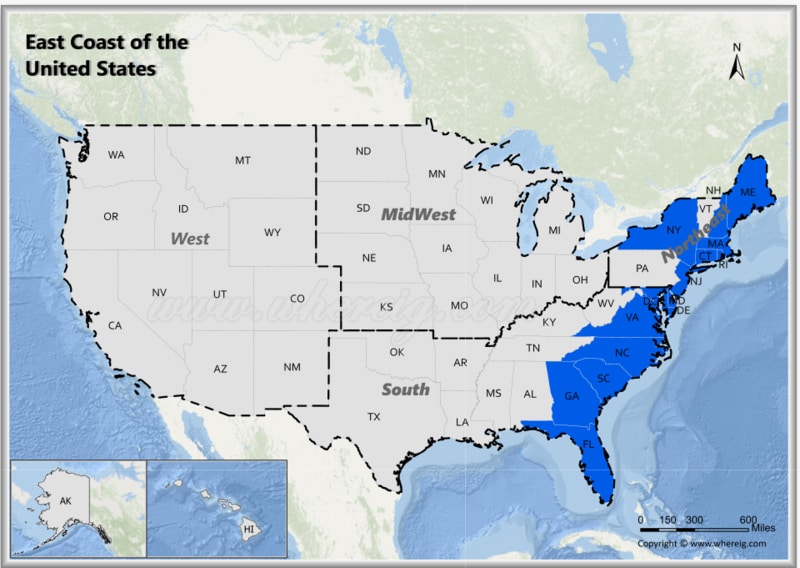
The East Coast of the United States is generally understood to encompass the states that border the Atlantic Ocean, stretching from Maine in the north down to Florida in the south. This broad definition includes historical powerhouses like Massachusetts, New York, and Pennsylvania, alongside the nation’s capital, Washington, D.C.. These areas share a deep historical connection, having been the original thirteen colonies and the cradle of American independence.
Historical Significance and Settlement Patterns
The East Coast was the primary point of European settlement in North America. Cities like Boston, Philadelphia, and New York City were founded in the colonial era and rapidly developed into major centers of trade, commerce, and governance. This early establishment of infrastructure and influence cemented their status as foundational pillars of the nation. The narrative of early American history is intrinsically linked to these coastal cities, and their historical importance continues to shape their cultural identity and global recognition.
Economic Powerhouses and Global Connections
The economic landscape of the East Coast is characterized by its global financial centers, bustling ports, and diverse industries. New York City, in particular, is a preeminent global financial capital, influencing markets worldwide. Other major economic hubs like Boston (technology and education) and Philadelphia (healthcare and manufacturing) contribute significantly to the national economy. The region’s extensive port systems facilitate international trade, reinforcing its connection to global economic currents.
Cultural Identity and Perceptions
Culturally, the East Coast is often associated with a particular pace of life, a directness in communication, and a rich tapestry of historical sites and cultural institutions. The distinct accents, the dense urban environments, and the sheer concentration of world-class museums, theaters, and universities contribute to a recognizable regional identity. While diverse, there’s a shared consciousness among its inhabitants regarding their proximity to the Atlantic and their role in the nation’s historical and economic narrative.
Chicago: The Jewel of the Midwest
Chicago, situated on the southwestern shores of Lake Michigan, is unequivocally a Midwestern metropolis. Its identity is forged by its vast prairie landscape, its industrial heritage, and its unique brand of Midwestern hospitality. While it may not physically border the Atlantic, its influence and significance in the United States are undeniable, leading to its sometimes being considered in broader, less geographically precise, contexts.
Geographical Placement: The Heart of the Continent
Geographically, Chicago is located in Illinois, a state firmly entrenched in the Midwest region. This area is characterized by its fertile farmlands, its role as a transportation hub, and its distinct cultural sensibilities that differ from those found on the East Coast. The flatness of the terrain, the proximity to the Great Lakes, and the historical development tied to westward expansion all contribute to its Midwestern identity.
Economic Strength and Transportation Nexus
Chicago is a major economic engine for the United States. It serves as a crucial transportation nexus, boasting the busiest airport in the world by traffic volume for a period, O’Hare International Airport, and serving as a central hub for freight and passenger rail. Its financial district is a significant player, and the city is a leader in sectors such as manufacturing, technology, and finance. This economic vitality means that Chicago has strong connections to all regions of the country, including the East Coast, but these are ties of commerce and connectivity, not geographical contiguity.

Midwestern Culture and Distinctive Charm
The culture of Chicago is a unique blend of robust urban life and a grounded, friendly demeanor often associated with the Midwest. The city is renowned for its architectural marvels, its vibrant arts scene, its deep-dish pizza, and its passionate sports fan base. While it possesses a cosmopolitan flair, it maintains a sense of community and accessibility that resonates with its Midwestern roots. This is a stark contrast to the perceived fast-paced, sometimes more reserved, nature often attributed to major East Coast cities.
The Perception vs. The Reality: Why the Confusion?
The notion that Chicago might be considered part of the “East Coast” often stems from a conflation of geographical location with national prominence or perceived cultural proximity. In discussions about major American cities, their economic impact, or their cultural influence, the distinction between geographical regions can sometimes blur, especially when discussing a city of Chicago’s stature.
National Importance and Interconnectedness
Chicago is undeniably one of the most important cities in the United States. Its economic clout, its role as a transportation hub, and its significant population mean it is deeply interconnected with other major urban centers, including those on the East Coast. This interconnectedness, facilitated by air travel and digital communication, can sometimes lead to a perception of shared regional identity, even when geographically disparate.
Media Portrayals and National Narratives
Media portrayals and national narratives often highlight major cities as representatives of American life. When discussing national trends, economic indicators, or cultural phenomena, Chicago is frequently featured alongside cities like New York and Los Angeles. This consistent presence in national discourse, without always a strict adherence to geographical boundaries, might contribute to a loose association with the more prominent coastal regions.
The “Flyover Country” Phenomenon
Conversely, sometimes the term “East Coast” is used colloquially to represent the more established, historically significant, and often perceived “center” of American influence, in contrast to what is sometimes dismissively termed “flyover country.” In this informal, often pejorative, usage, a city of Chicago’s caliber might be mentally grouped with other major urban areas that are not on the immediate periphery of the continental landmass. However, this perception ignores Chicago’s unique Midwestern identity and its pivotal role as a gateway to the American West.
Traveling Between Regions: Bridging the Divide
For travelers, understanding the distinct characteristics of the East Coast and the Midwest, with Chicago as its vibrant representative, enhances the appreciation of the United States’ rich regional diversity. The travel experience from, say, Boston to Chicago is not just a matter of miles but a transition between different cultural landscapes, architectural styles, culinary traditions, and even conversational rhythms.
The Journey and Its Revelations
Traveling from the East Coast to Chicago often involves a significant shift in scenery and atmosphere. The dense, historical urban fabric of cities like New York or Philadelphia gives way to the expansive plains and the impressive skyline of the “Windy City.” This transition highlights the vastness and diversity of the American continent.

Experiencing Distinct American Identities
Each region offers a unique travel experience. The East Coast beckons with its historical landmarks such as Independence Hall in Philadelphia or the Freedom Trail in Boston, its world-renowned museums, and its vibrant, fast-paced urban centers. In contrast, Chicago offers iconic architecture like the Willis Tower, world-class museums like the Art Institute of Chicago, and a thriving culinary scene that, while featuring a distinct deep-dish pizza, also boasts Michelin-starred restaurants and diverse global cuisines. The interactions with locals also tend to differ; the directness often associated with the East Coast gives way to a more approachable, perhaps more leisurely, interaction in Chicago.
In conclusion, while Chicago is a global city with profound national influence and strong connections to all parts of the United States, including the East Coast, it is geographically and culturally a proud representative of the Midwest. Its inclusion in discussions about the “East Coast” is more a reflection of its national significance than a literal geographical classification. Understanding this distinction enriches our appreciation of the diverse and multifaceted tapestry that is the United States.
LifeOutOfTheBox is a participant in the Amazon Services LLC Associates Program, an affiliate advertising program designed to provide a means for sites to earn advertising fees by advertising and linking to Amazon.com. Amazon, the Amazon logo, AmazonSupply, and the AmazonSupply logo are trademarks of Amazon.com, Inc. or its affiliates. As an Amazon Associate we earn affiliate commissions from qualifying purchases.