
Chicago, often lauded as the “Windy City,” is a vibrant metropolis celebrated for its stunning architecture, world-class museums, deep-dish pizza, and an undeniable cultural richness that draws millions of visitors each year. For those considering a more permanent move, however, a fundamental question often arises: Is Chicago safe to live in? This query, driven by headlines and popular perception, is complex, deserving of a nuanced exploration that delves beyond superficial judgments. As a premier destination in the United States, understanding the daily realities and safety landscape of Chicago is crucial for anyone contemplating calling this dynamic city home. This guide aims to provide an insightful, balanced perspective, equipping prospective residents with the information needed to make an informed decision.

Understanding Chicago’s Urban Landscape and Its Safety Dynamics
To truly grasp the safety profile of Chicago, one must first appreciate its sheer scale and the incredible diversity within its urban fabric. Chicago is not a monolithic entity; it’s a mosaic of over 200 distinct neighborhoods, each with its own character, demographics, and indeed, its own safety considerations. Generalizing the entire city based on isolated incidents or specific areas would be akin to judging an entire book by a single page.
The City’s Diverse Character
From the bustling financial district of The Loop to the leafy, historic streets of Lincoln Park and the vibrant, artistic enclaves like Wicker Park, Chicago offers an unparalleled spectrum of living environments. Areas like Gold Coast and Streeterville are renowned for their luxury high-rises, upscale boutiques, and generally very low crime rates, reflecting a standard of safety comparable to many affluent urban centers globally. Conversely, some neighborhoods on the South and West Sides have historically struggled with higher rates of violent crime, largely driven by complex socio-economic factors, gang activity, and systemic issues that are unfortunately common in many large American cities.
It’s important to understand that these challenges are often highly localized, rarely impacting the vast majority of residents or visitors in the city’s popular downtown areas or desirable residential neighborhoods. The experience of living in Chicago is largely determined by where one chooses to reside and the precautions one takes, much like any other major urban destination. The city’s geography, bordered by the expansive Lake Michigan to the east, also shapes its layout and the flow of its communities, with many sought-after residential areas extending northward along the lakefront.
Navigating Chicago’s Neighborhoods
For prospective residents, understanding the nuances of individual neighborhoods is paramount. A neighborhood-centric approach to evaluating safety provides a far more accurate picture than city-wide statistics alone. For instance, families often gravitate towards areas like Lincoln Park, Lakeview, or Andersonville, known for their excellent schools, parks, and strong community feel, all of which contribute to a perception and reality of safety. Young professionals might prefer the dynamic energy of West Loop or River North, where residential buildings are integrated with thriving restaurant and entertainment scenes, again, areas generally considered very safe for daily living and nighttime activities.
Even within areas that may have a higher statistical crime rate, pockets of vibrant, safe communities exist. For example, Hyde Park, home to the prestigious University of Chicago, is a diverse and intellectually rich community on the South Side that benefits from its own robust security measures and a strong local identity, making it a desirable and generally safe place for its residents and students. Therefore, personal research into specific blocks and community experiences becomes invaluable for anyone planning a move.
Deciphering Safety Statistics and Public Safety Initiatives
News reports often highlight crime statistics from large cities, and Chicago is no exception. However, understanding these statistics in context is vital to avoid undue alarm and gain a realistic perspective on the city’s safety.
Beyond the Headlines: What the Data Says
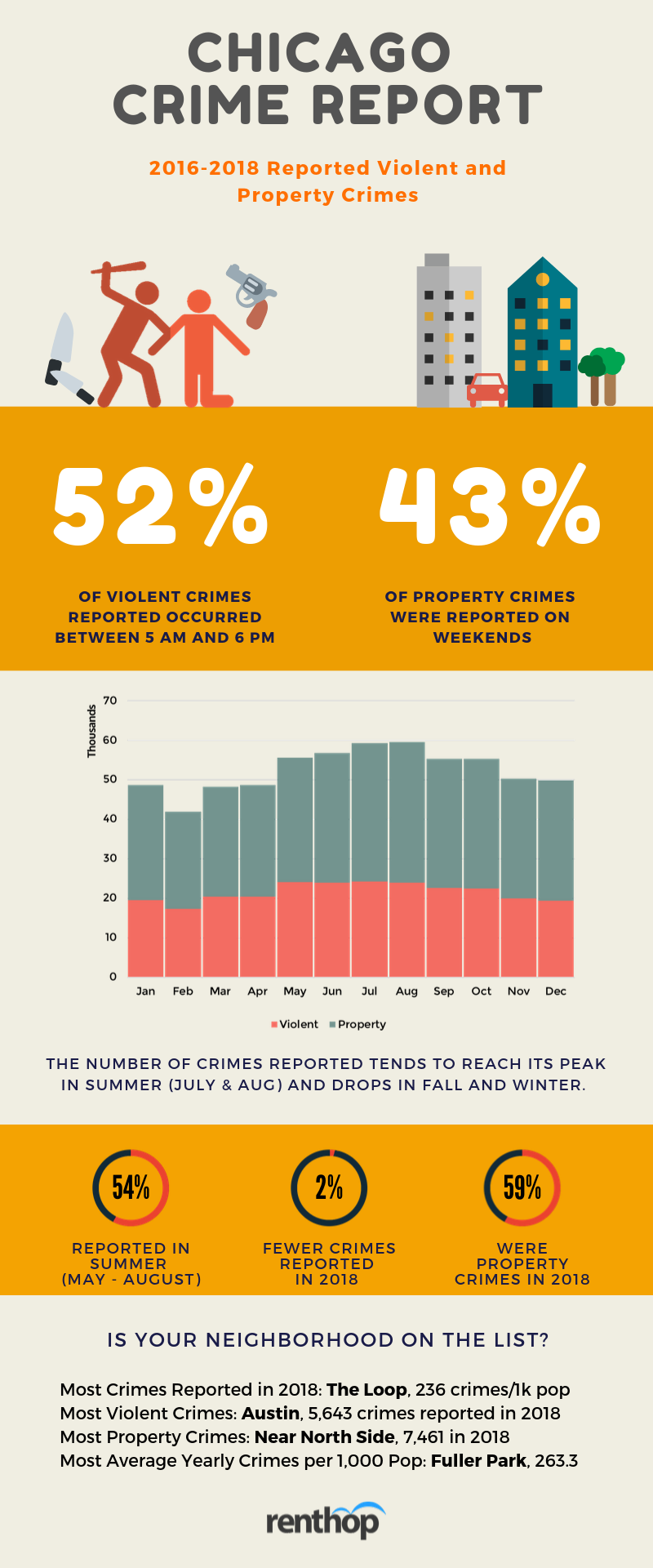
It’s true that Chicago, like many major urban centers in the United States, has grappled with elevated crime rates in recent years, particularly in specific categories such as homicides and shootings. These incidents, while tragic, are often concentrated in very specific geographical areas and frequently involve individuals known to each other, rather than random acts of violence against the general public or tourists in the city’s primary residential and commercial zones. Statistical analysis consistently shows that the vast majority of violent crime occurs in a small percentage of the city’s neighborhoods.
Furthermore, when comparing Chicago’s crime rates to other large cities, it’s essential to consider population density and the methodologies used for data collection. While raw numbers can seem high, per capita rates often paint a more nuanced picture. Non-violent crimes, such as property theft or petty larceny, are more common and are issues faced by residents of virtually every major city worldwide. Awareness and common-sense precautions are generally sufficient to mitigate these risks.
Public Safety Initiatives and Resources
The city of Chicago and the state of Illinois are actively engaged in multifaceted approaches to enhance public safety. The Chicago Police Department (CPD) has implemented various strategies, including community policing initiatives, data-driven deployment of resources, and efforts to address the root causes of violence. Collaboration with community organizations, non-profits, and academic institutions is also a key component of the city’s long-term strategy for violence reduction and prevention.
Beyond law enforcement, Chicago boasts a robust network of safety resources. Neighborhood watch programs are active in many communities, fostering resident engagement and shared responsibility for local safety. The city’s extensive public transportation system, the CTA, also prioritizes rider safety through visible security presence, surveillance, and emergency call buttons. Understanding and utilizing these resources can significantly contribute to a sense of security for residents.
Practical Advice for Prospective Residents
Moving to a new city, particularly one as large and dynamic as Chicago, requires careful planning and an informed approach to personal safety. By adopting sensible precautions and leveraging local knowledge, new residents can navigate the city confidently.
Choosing the Right Community
The single most impactful decision for safety in Chicago is selecting the right neighborhood. Future residents should:
- Research extensively: Use online resources, crime mapping tools, and community forums.
- Visit in person: Spend time in prospective neighborhoods at different times of day and night. Observe the street activity, lighting, and general atmosphere.
- Talk to locals: Engage with current residents to gain firsthand insights into their experiences and perceptions of safety.
- Consider proximity to amenities and transport: Easy access to public transportation (CTA buses and trains) and well-lit commercial areas often correlates with higher safety and convenience.
Living near major attractions like Millennium Park, the Art Institute of Chicago, or the bustling Magnificent Mile typically means being in areas with significant police presence and tourist activity, which generally contributes to a sense of security.
Day-to-Day Safety Practices
Once settled, adopting smart urban living practices is key:
- Situational awareness: Be aware of your surroundings, especially when walking alone or at night. Avoid distractions like constantly looking at your phone.
- Public transportation safety: While generally safe, be mindful during off-peak hours. Sit near the driver or other passengers, and trust your instincts.
- Secure your home: Invest in good locks, and consider home security systems, especially in ground-level units.
- Avoid displaying wealth: Try not to overtly display expensive jewelry, electronics, or large amounts of cash.
- Nighttime travel: Utilize rideshares or taxis when traveling late at night, particularly if you are unfamiliar with an area. Walking with a friend is always safer.
- Trust your gut: If a situation or an area feels off, it probably is. Change your route or remove yourself from the situation.
Chicago as a Livable Destination: Quality of Life Factors
Beyond the statistics, the overall quality of life in Chicago is a significant draw, contributing to its status as a desirable place to live. The city offers an exceptional array of cultural, recreational, and economic opportunities that enrich the daily lives of its residents.
Community Engagement and Support
Many Chicago neighborhoods boast incredibly strong community ties. Local festivals, farmers’ markets, park events, and neighborhood associations create vibrant social fabrics where residents look out for one another. This sense of community often translates into safer environments, as engaged residents are more likely to participate in local safety initiatives and report suspicious activity. The spirit of resilience and mutual support is palpable throughout the city, fostering an environment where newcomers can find their place and contribute.
Cultural Riches and Urban Amenities
Chicago’s offerings are unparalleled. From its world-class dining scene, spanning Michelin-starred restaurants to beloved neighborhood eateries, to its deep roots in jazz and blues music, there is always something to explore. The city is home to numerous museums, theaters, and performing arts venues. Its extensive park system, including the iconic Lincoln Park Zoo and hundreds of smaller green spaces, provides ample opportunities for outdoor recreation. These amenities, combined with a robust job market in sectors like finance, technology, and healthcare, paint a picture of a city where the benefits of urban living are abundant and accessible, enhancing the overall lifestyle experience for its residents.

Making an Informed Decision about Living in Chicago
Ultimately, the question “Is Chicago safe to live in?” doesn’t have a simple yes or no answer. Like any major city, it presents its challenges, but it also offers immense rewards. For those who approach it with diligence, research, and a commitment to smart urban living, Chicago is a remarkably vibrant, culturally rich, and incredibly livable destination. The key lies in understanding its diverse landscape, choosing a community that aligns with personal safety preferences, and adopting practical habits to ensure peace of mind.
By focusing on specific neighborhoods, leveraging available public safety resources, and engaging with the community, prospective residents can confidently navigate this magnificent city. Chicago continues to evolve, with ongoing efforts to improve safety and quality of life for all its inhabitants. For many, the profound sense of community, the endless opportunities for personal and professional growth, and the sheer beauty of the city far outweigh any perceived risks, making it a truly exceptional place to call home.
LifeOutOfTheBox is a participant in the Amazon Services LLC Associates Program, an affiliate advertising program designed to provide a means for sites to earn advertising fees by advertising and linking to Amazon.com. Amazon, the Amazon logo, AmazonSupply, and the AmazonSupply logo are trademarks of Amazon.com, Inc. or its affiliates. As an Amazon Associate we earn affiliate commissions from qualifying purchases.