
The allure of Napa Valley, with its rolling vineyards, world-class wineries, and gourmet dining, is undeniable for anyone visiting or residing in California. Often synonymous with fine wine and unparalleled culinary experiences, this renowned region draws millions of visitors annually. For many, the gateway to this idyllic wine country is the vibrant city of San Francisco. The question of “how far” isn’t merely about mileage; it encompasses travel time, accessibility, and the overall journey experience. Understanding the distance and various transportation options is crucial for planning an unforgettable escape from the urban energy of San Francisco to the serene landscapes of Napa Valley.

The Proximity and Allure of Napa Valley
Napa Valley is not just a destination; it’s an experience, a lifestyle, and a significant cultural landmark. Its relatively close proximity to a major metropolitan hub like San Francisco makes it an incredibly popular choice for day trips, weekend getaways, and extended vacations.
Geographical Overview: San Francisco to Napa Valley
Geographically, Napa Valley lies to the northeast of San Francisco. The journey typically involves traversing across one of the iconic San Francisco Bay Area bridges, such as the Golden Gate Bridge or the Bay Bridge, before heading north. The heart of Napa Valley — the city of Napa itself — serves as a primary entry point, though the valley stretches further north, encompassing charming towns like Yountville, St. Helena, and Calistoga. This proximity means that while you feel a world away once immersed in the vineyards, the journey itself is manageable and part of the adventure.
Why Napa Valley Beckons
The appeal of Napa Valley extends far beyond its celebrated wines. It’s a region that seamlessly blends natural beauty with sophisticated hospitality. Visitors are drawn to the picturesque landscapes, the warm Mediterranean climate ideal for grape growing, and the opportunity to delve into the intricate process of winemaking. Beyond the wineries, Napa Valley boasts an impressive roster of Michelin-starred restaurants, luxurious resorts, art galleries, and boutique shops. It offers a slower pace of life, a chance to unwind, and an indulgence in sensory pleasures, making it a perfect antidote to the fast-paced urban environment of San Francisco.
Calculating Your Journey: Distance and Drive Time
Pinpointing the exact distance and travel time from San Francisco to Napa Valley can vary depending on your specific starting point in San Francisco and your intended destination within the expansive Napa Valley region. However, a general estimate provides a clear picture.
The Direct Route: Miles and Minutes
On average, the drive from downtown San Francisco to the city of Napa, which marks the southern gateway to the valley, is approximately 50 to 60 miles (80 to 97 kilometers). Under ideal driving conditions, this journey can take roughly 1 hour to 1 hour and 30 minutes.
If your destination is further north in the valley, such as Yountville, St. Helena, or Calistoga, you’ll add an additional 15 to 45 minutes to your travel time, extending the total drive to between 1 hour 30 minutes and 2 hours, covering a distance of up to 75 miles (120 kilometers).
Factors Influencing Travel Duration
Several factors can significantly impact your actual travel time:
- Traffic: This is arguably the most crucial variable. The San Francisco Bay Area is notorious for its traffic congestion, especially during peak commute hours.
- Time of Day/Week: Traveling during weekday mornings (6 AM – 9 AM) and evenings (3 PM – 7 PM) will almost certainly add considerable time to your journey. Weekends can also see increased traffic, particularly on major arteries leading out of San Francisco and into Napa Valley.
- Route Taken: While most GPS systems will suggest the fastest route, there are slight variations. The common routes involve crossing the Golden Gate Bridge (via Highway 101 North) or the Bay Bridge (via Interstate 80 East, then Highway 37 West to Highway 29 North). Each route can have varying levels of congestion depending on the day.
- Road Closures or Construction: Less common, but unexpected delays can occur due to roadwork or unforeseen incidents.
Peak Travel Times and Traffic Considerations
To minimize delays, it is highly recommended to plan your travel during off-peak hours. This usually means departing San Francisco before 7 AM or after 10 AM on weekdays, and after 7 PM. On weekends, an early start (before 9 AM) is generally advisable to avoid the rush of fellow travelers heading to wine country. Returning to San Francisco should also be strategized, with departures from Napa Valley before 4 PM or after 7 PM being ideal. Always check real-time traffic conditions using GPS navigation apps before embarking on your journey.
Transportation Options: Navigating Your Way to Wine Country
The journey to Napa Valley offers a spectrum of transportation choices, catering to different preferences, budgets, and group sizes. Each option presents unique advantages, influencing not just your travel time but also your overall experience.
Driving: Flexibility and Scenic Routes
Driving is by far the most popular option for reaching Napa Valley from San Francisco, offering unmatched flexibility and the freedom to explore the valley at your own pace.
- Rental Cars: If you don’t have your own vehicle, renting a car is a straightforward solution. Numerous rental agencies are available throughout San Francisco and at San Francisco International Airport (SFO) or Oakland International Airport (OAK). This allows you to navigate directly to wineries, restaurants, and attractions without relying on external schedules. Keep in mind that many wineries require reservations, and having a designated driver is crucial for wine tasting.
- Ride-Sharing Services (Uber, Lyft): Uber and Lyft are readily available for one-way trips to Napa Valley. While convenient for getting there, finding a return ride from a remote winery can sometimes be challenging or costly, especially if surge pricing is in effect. It’s often more practical to use these for shorter intra-valley travel once you’ve arrived, or as part of a pre-arranged round-trip package.
Public Transportation: A Greener Approach
While not as direct as driving, a combination of public transport options can get you to Napa Valley, offering a more relaxed and eco-friendly journey.
- BART to Vallejo + Vine Transit: You can take BART (Bay Area Rapid Transit) from various stations in San Francisco to the El Cerrito del Norte station. From there, transfer to a Vine Transit Route 29 bus, which offers direct service to the city of Napa and extends further into the valley. This option can take significantly longer (2.5 to 3+ hours) but is budget-friendly.
- Golden Gate Ferry to Vallejo + Vine Transit: For a scenic start to your trip, consider taking the Golden Gate Ferry from San Francisco’s Ferry Building or Pier 41 to Vallejo. The ferry ride itself offers stunning views of San Francisco Bay and lasts about an hour. Upon arrival in Vallejo, you can connect to the Vine Transit bus system directly to Napa. This combined approach is charming but also takes considerable time.
Guided Tours: Convenience and Expertise
For those who prefer a hassle-free experience without the worry of driving or navigating, numerous tour operators offer guided excursions from San Francisco to Napa Valley.
- Small Group Tours: These tours typically include transportation in a comfortable van or mini-coach, visits to several curated wineries, and often a lunch stop. They handle all the logistics, allowing you to relax and enjoy the tastings.
- Private Charters: For a more personalized experience, private car services and limousine companies offer bespoke tours. This is ideal for groups or couples seeking luxury and the flexibility to customize their itinerary, with a professional driver to handle all the driving and navigation.
Luxury Options: Helipads and Private Drivers
For a truly exclusive and time-efficient journey, helicopter transfers are available, dramatically cutting travel time to around 20-30 minutes. While significantly more expensive, they offer unparalleled aerial views of the Bay Area and Napa Valley. Alternatively, high-end private drivers provide door-to-door service in luxury vehicles, ensuring comfort and convenience throughout your trip.
Planning Your Napa Valley Experience
Beyond simply getting there, how you plan your visit to Napa Valley can profoundly impact your enjoyment. Consideration of duration, packing, and itinerary optimization is key.
Day Trip vs. Overnight Stay
- Day Trip: A day trip is feasible for visiting 2-3 wineries, especially if focusing on the southern part of the valley (e.g., Napa or Yountville). It requires careful planning to maximize time and account for travel. It’s an excellent option for a quick taste of wine country.
- Overnight Stay: To truly immerse yourself in the Napa Valley experience, an overnight stay or a multi-day visit is highly recommended. This allows for more leisurely winery visits, enjoying evening dining experiences, exploring different towns like St. Helena or Calistoga, and relaxing without the rush of a return journey. Accommodations range from luxurious resorts and boutique hotels to charming bed and breakfasts.
Essential Packing Tips
Regardless of the length of your stay, a few packing essentials will enhance your trip:
- Comfortable Shoes: You’ll likely be walking through vineyards, cellars, and charming towns.
- Layers of Clothing: Napa Valley weather can vary significantly throughout the day, with cool mornings, warm afternoons, and crisp evenings.
- Sun Protection: Hat, sunglasses, and sunscreen are crucial, especially when exploring outdoors.
- Water Bottle: Stay hydrated, particularly if you’re wine tasting.
- Camera: To capture the stunning landscapes and memorable moments.
- Reservations: Many popular wineries and restaurants require advance bookings, especially on weekends.
Maximizing Your Wine Country Visit
To make the most of your time, consider these tips:
- Pace Yourself: Limit your winery visits to 3-4 per day to truly appreciate each experience without feeling rushed.
- Focus on a Region: Instead of trying to cover the entire valley, focus on one area (e.g., Highway 29 corridor or Silverado Trail) to minimize driving between tastings.
- Book in Advance: Wineries, especially the smaller, more exclusive ones, often require appointments.
- Eat Well: Pair your wine tastings with meals. Many wineries offer food pairings, or you can enjoy the region’s renowned culinary scene.
- Stay Hydrated: Drink plenty of water between tastings.
- Designate a Driver: If self-driving, ensure a sober driver is appointed for safety.
Beyond the Vineyards: Exploring Napa’s Charms
While wine is undoubtedly the star, Napa Valley offers a rich tapestry of experiences that extend beyond the tasting room.
Culinary Delights and Gastronomic Experiences
Napa Valley is a culinary mecca, home to some of the world’s most acclaimed restaurants. From Michelin-starred establishments offering elaborate tasting menus to charming bistros serving farm-to-table cuisine, the dining scene here rivals any major city. Visitors can explore local farmers’ markets, take cooking classes, or indulge in gourmet picnics amidst the vineyards. The commitment to fresh, local ingredients is a hallmark of Napa Valley cuisine, complementing its exceptional wines.
Arts, Culture, and Outdoor Activities
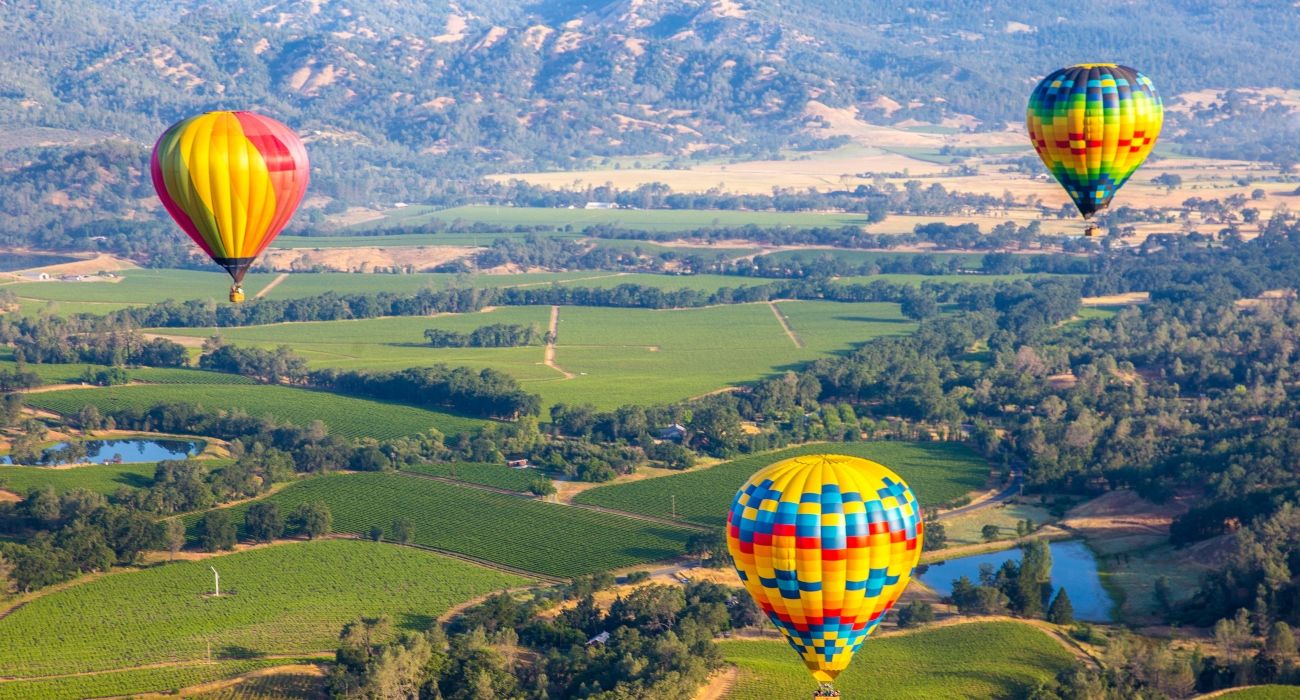
Beyond food and wine, Napa Valley provides a wealth of cultural and recreational activities. Art galleries showcasing local and international artists are prevalent, particularly in towns like Yountville and St. Helena. For outdoor enthusiasts, options include hot air balloon rides over the vineyards at sunrise, cycling along picturesque country roads, hiking in state parks, or kayaking on the Napa River. A visit to the historic Napa Valley Wine Train offers a unique way to experience the scenery and fine dining.

Accommodations in Napa Valley
If opting for an overnight stay, Napa Valley offers a diverse range of accommodations to suit every taste and budget. You can find luxurious resorts with spas and golf courses, boutique hotels nestled in charming towns, private vacation rentals, and cozy bed and breakfasts. Each offers a unique ambiance, allowing visitors to extend their immersive experience in this world-class destination. Whether seeking ultimate indulgence or a quaint retreat, the lodging options ensure your stay in Napa Valley is as comfortable and memorable as the journey there.
In conclusion, the distance from San Francisco to Napa Valley is easily traversable, typically taking 1 to 2 hours by car. While the mileage is modest, the transformation from urban landscape to serene wine country is profound. With careful planning and consideration of transportation options, a trip to Napa Valley from San Francisco promises an enriching and delightful escape into the heart of California’s most celebrated wine region.
LifeOutOfTheBox is a participant in the Amazon Services LLC Associates Program, an affiliate advertising program designed to provide a means for sites to earn advertising fees by advertising and linking to Amazon.com. Amazon, the Amazon logo, AmazonSupply, and the AmazonSupply logo are trademarks of Amazon.com, Inc. or its affiliates. As an Amazon Associate we earn affiliate commissions from qualifying purchases.