
For anyone contemplating a journey to the Sunshine State, understanding the local climate isn’t just a matter of curiosity; it’s a fundamental pillar of effective travel planning. Florida’s weather is as diverse and dynamic as its landscapes, influencing everything from what to pack to the best time to visit its world-famous attractions. While a real-time forecast is always best sourced from current meteorological data, this comprehensive guide will equip you with the insights needed to interpret that forecast through a traveler’s lens, ensuring your trip aligns perfectly with your desired experiences, whether you’re chasing sun-drenched beaches or exploring vibrant cityscapes.
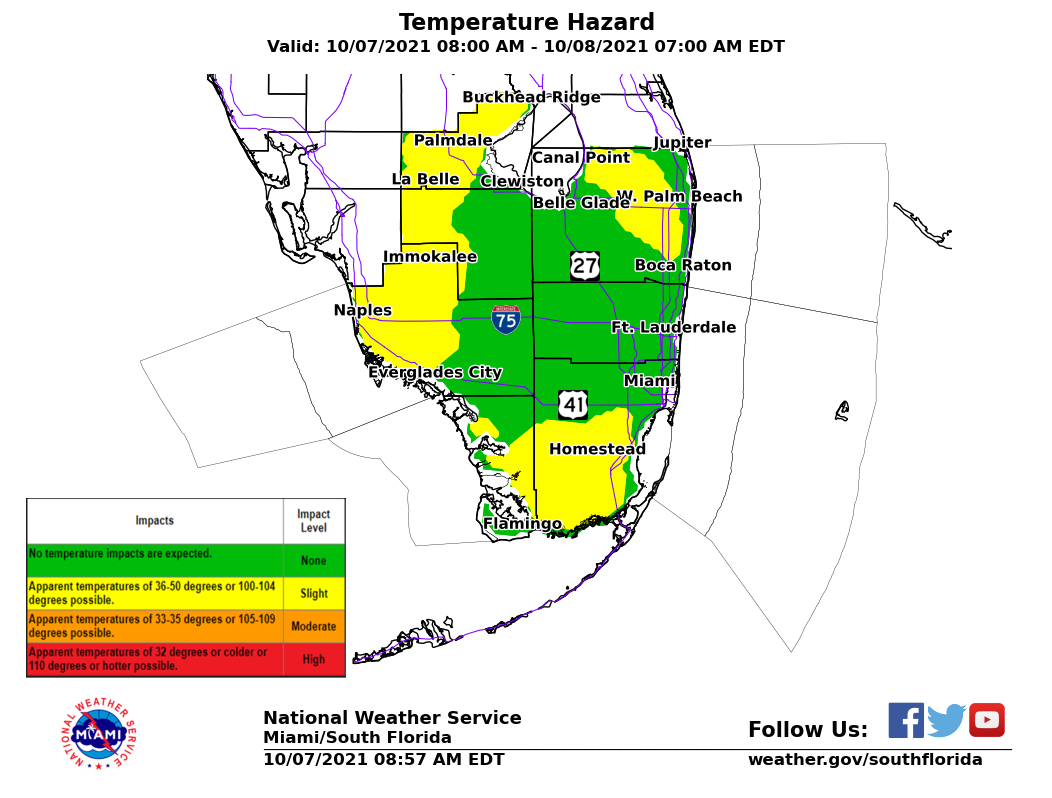
Understanding Florida’s Diverse Climate for Travelers
Florida, often lauded for its perpetual sunshine, boasts a climate that ranges from humid subtropical in its northern and central regions to truly tropical in the south, including The Keys. This geographical diversity results in noticeable variations in weather patterns across the state, which are critical for any traveler to comprehend.
The Sunshine State’s Subtropical and Tropical Zones
The demarcation between Florida’s climatic zones significantly impacts a traveler’s experience. North Florida, encompassing cities like Jacksonville and Tallahassee, experiences a humid subtropical climate, characterized by warm, humid summers and mild, occasionally chilly, winters. This means that while frost is rare, cold fronts can bring temperatures down into the 40s or even 30s Fahrenheit during peak winter months, making it advisable to pack layers.
As you venture southwards into Central Florida, home to Orlando‘s iconic theme parks and the Kennedy Space Center Visitor Complex, the climate remains subtropical but with increasingly warmer winters and longer, hotter summers. The chance of freezing temperatures diminishes significantly. Further south, past cities like Sarasota and reaching into South Florida with Miami, Fort Lauderdale, and Naples, the climate transitions to tropical. Here, true winter is largely absent, replaced by a distinct dry season (winter/spring) and wet season (summer/fall) with consistently warm temperatures and high humidity year-round. This tropical zone rarely sees temperatures below 60°F, making it a perennial draw for sun-seekers.
Seasonal Weather Overview: What to Expect Year-Round
Understanding these seasonal shifts is paramount for travel planning:
- Winter (December – February): This is often considered peak season for many parts of Florida, particularly South Florida and the Gulf Coast. Temperatures are pleasantly warm, ranging from the low 70s in the south to the 60s in the north. Humidity is lower, and rainfall is minimal. It’s ideal for outdoor activities, beach visits, and theme park adventures without the intense summer heat. However, North Florida can experience cooler fronts, so packing a light jacket or sweater is wise.
- Spring (March – May): A glorious time to visit. Temperatures steadily rise, typically ranging from the mid-70s to high 80s across the state. Humidity remains relatively low, and skies are generally clear. It’s perfect for exploring beaches, natural parks like Everglades National Park, and attending spring festivals. Crowds can increase during spring break periods.
- Summer (June – August): Prepare for heat, humidity, and daily afternoon thunderstorms. Temperatures consistently hover in the high 80s to low 90s, with “real feel” temperatures often exceeding 100°F due to high humidity. Rainfall is frequent but usually brief, often clearing to reveal sunny skies. This period is less crowded for theme parks, but requires strategic planning (early mornings, indoor activities) to manage the heat. It’s also the beginning of hurricane season.
- Fall (September – November): A transitional period. Early fall still feels very much like summer, with high temperatures and humidity. As the season progresses, temperatures gradually cool, and humidity decreases, especially by October and November. This is a fantastic time for travel, particularly towards late fall, as hurricane season tapers off, and the weather becomes more comfortable. It offers a good balance of pleasant weather and fewer crowds before the winter rush.
Planning Your Florida Trip Around the Weather
Armed with a general understanding of Florida’s climate, travelers can make informed decisions that enhance their experience. Tailoring your trip to the prevailing weather conditions is key to a memorable vacation.
Best Times to Visit for Different Activities
- Beach Lovers: For pristine beach days with comfortable swimming temperatures and minimal humidity, spring (March-May) and late fall (October-November) are ideal. South Florida’s beaches, like South Beach in Miami, are fantastic year-round, but winter offers the most pleasant conditions for sunbathing and water sports without the intense summer heat.
- Theme Park Enthusiasts: To minimize heat stress and long lines, late fall (October-November) and winter (December-February) are optimal for visiting Walt Disney World Resort or Universal Orlando Resort. While crowds are heavier around holidays, the cooler temperatures make navigating the parks much more enjoyable. Early spring is also excellent before summer heat sets in.
- Outdoor Adventurers (Hiking, Kayaking): The mild, dry weather of winter (December-February) and spring (March-April) is perfect for exploring Florida’s natural beauty, from the hiking trails of Gainesville to kayaking in the Everglades National Park or the Dry Tortugas National Park. Insect activity is also lower during these cooler months.
- Budget Travelers: Traveling during the summer (June-August) or early fall (September-October) typically offers lower accommodation rates and fewer crowds, especially at theme parks, due to the heat and hurricane season. While challenging, strategic planning can still lead to an enjoyable, more affordable trip.
Packing Essentials: Adapting to Florida’s Forecast
Regardless of the season, certain items are universally beneficial:
- Lightweight, Breathable Clothing: Cotton, linen, and moisture-wicking fabrics are crucial for comfort.
- Swimsuit: Even in winter, a heated pool or a warm day can call for a dip.
- Sun Protection: Sunscreen (SPF 30+), wide-brimmed hats, and sunglasses are non-negotiable year-round. The Florida sun is powerful.
- Comfortable Walking Shoes: Essential for theme parks, city exploration, or natural trails.
- Rain Gear: A lightweight rain jacket or a compact umbrella is a smart addition, especially during the summer rainy season. Don’t underestimate the suddenness of Florida’s downpours.
- Layers: Particularly important for North Florida in winter, but even South Florida can have cooler evenings or air-conditioned indoor spaces that warrant a light sweater or long-sleeved shirt.
Navigating Hurricane Season: Preparedness and Peace of Mind
Florida’s hurricane season officially runs from June 1st to November 30th, with peak activity typically from mid-August to late September. While the vast majority of visits during this period are unaffected by storms, awareness and preparedness are essential.

- Travel Insurance: Consider purchasing travel insurance that covers hurricane-related cancellations or interruptions.
- Monitor Forecasts: Stay updated on weather advisories from reliable sources like the National Hurricane Center.
- Flexible Bookings: If traveling during peak hurricane season, opt for accommodations and flights with flexible cancellation policies.
- Emergency Plan: Familiarize yourself with your accommodation’s emergency procedures and local evacuation routes, though severe impacts are localized and not state-wide.
Remember, a hurricane watch means conditions are possible within 48 hours, while a hurricane warning means conditions are expected within 36 hours. Being informed allows travelers to make safe and timely decisions.
Regional Weather Nuances Across Florida’s Destinations
While general seasonal patterns hold true, specific regions within Florida offer distinct weather experiences that warrant individual consideration for optimal travel planning.
North Florida: Cooler Winters, Milder Summers
Cities like Jacksonville, Gainesville, and Pensacola on the Gulf Coast exhibit a climate more akin to the southeastern United States. Winters can feature genuinely chilly days, sometimes dipping below freezing overnight, though daytime highs usually rebound into the 50s and 60s. Summers are hot and humid but often less oppressive than in South Florida. This region is excellent for travelers seeking a more traditional four-season feel, albeit with a very short and mild winter. The spring and fall are particularly pleasant, perfect for exploring historic sites, state parks, or the beautiful beaches along the Emerald Coast.
Central Florida: Theme Park Weather Considerations
Orlando, the heart of Central Florida’s tourism, experiences hot, humid summers with almost daily afternoon thunderstorms. These showers are usually brief but intense, offering a temporary reprieve from the heat before the sun returns. Winter is generally mild and dry, making it a prime time for theme park visits, though early mornings can be cool. Spring and fall offer a good balance, with comfortable temperatures and lower humidity. Visitors to attractions like Busch Gardens Tampa Bay in Tampa or the beaches of St. Petersburg can expect similar patterns, with the Gulf Coast often receiving slightly more rainfall than the Atlantic Coast during summer.
South Florida & The Keys: Tropical Heat and Humidity
The southern reaches of Florida, including Miami, Fort Lauderdale, and Key West, embody the true tropical experience. Winters here are exceptionally mild and dry, with daytime temperatures often in the mid-70s to low 80s, making it a sought-after escape from colder climates. Summers are hot, intensely humid, and characterized by the wet season, bringing heavy, though usually short-lived, rain. The ocean breeze provides some relief, especially along the Atlantic Coast. Travelers to this region should prioritize light clothing, frequent hydration, and planning activities around the hottest parts of the day during summer. The consistent warmth makes it ideal for water activities year-round, but always be mindful of UV index levels.
Maximizing Your Florida Experience, Rain or Shine
Florida’s weather can be unpredictable, even during the best seasons. Learning to adapt and leverage conditions will ensure your travel experience remains exceptional.
Enjoying Indoor Attractions and Rainy Day Alternatives
Don’t let a summer shower or an unseasonably cool day derail your plans. Florida offers a wealth of indoor attractions:
- Museums & Art Galleries: From the Perez Art Museum Miami to the Salvador Dalí Museum in St. Petersburg, there’s a rich cultural scene.
- Aquariums & Science Centers: The Florida Aquarium in Tampa or the Frost Science Museum in Miami offer engaging experiences for all ages.
- Shopping: Malls like The Galleria in Fort Lauderdale or International Plaza in Tampa provide ample opportunities for retail therapy.
- Indoor Theme Park Rides/Shows: Many attractions at Walt Disney World Resort and Universal Orlando Resort are indoors, providing a perfect escape from rain or heat.
Leveraging Early Mornings and Evenings
To beat the heat and humidity, especially during summer, plan your outdoor activities for the early morning. Theme parks open early, and beaches are often less crowded and cooler before noon. Similarly, evenings bring cooler temperatures and often beautiful sunsets, ideal for outdoor dining, strolls, or enjoying night-time entertainment. Many attractions also offer special evening events that are far more comfortable than daytime visits.
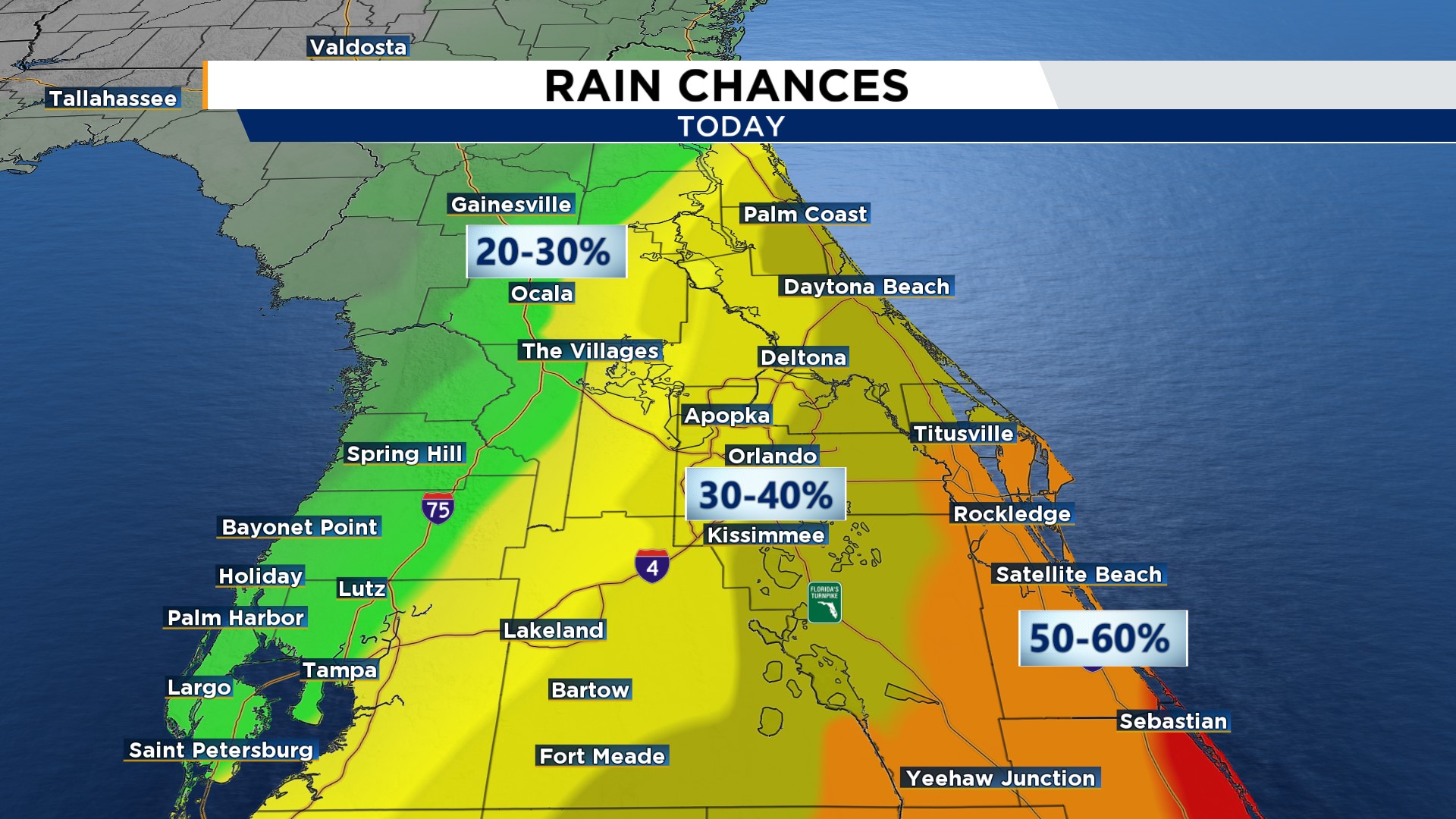
Staying Hydrated and Sun-Safe
Above all, prioritize your health and safety. Florida’s sun is intense, and dehydration can set in quickly, especially when you’re active.
- Drink Plenty of Water: Carry a reusable water bottle and refill frequently. Most attractions and public places offer water fountains or refill stations.
- Seek Shade: Utilize shaded areas, umbrellas, and canopies whenever possible.
- Limit Mid-day Sun Exposure: Try to avoid prolonged direct sun exposure between 10 AM and 4 PM, especially in summer.
- Reapply Sunscreen: Apply broad-spectrum sunscreen liberally and reapply every two hours, or more often if swimming or sweating.
In conclusion, “What is the weather in Florida today?” is a question best answered by understanding its overarching climate patterns, regional variations, and seasonal characteristics. By approaching your travel planning with this knowledge, you can ensure that whatever the day brings, you are prepared to embrace the unique charm and endless activities the Sunshine State has to offer, making your journey as comfortable and enjoyable as possible.
LifeOutOfTheBox is a participant in the Amazon Services LLC Associates Program, an affiliate advertising program designed to provide a means for sites to earn advertising fees by advertising and linking to Amazon.com. Amazon, the Amazon logo, AmazonSupply, and the AmazonSupply logo are trademarks of Amazon.com, Inc. or its affiliates. As an Amazon Associate we earn affiliate commissions from qualifying purchases.