
Deconstructing Crime Statistics and Perceptions
The question of whether Chicago holds the title of the most violent city in America is a complex one, frequently debated in media and public discourse. It’s a query that often arises when examining crime statistics, particularly those related to homicides and gun violence. However, a nuanced understanding requires looking beyond simplistic rankings and delving into the methodology of data collection, the socio-economic factors at play, and the geographical scope of the statistics.
Understanding the Metrics
When discussions about violent crime arise, the primary metrics often cited are homicide rates and the number of shooting incidents. These figures, typically reported by law enforcement agencies and aggregated by organizations like the FBI, are crucial for understanding trends. However, the way these statistics are presented can sometimes lead to misleading conclusions.
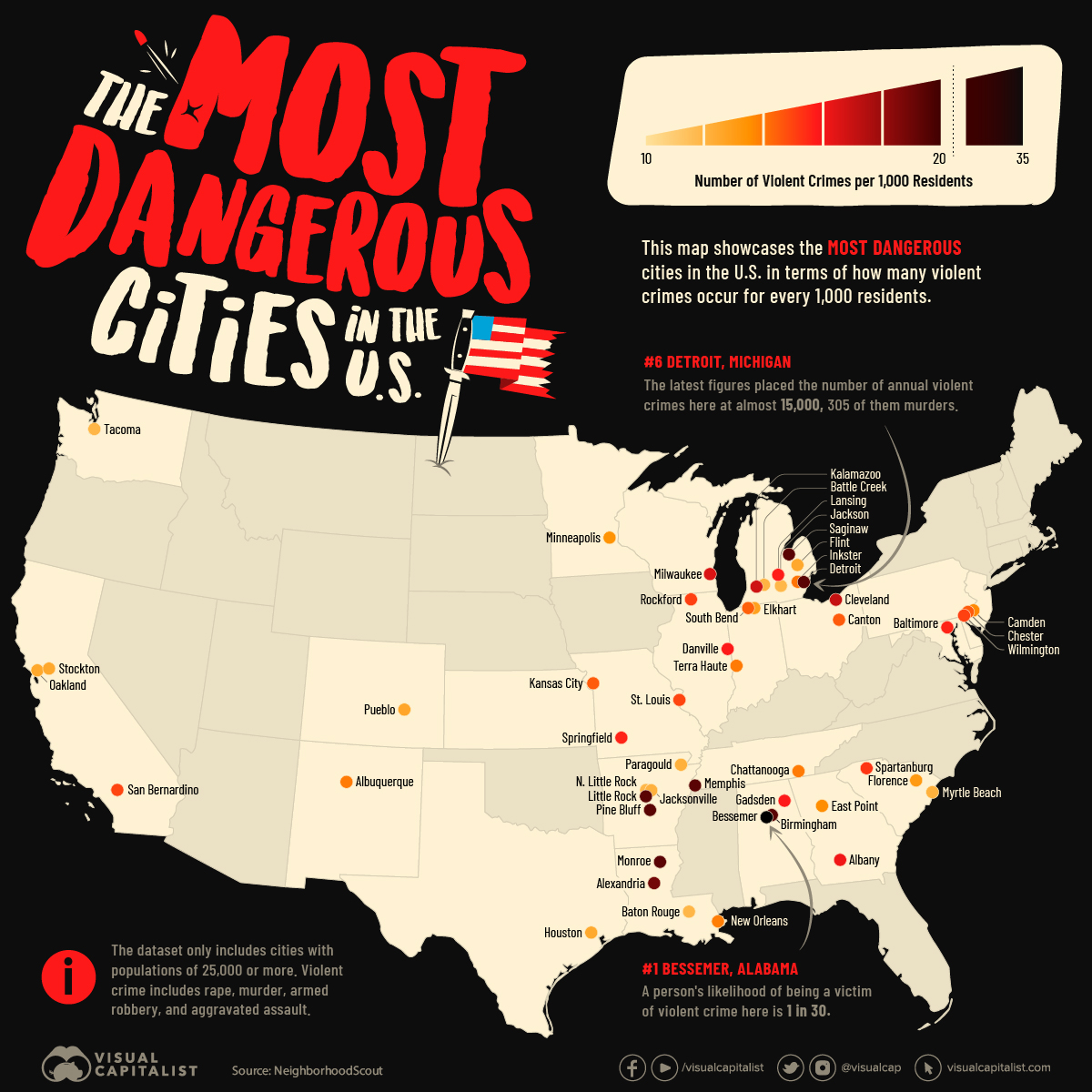
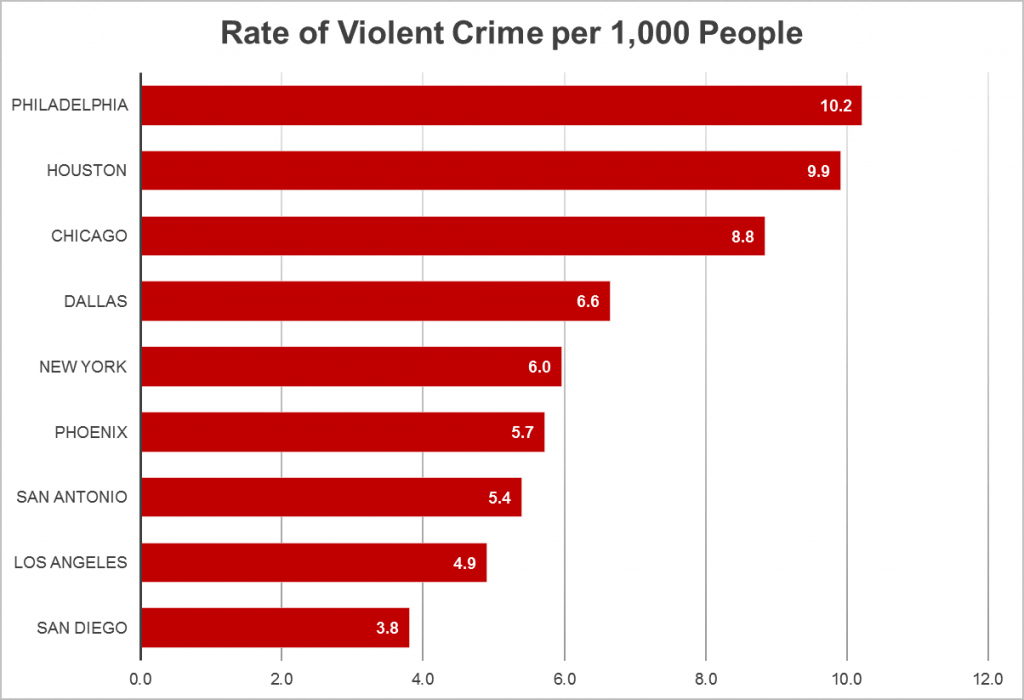
- Per Capita Rates vs. Absolute Numbers: A city with a large population, like Chicago, will naturally have a higher absolute number of incidents than a smaller city, even if its per capita rate of violence is lower. Conversely, a smaller city with a disproportionately high number of incidents could appear more violent on a per capita basis, despite impacting fewer people in absolute terms. It is essential to consider both perspectives.
- Defining “Violence”: While homicide is universally recognized as violent, the definition of “violent crime” often includes other offenses such as robbery, aggravated assault, and rape. Differences in reporting and classification of these offenses across jurisdictions can complicate direct comparisons.
- Data Lag and Reporting Inconsistencies: Crime statistics are not always immediate. There can be a lag in reporting, and sometimes data from different years or different reporting agencies may be used in comparisons, leading to inaccuracies. Furthermore, the accuracy of reporting itself can vary.
Socio-Economic and Historical Context
Attributing violence to a city in isolation often overlooks the intricate web of socio-economic and historical factors that contribute to crime rates. Chicago, like many large urban centers, grapples with deep-seated issues that fuel violence.
- Poverty and Inequality: Persistent poverty, lack of economic opportunity, and significant wealth inequality within specific neighborhoods are strongly correlated with higher crime rates. Areas experiencing disinvestment and marginalization often become breeding grounds for violence, as desperation and a lack of viable alternatives take hold.
- Segregation and Disparities: Historically, Chicago has been marked by residential segregation, which has led to the concentration of poverty and disadvantage in certain communities. This segregation, often racial in nature, has created persistent disparities in education, healthcare, and employment opportunities, all of which are linked to crime.
- Gang Activity and Gun Access: The presence of organized criminal groups and the ease of access to firearms are significant drivers of urban violence. These factors are often exacerbated by a lack of resources for community intervention programs and effective law enforcement strategies that prioritize prevention and rehabilitation alongside enforcement.
- Underfunded Communities: Neighborhoods disproportionately affected by violence often suffer from underfunded schools, inadequate public services, and limited access to mental health resources. This lack of investment creates a cycle of disadvantage that can be difficult to break.

Geographical Scope and Reporting
A crucial element in understanding Chicago’s crime statistics is recognizing the vast geographical area and population the city encompasses, and how data is often reported.
- City Limits vs. Metropolitan Area: When statistics are presented for “Chicago,” they usually refer to the city proper. However, the Chicago metropolitan area is much larger and includes surrounding suburbs. Crime patterns can differ significantly between the urban core and its exurban extensions.
- Focus on Specific Neighborhoods: While the city as a whole may have a certain crime rate, the violence is often concentrated in a relatively small number of neighborhoods. Focusing on these specific areas allows for a more targeted understanding of the problem and potential solutions, rather than painting the entire city with the same brush.
- Media Portrayal: Media coverage, while essential for informing the public, can sometimes sensationalize crime. When the focus is predominantly on violent incidents in Chicago, it can create a perception of pervasive danger that may not be reflective of the experience of all residents or visitors to the city.
Comparing Chicago to Other Cities
To accurately assess whether Chicago is the “most violent city,” comparisons must be made with other large American cities using consistent methodologies and data.
- National Crime Trends: It’s important to view Chicago’s crime rates within the broader context of national crime trends. Periods of rising or falling national crime rates will naturally affect individual cities.
- Data Reliability: As mentioned earlier, the reliability and completeness of crime data can vary from city to city. This makes direct comparisons challenging. Organizations that attempt to rank cities based on violence often employ complex algorithms to account for these differences, but these rankings are not without their critics.
- Focus on Specific Crimes: Some cities might have higher rates of certain types of violent crime, while others excel in others. For instance, a city might have a lower homicide rate but a higher rate of aggravated assault. Labeling a city as the “most violent” often relies on a specific crime being prioritized.
Conclusion: A Nuanced Perspective
The question of whether Chicago is the most violent city in America cannot be answered with a simple yes or no. While Chicago has undeniably faced significant challenges with gun violence and homicides in certain areas, a comprehensive analysis reveals a more complex picture. The perception of Chicago as the “most violent” is often fueled by high-profile incidents and media attention, but it is crucial to consider the statistical nuances, the profound socio-economic factors, and the geographical specificities of crime data.
Understanding the root causes of violence, investing in affected communities, and employing data-driven strategies are essential steps in addressing these challenges. For travelers considering a visit to Chicago, it’s important to note that millions of people live and visit the city safely every year. The experiences of tourists and residents can vary greatly depending on the neighborhoods they visit and the precautions they take. Chicago offers a rich tapestry of culture, history, and attractions, and like any major urban center, visitors should remain aware of their surroundings and informed about current events. Focusing solely on crime statistics risks overshadowing the vibrant life and considerable positive attributes of this dynamic American metropolis.
LifeOutOfTheBox is a participant in the Amazon Services LLC Associates Program, an affiliate advertising program designed to provide a means for sites to earn advertising fees by advertising and linking to Amazon.com. Amazon, the Amazon logo, AmazonSupply, and the AmazonSupply logo are trademarks of Amazon.com, Inc. or its affiliates. As an Amazon Associate we earn affiliate commissions from qualifying purchases.