
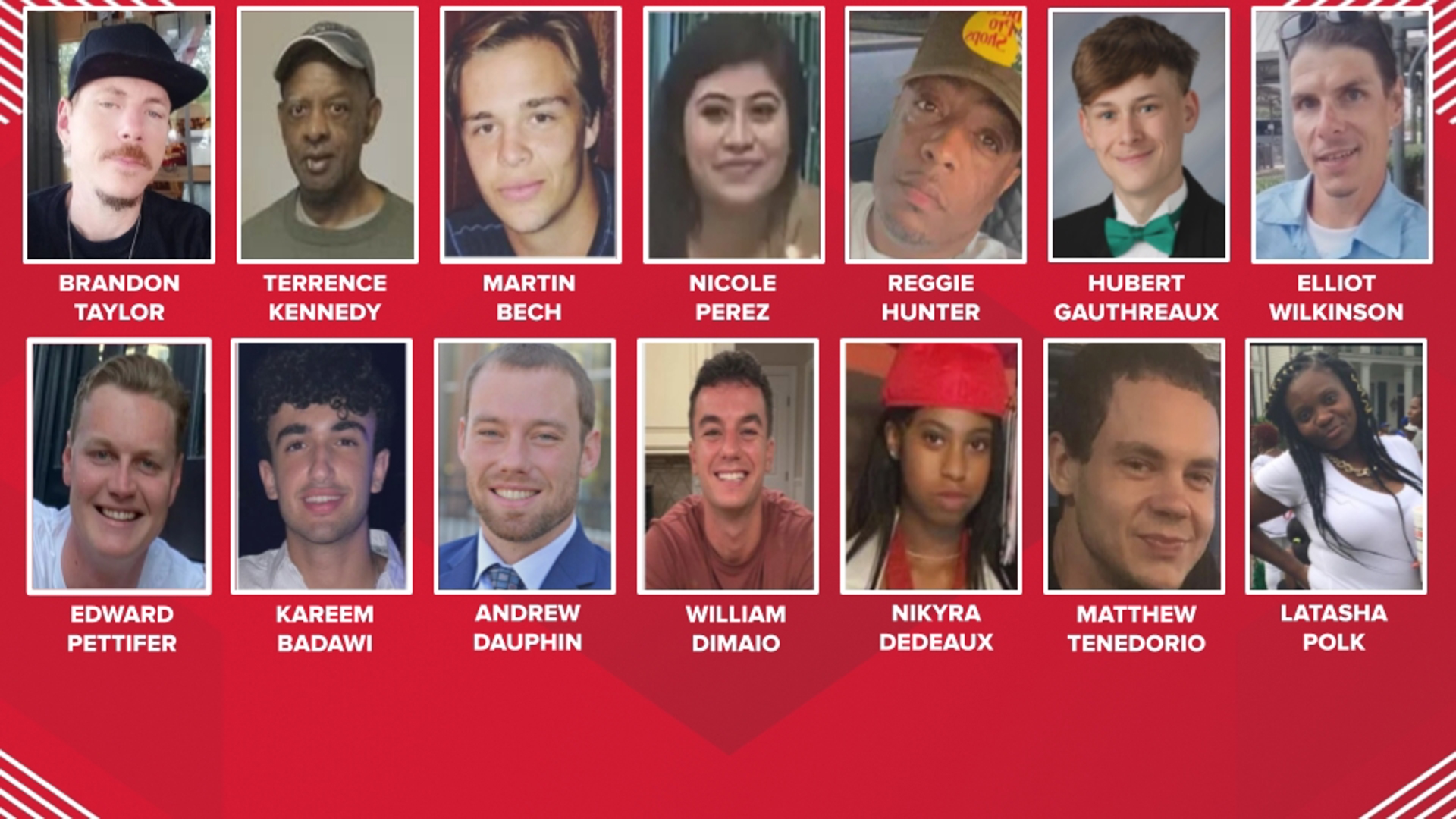
The evocative title “Who Were The Victims In New Orleans?” immediately conjures images of a city steeped in history, a place where the past often whispers through its vibrant streets and echoing jazz halls. When considering this question within the realm of Landmarks, the focus shifts from individual tragedies to the broader historical narratives and societal forces that have shaped the city and, in various contexts, led to profound losses or challenges for its people and its iconic sites. This exploration delves into the historical underpinnings and the enduring spirit of New Orleans, a city that has faced adversity and emerged with an unparalleled cultural resilience.

The Erasure of Histories: Colonialism and Its Shadow
New Orleans’s foundational years were marked by colonial powers, primarily France and later Spain. While these nations laid the groundwork for the city’s unique architectural and cultural tapestry, their presence also represents a significant historical “victimhood” in the context of Indigenous populations.
Indigenous Displacement and Loss
Long before European settlers arrived, the land that is now New Orleans was home to numerous Indigenous tribes. These communities, including the Choctaw, Houma, and Tunica-Biloxi peoples, possessed deep knowledge of the region’s ecology and sustainable living practices. The advent of European colonization brought about devastating consequences:
- Disease: European diseases, to which Indigenous populations had no immunity, decimated their numbers.
- Displacement: Forced removal from ancestral lands, disruption of traditional hunting and farming grounds, and the imposition of foreign governance led to the erosion of their cultural and social structures.
- Cultural Suppression: Efforts to assimilate Indigenous peoples and eradicate their languages, spiritual practices, and customs represent a profound cultural loss.
While the physical landmarks of these early inhabitants are less visible than colonial structures, their history is an integral, albeit often marginalized, part of New Orleans’s story. Recognizing this history is crucial to understanding the full scope of what has been lost or irrevocably altered.
The Brutality of the Transatlantic Slave Trade
Perhaps the most significant and tragic chapter in the history of New Orleans, and indeed much of the United States, is its entanglement with the transatlantic slave trade. The city was a major port for enslaved Africans, and the institution of slavery profoundly shaped its social, economic, and cultural landscape.
- Human Suffering: The “victims” here are the millions of individuals ripped from their homes, subjected to unimaginable cruelty, and denied their fundamental humanity. Their forced labor built much of the city’s infrastructure, from plantations to public buildings.
- Racial Stratification: The legacy of slavery continues to impact New Orleans today, with deep-seated racial inequalities that affect everything from economic opportunity to access to resources.
- Cultural Contributions Amidst Oppression: Despite the horrors of slavery, enslaved Africans and their descendants developed and contributed immensely to New Orleans’s unique cultural identity, particularly in music, cuisine, and religious practices. This is a testament to resilience, but the foundational “victimhood” remains undeniable.
The physical landmarks of this era, such as historic plantations and the French Quarter with its slave quarters, serve as somber reminders of this painful past.
Natural Disasters: The Unyielding Power of Nature
New Orleans is geographically situated in a vulnerable region, making it susceptible to the destructive forces of nature. These events, while natural, often have devastating human and infrastructural consequences, leaving behind a trail of “victims” in their wake.
The Catastrophe of Hurricane Katrina

The most profound recent example of nature’s impact is Hurricane Katrina in 2005. The storm and the subsequent catastrophic levee failures led to widespread flooding and devastation across the city.
- Human Toll: Thousands of lives were lost or irrevocably altered. Many residents were displaced for extended periods, losing homes, livelihoods, and community ties. The elderly and vulnerable populations were disproportionately affected.
- Infrastructural Damage: Iconic landmarks and everyday infrastructure alike suffered immense damage. Historic neighborhoods, including the Lower Ninth Ward, were virtually destroyed. The city’s vital infrastructure – power grids, transportation systems, and water treatment facilities – was crippled.
- Cultural and Social Disruption: The displacement led to a significant diaspora of New Orleans residents, threatening the city’s vibrant cultural fabric. The recovery process has been long and complex, highlighting persistent social and economic disparities.
The scars of Hurricane Katrina are still visible in some areas, serving as a powerful reminder of the fragility of human settlements in the face of natural forces.
Persistent Threats: Flooding and Erosion
Beyond major hurricanes, New Orleans faces ongoing threats from rising sea levels, coastal erosion, and the natural subsidence of the land. These slow-moving environmental crises are also forms of “victimhood” for the city and its inhabitants.
- Land Loss: The Louisiana coastline is rapidly disappearing, threatening the natural barriers that protect New Orleans from storm surges. This erosion is driven by a combination of natural processes and human intervention, such as levee construction and oil and gas extraction.
- Increased Flood Risk: As the land subsides and sea levels rise, the city becomes more vulnerable to routine flooding, even without major storms. This impacts homes, businesses, and the preservation of historic structures.
- Environmental Justice: The communities most at risk from these environmental changes are often those already marginalized, exacerbating existing social and economic injustices.
The Erosion of Economic Stability and Cultural Preservation
While not always immediately apparent, economic shifts and the challenges of preserving its unique heritage also represent a form of “victimhood” for New Orleans, especially when viewed through the lens of its historic landmarks and cultural identity.
Economic Vulnerability and Gentrification
New Orleans has historically struggled with economic disparities. While tourism is a major driver of its economy, it can also lead to challenges that impact local communities and the preservation of authentic cultural experiences.
- Tourism’s Double-Edged Sword: While vital for revenue, the increasing reliance on tourism can drive up living costs, leading to gentrification in historic neighborhoods. This can displace long-time residents and alter the character of communities that are themselves historic landmarks.
- Preservation Costs: Maintaining and restoring historic buildings, a hallmark of the French Quarter and other historic districts, is an expensive undertaking. Without adequate funding and support, these architectural treasures face decay.
- Economic Disparities: The benefits of economic growth in New Orleans are not always equitably distributed, leaving some communities “victimized” by a lack of opportunity and resources, which can in turn impact the maintenance and vitality of their neighborhoods and local landmarks.
The Fading of Traditional Arts and Crafts
The vibrant cultural heritage of New Orleans, including its renowned musical traditions, culinary arts, and craftspeople, faces challenges in the modern era.
- Generational Transfer: The transmission of traditional skills and knowledge from one generation to the next can be disrupted by economic pressures and changing societal interests.
- Commercialization vs. Authenticity: The popularization of New Orleans culture, while bringing recognition, can sometimes lead to commodification and a dilution of authenticity. This can diminish the unique value of traditional practices and the artisans who embody them.
- Loss of Historic Venues: The closure of long-standing music venues, cultural centers, and small businesses due to rising rents or changing demographics represents a loss of tangible landmarks that are integral to the city’s cultural identity.
In conclusion, when examining “Who Were The Victims In New Orleans?” through the lens of landmarks and history, the answer is multifaceted. It encompasses the Indigenous peoples displaced, the millions enslaved, the communities devastated by natural disasters, and the ongoing struggles to preserve its unique economic and cultural heritage. The enduring spirit of New Orleans lies in its ability to confront these legacies, honor the past, and continue to rebuild and celebrate its remarkable identity.
LifeOutOfTheBox is a participant in the Amazon Services LLC Associates Program, an affiliate advertising program designed to provide a means for sites to earn advertising fees by advertising and linking to Amazon.com. Amazon, the Amazon logo, AmazonSupply, and the AmazonSupply logo are trademarks of Amazon.com, Inc. or its affiliates. As an Amazon Associate we earn affiliate commissions from qualifying purchases.