
The vast and varied landscape of Colorado, a state renowned for its majestic mountains, vibrant cities, and outdoor adventures, often prompts practical questions from travelers planning their itineraries. One such fundamental query, particularly for those coordinating travel or aiming to be punctual for tours and reservations, is about its time zone. So, is Colorado Central Time? The answer is a resounding no, and understanding this distinction is crucial for a seamless experience in the Centennial State.
Colorado observes Mountain Time. This means it falls under the purview of the Mountain Time Zone (MT), which is UTC-7 during standard time and UTC-6 during daylight saving time. This places it one hour behind Central Time. For travelers coming from states in the Central Time Zone, such as Texas, Illinois, or Louisiana, this means they will gain an hour upon arrival in Colorado. Conversely, those coming from Pacific Time will lose an hour. This temporal shift, while seemingly minor, can impact everything from flight arrivals and hotel check-ins to dinner reservations and the timing of popular attractions.

The implications of Colorado’s time zone extend beyond simple scheduling. It influences the perception of daylight hours, particularly during the longer days of summer when the sun sets later in the west. For hikers aiming to reach a summit before dusk, or for those hoping to catch a fiery sunset over the Rocky Mountains, knowing the exact time is paramount. Similarly, for businesses operating across state lines or for individuals with remote work commitments, the time difference needs careful consideration.
Navigating Colorado’s Time Zone for Travel and Tourism
When planning a trip to Colorado, understanding its time zone is a vital step in ensuring a smooth and enjoyable experience. From booking flights and accommodations to scheduling activities and tours, being aware of Mountain Time will prevent any inconvenient or costly misunderstandings.
Understanding Mountain Time and Its Impact on Your Itinerary
Mountain Time is a standard time zone observed in the western part of North America. It is characterized by its offset from Coordinated Universal Time (UTC). During standard time, it is UTC-7, meaning it is seven hours behind UTC. However, like most of the United States, Colorado observes Daylight Saving Time (DST). From the second Sunday in March to the first Sunday in November, the state switches to Mountain Daylight Time (MDT), which is UTC-6. This is a crucial detail to remember, as it means the time difference between Colorado and Central Time shrinks by one hour during the warmer months.
Let’s break down the practical implications of this for various aspects of your Colorado adventure:
Flights and Transportation
When booking flights into airports like Denver International Airport or Colorado Springs Airport, always confirm the arrival and departure times are listed in local Mountain Time. If you’re flying from a Central Time state, remember that a 2 PM departure from Chicago might arrive in Denver at what feels like 1:30 PM on your watch (if you haven’t adjusted it), but it will be 2:30 PM local time. This is essential for arranging airport transportation or connecting flights. Rental car return times and shuttle services will also operate on Mountain Time.
Hotel Stays and Accommodation Bookings
For hotel bookings, whether you’re looking for a luxurious stay at the Ritz-Carlton Denver or a cozy cabin rental near Aspen, check-in and check-out times are always local. If a hotel has a policy of check-in at 3 PM, it means 3 PM Mountain Time. This also applies to any inquiries you might have with accommodation providers. If you’re comparing prices on various booking platforms for a long-term stay in places like Boulder, ensure all quoted times are in sync with Mountain Time to avoid any confusion.
Activities, Tours, and Attractions
Colorado boasts an incredible array of attractions, from the iconic Rocky Mountain National Park to the historic Mesa Verde National Park and the vibrant art scene in Santa Fe (though Santa Fe is in New Mexico, it’s a common road trip destination from southern Colorado). Tour operators for activities like white-water rafting on the Arkansas River, guided hikes, or museum visits will adhere strictly to Mountain Time. For example, a 9 AM scenic tour of the Garden of the Gods means 9 AM Mountain Time. Missing a tour due to a misunderstanding of the time zone can be a significant disappointment, especially for popular experiences that often have limited capacity and are booked months in advance.

Dining and Local Culture
Experiencing the local food scene is a highlight of any trip, and restaurants across Colorado operate on Mountain Time. If you’ve made a dinner reservation for 7 PM at a renowned restaurant in Denver, it means 7 PM local time. This also affects cultural events, festivals, and performances. For instance, a concert at the Red Rocks Amphitheatre will have its start time listed in Mountain Time, and the later sunsets in the summer can contribute to a magical evening experience.
Understanding the Geographical Spread of Time Zones in the US
The United States is divided into several time zones, each encompassing specific states or regions. These divisions are primarily based on longitude, but historical and practical considerations also play a role. The contiguous United States has four main time zones: Eastern Time, Central Time, Mountain Time, and Pacific Time.
- Eastern Time (ET): This is the easternmost time zone, observing UTC-5 during standard time and UTC-4 during daylight saving time. It includes states like New York, Florida, and Georgia.
- Central Time (CT): Lying west of Eastern Time, it observes UTC-6 during standard time and UTC-5 during daylight saving time. States like Texas, Oklahoma, and Arkansas are in this zone.
- Mountain Time (MT): This is where Colorado resides. It observes UTC-7 during standard time and UTC-6 during daylight saving time. Other states in this zone include Arizona (most of which does not observe DST), Montana, Idaho (northern part), and parts of Utah.
- Pacific Time (PT): The westernmost zone, observing UTC-8 during standard time and UTC-7 during daylight saving time. It includes states like California, Nevada, and Washington.
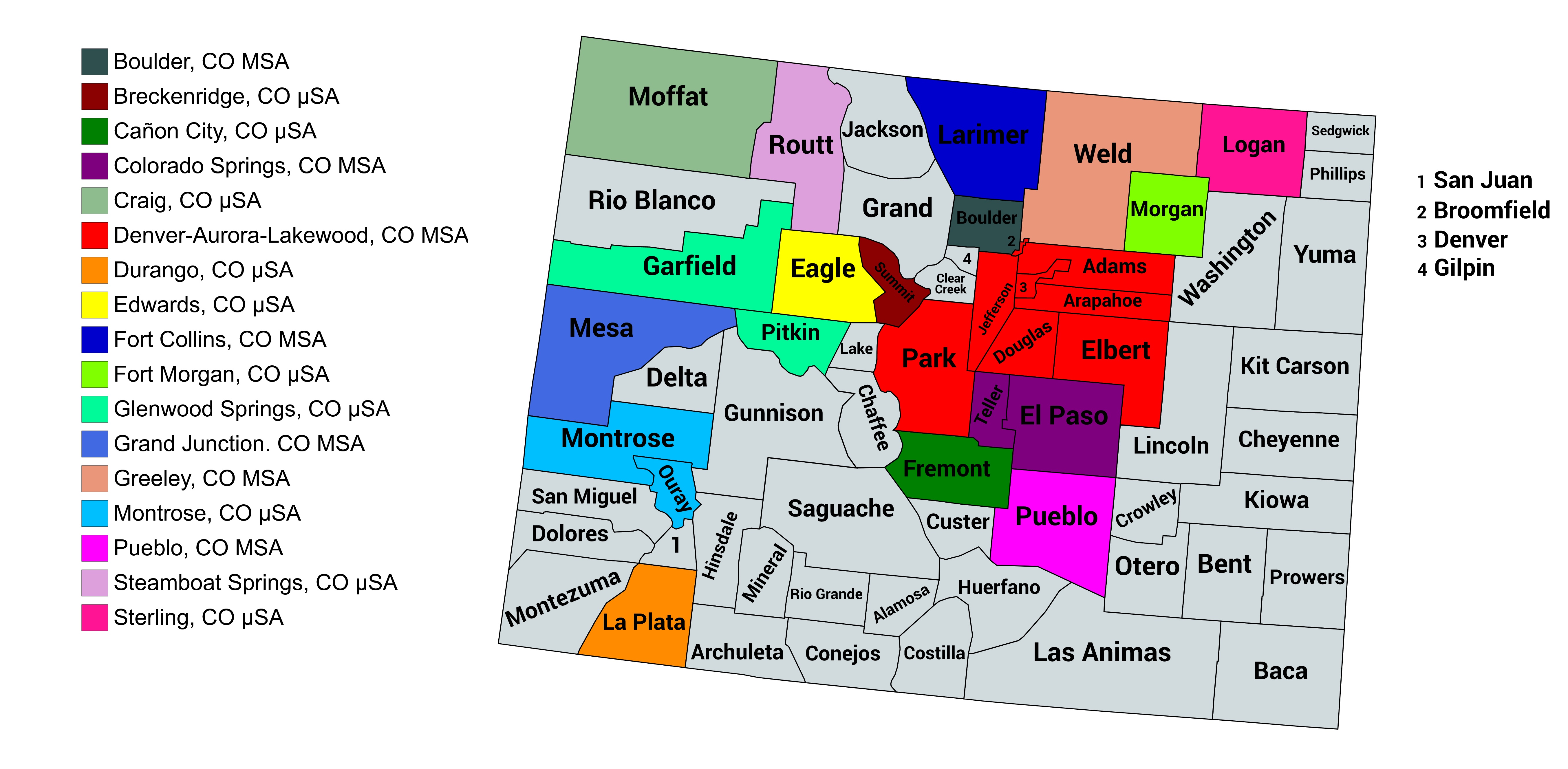
The demarcation lines between these zones are not always straight. For instance, some states observe different time zones in different parts of the state. Colorado is entirely within the Mountain Time Zone, making it a consistent temporal entity across its diverse landscapes, from the urban bustle of Denver to the ski resorts of Vail and the natural wonders of Great Sand Dunes National Park and Preserve. This uniformity simplifies travel within the state.
Planning for Daylight Saving Time in Colorado
Daylight Saving Time (DST) is a practice adopted by many countries, including the United States, to make better use of daylight. In Colorado, DST begins on the second Sunday in March and ends on the first Sunday in November. During this period, the clocks are advanced by one hour, moving Colorado from Mountain Standard Time (MST) to Mountain Daylight Time (MDT).
The Shift and Its Practical Consequences
The biannual shift in time can be a minor disruption, but being prepared is key.
- During Standard Time (November to March): Colorado is on MST (UTC-7). This means it is two hours behind Eastern Time, one hour behind Central Time, and one hour ahead of Pacific Time.
- During Daylight Saving Time (March to November): Colorado is on MDT (UTC-6). This means it is one hour behind Eastern Time, one hour ahead of Pacific Time, and the same time as Central Time for a brief period in early March and November. However, for the majority of the DST period, it remains one hour behind Central Time.
The transition into and out of DST can sometimes lead to confusion, particularly for those who are not accustomed to it or who have scheduled calls or meetings with individuals in different time zones. It is always advisable to double-check the time difference when confirming appointments, especially around the dates when DST begins or ends. Many online tools and calendar applications automatically adjust for DST, but it’s wise to remain aware of the changes yourself. For travelers, this means adjusting your watch, phone, and any other time-keeping devices promptly upon arrival in Colorado to avoid missing any scheduled events or activities.
Maximizing Your Colorado Experience: Tips for Travelers
With a clear understanding of Colorado’s time zone, you can better plan your adventures, from exploring the historic streets of Old Town Fort Collins to marveling at the engineering feat of the Glenwood Springs suspension bridge. Here are some tips to ensure your trip is as seamless as possible:
- Set All Devices: Before or immediately upon arrival, ensure all your electronic devices, including smartphones, smartwatches, and laptops, are set to update time automatically or are manually set to Mountain Time.
- Communicate Clearly: When booking any services or making arrangements, always specify “Mountain Time” or “MT/MDT” to avoid any ambiguity. This is especially important for reservations made through a central booking system that might not be aware of your specific location.
- Factor in Time for Transitions: Allow for extra time when traveling between different time zones. If you’re driving from a Central Time state, know that you’ll gain an hour, which can be beneficial for reaching your destination earlier. Conversely, be aware that a late afternoon departure from Colorado will mean arriving at your destination later on the clock.
- Sunrise and Sunset Awareness: Colorado’s high altitude and western location mean sunrise and sunset times can differ significantly from other parts of the country. Knowing the local time will help you plan outdoor activities like hiking in Rocky Mountain National Park, photography excursions, or simply enjoying a picturesque evening. The later sunsets in the summer are a significant advantage for maximizing daylight hours for exploration.
- Enjoy the Pace of Mountain Time: While it’s important to be punctual, also embrace the rhythm of the time zone. Mountain Time often aligns with a slightly more relaxed pace, especially in the many outdoor-focused communities. Take the time to savor the moments, whether it’s a leisurely breakfast in Aspen or a quiet evening observing the stars near Crested Butte.
By keeping these points in mind, your exploration of Colorado will be enhanced, allowing you to fully immerse yourself in its breathtaking landscapes and vibrant culture without the stress of time zone confusion.
LifeOutOfTheBox is a participant in the Amazon Services LLC Associates Program, an affiliate advertising program designed to provide a means for sites to earn advertising fees by advertising and linking to Amazon.com. Amazon, the Amazon logo, AmazonSupply, and the AmazonSupply logo are trademarks of Amazon.com, Inc. or its affiliates. As an Amazon Associate we earn affiliate commissions from qualifying purchases.