
Navigating the complex world of hotel bookings can often feel like a guessing game. Is it better to snag a deal months in advance, or hold out for a last-minute bargain? The truth is, there’s no single “best” time that applies to every trip, destination, or traveler. Instead, the optimal booking window is a dynamic interplay of factors including seasonality, demand, location, the type of accommodation you seek, and your personal travel style. Understanding these variables is key to unlocking significant savings and securing the perfect stay, whether you’re planning an adventurous [Europe] backpacking tour or a luxurious [Dubai] escape.
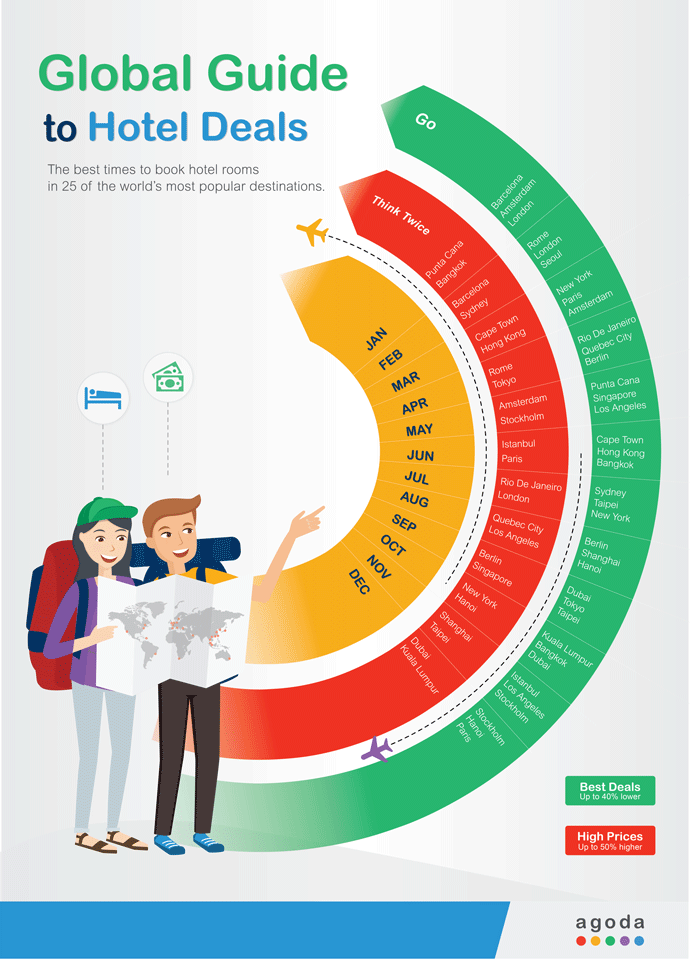
This comprehensive guide will unravel the mysteries behind hotel pricing, equipping you with the knowledge and strategies to make informed decisions for your next journey. We’ll explore the advantages of early booking versus the allure of spontaneous deals, delve into the external forces that drive price fluctuations, and highlight technological tools designed to simplify your search. From charming boutique hotels in [Paris] to sprawling resorts in [Orlando], mastering the art of hotel booking is an essential skill for any savvy traveler.
Understanding the Dynamics of Hotel Pricing
Hotel pricing is a sophisticated algorithm influenced by a myriad of factors, much like airline tickets. It’s a delicate balance of supply and demand, economic indicators, and consumer behavior. To truly pinpoint the best time to book, one must first grasp the underlying mechanics that cause prices to surge and dip.
The Early Bird Advantage: Booking in Advance
For many travelers, especially those with specific dates, destinations, or types of accommodation in mind, booking well in advance is almost always the safest and often the most cost-effective strategy. This approach offers several compelling benefits:
- Wider Selection: The earlier you book, the greater the variety of rooms, suites, and even unique accommodations like villas or apartments available. This is particularly crucial for popular destinations such as [New York City] or [Tokyo], or during peak travel seasons and major events. If you have your heart set on a specific hotel, like the historic [Ritz Paris] or a family-friendly resort in [Walt Disney World], early booking guarantees you a spot.
- Potentially Better Rates: While not universally true, many hotels release their initial room blocks at competitive prices to secure early commitments. These rates can be significantly lower than what you’ll find closer to the check-in date, especially if demand begins to climb. For international travel, aiming to book 3-6 months out is often recommended. For domestic trips, 1-3 months in advance typically provides a good balance of availability and price.
- Peace of Mind: Knowing your accommodation is secured months ahead of time reduces stress and allows you to focus on other aspects of your trip planning, such as exploring local culture, researching attractions like the [Eiffel Tower], or planning dining experiences. This peace of mind is invaluable, especially for milestone trips or large family vacations.
- Better Deals on Premium Stays: If you’re eyeing a luxury travel experience, such as a stay at a [Four Seasons Hotels and Resorts] property or a unique [Mandarin Oriental], booking early can sometimes yield better rates on premium rooms, or even allow you to secure popular suites that are often the first to sell out.
However, the “early bird” strategy does come with a caveat: it requires commitment. If your travel plans are prone to change, opting for a flexible or refundable rate, even if slightly more expensive, can offer crucial protection.
The Thrill of the Last-Minute Deal
On the flip side, the allure of a last-minute deal is undeniable, promising significant savings for the spontaneous and flexible traveler. This strategy can be highly rewarding under specific circumstances:
- When It Works Best: Last-minute deals tend to materialize when hotels have unsold inventory closer to the check-in date. This typically occurs during low-demand periods, for midweek stays in leisure destinations, or in less popular destinations where occupancy rates are consistently lower. Cities heavily reliant on business travel, for instance, might offer enticing weekend deals as corporate bookings decline.
- Risks and Rewards: The primary risk of waiting until the last minute is limited availability. You might not get your first choice of hotel, room type, or even location. For popular events like [Mardi Gras] in [New Orleans] or the [Rio Carnival] in [Rio de Janeiro], waiting is almost guaranteed to result in sold-out hotels or exorbitant prices. However, if you’re flexible with your exact hotel and location, and traveling during off-peak times, you could land a fantastic bargain using apps designed for same-day bookings.
- Leveraging Technology: Many dedicated apps and websites, like [HotelsTonight], specialize in offering discounted rates for bookings made within a few days or even hours of check-in. These platforms are excellent tools for the truly spontaneous adventurer or business traveler with sudden changes in itinerary.
Ultimately, whether early or last-minute booking is best depends on your destination, travel dates, personal preferences, and risk tolerance. A blend of both strategies, applied judiciously, often yields the best results.
Key Factors Influencing Hotel Rates
Beyond the simple dichotomy of early versus late booking, several powerful external forces consistently shape hotel prices. Understanding these factors allows you to predict price fluctuations and time your booking strategically.
Seasonality and Demand Fluctuations
Perhaps the most significant driver of hotel rates is seasonality, directly linked to demand.
- Peak Season: This is when a destination is most popular, driven by ideal weather, major holidays, or school breaks. Think summer in [Europe] ([Rome], [Barcelona]), winter holidays in [New York City], or ski season in the [Swiss Alps]. During peak season, hotels can command their highest rates, and availability dwindles rapidly. Booking 6+ months in advance is often necessary to secure desired accommodations without paying a premium.
- Shoulder Season: These are the periods immediately preceding or following peak season. For example, late spring and early fall in many [European] cities. Shoulder seasons often offer the best value: pleasant weather, fewer crowds, and noticeably lower prices than peak season. It’s an ideal time for travelers seeking a balance of good conditions and affordability.
- Off-Peak Season: Characterized by the lowest demand, often due to unfavorable weather (e.g., winter in beach destinations, extreme summer heat in [Arizona]) or a lack of major events. While prices are at their lowest and crowds are minimal, some attractions might have reduced hours or be closed. This is perfect for budget travelers or those prioritizing solitude over perfect conditions.
Monitoring historical price trends for your chosen destination can provide valuable insights into its seasonal patterns.
Location, Events, and Local Trends
Where you’re going and what’s happening there also profoundly impact hotel prices.

- Urban vs. Rural & Business vs. Leisure: Hotel pricing in bustling cities like [London] or [Singapore] often fluctuates based on weekday business travel demand and weekend leisure travel. Business districts may see higher rates Monday through Thursday, while downtown or tourist-heavy areas might surge on weekends. Rural or resort destinations, on the other hand, often follow more consistent leisure patterns.
- Major Events and Festivals: Any large-scale event, be it a music festival like [Coachella], a major sporting event, a trade show like [CES] in [Las Vegas], or cultural celebrations such as [Oktoberfest] in [Munich], will cause hotel prices to skyrocket. Rooms often sell out entirely, and prices can be two to three times their usual rate. For such events, booking 9-12 months out is not uncommon, and sometimes even earlier for highly sought-after hotels.
- Local Trends and Holidays: Even seemingly minor local holidays or school breaks can create localized surges in demand, especially for family-oriented destinations like Anaheim or [Orlando] ([Walt Disney World], [Universal Studios Florida]). Always research local calendars to avoid unexpected price hikes.
Type of Accommodation and Amenities
The kind of hotel experience you’re seeking naturally dictates its cost and, by extension, the best booking window.
- Luxury vs. Budget: High-end establishments, from boutique hotels to five-star resorts like [The St. Regis Hotels & Resorts] or [Waldorf Astoria Hotels & Resorts], tend to have more consistent pricing and less drastic last-minute drops. Their unique offerings and limited inventory mean early booking is usually advisable to secure specific suites or exclusive amenities. Budget accommodations, such as those found on [Hostelworld] or value-oriented chains like [Motel 6], might see more frequent last-minute discounts as they aim to fill every room.
- Specialty Accommodations: Apartments via platforms like [Airbnb] or [Vrbo], villas, or long-term stay hotels ([Residence Inn by Marriott], [Homewood Suites by Hilton]) often require different booking strategies. These options typically have fewer units than traditional hotels, meaning early booking is crucial, especially for longer stays or larger groups. Their pricing might also be less dynamic than hotels, with discounts more tied to weekly or monthly rates rather than daily fluctuations.
- Amenities and Services: Hotels offering extensive amenities – think all-inclusive resorts in [Cancun] or [Dominican Republic], properties with a spa, golf course, or multiple restaurants – are often destinations in themselves. Demand for these can be high year-round, making early booking a reliable strategy to secure your preferred dates and room type.
Strategic Booking Approaches for Every Traveler
With an understanding of the factors influencing hotel prices, the next step is to adopt strategic booking approaches tailored to your needs and preferences. Technology has democratized travel planning, offering a plethora of tools to help you find the best deals.
Leveraging Technology and Comparison Sites
The digital age has revolutionized hotel booking, putting immense power at your fingertips.
- Online Travel Agencies (OTAs): Websites like [Booking.com], [Expedia], [Agoda], and [Hotels.com] aggregate millions of hotel listings, offering a convenient one-stop shop for comparison. They often have special deals, package discounts (flight + hotel), and loyalty programs of their own. While useful for initial searches, it’s always wise to cross-reference their prices.
- Metasearch Engines: Platforms like [Kayak], [Google Hotels], and [Trivago] don’t sell rooms directly but rather scour various OTAs and hotel websites to present you with a comprehensive list of prices. This is an excellent way to quickly identify where the best current deal is listed.
- Price Alerts and Tracking Tools: Many booking sites and independent apps allow you to set price alerts for specific hotels or destinations. You’ll receive notifications when prices drop, enabling you to act swiftly. This is particularly effective for medium-term booking horizons (1-3 months out), as prices tend to fluctuate most during this period.
- Flexible Date Searches: If your travel dates are somewhat flexible, utilize the “flexible dates” or “calendar view” options on OTAs and metasearch engines. These tools can reveal significant price differences by shifting your stay by just a day or two, often highlighting cheaper weekdays over weekends.
Direct Bookings and Loyalty Programs
While OTAs are convenient, booking directly with the hotel chain often comes with its own set of advantages.
- Best Rate Guarantees: Many major hotel chains, such as [Marriott International], [Hilton Worldwide], and [IHG Hotels & Resorts], offer “best rate guarantees.” If you find a lower public rate elsewhere for the exact same room and dates, they will often match it and sometimes even offer an additional discount or bonus points.
- Loyalty Program Benefits: If you frequently stay with a particular brand, enrolling in their loyalty program ([Marriott Bonvoy], [Hilton Honors], [World of Hyatt], [Accor Live Limitless]) can yield significant perks. Members often receive exclusive rates, complimentary upgrades, free Wi-Fi, late check-out, and accumulate points for free stays. These benefits can outweigh a slightly lower price found on an OTA.
- Direct Communication and Flexibility: Booking directly can sometimes lead to better customer service if issues arise, and hotels may be more willing to accommodate special requests (e.g., room preference, early check-in) for direct bookers.
The Importance of Flexibility and Cancellation Policies
Understanding cancellation policies is paramount, especially when booking far in advance or aiming for last-minute deals.
- Refundable vs. Non-Refundable Rates: Non-refundable rates are almost always cheaper because they offer the hotel guaranteed revenue. However, they carry significant risk if your plans change. Refundable rates, though pricier, offer the flexibility to modify or cancel your booking without penalty, typically up to 24 or 48 hours before check-in. Assess your certainty of travel before committing to a non-refundable option.
- Travel Insurance: For significant trips or non-refundable bookings, especially international journeys to destinations like [Machu Picchu] in [Peru] or safaris in [South Africa], consider purchasing travel insurance. It can protect your investment against unforeseen circumstances such as illness, flight cancellations, or other emergencies that might force you to cancel your hotel stay.
Tailoring Your Strategy to Your Lifestyle
Your personal travel lifestyle dictates which booking strategy will serve you best.
- Budget Travelers: For those prioritizing cost savings, off-peak travel, last-minute deals in less popular areas, and accommodations like hostels or budget-friendly chains ([Motel 6], [Choice Hotels International]) are key. Flexibility with dates and location is your superpower.
- Luxury Travelers: If your focus is on exclusive experiences and premium comfort, early booking for desired suites at establishments like [The Ritz-Carlton] or [Kimpton Hotels & Restaurants] is often the way to go. Consider loyalty programs for perks that enhance your stay.
- Family Trips: Families often need specific room configurations, amenities (pools, kids’ clubs), and space. These requirements necessitate earlier planning (3-6 months out) to ensure availability and secure family-friendly rates or larger accommodations like multi-bedroom suites or apartments.
- Business Stays: Business travelers often value convenience, proximity to business districts, reliable Wi-Fi, and loyalty program benefits. Booking closer to the travel date (but not last-minute) is common, as itineraries can change. Corporate rates or direct bookings through company travel portals are standard.
- Romantic Getaways: For special occasions like honeymoons in [Venice] or anniversaries in [Kyoto], securing a specific charming hotel or a room with a view is paramount. Early booking allows for precise planning and selection.
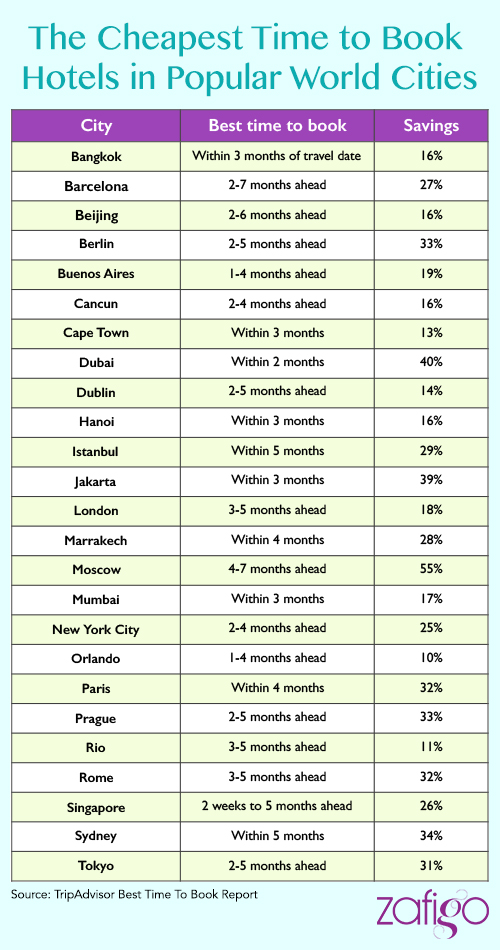
The Continuous Quest for the Best Deal
Ultimately, the question of “When is the best time to book hotels?” doesn’t have a static answer but rather a dynamic equation. It’s about understanding the variables at play—seasonality, events, location, accommodation type, and your personal travel style—and then applying the right tools and strategies.
While booking 1-3 months in advance for domestic travel and 3-6 months for international trips often provides a sweet spot between selection and price, there are always exceptions. Major events and peak holiday periods necessitate booking even earlier, sometimes 9-12 months out. Conversely, if you have immense flexibility, a last-minute deal can sometimes yield surprising savings, particularly during off-peak seasons or for midweek stays.
The key takeaway is to be informed, be flexible where possible, and leverage the vast array of online tools available. Set price alerts, compare rates across multiple platforms (OTAs, metasearch, direct hotel sites), and consider the benefits of loyalty programs. By adopting a proactive and strategic approach to your hotel bookings, you can ensure that your next stay is not only comfortable and enjoyable but also represents the best possible value for your travel dollar, allowing you to focus on the unforgettable experiences awaiting you at your chosen destination.
LifeOutOfTheBox is a participant in the Amazon Services LLC Associates Program, an affiliate advertising program designed to provide a means for sites to earn advertising fees by advertising and linking to Amazon.com. Amazon, the Amazon logo, AmazonSupply, and the AmazonSupply logo are trademarks of Amazon.com, Inc. or its affiliates. As an Amazon Associate we earn affiliate commissions from qualifying purchases.