
Navigating the temporal landscape of any destination can be a crucial aspect of travel planning, impacting everything from flight schedules to dinner reservations. For those venturing into the Centennial State, a common question arises: “Is Colorado Eastern Time?” The answer, succinctly put, is no. Understanding this temporal distinction is key to experiencing Colorado smoothly and avoiding any unexpected schedule shifts.
Understanding Time Zones in the United States
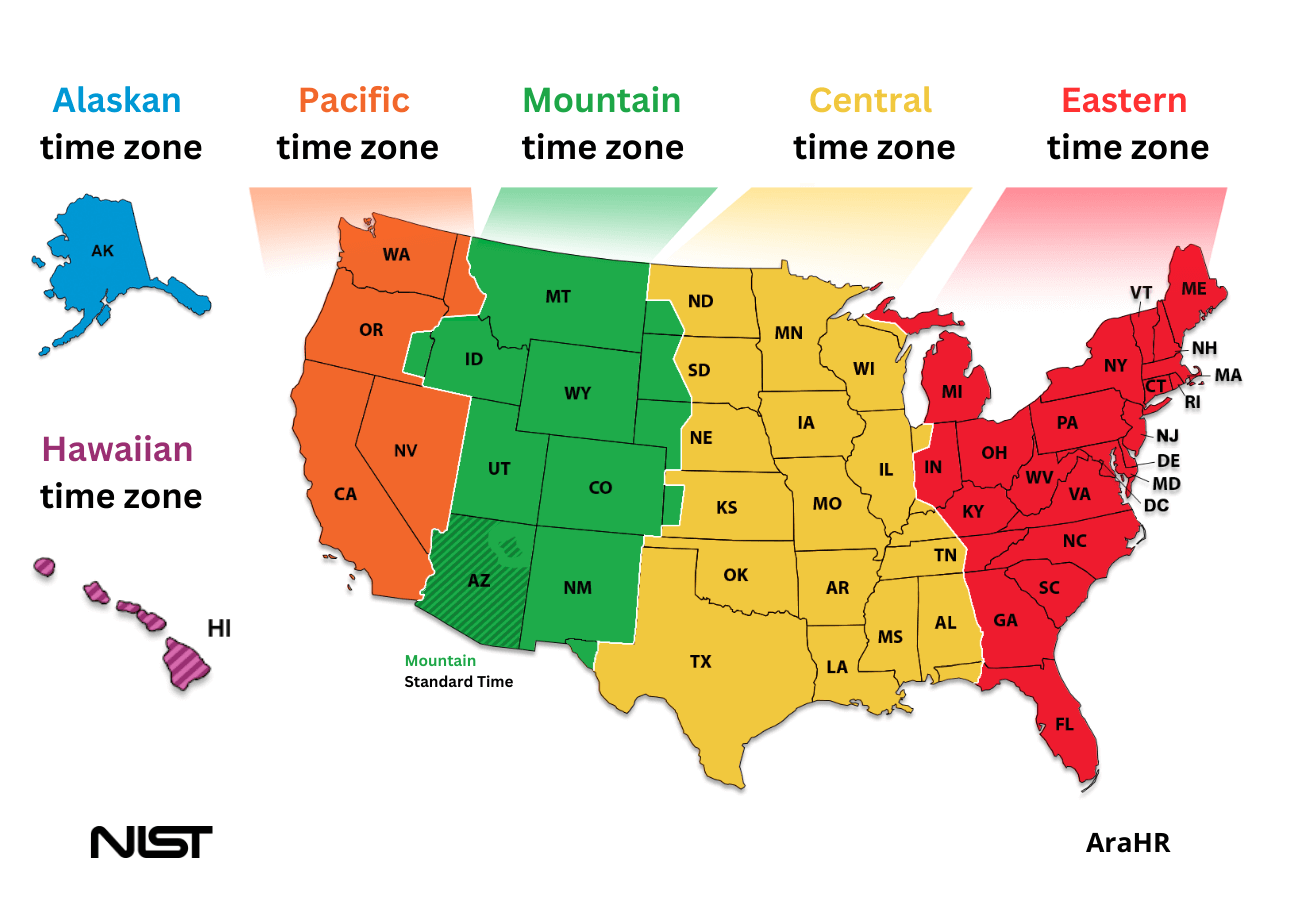
The United States, with its vast geographical expanse, is divided into several standard time zones. These zones are designed to align civil time with the solar day, ensuring that noon generally occurs when the sun is at its highest point in the sky. The primary time zones, moving from east to west, are:

- Eastern Standard Time (EST): Observed by states along the Atlantic coast and extending inland.
- Central Standard Time (CST): Covers the central portion of the country.
- Mountain Standard Time (MST): Encompasses the Rocky Mountain region.
- Pacific Standard Time (PST): Applies to the West Coast.
- Alaska Standard Time (AKST) and Hawaii–Aleutian Standard Time (HST): For the non-contiguous states.
Each of these zones is typically an hour behind the one to its east. Daylight Saving Time (DST) further complicates this, with most of the country observing an advancement of clocks by one hour during the warmer months, transitioning from Standard Time to Daylight Time.
The Continental Divide and Time Zones
The geographical demarcation line for these time zones often follows state borders, county lines, or natural features, though not always perfectly. The Continental Divide, a major hydrological feature that separates North American watersheds that empty into the Pacific Ocean from those that empty into the Atlantic Ocean, often plays a role in these divisions, though not as a direct time zone boundary itself.
Colorado’s Position in the Time Zone Map
So, where does Colorado fit into this temporal mosaic? Colorado is firmly situated within the Mountain Time Zone (MT). This means that during Standard Time, Colorado observes Mountain Standard Time (MST), which is UTC-7. When Daylight Saving Time is in effect, Colorado shifts to Mountain Daylight Time (MDT), which is UTC-6.
This places Colorado two hours behind Eastern Standard Time (EST) and one hour behind Central Standard Time (CST). For travelers coming from the Eastern or Central Time Zones, this is an important adjustment to make.
Why Colorado is Not Eastern Time
The primary reason Colorado is not on Eastern Time is its geographical location. Eastern Time Zone states are predominantly located on the eastern seaboard of the United States, along the Atlantic coast. Colorado, on the other hand, is nestled in the heart of the Mountain West, a region defined by its distinctive topography and western orientation.
The states that observe Eastern Time include well-known destinations and major cities such as New York City, Miami, Boston, and Washington D.C.. These areas are geographically much further east than the sprawling landscapes of the Rocky Mountains.
Practical Implications for Travelers
For visitors planning a trip to Colorado, understanding the time zone difference has several practical implications:
Flight Schedules and Arrival Times
When booking flights, always pay close attention to the arrival times listed. They will invariably be in Mountain Time. If you’re flying from, say, Chicago (Central Time), a flight departing at 10:00 AM CST would arrive in Denver at approximately 11:00 AM MST. The flight duration itself will be shorter by one hour compared to the time difference. Always double-check the local arrival time to avoid confusion.
Business and Meeting Coordination
For business travelers, coordinating meetings with colleagues or clients in different time zones is paramount. If you have a meeting scheduled for 2:00 PM EST, that translates to 12:00 PM MST in Colorado. Ensuring clarity on both ends can prevent missed appointments.

Tour and Activity Bookings
Many tour operators and activity providers in Colorado, whether for skiing in Aspen, hiking in Rocky Mountain National Park, or exploring the Garden of the Gods, operate on local Mountain Time. When booking online or over the phone, confirm that the stated times are indeed for MST or MDT, as appropriate.
Adjusting to the Local Rhythm
Upon arrival, it’s advisable to immediately set your watch or phone to the local Mountain Time. This helps in adjusting to the daily rhythm of meals, activities, and the natural daylight cycle. The stark difference in daylight hours, especially during summer and winter, can be quite pronounced compared to Eastern Time locations, adding to the unique experience of visiting Colorado.
Daylight Saving Time in Colorado
Like most of the United States, Colorado observes Daylight Saving Time. The state switches to Mountain Daylight Time (MDT) on the second Sunday in March and reverts to Mountain Standard Time (MST) on the first Sunday in November. This means that for roughly eight months of the year, the time difference between Colorado and Eastern Time is reduced by one hour.
- During Standard Time (roughly November to March): Colorado (MST, UTC-7) is two hours behind New York City (EST, UTC-5).
- During Daylight Saving Time (roughly March to November): Colorado (MDT, UTC-6) is one hour behind New York City (EDT, UTC-4).
This seasonal shift is a common point of confusion for travelers, so it’s always a good practice to confirm the current time in Colorado regardless of the time of year.
The “Spring Forward, Fall Back” Rule
The familiar mnemonic “Spring forward, fall back” applies to Colorado. Clocks are moved forward by one hour in the spring, and back by one hour in the fall. This adjustment is synchronized with the rest of the country, excluding a few states and territories that do not observe DST.
Exploring the Mountain Time Zone
Being in the Mountain Time Zone offers its own unique advantages and characteristics. The later sunrises and sunsets, particularly during the summer months, can provide extended daylight hours for outdoor adventures. Imagine hiking in the mountains under a bright sky well into the evening, or enjoying a scenic drive with ample light to admire the breathtaking vistas.
Sunrise and Sunset Variations
The difference in daylight hours can be significant. For instance, in the summer, you might experience sunrise around 5:30 AM MST in Denver, while sunset could be as late as 8:30 PM MST. This is considerably different from locations in the Eastern Time Zone, where summer days might start a bit earlier and end a bit sooner in terms of the sun’s position. Conversely, in winter, days are shorter everywhere, but the timing of these shorter days will still align with Mountain Time.
Cultural and Lifestyle Adjustments
While the primary impact of time zones is logistical, there can also be subtle influences on local culture and lifestyle. Evening activities might naturally extend later, and the pace of life can sometimes feel more relaxed, particularly with the extended daylight in summer. Many of Colorado’s most popular attractions, from the vibrant city life of Denver to the serene beauty of the San Juan Mountains, are best enjoyed with ample daylight.
Staying Informed About Time in Colorado
To ensure a seamless travel experience in Colorado, here are a few tips for staying informed about the correct time:
- Check Your Devices: Most smartphones and smartwatches automatically update to the local time zone when you arrive in a new location. However, it’s always good practice to verify this upon arrival.
- Consult Local Resources: Websites for Colorado tourism, major cities like Denver or Boulder, and specific attractions will always list event times and operating hours in Mountain Time.
- Use Online Time Converters: If you need to coordinate with someone in a different time zone, online time zone converters are invaluable tools. Simply input the current time in Colorado and your desired destination to see the corresponding local time.
- Be Mindful of DST Changes: Remember the DST transition dates. A quick search for “Daylight Saving Time US dates” will provide the exact schedule for the current year.
In conclusion, Colorado is definitively not in the Eastern Time Zone. It resides in the Mountain Time Zone, observing MST and MDT. Understanding this fundamental temporal difference is a simple yet critical step in planning your visit, ensuring that your adventures in the stunning landscapes of the Centennial State are as smooth and enjoyable as possible. Embrace the rhythm of the Rockies, and let the unique light of Mountain Time illuminate your travels.
LifeOutOfTheBox is a participant in the Amazon Services LLC Associates Program, an affiliate advertising program designed to provide a means for sites to earn advertising fees by advertising and linking to Amazon.com. Amazon, the Amazon logo, AmazonSupply, and the AmazonSupply logo are trademarks of Amazon.com, Inc. or its affiliates. As an Amazon Associate we earn affiliate commissions from qualifying purchases.