
Colorado, often celebrated for its breathtaking Rocky Mountains, vibrant cities, and outdoor lifestyle, has seen a dramatic increase in its population over the last few decades. This surge in popularity, coupled with a booming economy, invariably raises the question for prospective residents: is Colorado expensive to live in? The answer, while nuanced, generally leans towards “yes,” especially when compared to the national average. However, the exact cost can vary significantly depending on where one chooses to settle within the Centennial State and the lifestyle one maintains.
Understanding Colorado’s Cost of Living Landscape
Colorado’s cost of living consistently ranks above the national average, primarily driven by its housing market. While other expenses like transportation, groceries, and utilities can be on par with or slightly above national figures, housing often tips the scales significantly. The state’s allure, stemming from its natural beauty, abundant recreational opportunities, and robust job market in sectors like technology, aerospace, and renewable energy, contributes to high demand for residency.
Overall Affordability Index
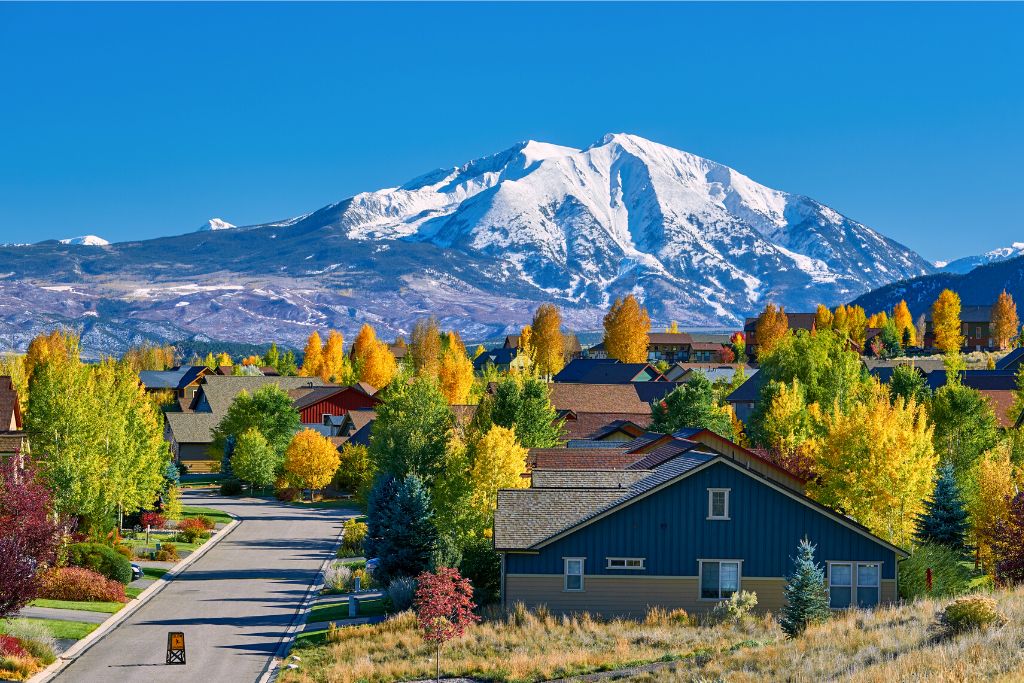
According to various economic indices, Colorado’s overall cost of living can be 15-30% higher than the national average. This is a broad generalization, as urban centers like Denver and Boulder push this average higher, while more rural or less-developed areas offer a comparatively lower cost of entry. The state’s economic prosperity, while beneficial for employment, simultaneously fuels higher costs for goods and services as businesses adjust to increased operational expenses, including wages and rent.
Key Factors Driving Costs
Several interconnected factors contribute to Colorado’s elevated cost of living. First, population growth has been exponential. As more people move to the state, demand for housing, infrastructure, and services escalates, naturally driving up prices. Second, the geography plays a role; building in mountainous or environmentally sensitive areas can be more expensive, passing those costs onto consumers. Third, the strong job market and high median incomes in some areas support higher price points, as residents can generally afford more. Finally, Colorado’s appeal as a recreational hub means that even tourist-driven economies can influence local prices for permanent residents, especially in popular mountain towns.
Deconstructing Major Expenses
To truly understand the cost of living in Colorado, it’s essential to break down the primary expenditure categories that impact a household budget.
Housing: The Dominant Factor
Housing is unequivocally the largest contributor to Colorado’s high cost of living. Both rental prices and home purchase prices significantly exceed national averages, particularly in the Front Range urban corridor.
Rental Market Dynamics
In cities like Denver, Boulder, and Fort Collins, average rent for a one-bedroom apartment can easily range from $1,500 to $2,000 per month, with Boulder often pushing well beyond that. Even two-bedroom apartments can command rents upwards of $2,500-$3,000 in these desirable areas. Colorado Springs, while historically more affordable, has also seen substantial increases, though it generally remains a more budget-friendly option compared to its northern counterparts.
Homeownership Challenges
For those looking to buy, the challenge is even greater. The median home price across Colorado often hovers between $500,000 and $600,000, significantly higher than the national median. In competitive markets such as Denver, Boulder, or luxurious mountain towns like Aspen and Vail, median prices can easily climb into the seven figures. Limited inventory, coupled with intense buyer demand and continued migration, creates a highly competitive and expensive purchasing environment.
Transportation Costs
While not as disproportionately high as housing, transportation costs in Colorado are generally at or slightly above the national average. The state’s sprawling geography and reliance on personal vehicles, especially outside of Denver’s public transit system, mean higher expenses for gas, vehicle maintenance, and insurance. Gas prices tend to track national trends, but insurance premiums can be higher due to factors like hail damage, increased traffic, and accident rates in growing urban areas. Public transportation exists primarily in major metropolitan areas like Denver and Boulder (RTD services), offering a more affordable alternative for commuters in those specific corridors.
Utilities and Groceries
Utility costs in Colorado are generally comparable to the national average, though seasonal variations play a significant role. Winters can bring higher heating bills, while summers, especially in dryer, warmer climates, might see increased electricity use for air conditioning. Water costs can vary by municipality and usage, reflecting the value of this resource in a semi-arid state. Internet and cable services are in line with national pricing.
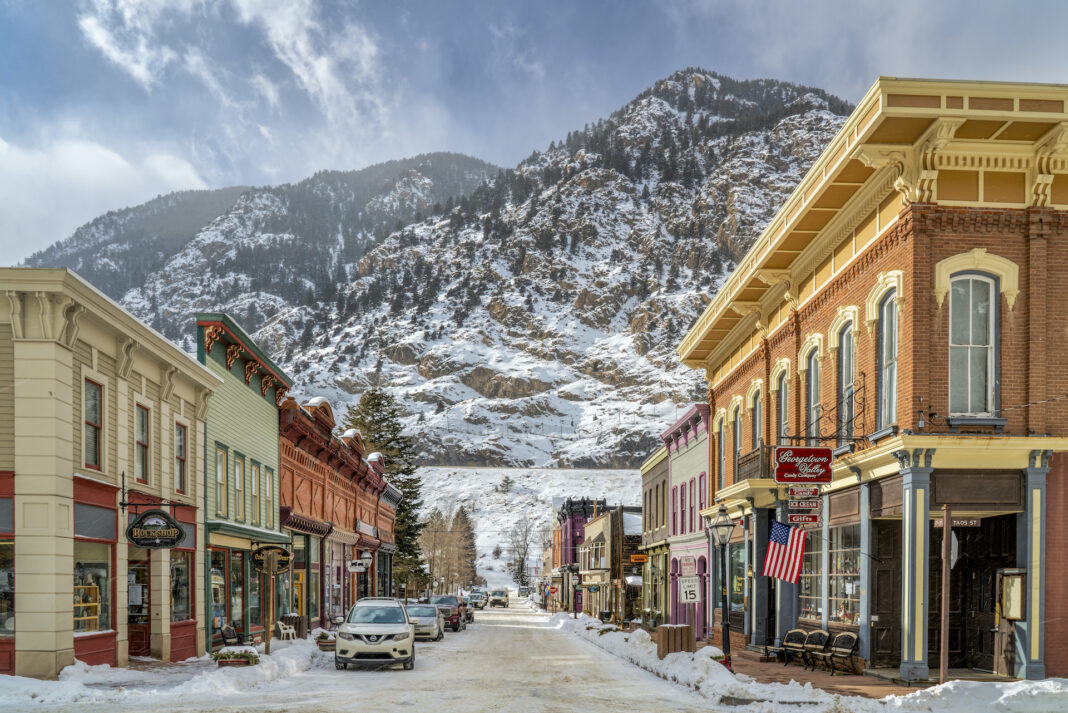
Groceries in Colorado are slightly more expensive than the national average. This can be attributed to transportation costs for goods, particularly for areas further from major distribution hubs, and the generally higher cost of doing business in the state. Dining out, especially in popular tourist areas or upscale neighborhoods, can also be considerably more expensive than in many other parts of the country.
Healthcare and Miscellaneous
Healthcare costs in Colorado are often cited as being above the national average, reflecting a broader trend in the United States. Premiums, deductibles, and out-of-pocket expenses can be a significant part of a household budget.
Miscellaneous expenses, encompassing everything from entertainment and recreation to clothing and personal care, tend to mirror the general cost of living. Given Colorado’s emphasis on outdoor activities, recreational pursuits like ski passes, national park entries, and gear can add up. State and local taxes, including sales tax and property taxes, also contribute to the overall financial landscape.
Regional Variations: A Tale of Two Colorados
The “expensive” label for Colorado is not uniform. The state presents a stark contrast in living costs depending on the region.
Urban Centers vs. Rural Retreats
The Front Range corridor, encompassing cities from Fort Collins down through Denver and to Colorado Springs, represents the most expensive areas to live. These are the economic engines of the state, with high-paying jobs, cultural attractions, and dense populations driving up costs. Moving eastward onto the plains or into less-developed western slope areas, the cost of living generally decreases. Housing prices drop, and the pace of life slows, offering a more traditional and often more affordable experience.
Mountain Towns: Luxury and Isolation
On the other end of the spectrum are Colorado’s renowned mountain towns. While offering unparalleled access to nature and world-class skiing, places like Aspen, Vail, Telluride, and Breckenridge are among the most expensive places to live in the entire United States. Housing here is scarce and astronomically priced, often catering to a wealthy second-home market or luxury tourism. Even basic goods and services can be significantly marked up due to transportation challenges and the premium associated with their exclusive locations.
The Affordable Alternatives
For those seeking the Colorado lifestyle on a tighter budget, certain areas offer more feasibility. Cities like Pueblo or Grand Junction, while still growing, tend to have lower housing costs and a more accessible overall cost of living. Even within the Front Range, some suburbs or smaller towns outside the immediate metropolitan hubs might offer a slight reprieve, though the commute to major employment centers could negate some of the savings.
Lifestyle Choices and Budgeting in the Centennial State
Living expensively in Colorado is often a choice as much as a circumstance. While housing costs can be unavoidable, other aspects of daily life can be managed to fit a budget.
Finding Value in Recreation
Colorado’s greatest assets—its mountains, forests, and parks—offer abundant free or low-cost recreational opportunities. Hiking, biking, camping, and exploring national forests are accessible ways to enjoy the outdoors without breaking the bank, offsetting the cost of pricier activities like skiing or guided tours. Investing in annual passes for state parks or specific recreational areas can also provide long-term savings.
Smart Spending Strategies
Adopting smart spending habits, such as cooking at home, utilizing public transportation where available, and seeking out local deals, becomes crucial in managing a budget in Colorado. Many communities have farmers’ markets and local co-ops that can offer competitive prices on groceries. Exploring second-hand markets for outdoor gear or household items can also significantly reduce expenses.

Income vs. Expenses: The Colorado Salary Perspective
It’s important to consider that Colorado’s higher cost of living is often, though not always, accompanied by higher median incomes, particularly in its booming tech and professional sectors. A robust job market can help offset some of the expenses, but careful budgeting and a realistic understanding of local wages versus costs are essential. Prospective residents should research average salaries for their profession in their target Colorado city to ensure a comfortable lifestyle is attainable.
In conclusion, Colorado is generally an expensive state to live in, with housing being the primary driver of this cost. However, the experience of affordability is highly localized and dependent on personal lifestyle choices. While the allure of the mountains and thriving cities continues to draw people in, understanding the financial landscape and planning accordingly is key to thriving in the Centennial State.
LifeOutOfTheBox is a participant in the Amazon Services LLC Associates Program, an affiliate advertising program designed to provide a means for sites to earn advertising fees by advertising and linking to Amazon.com. Amazon, the Amazon logo, AmazonSupply, and the AmazonSupply logo are trademarks of Amazon.com, Inc. or its affiliates. As an Amazon Associate we earn affiliate commissions from qualifying purchases.