
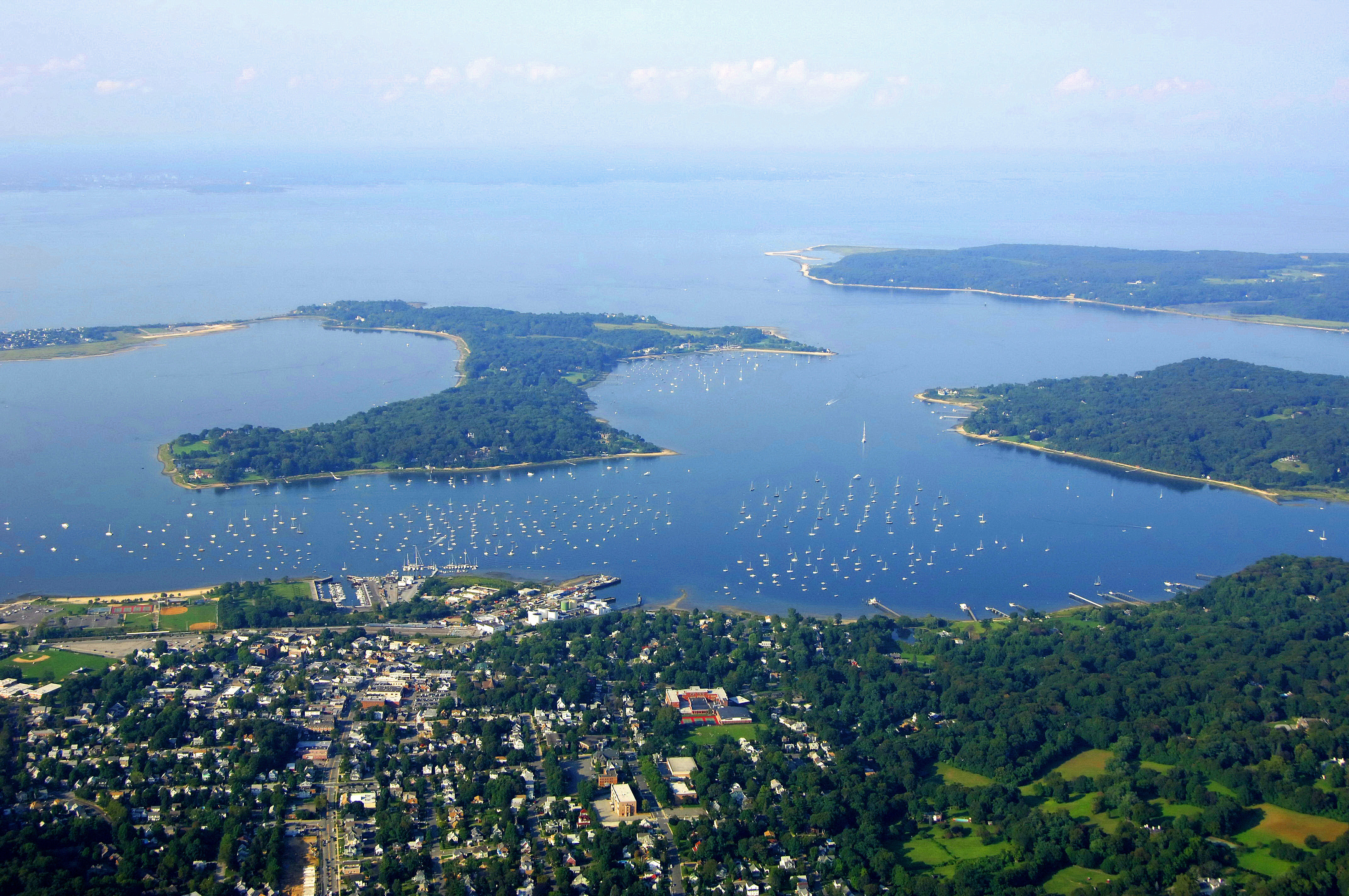
Oyster Bay, New York, is a captivating hamlet and town located on the northern shore of Long Island. Nestled within Nassau County, this picturesque locale offers a rich tapestry of history, natural beauty, and vibrant community life, making it a desirable destination for both residents and visitors. Its strategic position along the Long Island Sound provides breathtaking waterfront views and a gateway to a plethora of recreational activities. Understanding the geographical placement and unique characteristics of Oyster Bay is key to appreciating its charm and the experiences it offers.
The name “Oyster Bay” itself hints at its historical significance, stemming from the abundant oyster beds that once flourished in its waters. This natural bounty played a crucial role in the area’s early development and economy. Today, while the oyster industry may not be as dominant, the spirit of maritime heritage and a deep connection to the water remain central to the identity of Oyster Bay. The town encompasses a broader area, including villages and hamlets, each with its own distinct character, but all sharing the common thread of being part of this esteemed region.

Geographical Significance and Natural Wonders
Oyster Bay’s location on the North Shore of Long Island is one of its most defining features. It overlooks the expansive Long Island Sound, a tidal strait that separates Long Island from Connecticut. This proximity to the water dictates much of the area’s climate, its ecological systems, and the lifestyle of its inhabitants. The coastline is characterized by a mix of sandy beaches, rocky shores, and verdant bluffs, offering diverse scenic vistas.
Parks and Preserves
The natural beauty of Oyster Bay is preserved and celebrated through its numerous parks and nature preserves. These areas provide crucial habitats for local wildlife and offer residents and visitors ample opportunities for outdoor recreation and connection with nature.
- Bailey Arboretum: This sprawling arboretum, established by the descendants of railroad magnate Edgar Mortimer Queeny, is a testament to the area’s commitment to conservation and education. It features a diverse collection of trees and plants, walking trails, and educational programs, making it a peaceful retreat for nature lovers.
- Oyster Bay National Wildlife Refuge: Located within the hamlet, this refuge is a vital sanctuary for migratory birds and aquatic life. Its wetlands and surrounding waters are critical for the survival of numerous species, particularly waterfowl. Visitors can observe birdlife and appreciate the delicate balance of this coastal ecosystem.
- Cove Neck Beach Park: Offering panoramic views of the Long Island Sound, this park provides access to a beautiful beach, perfect for swimming, sunbathing, and picnicking. The gentle lapping of waves and the fresh sea breeze create a serene atmosphere.
- Sweet Briar Nature Center: This center is dedicated to educating the public about the local environment. It features nature trails, live animal exhibits, and workshops, fostering a deeper understanding and appreciation for the natural world of Oyster Bay.
The interplay between land and sea in Oyster Bay creates a dynamic landscape that is both aesthetically pleasing and ecologically significant. The commitment to preserving these natural spaces ensures that the area remains a desirable place to live, visit, and explore for generations to come.
Historical Roots and Cultural Heritage
Oyster Bay’s history is as rich and varied as its landscape. From its origins as a colonial settlement to its role as a summer retreat for America’s elite, the area is steeped in fascinating stories and significant landmarks.
Colonial Era and Early Development
The first European settlers arrived in Oyster Bay in the mid-17th century. Drawn by the fertile land and the abundant marine resources, they established a community that would grow and evolve over the centuries. The area was part of the original English colonial settlements on Long Island, and its strategic location played a role in various historical events, including the American Revolution. The maritime trade, particularly the harvesting and export of oysters, was a cornerstone of its early economy, shaping its identity and attracting a steady stream of inhabitants.
Theodore Roosevelt’s Legacy
Perhaps the most prominent historical figure associated with Oyster Bay is President Theodore Roosevelt. His beloved home, Sagamore Hill, located in the neighboring hamlet of Cove Neck, served as his “Summer White House.” This estate is now a National Historic Site and a major attraction, offering a glimpse into the life and times of one of America’s most influential presidents. Visitors can tour the house, explore the grounds, and learn about Roosevelt’s conservation efforts and his impact on American policy. The presence of Sagamore Hill firmly places Oyster Bay on the historical map of the United States.
Gilded Age Summer Resort
During the late 19th and early 20th centuries, Oyster Bay became a favored summer destination for affluent families. Grand estates and opulent mansions dotted the landscape, attracting prominent industrialists, financiers, and socialites. This era, often referred to as the Gilded Age, left a lasting architectural and cultural imprint on the region. While many of these grand estates have since been repurposed or have disappeared, their influence can still be felt in the area’s elegant architecture and its enduring reputation as a place of refined beauty and historical significance. The legacy of this period continues to be a draw for those interested in history, architecture, and the opulent lifestyles of a bygone era.
Experiencing Oyster Bay Today
Modern-day Oyster Bay offers a vibrant blend of its historical charm and contemporary amenities, making it a dynamic and engaging place to explore. The town has successfully preserved its heritage while fostering a thriving community with diverse attractions.
Downtown Charm and Local Flavors
The heart of the hamlet of Oyster Bay is its picturesque downtown area. Lined with charming boutiques, art galleries, and diverse eateries, it invites leisurely strolls and discovery. The waterfront promenade offers stunning views of the harbor and is a perfect spot for a relaxing afternoon.
- Dining: Oyster Bay boasts a culinary scene that ranges from casual seafood shacks to upscale dining establishments. Many restaurants capitalize on the proximity to the water, offering fresh catches and local specialties. From waterfront dining with harbor views to cozy bistros tucked away on side streets, there are options to satisfy every palate.
- Shopping: The boutiques and shops in downtown Oyster Bay provide a unique shopping experience. Visitors can find artisanal crafts, locally made products, and distinctive gifts, making it a delightful place to browse and find treasures.
Recreational Activities
The natural setting of Oyster Bay lends itself to a wide array of recreational pursuits. The Long Island Sound and its surrounding waters are central to many of these activities.
- Boating and Sailing: The Oyster Bay Harbor is a popular destination for boaters and sailors. Numerous marinas and yacht clubs cater to a vibrant boating community, offering opportunities for day trips, charters, and exploring the coastline.
- Water Sports: Beyond sailing, kayaking, paddleboarding, and swimming are popular activities, especially during the warmer months. The calm waters of the harbor and the more open waters of the Sound offer different experiences for water enthusiasts.
- Fishing: Both saltwater and freshwater fishing opportunities abound in and around Oyster Bay. Anglers can try their luck from piers, charter boats, or designated fishing spots.
- Events and Festivals: Throughout the year, Oyster Bay hosts various community events, farmers’ markets, and festivals. These gatherings celebrate local culture and provide entertainment for all ages, often taking advantage of the pleasant weather and scenic surroundings.

Proximity to Other Attractions
Oyster Bay serves as an excellent base for exploring other attractions on Long Island. Its location provides relatively easy access to:
- The Hamptons: Known for their upscale resorts, pristine beaches, and celebrity residents, the Hamptons are a popular day trip or weekend excursion.
- North Fork: Famous for its vineyards and agricultural charm, the North Fork offers wine tasting and a more rural experience.
- New York City: For those seeking urban adventure, Manhattan is accessible via train or car, offering world-class museums, theaters, and dining.
In essence, Oyster Bay is more than just a geographical location; it is an experience. It is a place where history whispers from the grand estates, where the natural beauty of the Long Island Sound captivates the senses, and where a warm community spirit welcomes all who visit. Whether you are drawn by its historical significance, its natural allure, or its vibrant local life, Oyster Bay offers a rewarding and memorable destination on the famed North Shore of Long Island.
LifeOutOfTheBox is a participant in the Amazon Services LLC Associates Program, an affiliate advertising program designed to provide a means for sites to earn advertising fees by advertising and linking to Amazon.com. Amazon, the Amazon logo, AmazonSupply, and the AmazonSupply logo are trademarks of Amazon.com, Inc. or its affiliates. As an Amazon Associate we earn affiliate commissions from qualifying purchases.