
The question “Is Colorado the Midwest?” often sparks lively debate, much to the amusement of long-time residents and geography enthusiasts alike. For many, the image of the Midwest conjures up vast, flat farmlands, bustling industrial cities, and a distinct cultural sensibility rooted in agriculture and manufacturing. Colorado, however, paints an entirely different picture: jagged, snow-capped peaks, high-altitude deserts, and a vibrant culture centered around outdoor adventure and a pioneering spirit. This article will delve into the geographic, cultural, and economic distinctions that firmly place Colorado in the American West, exploring why the misconception persists and what makes the Centennial State a truly unique destination for travelers seeking diverse experiences, from luxurious mountain resorts to rustic backcountry adventures.

Defining the Midwest: A Geographic and Cultural Perspective
To understand why Colorado is not the Midwest, it’s essential first to define what the Midwest truly is. Geographically and culturally, the Midwest is a distinct region of the United States with specific characteristics.
The Traditional Midwest States and Their Defining Traits
The traditional Midwest encompasses a broad swathe of states generally situated between the Rocky Mountains to the west and the Appalachian Mountains to the east, and north of the Ohio River. These include Illinois, Indiana, Iowa, Kansas, Michigan, Minnesota, Missouri, Nebraska, North Dakota, Ohio, South Dakota, and Wisconsin.
The dominant geographic feature of much of the Midwest is the vast, fertile Great Plains, characterized by flat to gently rolling terrain ideal for agriculture. The climate is typically continental, with cold winters and hot, humid summers, often prone to severe thunderstorms and tornadoes. Economically, the Midwest has historically been the nation’s breadbasket, with corn, soybeans, and livestock forming the backbone of its agricultural sector. It also boasts a rich industrial heritage, often referred to as the “Rust Belt,” known for its manufacturing prowess in automotive, steel, and other heavy industries. Culturally, Midwesterners are often stereotyped as friendly, resilient, and hardworking, valuing community, family, and a strong work ethic. Their cuisine often reflects hearty, comfort-food traditions, and their music traditions lean towards folk, country, and blues, distinct from the Western or Southwestern influences found further west.
Geographic Boundaries: Where Does the Midwest End?
The western boundary of the Midwest is generally considered to be the 100th meridian west longitude, a line that roughly marks the transition from the humid eastern United States to the arid western regions. This line runs through the middle of Kansas and Nebraska, effectively placing those states’ western halves in a transitional zone but still largely within the broader Midwestern definition due to their shared cultural and economic ties. Importantly, the Rocky Mountains serve as a natural and definitive western barrier, marking a stark contrast in topography, climate, and ecology that clearly separates the plains of the Midwest from the rugged terrain of the Mountain West. Any state predominantly west of the Missouri River and certainly west of the Great Plains with significant mountainous features generally falls outside the traditional definition.
Colorado’s True Identity: The Mountain West
Against this backdrop, Colorado’s identity as a quintessential Western state becomes unmistakably clear. It embodies the spirit and geography of the Mountain West, a region distinct from both the Midwest and the Pacific Coast.
Geographic Reality: The Rocky Mountains and High Plains
The most striking difference between Colorado and the Midwest is its geography. The dominant feature of Colorado is the Rocky Mountains, which run north to south through the state, encompassing some of the highest peaks in North America, including Mount Elbert, Colorado’s tallest. This mountainous spine gives way to the high plains in the eastern part of the state, which, while superficially resembling the Midwest at first glance, are significantly higher in elevation and considerably more arid than their eastern counterparts. The Continental Divide slices through the heart of Colorado, separating rivers that flow east to the Mississippi River from those that flow west to the Pacific.
The climate in Colorado is vastly different. While eastern Colorado experiences some plains weather, the mountains create numerous microclimates, characterized by dry air, abundant sunshine, and distinct seasonal variations that attract millions of visitors for both summer and winter activities. The arid to semi-arid climate contrasts sharply with the humid conditions of the Midwest, impacting everything from vegetation to water resources. This unique geography fosters an environment where outdoor recreation isn’t just a hobby; it’s a way of life, integral to the state’s identity and economy.
Cultural Distinctions: Outdoor Lifestyle and Frontier Spirit
Colorado’s culture is imbued with a modern frontier spirit, shaped by its rugged landscape and a historical legacy of mining, ranching, and westward expansion. This manifests in an emphasis on outdoor recreation, health, and wellness. Cities like Denver, Boulder, and Colorado Springs consistently rank high for active lifestyles, with residents embracing skiing, snowboarding, hiking, mountain biking, and climbing as core components of their daily lives.
The cultural fabric is less rooted in the traditional agricultural and industrial foundations of the Midwest and more focused on innovation, environmental consciousness, and a relaxed, casual approach to life. The culinary scene, while diverse, often features influences from Southwestern and mountain cuisines, emphasizing local produce, craft breweries, and unique dining experiences. The arts and music scene also reflect this distinct identity, with a strong presence of indie bands, outdoor concerts at venues like Red Rocks Park and Amphitheatre, and galleries showcasing Western and contemporary art.
Economic Landscape: Tourism, Tech, and Outdoor Recreation

Economically, Colorado stands apart. While agriculture (especially cattle ranching and specialty crops) still plays a role, the state’s economy is increasingly driven by tourism, technology, aerospace, and outdoor recreation industries. Major tech companies have established significant presences in the Denver and Boulder areas, fostering a dynamic and innovative job market. The ski industry, with world-renowned resorts such as Vail, Aspen, and Breckenridge, is a massive economic engine, drawing millions of visitors annually.
The focus on professional services, tech startups, and the booming cannabis industry further differentiates Colorado from the more traditional manufacturing and agricultural sectors prevalent in the Midwest. This economic diversification has attracted a diverse population, contributing to a cosmopolitan atmosphere that blends Western ruggedness with modern sophistication.
Tourism and Travel: Colorado’s Unique Appeal
For travelers, Colorado offers an unparalleled array of experiences that cater to every type of adventurer, luxury seeker, or culture enthusiast, making it a prime destination for travel and tourism that aligns perfectly with the lifeoutofthebox.com ethos.
Iconic Destinations and Natural Wonders
Colorado’s landscape is dotted with breathtaking natural wonders and vibrant urban centers, making it a dream destination.
- National Parks: Rocky Mountain National Park offers stunning alpine vistas, abundant wildlife, and endless hiking opportunities. Mesa Verde National Park preserves ancient Pueblo cliff dwellings, offering a deep dive into Native American history. Great Sand Dunes National Park and Preserve provides a surreal landscape of towering sand dunes against a backdrop of mountains, while Black Canyon of the Gunnison National Park mesmerizes with its dramatic, sheer cliffs.
- Cities: Denver, the state capital, is a bustling metropolis known for its craft breweries, vibrant arts scene, and historic Union Station. Boulder is a mecca for outdoor enthusiasts and wellness seekers, famed for its Flatirons mountains and progressive culture. Aspen, Vail, Breckenridge, and Telluride are world-class ski towns that transform into hiking and cultural hubs in the summer. Colorado Springs offers access to Pikes Peak and the stunning rock formations of Garden of the Gods. Durango and Grand Junction serve as gateways to the rugged beauty of southwestern and western Colorado, respectively. Fort Collins combines a vibrant craft beer scene with a charming old town and proximity to outdoor activities.
Accommodation and Lifestyle: From Luxury to Adventure
Colorado offers an extensive range of accommodation options to suit any travel style or budget, emphasizing the state’s diverse appeal. For those seeking luxury travel, resorts like The Broadmoor in Colorado Springs provide five-star amenities amidst stunning scenery. In Denver, the Four Seasons Hotel Denver offers urban sophistication. The ski towns boast iconic luxury hotels such as The Little Nell and the St. Regis Aspen Resort in Aspen. Beyond opulent hotels, travelers can find charming boutique hotels, cozy bed & breakfasts, and a plethora of vacation rentals, from secluded cabins in the mountains to spacious apartments in urban centers. For budget travelers, numerous campgrounds, hostels, and more affordable inns provide excellent bases for exploration.
The lifestyle promoted by Colorado travel is one of active engagement with nature, whether it’s through thrilling adventure sports, serene wilderness retreats, or family-friendly outdoor activities. There are countless opportunities for long-term stays, allowing visitors to fully immerse themselves in the local culture and explore the vast natural playground at their leisure.
Culinary Scene and Local Experiences
Colorado’s tourism sector excels at offering unique local experiences. The state is a leader in the craft beer movement, with more breweries per capita than almost any other state, making brewery tours a popular activity. The food scene is dynamic, influenced by the fresh, local produce of the high plains, the hearty traditions of the mountains, and a growing farm-to-table philosophy. Iconic dishes include Colorado green chile, elk burgers, and Palisade peaches. From high-end dining in Aspen to casual food trucks in Denver, the state offers a rich gastronomic journey. Cultural activities range from rodeos and Western festivals in small towns to world-class music and art performances in its major cities, truly showcasing a unique blend of heritage and modernity.
Why the Confusion? Bridging Perceptions
Given the clear distinctions, why does the question about Colorado being part of the Midwest persist? It often boils down to historical context and broad, sometimes imprecise, regional categorizations.
Historical Ties and Migratory Patterns
Historically, many early settlers of Colorado migrated from Midwestern states, particularly during the 19th-century gold rushes and homesteading movements. These settlers brought with them cultural practices, architectural styles, and agricultural techniques that may have initially influenced parts of eastern Colorado, particularly in its flatter, more agriculturally focused counties. This historical migratory pattern sometimes leads to a lingering perception of shared heritage, especially for those less familiar with the distinct geographical shifts. Furthermore, for those living in the far eastern plains of Colorado, the landscape can appear more akin to Kansas or Nebraska, blurring the lines for casual observers who might not venture into the mountainous heart of the state.
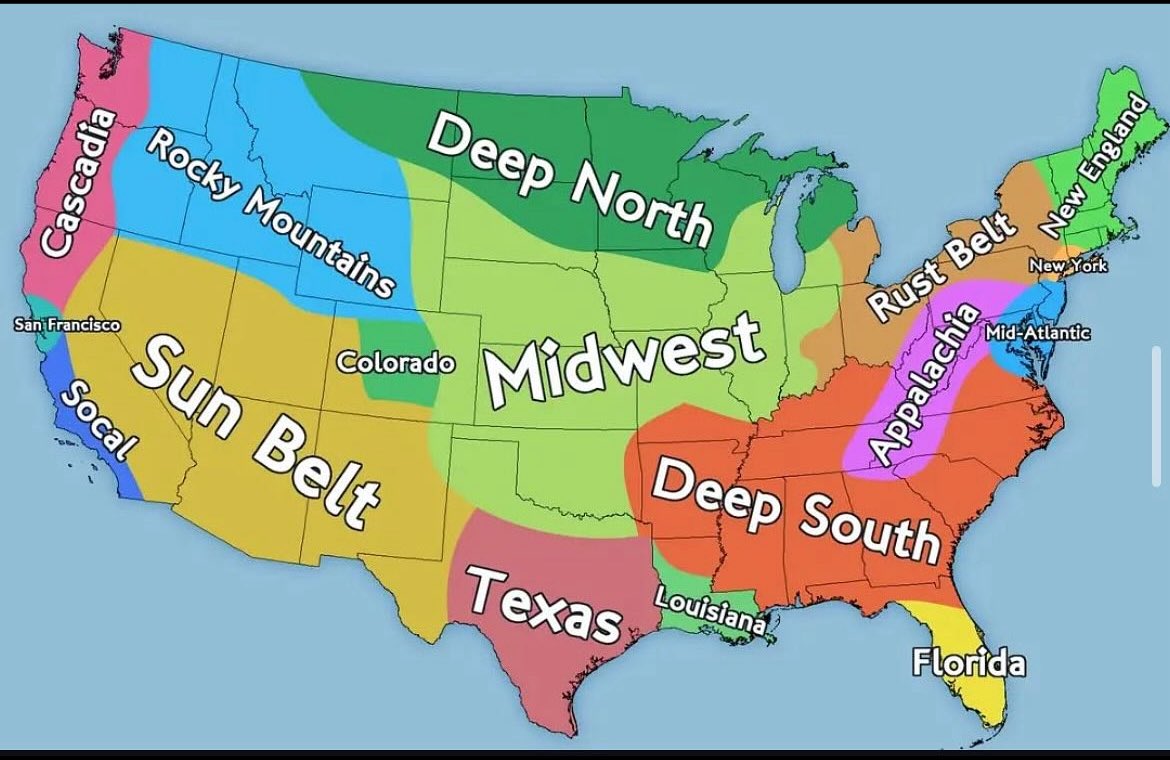
The “West” Is Vast: Regional Classifications
Another source of confusion stems from the sheer vastness of the American “West.” The term “West” can be a very broad brushstroke, encompassing everything from the Rocky Mountains to the Pacific Coast, including states like California, Nevada, Utah, Arizona, Wyoming, New Mexico, and the Pacific Northwest. Within this expansive region, more specific sub-regions exist, such as the Mountain West, the Southwest, and the Pacific Northwest. The Midwest, in contrast, is often perceived as a more geographically and culturally cohesive block. When people refer to “the West,” they might inadvertently include Colorado without fully understanding the distinct differences that set it apart from the plains states typically associated with the Midwest. The transitional nature of the states directly east of Colorado (Kansas, Nebraska) also contributes to this ambiguity, as their western reaches share some characteristics with Colorado’s eastern plains, even if the cultural and geological heart of those states remains firmly Midwestern.
In conclusion, while lingering historical ties and broad regional categorizations might occasionally cause confusion, Colorado is unequivocally a state of the American West. Its dramatic mountain landscape, arid climate, outdoor-centric culture, and diverse, modern economy stand in stark contrast to the defining characteristics of the Midwest. For anyone looking to travel, explore, or simply understand the distinct regions of the United States, Colorado offers a vibrant, adventurous, and distinctly Western experience, making it a compelling destination for unforgettable journeys.
LifeOutOfTheBox is a participant in the Amazon Services LLC Associates Program, an affiliate advertising program designed to provide a means for sites to earn advertising fees by advertising and linking to Amazon.com. Amazon, the Amazon logo, AmazonSupply, and the AmazonSupply logo are trademarks of Amazon.com, Inc. or its affiliates. As an Amazon Associate we earn affiliate commissions from qualifying purchases.