
New York City, a global epicenter of culture, finance, and tourism, beckons millions of visitors annually with its iconic landmarks, world-class dining, and unparalleled experiences. From the bustling streets of Manhattan to the vibrant neighborhoods of Brooklyn and Queens, the allure is undeniable. However, like any major metropolitan area, navigating the financial landscape of the Big Apple requires an understanding of its tax structure. Whether you’re planning a luxurious getaway, a budget-conscious family trip, or considering a long-term stay, taxes will inevitably factor into your expenses. This comprehensive guide will demystify the various tax percentages in New York City, helping you budget effectively and enjoy your time in this magnificent destination without unwelcome surprises.
For travelers, knowing about sales tax, hotel occupancy tax, and other potential levies is crucial for accurate financial planning. For those considering a more permanent move or an extended stay, understanding income and property taxes offers a clearer picture of the local lifestyle. Our aim is to provide a clear, concise breakdown that aligns with the interests of our readers—from travel enthusiasts seeking the best deals on accommodation to lifestyle connoisseurs exploring luxury experiences.
Understanding New York City’s Sales Tax: What Visitors Need to Know
The sales tax is arguably the most common tax encountered by visitors and residents alike in New York City. It applies to a broad range of goods and services, influencing everything from your morning coffee to souvenirs from Times Square. Understanding its components and applications is the first step toward smart spending in the city.
General Sales Tax in NYC
The general sales tax in New York City is a combination of New York State sales tax and Metropolitan Commuter Transportation District (MCTD) surcharge. As of our last update, the combined sales tax rate in New York City is 8.875%. This breaks down into:
- 4% New York State sales tax
- 4.5% New York City sales tax
- 0.375% MCTD surcharge
This 8.875% rate applies to most retail sales of tangible personal property and many services. When you purchase clothing, electronics, books, or dining at a restaurant, this is the percentage added to the sticker price. For instance, if you buy a meal costing $50 before tax, you’ll pay an additional $4.44 in sales tax, bringing your total to $54.44.
However, there are notable exemptions that can benefit budget-conscious travelers and shoppers. Clothing and footwear items sold for less than $110 per item are exempt from the combined 4.5% New York City sales tax and the 0.375% MCTD surcharge. This means for items under $110, you only pay the 4% New York State sales tax. If an item costs $110 or more, the full 8.875% applies. This exemption can make a significant difference when shopping along Fifth Avenue or in boutiques in SoHo. Basic food items purchased for home consumption (e.g., groceries from a supermarket) are also generally exempt from sales tax, but prepared foods and drinks consumed on-premises (like at a restaurant or café) are subject to the full 8.875% rate.
Impact on Daily Expenses for Tourists
For tourists, the sales tax will be a consistent factor in many daily transactions. When planning your budget, it’s wise to always assume the 8.875% will be added to the listed price of most goods and services, especially when dining out, buying souvenirs, or purchasing tickets for attractions such as the Empire State Building or a Broadway show.
Consider a typical day:
- Breakfast at a café: A $20 bill might turn into $21.78 after tax.
- Souvenir shopping: A t-shirt priced at $25 will cost $27.22 (if over $110) or $26.00 (if under $110, paying only New York State tax).
- Dining out: A $100 dinner bill will become $108.88 before tip.
These small additions can accumulate quickly, so incorporating them into your daily spending estimates is essential for preventing budget overruns. Many visitors enjoy exploring the unique shops and markets, and understanding this tax helps manage expectations. Travelers planning a luxury trip might find the impact less significant on their overall budget, but for those on a tighter budget or planning family trips, these percentages are critical to factor in for every purchase.
Navigating Accommodation Taxes: A Key Consideration for Your Stay
One of the largest expenditure categories for any visitor to New York City is accommodation. Whether you opt for a lavish suite in a luxury hotel, a cozy Airbnb apartment, or a budget-friendly hostel, taxes will add a substantial amount to your nightly rate. This is particularly important for both short-term tourists and individuals considering long-term stays.
Hotel Occupancy Tax Explained
New York City has a multi-layered tax structure for hotel rooms and similar transient accommodations. When you book a hotel room, you’re not just paying the advertised room rate; several taxes are applied on top of it. These generally include:
- New York State Sales Tax: The standard 4% state sales tax applies to hotel room charges.
- New York City Sales Tax: The city’s 4.5% sales tax also applies.
- MCTD Surcharge: The 0.375% surcharge is included.
- New York City Hotel Occupancy Tax: This is a specific tax levied by the city on hotel rooms, currently 5.875% of the room rate.
- Hotel Unit Fee: An additional flat fee of $1.50 per room per night.
Combining these percentages, the total effective tax rate on a hotel room in New York City is approximately 14.75% of the room rate, plus the $1.50 per night unit fee. This means a room advertised at $300 per night could effectively cost you around $344.25 per night after taxes.
It’s important to note that this applies to traditional hotels, motels, and some bed and breakfasts. Short-term rentals through platforms like Airbnb are also subject to similar taxes, though the exact application can vary based on local regulations and the platform’s collection methods. It’s always best to check the total price, including all taxes and fees, before confirming any accommodation booking.
Practical Implications for Travelers and Hoteliers
The substantial accommodation tax percentage has significant implications for both travelers and the tourism industry. For visitors, it means that the true cost of their stay will be considerably higher than the base room rate. This is particularly impactful for travelers planning extended stays or those choosing upscale options like The Plaza Hotel or The St. Regis New York.
- Budgeting: When comparing hotel prices, always look at the final cost including all taxes and fees. A seemingly cheaper hotel might end up being similar in price to another once taxes are added. This is crucial for budget travel, family trips, and business stays where expenses are closely monitored.
- Booking Decisions: The high tax rate might encourage some travelers to consider alternative accommodation options outside the city limits (though transportation costs and time would need to be factored in) or to explore options like hostels or guesthouses with lower base rates. However, many find the convenience and experience of staying within New York City worth the additional cost.
- Tourism Economy: For hoteliers and the broader tourism sector, these taxes contribute significantly to city and state revenues, which in turn support public services, infrastructure, and promotional efforts that attract more visitors. While taxes increase the cost for guests, they also fund the very environment that makes New York City such a desirable destination.
Understanding these taxes allows for more accurate budgeting, helping travelers make informed decisions when planning their journey to the bustling metropolis.
Beyond Sales and Stays: Other Relevant Taxes in New York City
While sales and accommodation taxes are the primary concerns for most visitors, New York City’s tax landscape is broader, encompassing various other levies that shape the local economy and can indirectly affect the cost of services or the overall lifestyle experience. For those considering longer visits or a move, a brief overview of income and property taxes offers valuable context.
Income Tax Considerations (Briefly)
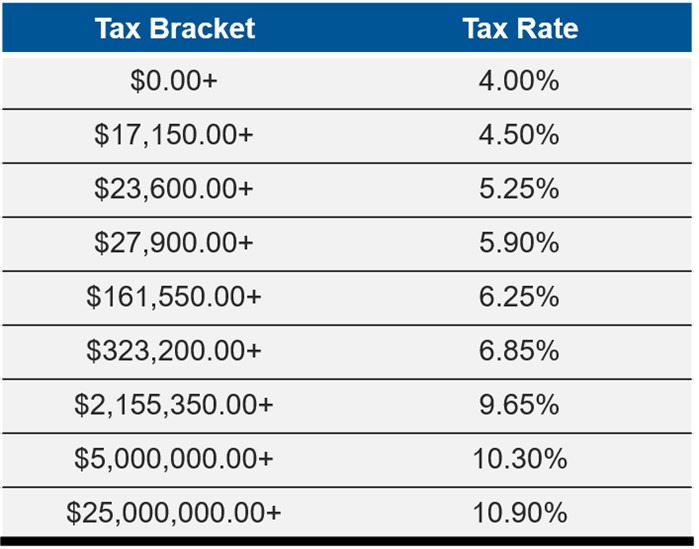
For residents, New York City imposes both New York State and New York City income taxes. New York State income tax rates are progressive, ranging from 4% to approximately 10.9% depending on income levels. On top of this, New York City levies its own income tax, also progressive, with rates typically ranging from around 3.078% to 3.876% for single filers.
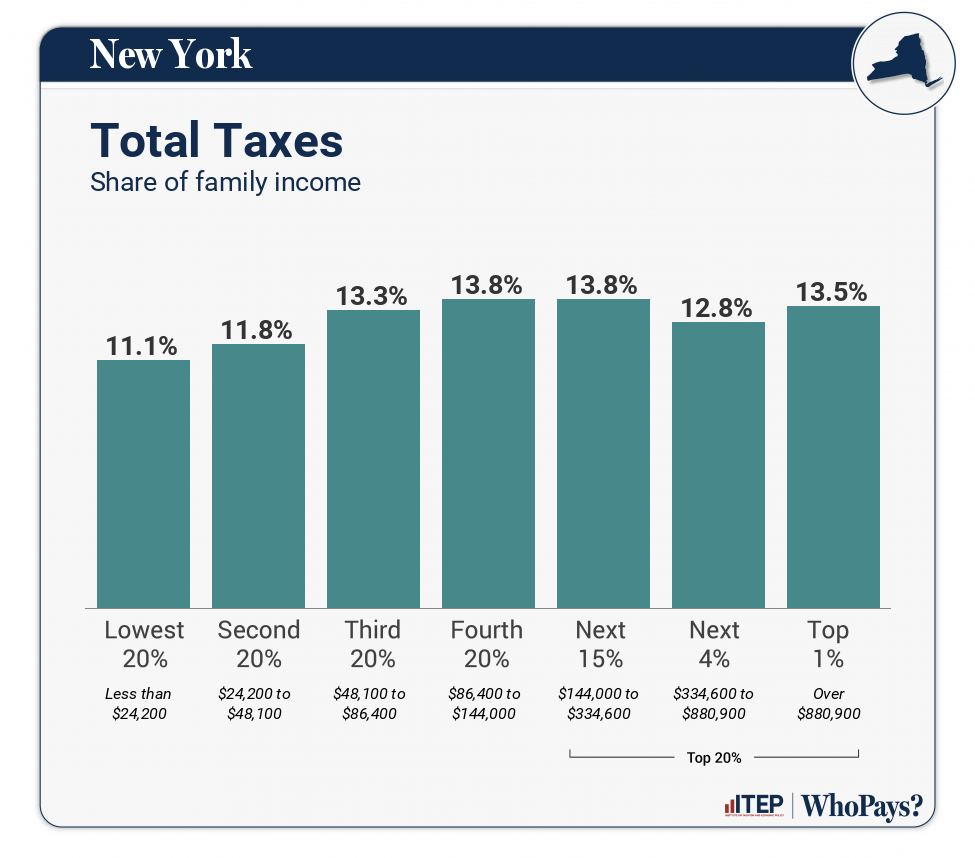
While income taxes don’t directly impact tourists purchasing goods or services, they are a fundamental part of the cost of living for New York City residents. This indirectly influences the pricing of local services, labor costs for businesses, and ultimately, the general economic environment. For individuals on long-term business stays or those looking to explore the city as a potential new home, understanding these income tax burdens is crucial for assessing the overall financial commitment of the New York City lifestyle. High income taxes are often cited as a reason for the city’s high cost of living, which in turn impacts everything from housing to dining prices.
Property Tax and Its Ripple Effects
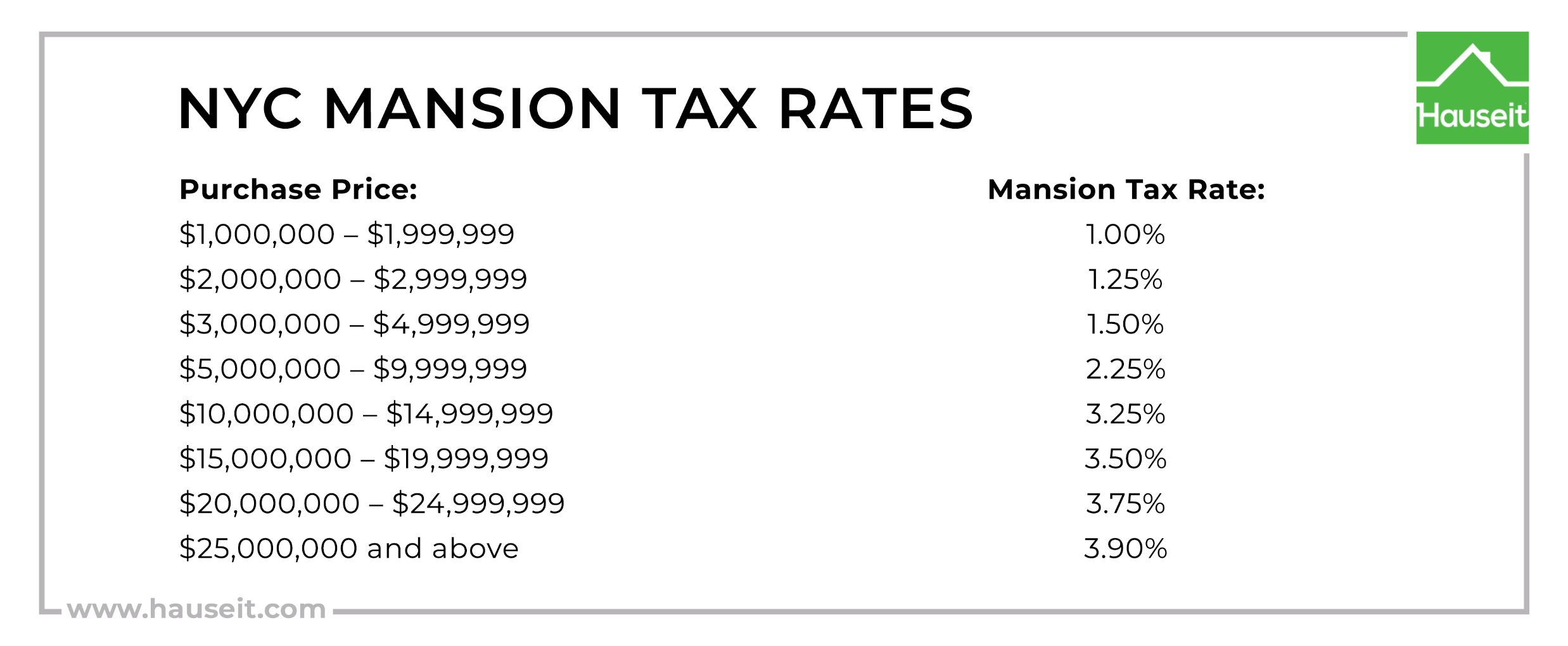
Property taxes in New York City are complex and vary significantly based on property type, location (e.g., Upper East Side versus Bronx), and assessed value. These taxes are primarily paid by homeowners and landlords. For renters, property taxes are indirectly factored into their monthly rent payments.
For tourists and short-term visitors, property taxes might seem irrelevant, but they do have a ripple effect. The high property tax burden on commercial properties and residential buildings ultimately influences rental costs for businesses and residents, which can then be passed on to consumers through higher prices for goods and services. For example, a restaurant or boutique shop in a prime Manhattan location faces substantial property tax obligations, which contribute to the cost of their operations and, subsequently, the prices on their menus or shelves. Similarly, the cost of operating hotels is impacted by property taxes, which become part of the accommodation rate before sales and occupancy taxes are even added.
Understanding these background taxes helps paint a more complete picture of why New York City can be an expensive place to visit and live, reinforcing the need for diligent financial planning for any type of stay or travel experience.
Strategic Budgeting: Minimizing Tax Impact on Your NYC Experience
Visiting New York City is an investment in unforgettable memories and experiences. While taxes are an unavoidable part of the equation, strategic planning can help you manage these costs effectively, ensuring your trip remains within budget without compromising on enjoyment. Whether it’s a luxury travel experience or a family trip on a shoestring budget, smart spending is key.
Tips for Smart Spending and Saving
Incorporating taxes into your budget from the outset is the most effective strategy. Here are some practical tips to help minimize their impact:
- Factor in Taxes for All Purchases: When you see a price tag for a meal, a souvenir, or an attraction ticket, automatically assume an additional 8.875% for sales tax. For hotel rooms, anticipate adding about 14.75% plus the $1.50 unit fee. Building this into your mental calculations or using a budgeting app can prevent overspending.
- Leverage Sales Tax Exemptions: Remember the sales tax exemption for clothing and footwear under $110. If you’re planning a shopping spree, consider purchasing individual items that fall below this threshold to save on the city portion of the sales tax. Department stores and boutiques along Madison Avenue or in Greenwich Village are popular spots to apply this strategy.
- Seek Out Free Attractions and Activities: New York City offers a wealth of free experiences that are entirely tax-free. Stroll through Central Park, walk the Brooklyn Bridge, ride the Staten Island Ferry past the Statue of Liberty, or visit many of the city’s museums on free admission days. Exploring neighborhoods like Wall Street or DUMBO also costs nothing.
- Dining Smart: While restaurant meals are subject to full sales tax, you can save by taking advantage of pre-made meals from grocery stores (which are usually sales tax-exempt for basic food items) or by packing your own snacks. Many food trucks offer delicious and often more affordable options than sit-down restaurants, though they are still subject to sales tax.
- Accommodation Alternatives: Consider accommodation options slightly outside the prime tourist areas, possibly in less central parts of Brooklyn or Queens, where hotel rates might be lower, though the same tax rates will apply. Or, for longer stays, look into serviced apartments which might have different tax implications depending on the duration and type of rental agreement. Always compare total costs including transportation.
The Value Proposition: What NYC Taxes Support
It’s easy to focus on the numbers, but it’s equally important to consider what these taxes contribute to. The revenues generated from sales tax, hotel occupancy tax, and other levies are critical for maintaining and enhancing the vibrancy of New York City. These funds support:
- Public Services: Police, fire departments, sanitation, and public health initiatives that ensure the city remains safe and clean for residents and millions of visitors.
- Infrastructure: Maintenance of roads, bridges (like the iconic Brooklyn Bridge), tunnels, and crucially, the extensive public transportation system, including the New York City subway, which is essential for navigating the city.
- Cultural Institutions: Many of the world-renowned museums, parks, and cultural programs—such as the Metropolitan Museum of Art and events in Central Park—receive public funding derived from these taxes, ensuring their accessibility and continued excellence.
- Tourism Promotion: A portion of these taxes often goes back into marketing New York City as a premier travel destination, ensuring its landmarks, attractions, and diverse cultural experiences continue to thrive and draw global attention.
By contributing to these taxes, visitors and residents alike are playing a part in sustaining the unique charm and dynamic energy that makes New York City an unparalleled place to live, work, and visit. The investment, while sometimes significant, helps preserve the very essence of what makes the city a global landmark and a center for lifestyle, tourism, and innovation.
Conclusion
Understanding the tax percentages in New York City is a fundamental aspect of planning any visit, from a brief tourist excursion to considering a permanent move. The 8.875% general sales tax and the approximately 14.75% combined hotel occupancy tax (plus a $1.50 unit fee) are the two most prominent figures that will impact the majority of visitors’ budgets. While additional income and property taxes shape the broader economic landscape for residents, their indirect effects are also felt in the overall cost of goods and services.
New York City’s tax structure, while seemingly complex, is designed to support the vast infrastructure and diverse public services that make it one of the world’s most dynamic and exciting places. By being aware of these percentages and implementing smart budgeting strategies—such as leveraging sales tax exemptions on clothing, seeking out free attractions, and carefully comparing accommodation costs—travelers can ensure a fulfilling and financially manageable experience.
Ultimately, the vibrancy, cultural richness, and endless possibilities that New York City offers far outweigh the considerations of its tax rates. With a little foresight and strategic planning, your journey through the five boroughs—from the iconic skyscrapers of Midtown to the serene paths of Prospect Park—can be as seamless and enjoyable as you’ve always dreamed. Prepare wisely, embrace the energy, and dive into the unforgettable adventure that awaits in the Big Apple.
LifeOutOfTheBox is a participant in the Amazon Services LLC Associates Program, an affiliate advertising program designed to provide a means for sites to earn advertising fees by advertising and linking to Amazon.com. Amazon, the Amazon logo, AmazonSupply, and the AmazonSupply logo are trademarks of Amazon.com, Inc. or its affiliates. As an Amazon Associate we earn affiliate commissions from qualifying purchases.