
The question of capital punishment, or the death penalty, in California is a complex and often contentious one, deeply interwoven with the state’s legal history, public opinion, and the evolving landscape of justice. While the death penalty remains on the books, its application and future are subjects of ongoing debate and legal challenges. Understanding its current status requires delving into the historical context, recent developments, and the legal mechanisms that govern its use within the Golden State.
A Historical Perspective on Capital Punishment in California
Capital punishment has a long and, at times, turbulent history in California. Executions were carried out by hanging until 1942, when the state transitioned to the gas chamber. The introduction of lethal injection in 1993 marked another shift in the method of execution. Throughout its history, capital punishment has been reserved for the most heinous crimes, typically involving murder.

The post-World War II era saw an increase in the number of individuals sentenced to death, leading to a significant population on death row at San Quentin State Prison, the state’s sole death row facility. However, the number of executions has fluctuated over the decades, influenced by legal challenges, appeals processes, and changing societal attitudes.
The late 20th and early 21st centuries have been marked by a growing number of legal challenges to the death penalty, both at the state and federal levels. These challenges often focus on the constitutionality of capital punishment itself, the methods of execution, and concerns about fairness and potential bias in its application. The lengthy appeals process inherent in capital cases means that individuals can spend decades on death row, leading to what some critics refer to as “death row waits.”
Key Milestones in California’s Death Penalty History
- 1851: The first execution by hanging in California.
- 1942: The state switches from hanging to the gas chamber.
- 1972: The California Supreme Court declares the existing death penalty law unconstitutional, temporarily halting executions.
- 1977: The legislature reenacts the death penalty statute.
- 1993: Lethal injection becomes the primary method of execution.
- 2019: Governor Gavin Newsom imposes a moratorium on executions.
The Current Legal Landscape: Moratorium and Ongoing Debates
The most significant development in recent years concerning the death penalty in California was the executive action taken by Governor Gavin Newsom in March 2019. He issued a moratorium on executions, halting all death penalty sentences and ordering the closure of the execution chamber at San Quentin State Prison. This moratorium does not repeal the death penalty statute itself but rather suspends its implementation. It means that while individuals can still be sentenced to death, no executions will take place as long as the moratorium remains in effect.
The governor’s decision was based on a variety of concerns, including the potential for wrongful convictions, racial bias in its application, and the moral questions surrounding state-sanctioned killing. He cited the significant costs associated with capital punishment, both financially and in terms of its impact on the justice system, as further justifications for his action.
The Impact of the Moratorium
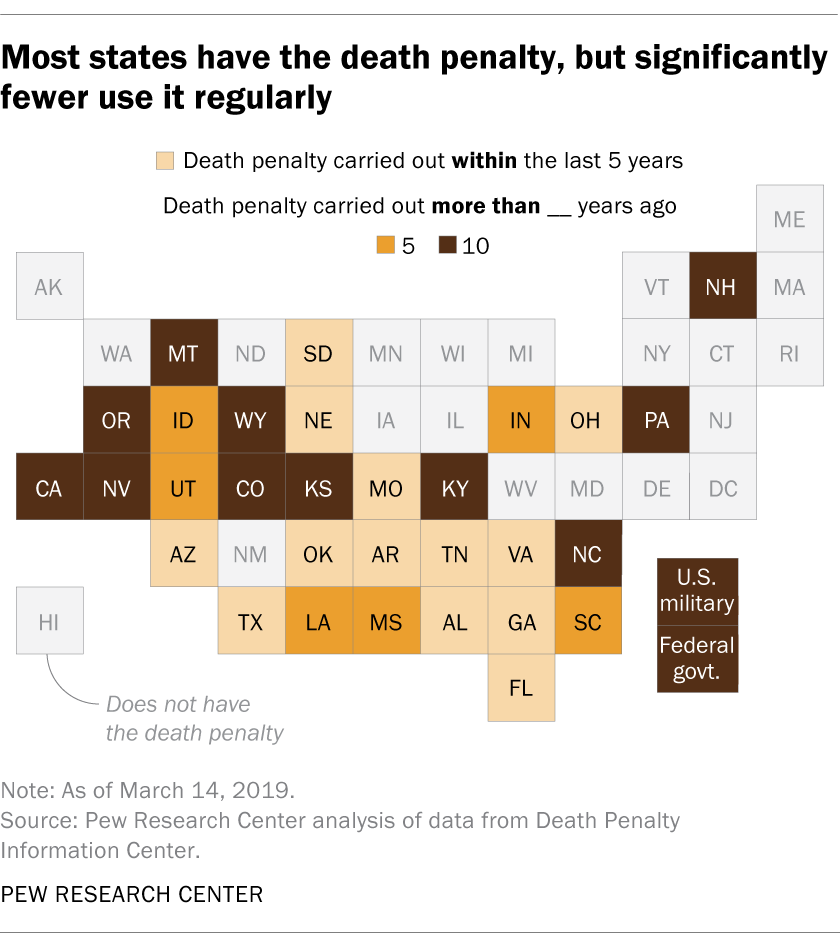
The moratorium has had a profound impact on the death row population and the legal proceedings related to capital cases. Appeals continue, and new death sentences may still be imposed, but the immediate threat of execution has been removed for all individuals on death row. The closure of the execution chamber signifies a strong statement by the current administration regarding its stance on capital punishment.
However, the moratorium is an executive action and is subject to potential reversal by future governors. Legal challenges to the moratorium itself have been raised, though they have not yet succeeded in overturning it. The long-term future of the death penalty in California remains uncertain and will likely be shaped by future elections, legislative actions, and judicial decisions.
Public Opinion and Political Influences
Public opinion on the death penalty in California has been divided for decades. While support for capital punishment has generally declined over the years, it still garners a significant portion of public backing. This division is reflected in the state’s political landscape, with differing views among elected officials and voters.
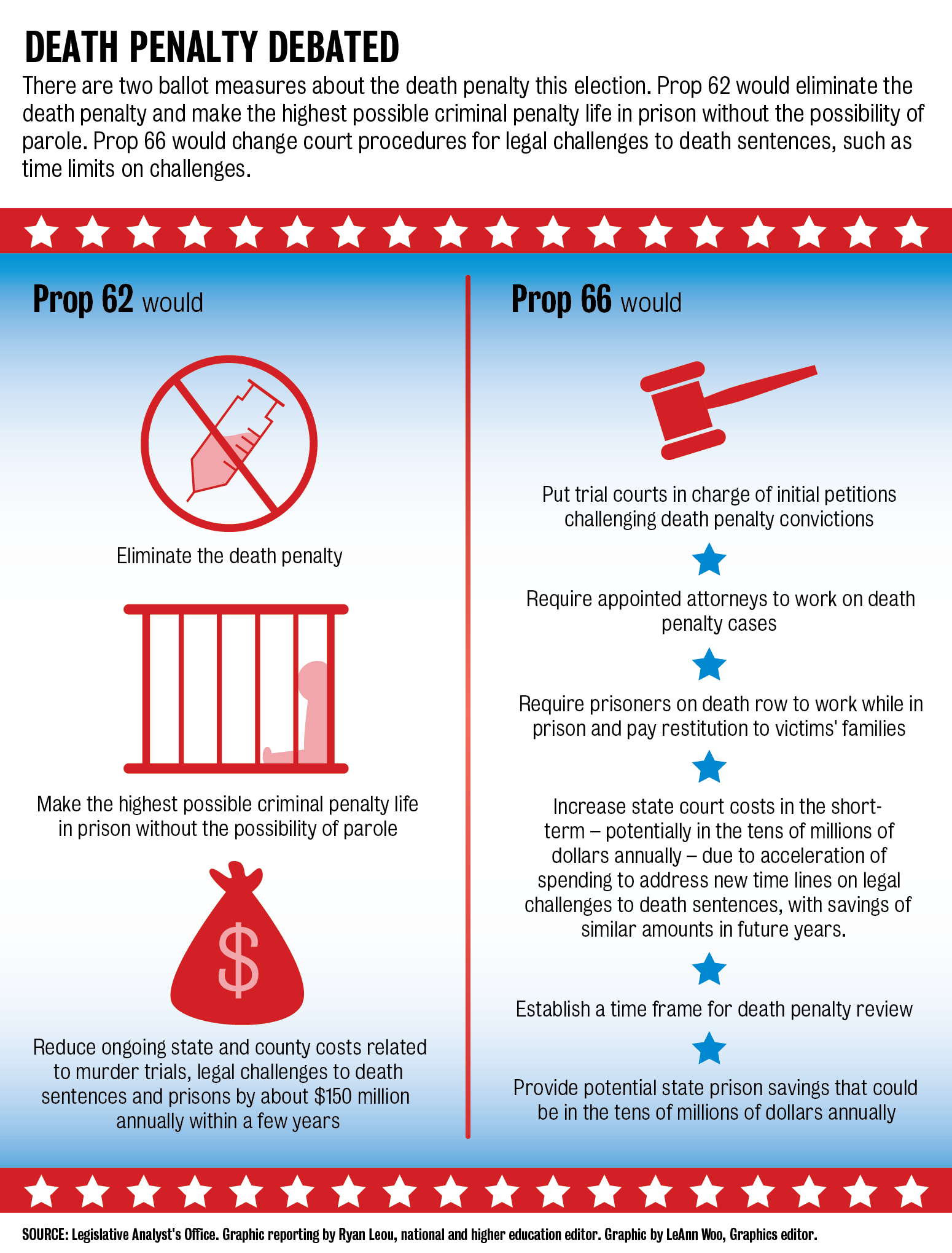
Referendums have been put forth in the past to either abolish or reinstate certain aspects of the death penalty. In 2012, voters considered Proposition 34, which sought to repeal the death penalty. It was narrowly defeated. In 2016, Proposition 62, another initiative to repeal the death penalty, was also rejected by voters. Simultaneously, Proposition 66, which aimed to expedite the appeals process for death penalty cases, passed. These contrasting outcomes highlight the complex and often contradictory sentiments surrounding capital punishment within the state.
The influence of advocacy groups, both for and against the death penalty, plays a significant role in shaping public discourse and political action. Organizations like the Californians for Death Penalty Repeal and those supporting capital punishment actively engage in lobbying efforts, public awareness campaigns, and legal challenges.
Polling Data and Trends
While specific polling data can fluctuate, general trends indicate a gradual but consistent shift in public sentiment away from absolute support for the death penalty. Factors contributing to this shift include increased awareness of wrongful convictions, concerns about the fairness and cost of capital punishment, and the influence of national and international trends towards abolition. However, in cases of particularly brutal crimes, public support for the death penalty often surges.
Legal Challenges and the Future of Capital Punishment
The legal battles surrounding the death penalty in California are multifaceted and ongoing. Beyond the governor’s moratorium, various legal arguments are consistently raised by defense attorneys and civil rights organizations. These include:
- Inadequate Legal Representation: Challenges often cite instances where defendants facing capital charges did not receive competent legal counsel, raising questions about the fairness of their trials.
- Racial and Socioeconomic Bias: Studies and anecdotal evidence have suggested that the death penalty may be disproportionately applied based on race and socioeconomic status, leading to claims of systemic bias.
- Cruel and Unusual Punishment: Arguments are frequently made that the prolonged periods on death row, coupled with the methods of execution, constitute cruel and unusual punishment, violating constitutional protections.
- Method of Execution: Specific concerns have been raised about the drug protocols used in lethal injections, with legal challenges attempting to demonstrate that these methods could lead to unnecessary suffering.
The future of capital punishment in California hinges on several factors. The continuation or reversal of Governor Gavin Newsom’s moratorium will be a significant determinant. Legislative efforts could seek to codify abolition or, conversely, to streamline the execution process. Judicial review at both the state and federal levels will continue to play a crucial role in interpreting constitutional rights and the legality of capital punishment.
Ultimately, the question of whether the death penalty is legal in California is met with a nuanced answer. While the laws authorizing it remain on the books, its practical application is currently suspended due to a gubernatorial moratorium. The ongoing legal challenges, shifting public opinion, and political dynamics ensure that this profound debate will continue to shape the state’s justice system for years to come. The possibility of future legislative action, ballot initiatives, or court rulings could lead to its complete abolition or, alternatively, a return to its implementation.
LifeOutOfTheBox is a participant in the Amazon Services LLC Associates Program, an affiliate advertising program designed to provide a means for sites to earn advertising fees by advertising and linking to Amazon.com. Amazon, the Amazon logo, AmazonSupply, and the AmazonSupply logo are trademarks of Amazon.com, Inc. or its affiliates. As an Amazon Associate we earn affiliate commissions from qualifying purchases.