
Chicago, often celebrated for its majestic skyline, world-class museums, vibrant arts scene, and deep-dish pizza, is a city of incredible diversity and stark contrasts. As travelers plan their journeys to the Midwest, questions about safety often arise, particularly concerning specific neighborhoods. Among these, Englewood, a community area on the South Side of Chicago, frequently comes up. The perception of Englewood is often shaped by media portrayals focused on crime and socio-economic challenges, leading many to wonder if it’s a safe destination for visitors. This comprehensive guide aims to delve into the reality of Englewood’s safety, offering insights for those curious about or considering a visit to this complex and evolving part of the city.

For any traveler planning an experience in a major metropolitan area like Chicago, understanding the nuances of different districts is paramount. Safety isn’t a monolithic concept; it varies block by block, hour by hour, and depends heavily on individual actions and awareness. Our exploration of Englewood will move beyond generalized assumptions to provide a more detailed, balanced picture, integrating aspects of local culture, community efforts, and practical advice for responsible tourism.
Understanding Englewood’s Reputation and Reality
The name Englewood often conjures images of urban decay and high crime rates in the minds of many, particularly those unfamiliar with Chicago’s intricate social fabric. This reputation, while rooted in historical realities, doesn’t always reflect the full story of the community today. To truly grasp the safety landscape, it’s essential to look at both its past and present, separating myth from reality.
A Historical Lens: Englewood’s Past and Challenges
Englewood’s story is a microcosm of many industrial urban neighborhoods in the United States. Once a bustling hub in the early 20th century, with thriving commercial streets and significant rail infrastructure, the area underwent dramatic demographic and economic shifts in the latter half of the century. Deindustrialization, white flight, and discriminatory housing policies concentrated poverty and exacerbated social challenges in many South Side communities, including Englewood.
The area became associated with significant public housing projects like Stateway Gardens and Robert Taylor Homes (though the latter was technically just east of Englewood’s borders), which, despite their initial aims, often concentrated poverty and became flashpoints for crime. The closure and demolition of many of these projects, while intended to improve conditions, also displaced residents and did not always lead to immediate improvements in safety or economic opportunity within the community.
This historical context is crucial for understanding the deep-seated issues that have contributed to Englewood’s difficult reputation. Generations of disinvestment, systemic racism, and a lack of resources have created cycles of poverty and violence that are complex and challenging to overcome. For the casual traveler, this history often forms the initial, and sometimes only, impression of the neighborhood.
Deciphering the Statistics: Beyond the Headlines
When considering safety, statistics often paint a stark picture. It’s true that Englewood historically has higher rates of violent crime compared to more affluent Chicago neighborhoods like Lincoln Park or the Loop. However, solely relying on raw numbers can be misleading without context.
- Types of Crime: A significant portion of violent crime in Englewood, as in many economically challenged urban areas, is often gang-related or involves individuals known to each other. While this does not diminish the tragedy or severity of such incidents, it suggests that random acts of violence against tourists are less common than often portrayed. Property crimes, such as theft and burglary, are also prevalent, much like in any dense urban environment.
- Concentration: Crime is rarely uniformly distributed across an entire community area. Certain blocks or specific intersections might see higher activity, while other parts of Englewood can be relatively quiet and residential. This is a pattern seen across various urban destinations.
- Trends: It’s important to note that Chicago, and by extension its neighborhoods, has seen fluctuations in crime rates over the years. Recent data often indicates efforts to curb violence, although progress can be slow and uneven. The narrative of perpetual decline often overshadows periods of improvement and community stability.
For visitors, the key takeaway is that while the risk profile in parts of Englewood is higher than in prime tourist districts, the specific nature and location of these risks are crucial. It’s not a uniform “unsafe” zone but rather an area with particular challenges, often localized.
Englewood Today: Community Resilience and Emerging Opportunities
Despite its complex history and ongoing struggles, Englewood is not a static community. It is a place of incredible resilience, with active residents, community leaders, and organizations working tirelessly to redefine its future. For those interested in local culture and genuine urban experiences beyond the typical tourist trails, understanding these positive developments is key.
Revitalization Efforts and Community Initiatives
Numerous grassroots organizations and larger non-profits are deeply invested in Englewood’s revitalization. These efforts span various sectors:
- Economic Development: Initiatives focus on supporting local businesses, creating job opportunities, and attracting new investment to the area. Small businesses, often run by long-time residents, form the backbone of the local economy.
- Education and Youth Programs: Investments in schools, after-school programs, and vocational training centers, such as Kennedy-King College, aim to empower the next generation and provide pathways to success. Kennedy-King College, part of the City Colleges of Chicago system, is a significant landmark and educational anchor in the community.
- Green Spaces and Urban Farming: Community gardens and urban farming projects are transforming vacant lots into productive green spaces, fostering community engagement, providing fresh food, and improving the aesthetic of the neighborhood. These initiatives speak to a strong desire for self-sufficiency and improved quality of life.
- Arts and Culture: Local artists and cultural institutions contribute to a vibrant scene, often celebrating Englewood’s rich history and resilience through murals, performance art, and community events. These provide unique activities and a window into the local spirit.
These initiatives are driven by the community’s desire for positive change, and they demonstrate a powerful sense of ownership and hope. While challenges remain, ignoring these efforts means missing a significant part of Englewood’s contemporary story.
Local Culture and Attractions: A Deeper Dive
While Englewood may not feature conventional attractions like those found on the Magnificent Mile, it offers a rich tapestry of local culture for those willing to look beyond the surface. For a traveler interested in authentic urban experiences and understanding Chicago from a ground-up perspective, Englewood presents a unique opportunity.

- Community Events: Throughout the year, Englewood hosts various community festivals, markets, and cultural events. These are excellent opportunities to engage with residents, sample local food, and experience the vibrant spirit of the neighborhood firsthand. Always check local community calendars for current events.
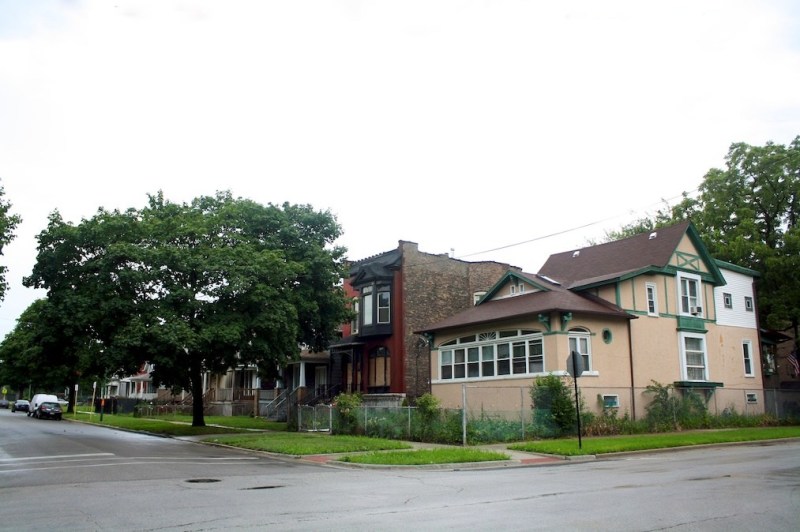
- Historic Architecture: Beyond the headlines, Englewood retains some beautiful historic architecture, particularly in older residential areas and former commercial strips. Exploring these can offer a glimpse into the area’s past prosperity.
- Local Businesses: Supporting local businesses, from restaurants serving authentic cuisine to small shops, is a way to contribute directly to the community’s economic well-being and gain a genuine local perspective. These often offer insights into the unique character and resilience of Englewood.
For the adventurous and respectful traveler, these aspects of Englewood can be rewarding. However, such exploration requires a heightened sense of awareness and adherence to practical safety tips.
Navigating Englewood as a Visitor: Safety Tips and Considerations
For those considering a visit to Englewood or any less-touristed urban area, prioritizing personal safety is paramount. While some might prefer to experience a more curated version of Chicago through popular destinations like the Magnificent Mile or Lincoln Park, others seek a deeper understanding of the city’s diverse communities. If Englewood is on your itinerary, specific precautions and a thoughtful approach are essential.
Essential Safety Guidelines for Urban Exploration
Regardless of the destination, fundamental urban safety tips apply everywhere, and even more so in areas with higher crime rates:
- Situational Awareness: Always be aware of your surroundings. Avoid distractions like constantly looking at your phone. Observe who is around you and what is happening.
- Travel in Groups: If possible, visit Englewood with companions, especially if you are unfamiliar with the area.
- Avoid Ostentatious Displays: Do not openly display expensive jewelry, cameras, smartphones, or large amounts of cash. Keep valuables out of sight.
- Stick to Well-Trafficked Areas: If exploring, stay on main thoroughfares where there are more people and businesses. Avoid deserted streets, especially after dark.
- Research Your Route: Before heading out, plan your route and know your destination. Avoid aimlessly wandering, which can make you appear lost and vulnerable.
- Limit Nighttime Exploration: The vast majority of incidents occur at night. It is generally advisable for visitors to avoid Englewood after dark, especially without local guidance.
- Trust Your Instincts: If a situation or an area feels unsafe, remove yourself from it immediately. Your gut feeling is a powerful safety tool.
- Respect Local Customs: Engage respectfully with residents. Be mindful of local norms and show courtesy.
These tips are not unique to Englewood but are amplified in areas where socio-economic factors contribute to higher crime rates.
Public Transport and Accessibility
Chicago’s extensive public transportation system, the CTA, serves Englewood. The Green Line elevated train runs directly through the community, with several stops.
- CTA Safety: CTA trains and buses are generally safe, especially during the day. However, like any public transit system in a major city, petty crime (like pickpocketing) can occur, particularly in crowded conditions or late at night. Maintain awareness of your belongings.
- Navigating to and from Englewood: Using the Green Line is a viable option for daytime visits. For those uncomfortable with public transit in less familiar areas, ride-sharing services (Uber/Lyft) offer a direct and often more private alternative, especially when traveling from other parts of Chicago or for nighttime returns. Always verify your ride-share vehicle and driver.
- Car Travel: Driving through Englewood can be an option, but parking might be limited and unsecured in some areas. Be cautious when leaving your vehicle, and ensure it is locked and valuables are out of sight.
Understanding the transportation options and their associated considerations is crucial for any effective travel plan.
Making Informed Decisions for Your Chicago Itinerary
Ultimately, the decision of whether to visit Englewood rests with each individual traveler. Our aim is to provide sufficient information for you to make an informed choice that aligns with your comfort level, travel lifestyle, and interests.
Accommodation and Proximity: Where to Stay
For the vast majority of tourists visiting Chicago, finding accommodation in Englewood is not a common recommendation. The neighborhood does not feature the array of hotels, resorts, or tourist-oriented apartments found in other parts of the city.
- Recommended Tourist Areas: Travelers are generally advised to book their stays in well-established tourist areas known for their safety and abundance of amenities. These include:
- The Loop: Downtown Chicago, home to many business hotels, landmarks like Millennium Park, and excellent public transport connections.
- Magnificent Mile / River North: Upscale shopping, dining, and luxury hotels.
- Lincoln Park: A charming residential neighborhood with beautiful parks, boutique hotels, and a relaxed atmosphere.
- Hyde Park: Home to the University of Chicago and the Museum of Science and Industry, offering a mix of cultural attractions and historic charm, and located south of the traditional downtown area, making it relatively closer to Englewood but still a safe, distinct community.
Staying in these areas allows easy access to Englewood via CTA or ride-sharing during the day, providing the flexibility to explore without compromising your comfort or perceived safety for accommodation. Considerations for booking hotels or apartments typically involve reading reviews, comparison of locations, and proximity to major attractions you intend to visit.
Balancing Curiosity with Caution: Is Englewood for You?
The question “Is Englewood Chicago safe?” does not have a simple yes or no answer. It is a nuanced question with layers of history, socio-economic factors, and individual perception.
- For the First-Time Traveler or Cautious Visitor: If you are a first-time visitor to Chicago or someone who prefers a low-risk, traditional tourist experience, it is generally advisable to stick to the well-known tourist destinations in the city’s North Side, West Side, and central areas. There is an abundance of attractions, activities, and safe environments to explore.
- For the Adventurous or Socially Conscious Traveler: If you are an experienced urban traveler, possess a high degree of situational awareness, and are genuinely interested in understanding the full spectrum of Chicago’s communities, then a daytime visit to specific parts of Englewood might be considered. This would involve engaging with community initiatives, supporting local businesses, or exploring the cultural experiences that highlight the neighborhood’s resilience. Such a visit should always be undertaken with thorough planning, respect, and adherence to all safety tips. This aligns with a lifestyle that favors immersive, authentic travel over conventional tourism. Whether you are a budget traveler looking for unique local flavors or simply a curious explorer, responsible engagement is key.
In conclusion, Englewood is a community in Chicago, Illinois, that is grappling with historical challenges but is also actively engaged in revitalization. While it carries a reputation for higher crime rates, this doesn’t tell the entire story of its people or its ongoing efforts. For visitors, safety largely depends on a combination of informed decision-making, careful planning, and a strong sense of personal awareness. If you choose to explore Englewood, do so with an open mind, respect for the community, and an unwavering commitment to your own well-being. By doing so, you contribute to a more nuanced understanding of this vital part of Chicago and potentially witness the inspiring resilience of its residents.
LifeOutOfTheBox is a participant in the Amazon Services LLC Associates Program, an affiliate advertising program designed to provide a means for sites to earn advertising fees by advertising and linking to Amazon.com. Amazon, the Amazon logo, AmazonSupply, and the AmazonSupply logo are trademarks of Amazon.com, Inc. or its affiliates. As an Amazon Associate we earn affiliate commissions from qualifying purchases.