
Embarking on a road trip through the Golden State is an unparalleled experience, a tapestry woven with sun-drenched coastlines, towering ancient forests, vibrant cityscapes, and serene desert vistas. For many travelers, capturing every breathtaking moment of their journey is paramount, and a car camera, often referred to as a dash cam, has become an indispensable companion. Whether you’re cruising along the iconic Pacific Coast Highway, navigating the bustling streets of Los Angeles, or marveling at the natural grandeur of Yosemite National Park, a dash cam offers a unique perspective to document your adventures. Beyond just reliving memories, these devices also provide an invaluable layer of security and peace of mind, particularly for those exploring unfamiliar territories.
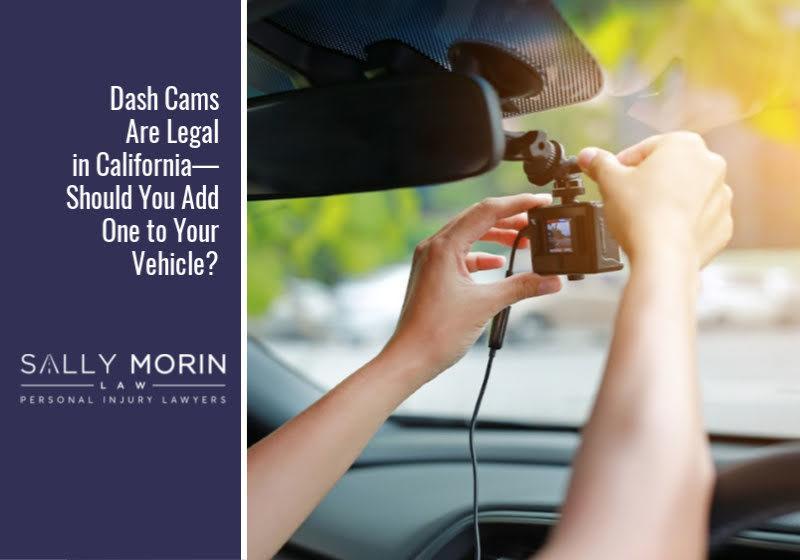
However, the allure of continuous recording comes with a crucial caveat: understanding and adhering to local regulations. Each state within the United States has specific laws governing the placement of devices on vehicle windshields, and California is no exception. For tourists, seasoned road warriors, or even residents planning a staycation, knowing the legal boundaries for mounting a car camera is essential to avoid potential fines and ensure a smooth, worry-free journey. This comprehensive guide will delve into California’s legal framework, offer practical advice for optimal placement, and connect the importance of a dash cam to the broader enjoyment of your California travel experience, from finding the perfect accommodation to exploring hidden gems.
Capturing California’s Scenic Beauty: Why a Dash Cam is Your Best Travel Companion
California is a dream destination for road trips, offering a diverse array of landscapes that beg to be remembered. From the dramatic cliffs of Big Sur to the majestic redwoods of Northern California and the serene vineyards of Napa Valley, every turn presents a new spectacle. A dash cam transforms your vehicle into a mobile storytelling device, ensuring that none of these precious moments are lost.
Documenting Your Golden State Adventures
Imagine reliving your drive across the Golden Gate Bridge or the stunning sunsets over the Pacific Ocean from your coastal hotel balcony. A car camera captures the raw, unfiltered beauty of your journey. This isn’t just about static photos; it’s about the dynamic experience of the drive itself – the changing light, the passing scenery, the very essence of exploration. For families embarking on a trip to Disneyland or Universal Studios Hollywood, a dash cam can record the excited anticipation of children as they approach these iconic landmarks. For those seeking luxury travel experiences, documenting a drive through exclusive areas like Beverly Hills or arriving at a five-star resort in Palm Springs adds another dimension to their curated memories. These recordings become invaluable keepsakes, far more immersive than static pictures, allowing you to revisit the sights, sounds, and atmosphere of your California tourism adventures long after you’ve returned home.
Enhancing Safety and Peace of Mind for Travelers
Beyond memory-making, the practical benefits of a dash cam are significant. For travelers, especially those navigating unfamiliar roads, the device acts as a silent witness. In the unfortunate event of an accident, a dash cam provides crucial evidence for insurance claims, helping to determine fault and expedite resolutions. This can be particularly reassuring when dealing with rental cars or in situations where language barriers might exist for international visitors. Moreover, a dash cam can deter potential car theft or vandalism, and some models even offer parking surveillance features, adding an extra layer of security when your vehicle is parked at a busy tourist attraction or outside your chosen hotel or apartment. Knowing you have this added protection allows you to focus more on enjoying the local culture, savoring the diverse food, and immersing yourself in the myriad activities California has to offer, from exploring San Francisco’s vibrant neighborhoods to hiking in Joshua Tree National Park.
Navigating California’s Car Camera Mounting Laws
While the benefits of a dash cam are clear, their legal placement on your windshield in California is strictly regulated to ensure driver visibility and road safety. Understanding these specific rules is crucial for any traveler.
Understanding the Legal Framework
California Vehicle Code Section 26708(a)(1) & (b)(1) is the primary regulation governing what can be affixed to a vehicle’s windshield. The law states that a person shall not drive any motor vehicle with any object or material placed, displayed, installed, affixed, or applied upon the windshield or side or rear windows. This is a broad prohibition, but it includes specific exceptions for devices like dash cams, GPS units, and toll transponders. The intent is to prevent any obstruction that could impede the driver’s clear view of the road, which is paramount for safety, particularly on California’s often busy and winding roads. Violating this code can result in a traffic citation, adding an unwelcome expense to your travel budget.
Permissible Mounting Zones
Fortunately, the law provides clear guidelines on where these devices can be mounted. For dash cameras, the permissible zones are designed to minimize obstruction while still allowing for functionality. There are three primary legal locations for mounting a device like a dash cam:
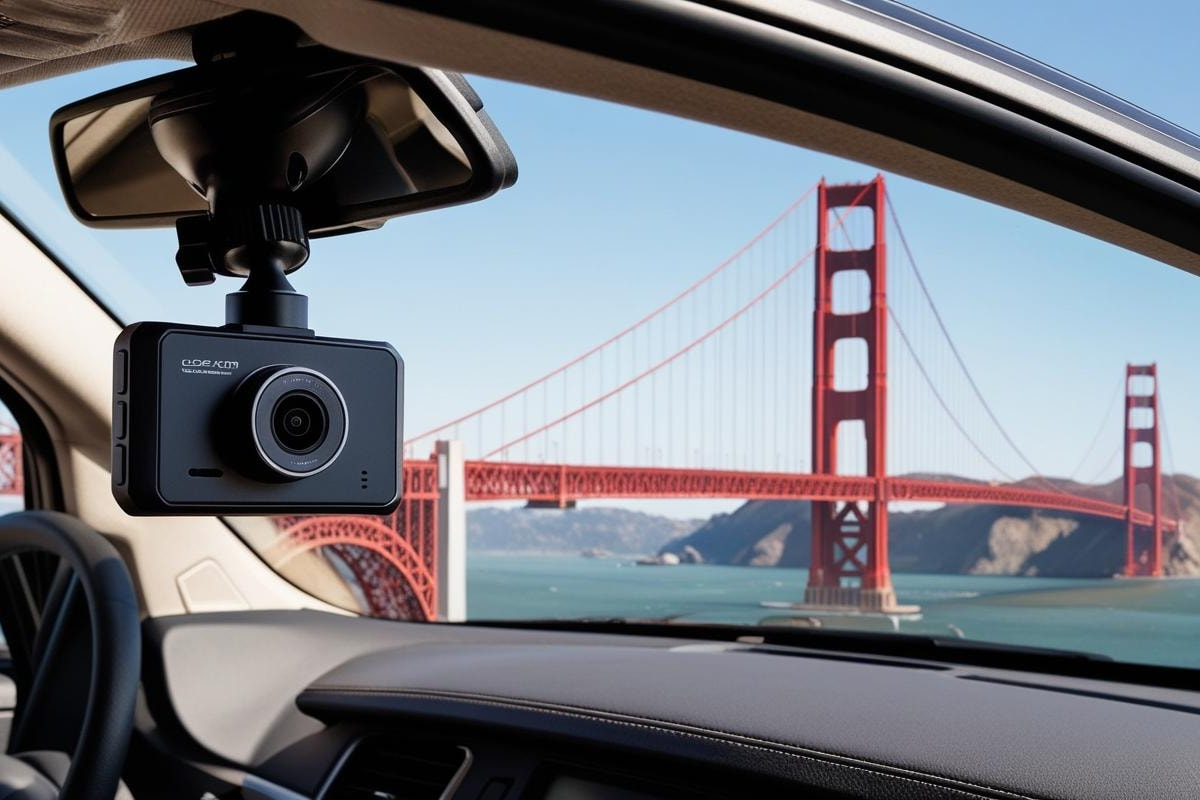
- Lower Corner of the Windshield: You may mount a device in a 5-inch square in the lower right-hand corner or the lower left-hand corner of the windshield. This placement is typically out of the driver’s primary line of sight but still allows the camera to capture the road ahead.
- Upper Corner of the Windshield: Alternatively, a device can be placed in a 7-inch square in the upper right-hand corner or the upper left-hand corner of the windshield. This area, often above the driver’s immediate viewing zone, is also considered a safe and legal spot.
- Five-Inch Strip Along the Top: Another option is to mount the device within a 5-inch strip along the top edge of the windshield. This area is typically tinted or already outside the critical viewing area for most drivers.
These specific dimensions and locations are crucial for compliance. Anything outside these designated areas risks a violation. When planning your route from San Diego to Lake Tahoe, ensure your camera is legally positioned before you set off.
Restrictions and Prohibited Areas
The most critical restriction is any placement that obstructs the driver’s clear view of the highway or an intersecting highway. This means avoiding the central area of the windshield, directly in front of the driver, or any location that creates a blind spot. Devices that are too large or improperly positioned can be deemed illegal. It’s also important to consider that while certain devices might be allowed, the manner of their attachment (e.g., using excessively large suction cups that create a wide visual obstruction) can still lead to issues. For those renting a vehicle, it’s always wise to ensure any dash cam installation is temporary and does not cause any permanent damage, and to confirm with the rental agency about their policies regarding such devices. This thoughtfulness extends to all aspects of accommodation and travel tips for a smooth experience.
Optimal Placement for Dash Cams: Balancing Views and Legality
Finding the sweet spot for your car camera involves a delicate balance between adhering to California’s legal requirements and capturing the best possible footage of your adventures.
Best Practices for Installation
When installing your dash cam, prioritize legality first. Mount the camera as close to the designated legal corners or the top strip as possible. Test the camera’s field of view before starting your journey to ensure it captures what you intend while staying within the legal parameters. Many modern dash cams are compact and designed to be discreet, making it easier to comply with the 5×5 or 7×7 inch rules. Use sturdy, reliable mounting solutions that won’t detach during bumpy rides, especially if you plan to explore less-traveled paths or embark on an off-road adventure. Suction cup mounts are popular for their flexibility, but ensure they hold firm. For a more permanent solution, adhesive mounts can be very secure, but their placement must be carefully considered as they are harder to reposition. Think about cable management too; neatly tucking away cables prevents them from becoming a distraction or an obstruction, contributing to a cleaner, safer driving environment, whether you’re heading to a boutique hotel in Santa Barbara or a cabin in Big Bear Lake.
Choosing the Right Camera for Your California Trip
The market offers a wide range of dash cameras, each with features that can enhance your California travel experience. Consider cameras with high-resolution recording (1080p or 4K) to capture the intricate details of landscapes like the dramatic coastline near Monterey or the vibrant street art in San Francisco. Wide-angle lenses are excellent for encompassing more of the scenic views. Features like GPS logging can track your route, speed, and location, providing a complete record of your journey—perfect for recounting your specific destinations or attractions. Loop recording ensures you don’t run out of storage space, automatically overwriting the oldest footage. For those concerned about safety, look for cameras with G-sensor technology, which automatically saves footage if an impact is detected. Night vision capabilities are also a plus for capturing drives through cities like Las Vegas (a short drive from California) or during twilight drives through national parks. Whether your lifestyle leans towards budget travel or opulent stays, investing in a reliable dash cam adds immense value to your trip.
Exploring California with Confidence: Beyond the Camera
With your dash cam legally and optimally mounted, you’re now fully equipped to embark on an unforgettable California adventure, capturing every moment while adhering to the law. But the dash cam is just one component of a truly memorable trip.
Iconic Drives and Must-Visit Destinations
California boasts an incredible array of drives and destinations. The aforementioned Pacific Coast Highway (Highway 1) is a quintessential California experience, winding past coastal towns, dramatic cliffs, and pristine beaches. Inland, a drive through Death Valley National Park offers surreal desert landscapes, while the scenic routes through the Sierra Nevada mountains lead to wonders like Yosemite, Sequoia, and Kings Canyon National Parks. Urban explorers will delight in the diverse offerings of San Francisco (home to Alcatraz Island and Fisherman’s Wharf), the glitz and glamour of Hollywood in Los Angeles, and the laid-back charm of San Diego with its stunning beaches and famous San Diego Zoo. Don’t forget the historical significance of Sacramento or the vibrant culture of Santa Monica Pier and its surrounding beaches. Each of these landmarks and cities offers unique photo opportunities and stories to be captured by your perfectly placed car camera.

Planning Your Ultimate California Road Trip
A successful California road trip involves more than just a dash cam. Meticulous planning of your accommodation is key, whether you prefer the opulence of suites in a luxury hotel, the charm of a boutique hotel, or the convenience of vacation apartments and villas. Utilize hotel comparison sites and read reviews to find options that suit your lifestyle and budget, from long-term stays to quick overnight stops. Consider the amenities important to you, like pools, spas, or pet-friendly policies. Research local food scenes, cultural events, and activities to enrich your journey. For those on a business stay, integrating a dash cam can even serve as a professional tool for mileage tracking or incident reporting. Remember to pack essentials like sunscreen, comfortable shoes, and a sense of adventure. By combining legal compliance with thoughtful travel planning, your California road trip will not only be captured beautifully but will also be safe, enjoyable, and truly unforgettable.
LifeOutOfTheBox is a participant in the Amazon Services LLC Associates Program, an affiliate advertising program designed to provide a means for sites to earn advertising fees by advertising and linking to Amazon.com. Amazon, the Amazon logo, AmazonSupply, and the AmazonSupply logo are trademarks of Amazon.com, Inc. or its affiliates. As an Amazon Associate we earn affiliate commissions from qualifying purchases.