
While the Family and Medical Leave Act (FMLA) offers critical job protection for eligible employees facing serious health conditions or family care needs, its paid nature is a common point of confusion, especially within individual states like Texas. Understanding the distinction between unpaid leave and paid time off is crucial for planning and financial preparedness during times of need.
Understanding the FMLA’s Core Provisions
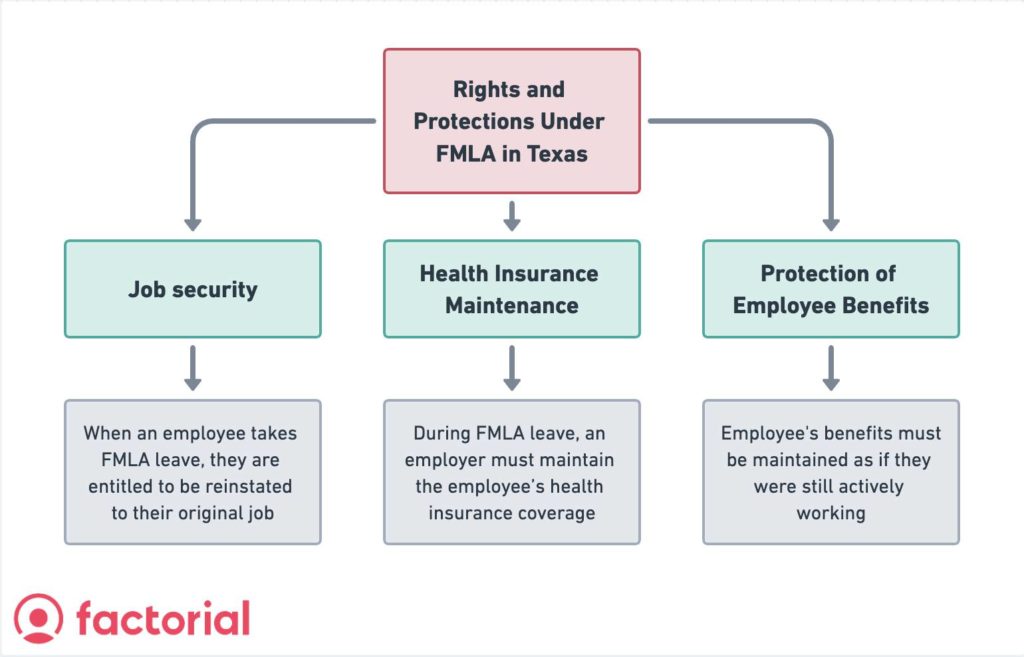
The FMLA, a federal law enacted in 1993, provides eligible employees of covered employers with unpaid, job-protected leave for specified family and medical reasons. This means that if you qualify for FMLA leave, your employer must hold your job for you while you are away, and you have the right to return to the same or an equivalent position upon your return. The act covers:
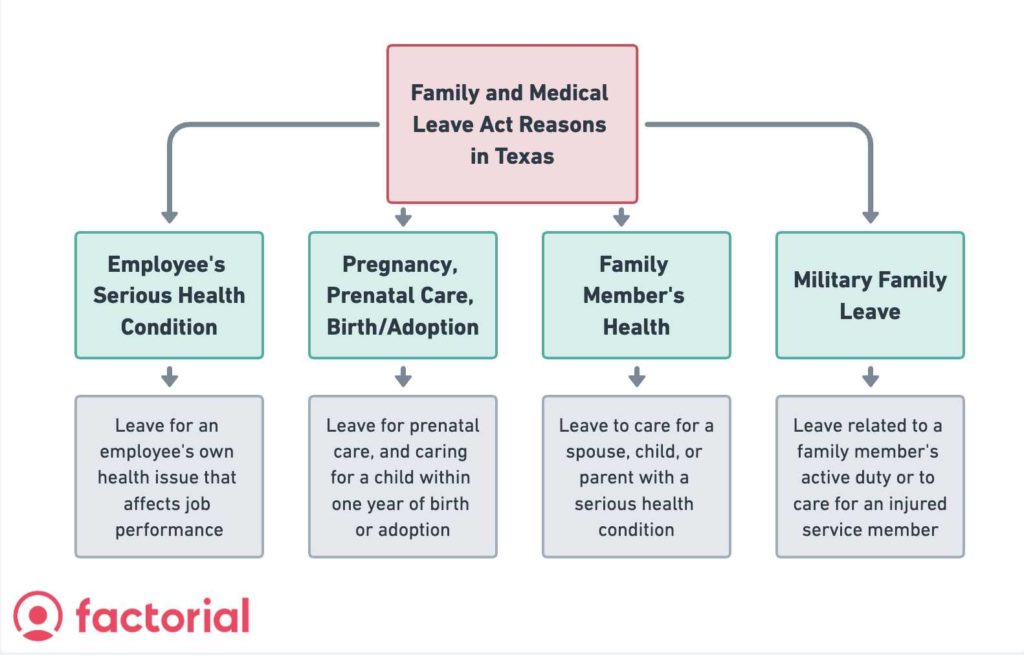
- The birth of a child and to care for the newborn child within one year of birth.
- The placement of a child with the employee for adoption or foster care and to care for the newly placed child within one year of placement.
- To care for the employee’s spouse, son, daughter, or parent who has a serious health condition.
- A serious health condition that makes the employee unable to perform the essential functions of their job.
- Any qualifying exigency arising out of the fact that the employee’s spouse, son, daughter, or parent is a covered military member on “covered active duty.”
- Twenty-six workweeks of leave during a single 12-month period to care for a covered servicemember with a serious injury or illness if that servicemember is the employee’s spouse, son, daughter, parent, or next of kin.
Crucially, the FMLA itself mandates that the leave taken is unpaid. This is a fundamental aspect of the law designed to ensure job security without mandating that employers bear the financial burden of paying employees who are not actively working. However, this does not mean that employees have no recourse for income replacement during their leave.
Eligibility Requirements for FMLA
To be eligible for FMLA leave, an employee must meet several criteria:
- Employer Coverage: The employee must work for a private-sector employer with 50 or more employees within a 75-mile radius, a public agency, or a public or private elementary or secondary school.
- Employment Tenure: The employee must have worked for the employer for at least 12 months. These 12 months do not have to be consecutive.
- Hours of Service: The employee must have at least 1,250 hours of service during the 12 months immediately preceding the commencement of the leave.
- Serious Health Condition: The leave must be for a qualifying reason related to a serious health condition, as defined by the act.
FMLA in Texas: No State-Specific Paid Leave Mandate
When considering the FMLA in Texas, it is essential to understand that Texas does not have a state-mandated paid family or medical leave program that supplements the federal FMLA. This means that the provisions of the FMLA remain as described above: unpaid, job-protected leave.
While some states have enacted their own paid family and medical leave programs (such as California with its Paid Family Leave program, or New York with its Paid Family Leave), Texas has not followed suit. Therefore, an employee in Texas taking leave under the FMLA is generally not entitled to be paid by their employer for that time off, unless other provisions or policies apply.
The Absence of a Texas State Paid Leave Law
The lack of a state-specific paid leave law in Texas means that employees must rely on other avenues for income replacement during their FMLA leave. This can include using accrued paid time off, disability insurance, or other employer-provided benefits. The distinction is critical: FMLA guarantees your job; it does not guarantee your pay.
It’s important for residents of Texas to be aware of this distinction. While the federal law provides a safety net for job security, the financial aspect of extended leave remains a significant consideration for individuals and families.
How to Obtain Paid Leave During FMLA in Texas
Given that FMLA itself is unpaid, employees in Texas must explore other options to ensure they have financial support during their leave. These options can often be used in conjunction with FMLA, providing a much-needed income stream.
Utilizing Accrued Paid Time Off (PTO)
Many employers in Texas offer employees the benefit of accrued paid time off, often referred to as PTO. This can include:
- Vacation Days: Time earned for rest and relaxation.
- Sick Days: Time designated for personal illness.
- Personal Days: Time for other personal needs.
The FMLA regulations permit, and in some cases require, employers to allow or require employees to use their accrued PTO concurrently with their FMLA leave. This means that if you have accumulated vacation or sick days, your employer might allow you to use these to cover a portion of your unpaid FMLA leave, effectively making that portion of your leave paid. It is crucial to check your employer’s specific policies regarding the use of PTO during FMLA leave, as requirements can vary.
Short-Term and Long-Term Disability Insurance
Disability insurance policies are designed to provide a portion of an employee’s income if they are unable to work due to a qualifying illness or injury.
- Short-Term Disability (STD): Typically covers a period of weeks to months, often commencing after a waiting period (e.g., seven days) and can be used to replace a percentage of your lost wages while you are on FMLA leave.
- Long-Term Disability (LTD): Kicks in after short-term disability benefits have been exhausted and can provide income replacement for an extended period, potentially for several years, depending on the policy terms.
Many employers offer STD and LTD as part of their benefits package. If you have such coverage, it can be a vital financial resource during an FMLA-protected absence. It is essential to understand the terms and conditions of your disability insurance policy, including waiting periods, benefit percentages, and the duration of coverage, and to coordinate its use with your FMLA leave.
Employer-Specific Paid Leave Policies
While there is no state mandate, some employers in Texas may voluntarily offer paid family or medical leave benefits that go beyond the requirements of FMLA. These could include:
- Paid Parental Leave: Some companies offer paid time off specifically for new parents, often in addition to or as an enhancement of FMLA.
- Paid Sick Leave Programs: While not always tied to FMLA, some employers have generous paid sick leave policies that can be used for extended illnesses.
- Voluntary Short-Term Disability Plans: Employers might offer voluntary STD plans where employees can opt-in and pay a premium for coverage.
It is imperative to thoroughly review your employee handbook, benefits statements, and speak with your HR department to understand any company-specific policies that might offer paid leave or financial assistance during your FMLA absence.
Workers’ Compensation
If your need for FMLA leave arises from a work-related injury or illness, you may be eligible for benefits through Texas Workers’ Compensation. This system is designed to provide medical benefits and wage replacement to employees injured on the job. While distinct from FMLA, a workers’ compensation claim can run concurrently with FMLA leave, providing a source of income while your job is protected under the federal act. You would need to file a workers’ compensation claim and meet its specific eligibility requirements.
State Programs and Other Resources
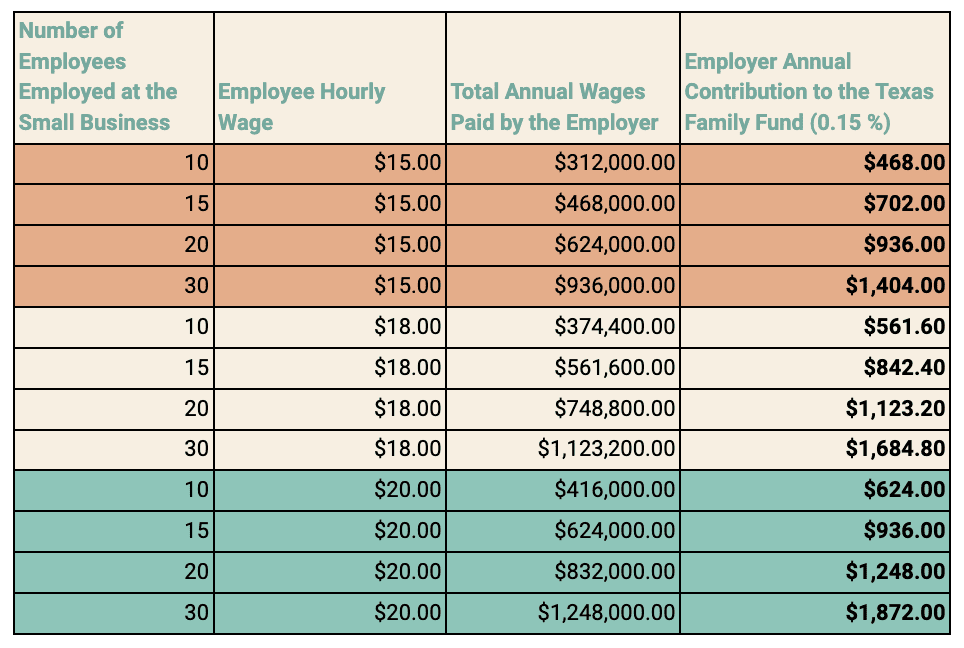
Currently, Texas does not have a state-administered paid family and medical leave insurance program. This means that, unlike in states like Washington or Massachusetts, there isn’t a state fund that employees and employers contribute to for general paid leave. However, it is always advisable to stay informed about legislative developments, as state laws can change.
Additionally, depending on the specific circumstances of your leave, you might explore:
- Unemployment Benefits: In very limited circumstances, if your leave is involuntary and you are completely separated from employment due to disability, you might be eligible for unemployment benefits, though this is not a common scenario for FMLA leave where job protection is a primary feature.
- Public Assistance Programs: For individuals facing severe financial hardship, exploring state and federal assistance programs may be an option.
Navigating FMLA and Paid Leave in Texas: Key Considerations
For employees in Texas facing a situation that may require FMLA leave, proactive planning and clear communication are essential. Understanding the nuances of paid versus unpaid leave can alleviate significant financial stress.
Communication with Your Employer
The first and most critical step is to communicate openly and honestly with your employer as soon as you anticipate needing FMLA leave.
- Provide Notice: Follow your employer’s procedures for requesting leave, providing as much advance notice as practicable.
- Understand Company Policy: Inquire about how your employer handles the use of accrued PTO, disability benefits, and any other company-specific paid leave policies in conjunction with FMLA.
- Documentation: Be prepared to provide the necessary medical certifications and documentation required by both FMLA and your employer’s policies.
Financial Planning
Given that FMLA leave in Texas is unpaid by default, it is vital to plan your finances accordingly.
- Budgeting: Create a realistic budget that accounts for reduced income during your leave.
- Emergency Fund: If possible, maintain an emergency savings fund to cover expenses during periods of lost income.
- Review Benefits: Understand the specifics of your disability insurance and any other income replacement benefits you may have.
Seeking Professional Advice
If you are unsure about your FMLA rights or how to navigate the complexities of paid leave options in Texas, consider seeking advice from:
- Human Resources Department: Your HR department is a primary resource for understanding company policies and benefits.
- Legal Counsel: An employment attorney specializing in Texas labor law can provide personalized guidance on your rights and options.
- U.S. Department of Labor Wage and Hour Division: This federal agency enforces FMLA and can provide information and resources.
By understanding that the FMLA in Texas provides job protection but not mandatory pay, and by proactively exploring all available avenues for income replacement, employees can better prepare for and manage periods of necessary family and medical leave.
LifeOutOfTheBox is a participant in the Amazon Services LLC Associates Program, an affiliate advertising program designed to provide a means for sites to earn advertising fees by advertising and linking to Amazon.com. Amazon, the Amazon logo, AmazonSupply, and the AmazonSupply logo are trademarks of Amazon.com, Inc. or its affiliates. As an Amazon Associate we earn affiliate commissions from qualifying purchases.