
Understanding what qualifies as “low income” in Florida is crucial for residents, prospective movers, and those interested in the socio-economic landscape of the Sunshine State. The definition isn’t static; it shifts based on federal guidelines, local economic realities, and the specific programs it applies to. For anyone planning their lifestyle in Florida, whether as a long-term resident or a budget-conscious traveler, comprehending these thresholds is fundamental to managing finances, accessing resources, and making informed decisions about where and how to live. This exploration delves into the various metrics used to define low income, the implications for daily life, and how these figures shape the lifestyle choices of millions in Florida.

Defining Low Income: Federal Poverty Levels vs. HUD Guidelines
The concept of “low income” is primarily rooted in federal definitions, but its practical application in Florida often involves more nuanced, localized metrics. Two primary frameworks establish these benchmarks: the Federal Poverty Guidelines (FPG) and the Department of Housing and Urban Development (HUD) income limits.
Federal Poverty Guidelines (FPG)
The Federal Poverty Guidelines, issued annually by the Department of Health and Human Services, serve as a national standard for defining poverty. These guidelines vary based on family size, with a higher income threshold for larger households. For instance, in a given year, a single individual might be considered below the poverty line with an income under a certain figure, while a family of four would have a significantly higher threshold. The FPG are widely used to determine eligibility for various federal programs, such as Medicaid, food assistance programs, and certain educational grants.
However, the Federal Poverty Guidelines are often criticized for not adequately reflecting the true cost of living in different regions. In a state like Florida, where the cost of housing and other essentials can be considerably higher than the national average, especially in metropolitan areas like Miami, Orlando, or Tampa, an income just above the FPG might still leave a household struggling to meet basic needs. This disconnect means that while someone may not be “federally poor,” they could still be experiencing significant financial hardship and a constrained lifestyle.
HUD Income Limits: A Localized Approach
For a more practical and localized understanding of low income, especially concerning housing and community development, the Department of Housing and Urban Development (HUD) provides income limits. These limits are calculated based on the Area Median Income (AMI) for each metropolitan area and non-metropolitan county. HUD defines several income tiers:
- Extremely Low Income (ELI): Households earning up to 30% of the AMI.
- Very Low Income (VLI): Households earning between 31% and 50% of the AMI.
- Low Income (LI): Households earning between 51% and 80% of the AMI.
These HUD limits are critical because they dictate eligibility for a vast array of housing assistance programs, including public housing, Section 8 rental assistance, and affordable housing initiatives. Unlike the FPG, HUD income limits are tailored to the specific economic conditions of different regions within Florida, making them a more accurate reflection of the income needed to afford a basic lifestyle in various parts of the state.
Income Tiers in Florida: Area Median Income (AMI) and Its Impact
The Area Median Income (AMI) is the linchpin of HUD’s income classifications and offers the most precise gauge of what constitutes low income across Florida’s diverse regions. AMI is the midpoint of a region’s income distribution, meaning half of the households in that area earn more than the AMI, and half earn less.
Regional Variations in AMI
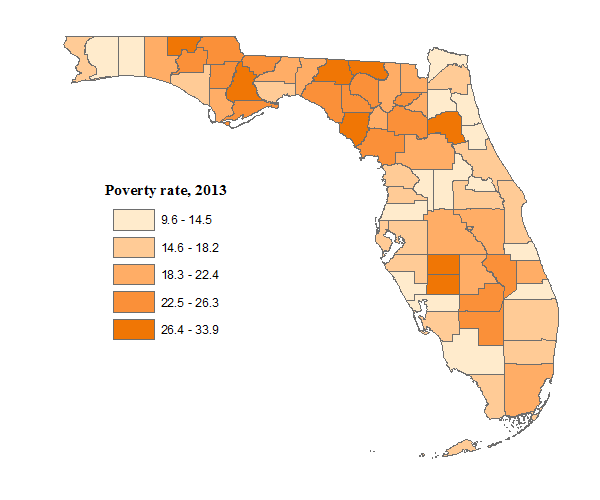
One of the most significant aspects of AMI in Florida is its wide variation by county and metropolitan statistical area. For example, the AMI in a bustling urban center like Miami-Dade County will be substantially higher than in a more rural county in North Florida. Consequently, the actual dollar amount that defines “low income” (e.g., 80% of AMI) will also be much higher in Miami than in, say, Dixie County.
This regional disparity means that an income level considered low in Palm Beach County might be considered moderate or even high in another part of the state. These variations directly influence what kind of lifestyle is achievable for individuals and families at different income levels. A family earning 70% of AMI in a high-cost area might still struggle significantly more with housing, transportation, and daily expenses than a family earning the same percentage of AMI in a lower-cost region.
How AMI Shapes Lifestyle Choices
The specific AMI for a region dictates eligibility for numerous programs beyond just housing. These can include:
- Affordable Housing Opportunities: Access to subsidized rental units, homeownership assistance programs, and down payment assistance.
- Childcare Assistance: Programs that help low-income families afford childcare, crucial for working parents.
- Utility Bill Assistance: Help with electricity, water, and other essential utility costs.
- Community Development Initiatives: Eligibility for job training programs, neighborhood revitalization projects, and certain educational support services.
For residents, knowing their local AMI and where their income falls within its tiers is essential for navigating available resources and planning their financial future. It directly impacts their housing options, their ability to afford daily necessities, and their overall quality of life in Florida.
The Cost of Living in the Sunshine State: Why Income Matters
Florida’s allure as a tourist destination and a retirement haven often overshadows the reality of its cost of living for many residents. While the state boasts no personal income tax, other expenses can quickly deplete a household’s budget, making income thresholds particularly impactful on lifestyle.
Housing: The Primary Driver of Cost

Housing is undeniably the largest single expense for most Florida residents. Rental prices and home values, particularly in desirable coastal areas and major metropolitan centers, have soared in recent years. Cities like Miami, Fort Lauderdale, Orlando, and Sarasota consistently rank among the least affordable housing markets nationally. Even in more moderately priced areas, the demand for housing often outstrips supply, pushing costs upward.
For individuals and families classified as low income, finding safe, affordable, and well-located housing becomes an immense challenge. This often leads to difficult lifestyle trade-offs:
- Long Commutes: Settling for housing farther away from employment centers, leading to increased transportation costs and longer travel times.
- Overcrowding: Living in smaller spaces or with multiple families to share costs.
- Sacrifice of Amenities: Foregoing desirable neighborhood features, good schools, or access to public transportation.
Other Significant Expenses
Beyond housing, several other factors contribute to the cost of living in Florida that disproportionately affect low-income households:
- Transportation: While many areas of Florida are car-dependent, gas prices, insurance premiums, and vehicle maintenance can be substantial. Public transportation options are limited outside major urban cores, making car ownership almost a necessity for many.
- Food: Grocery costs, while fluctuating, remain a consistent expense. Access to healthy, affordable food can be challenging in food deserts, which often coincide with low-income communities.
- Healthcare: Despite programs like Medicaid, out-of-pocket medical expenses, prescriptions, and dental care can be a heavy burden for those with limited income.
- Childcare: For working parents, childcare costs in Florida are among the highest in the nation, often consuming a significant portion of a low-income family’s budget.
- Insurance: Homeowner’s insurance, particularly hurricane insurance, and flood insurance, is exceptionally high in coastal Florida due to the risk of natural disasters. While not a direct cost for renters, these high premiums contribute to increased rental rates.
These combined expenses mean that for many in Florida, an income defined as “low” by federal or even HUD standards often translates into a precarious financial existence, where discretionary spending is minimal, and saving for the future is nearly impossible.
Navigating Florida on a Budget: Lifestyle Implications
For individuals and families living on a low income in Florida, daily life involves careful budgeting and strategic decision-making to maintain a reasonable lifestyle. The state’s natural beauty and numerous attractions can still be enjoyed, but often require creativity and planning.
Everyday Lifestyle Adjustments
- Recreation and Leisure: While Florida is renowned for its theme parks and pristine beaches, these often come with a cost. Low-income residents typically prioritize free or low-cost activities. This includes visits to Florida State Parks (which have nominal entry fees, sometimes waived), local community parks, public libraries, and free festivals. Many beaches are publicly accessible, offering an economical way to enjoy the state’s most famous natural assets.
- Dining and Food: Eating out frequently is often not an option. Home cooking, meal planning, and utilizing food assistance programs are common strategies. Seeking out community gardens or farmers’ markets for fresh, affordable produce can also be part of the lifestyle.
- Education and Enrichment: Access to affordable educational opportunities for children and adults is vital. Public schools are the backbone, but community colleges like Miami Dade College or Valencia College in Orlando offer more accessible paths to higher education or vocational training.
- Healthcare Management: Managing healthcare needs on a low income often involves utilizing community health clinics, understanding Medicaid benefits, and seeking out pharmaceutical assistance programs. Preventative care becomes crucial to avoid more costly interventions.
Budget-Conscious Travel within Florida
Even for those on a low income, exploring Florida’s diverse regions is possible with careful planning.
- Affordable Accommodation: Instead of luxury resorts, options like camping in state parks, staying in budget-friendly motels, or utilizing short-term rentals in less touristy areas become viable.
- Transportation: Carpooling, utilizing inter-city bus services like Greyhound, or planning trips to minimize driving can reduce travel costs.
- Free Attractions: Focusing on the numerous free attractions, such as natural springs, scenic drives, historical markers, and public art installations, allows for enriching experiences without significant expense. Many cities offer free walking tours or cultural events.
Navigating Florida on a budget necessitates a resourceful and mindful approach to living, ensuring that even with limited financial means, residents can still experience the best of what the state has to offer, albeit in a different capacity than higher-income individuals.
Resources and Support for Low-Income Residents
For Florida residents who fall within the low-income categories, a network of federal, state, and local programs exists to provide essential support. Understanding these resources is key to sustaining a stable lifestyle.
Housing Assistance Programs
The most critical support often comes through HUD-funded programs administered by local housing authorities.
- Section 8 Housing Choice Vouchers: This program helps low-income families, the elderly, and people with disabilities afford decent, safe, and sanitary housing in the private market. The voucher pays a portion of the rent directly to the landlord, and the family pays the difference.
- Public Housing: Government-owned and managed rental housing for low-income families.
- Affordable Housing Initiatives: Many cities and counties in Florida, such as Orange County and Broward County, have their own affordable housing trust funds or programs to develop and preserve affordable rental and homeownership opportunities.
Food and Nutrition Support
- Supplemental Nutrition Assistance Program (SNAP): Administered by the Florida Department of Children and Families, SNAP provides food benefits to eligible low-income individuals and families via an EBT card.
- WIC (Special Supplemental Nutrition Program for Women, Infants, and Children): Offers food, healthcare referrals, and nutrition education for low-income pregnant, breastfeeding, and non-breastfeeding postpartum women, and to infants and children up to age five who are found to be at nutritional risk.
- Food Banks and Pantries: Organizations like Feeding Florida coordinate a network of food banks across the state, providing emergency food assistance to individuals and families facing food insecurity.
Healthcare Access
- Medicaid: Florida’s Medicaid program provides comprehensive healthcare coverage to eligible low-income individuals, families, children, pregnant women, and people with disabilities.
- Federally Qualified Health Centers (FQHCs): These community-based health centers provide comprehensive primary care services regardless of a patient’s ability to pay, often utilizing a sliding fee scale based on income.
Other Essential Services
- LIHEAP (Low Income Home Energy Assistance Program): Assists eligible low-income households with their home energy bills, reducing heating and cooling costs.
- Child Care Assistance Program (CCAP): Helps eligible low-income families pay for childcare services, enabling parents to work or attend school.
- Legal Aid Services: Non-profit organizations provide free or low-cost legal assistance to low-income individuals in civil matters such as housing disputes, family law, and consumer issues.
Understanding what constitutes low income in Florida extends beyond mere numbers; it encapsulates the daily realities, challenges, and available support systems that shape the lives and lifestyles of a significant portion of the state’s population. For those navigating Florida on a budget, these definitions are not just statistics but fundamental indicators of access to resources and the feasibility of their chosen lifestyle.
LifeOutOfTheBox is a participant in the Amazon Services LLC Associates Program, an affiliate advertising program designed to provide a means for sites to earn advertising fees by advertising and linking to Amazon.com. Amazon, the Amazon logo, AmazonSupply, and the AmazonSupply logo are trademarks of Amazon.com, Inc. or its affiliates. As an Amazon Associate we earn affiliate commissions from qualifying purchases.