
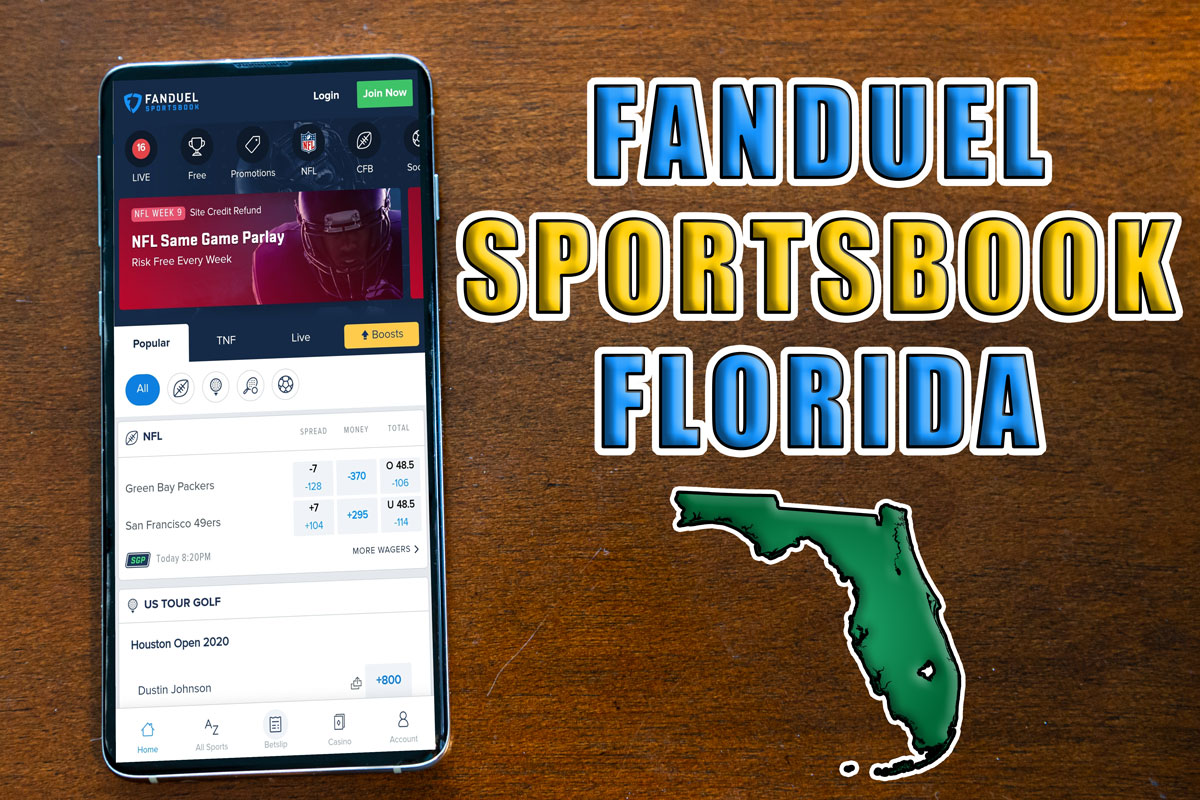
The vibrant state of Florida is a perennial favorite for tourists and residents alike, drawing millions annually with its sun-drenched beaches, world-class theme parks, and diverse cultural offerings. For many, a trip to the Sunshine State also involves exploring opportunities for entertainment, and for a growing segment of the population, this includes engaging with the burgeoning world of daily fantasy sports and sports betting. Amidst this landscape, a frequent question arises for those planning a visit or considering a move: “Is FanDuel allowed in Florida?” The answer, much like the legislative and regulatory environment surrounding gambling in the state, is nuanced and has evolved significantly over time.
The Complex Legal Landscape of Fantasy Sports in Florida
To understand the legality of FanDuel in Florida, it’s essential to delve into the state’s approach to gaming. Historically, Florida has maintained a cautious stance on expanding gambling, often balancing economic opportunities with a desire to preserve certain traditional forms of entertainment and protect consumers. This has led to a patchwork of regulations that can be confusing for newcomers.
Daily Fantasy Sports: A Gray Area for Years
For a considerable period, daily fantasy sports (DFS) operated in a legal gray area within Florida. Unlike traditional sports betting, which is heavily regulated and often prohibited outside of specific tribal or pari-mutuel facilities, DFS was not explicitly defined or outlawed by state statutes. This ambiguity allowed platforms like FanDuel and DraftKings to operate in the state, attracting a significant user base eager to test their skills in predicting player performances for fantasy teams.
The core of the debate surrounding DFS legality often centered on whether it constituted a game of skill or a game of chance. Proponents argued that DFS requires strategic decision-making, statistical analysis, and an understanding of player matchups, thus aligning it with games of skill. Opponents, however, contended that the element of chance, influenced by factors beyond a player’s control such as unexpected injuries or game outcomes, made it akin to gambling.
Legislative Efforts and Judicial Interpretations
Over the years, various legislative attempts were made to clarify the status of DFS. Some proposed bills sought to explicitly legalize and regulate DFS, while others aimed to restrict or ban it. These efforts often faced challenges, with lawmakers grappling with differing interpretations of existing gambling laws and the potential revenue implications of formal regulation.
Crucially, Florida has a constitutional amendment that requires voter approval for any expansion of casino gambling. This has made outright legalization of many forms of gambling a complex political undertaking. The distinction between DFS and traditional casino-style gambling has been a key factor in how the state has approached the former.
In the absence of explicit statutory language, the interpretation of existing laws and potential court rulings have played a significant role. While Florida courts have not definitively ruled on the legality of DFS in a way that has broadly impacted its operation, the general understanding and enforcement practices allowed platforms to continue offering their services. This meant that for many residents and visitors, playing on FanDuel was a readily available option.
The Impact of the Seminole Tribe Compact and Sports Betting
The landscape of gambling in Florida underwent a seismic shift with the re-negotiation of the gaming compact between the state and the Seminole Tribe of Florida. This compact, ratified in 2021, introduced significant changes, most notably the legalization of sports betting, including mobile sports betting. This development has direct implications for companies like FanDuel, which also operates a significant sports betting arm.
Sports Betting Goes Live: A New Era for Florida
The new compact granted the Seminole Tribe the exclusive right to offer sports betting statewide through its Hard Rock brand and its online platform. This means that for individuals looking to place a wager on sporting events in Florida, the primary legal avenue is now through the Hard Rock Bet app, operated by the Seminole Tribe.
This exclusivity has had a ripple effect on other major sports betting operators. Companies that previously operated in the state for daily fantasy sports may find their broader sports betting ambitions constrained by the terms of the tribal compact. The legal framework now favors the Seminole Tribe as the sole entity authorized to offer state-wide mobile sports betting.
What Does This Mean for FanDuel?
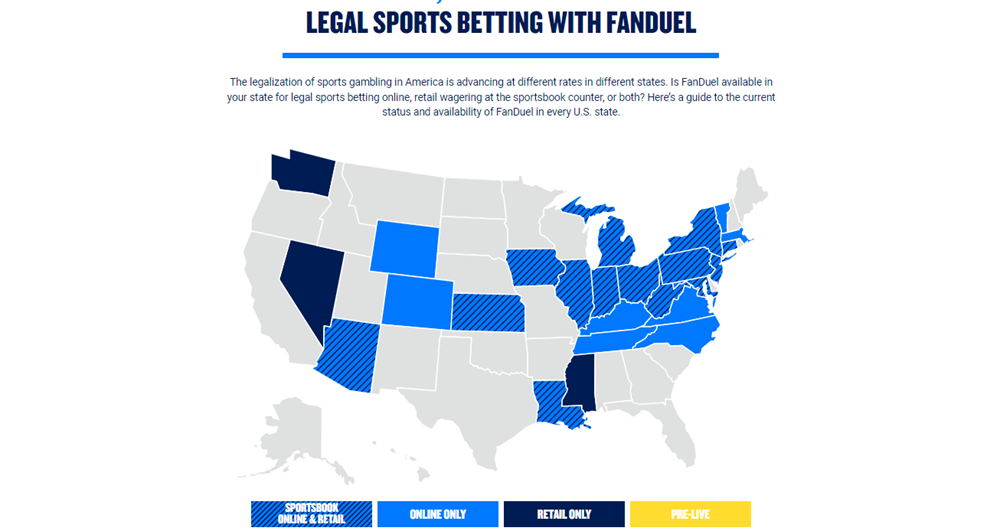
The current situation in Florida is that while FanDuel continues to offer its daily fantasy sports contests, its sports betting product is not legally available to residents within the state. The compact specifically grants the Seminole Tribe exclusive rights to operate sports betting. This means that any individual physically located in Florida cannot legally place a sports bet through the FanDuel app.
This distinction is crucial. Daily fantasy sports, which operate on a different legal premise centered on games of skill, have historically been treated differently by regulators than traditional sports betting. Therefore, while FanDuel’s sports betting services are off-limits in Florida due to the tribal compact, their DFS offerings may still be accessible. However, users are strongly advised to always check the latest regulations and the terms of service provided by FanDuel to ensure compliance.
Navigating the Rules: Tips for Users
For those visiting or residing in Florida and interested in engaging with platforms like FanDuel, understanding the current legal framework is paramount. The distinction between daily fantasy sports and sports betting is key to avoiding potential legal complications.
Daily Fantasy Sports in Florida
As of the current understanding, FanDuel’s daily fantasy sports contests remain accessible to Florida residents. These contests, where users draft teams based on upcoming real-life sporting events and compete for prizes, are generally considered legal in the state. When using the FanDuel app or website within Florida for DFS purposes, users should ensure they are indeed accessing the DFS product and not inadvertently attempting to place sports bets.
Sports Betting Restrictions
It is critical to be aware that FanDuel’s sports betting product is not legally available for use by individuals physically located within the state of Florida. The exclusivity granted to the Seminole Tribe for sports betting means that other operators, including FanDuel, cannot offer these services in the state. Attempts to access or place sports bets through FanDuel while in Florida could lead to account restrictions or other penalties.
Geographical Location Services
Online gaming platforms, including FanDuel, utilize geolocation technology to verify the physical location of their users. This technology is essential for ensuring compliance with state and federal regulations. If you are using FanDuel in Florida and attempting to access its sports betting services, the geolocation software will detect your presence within the state, and you will be prevented from placing a bet. Conversely, if you are within a state where FanDuel sports betting is legal, and you have enabled location services, you will be able to access those features.
Staying Informed
The legal and regulatory environment surrounding gaming is dynamic. Laws can change, and court decisions can alter interpretations. Therefore, it is always advisable for users to stay informed about the latest developments in Florida regarding daily fantasy sports and sports betting. Checking the official FanDuel website or Florida government resources can provide up-to-date information. When in doubt, err on the side of caution and consult the platform’s terms of service or customer support.
The Future of Gaming in the Sunshine State
The recent developments in Florida signal a new chapter in the state’s approach to gaming. The legalization of sports betting, albeit through a limited and exclusive model, opens the door for potential further expansion and evolution. As the state continues to navigate the complex interplay between economic benefits, regulatory oversight, and public opinion, the landscape of entertainment and wagering will likely continue to shift.
Potential for Broader Market Access
While the current tribal compact provides exclusivity for sports betting to the Seminole Tribe, it is not an immutable contract. Future negotiations or legislative actions could potentially lead to a broader market for sports betting and other forms of gaming. Many industry observers anticipate that other operators, including FanDuel, will continue to advocate for broader access should the opportunity arise.
Continued Role of Daily Fantasy Sports
Given their historical operation in a less regulated space and their continued accessibility, daily fantasy sports are likely to remain a significant part of the online gaming landscape in Florida. As long as they are not explicitly deemed illegal and continue to operate under the skill-based argument, platforms like FanDuel will likely continue to offer these products to residents.

The Importance of Responsible Gaming
Regardless of the specific gaming options available, the principles of responsible gaming remain paramount. Users should always engage in gaming activities within their financial means and be aware of the potential risks associated with gambling. Resources for responsible gaming are typically available through the gaming platforms themselves and through state-sponsored initiatives.
In conclusion, for those in Florida wondering about FanDuel, the answer depends on the product. Daily fantasy sports are generally accessible, while sports betting, through FanDuel, is not legally permitted due to the state’s exclusive tribal compact. The evolving nature of gaming regulations in Florida means that staying informed is key for enthusiasts looking to participate in these popular forms of entertainment.
LifeOutOfTheBox is a participant in the Amazon Services LLC Associates Program, an affiliate advertising program designed to provide a means for sites to earn advertising fees by advertising and linking to Amazon.com. Amazon, the Amazon logo, AmazonSupply, and the AmazonSupply logo are trademarks of Amazon.com, Inc. or its affiliates. As an Amazon Associate we earn affiliate commissions from qualifying purchases.