
Seattle, a vibrant metropolis nestled amidst the evergreen forests and sparkling waters of the Pacific Northwest, is renowned for its thriving tech industry, its iconic Space Needle, and its rich cultural tapestry. However, for many who live and work in this dynamic city, understanding the local minimum wage is a crucial aspect of their daily lives and financial planning. The question of “What’s Seattle’s minimum wage?” is not merely a factual inquiry; it delves into the economic realities that shape the experiences of residents, influencing everything from the cost of visiting its renowned attractions to the affordability of its diverse culinary scene. This exploration will illuminate the current minimum wage in Seattle, its historical context, and the implications for both workers and the tourism industry.
Understanding Seattle’s Minimum Wage: A Comprehensive Overview
Seattle has long been at the forefront of movements advocating for a higher minimum wage, distinguishing itself from the state of Washington and many other municipalities across the United States. The city’s commitment to ensuring a living wage is a significant factor for anyone considering employment or engaging with the local economy.
The Current Minimum Wage in Seattle
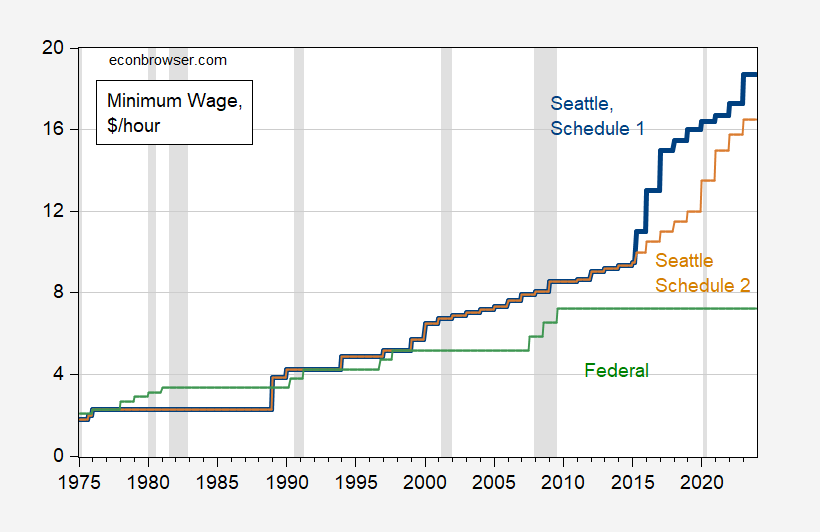
As of January 1, 2024, Seattle’s minimum wage is set at $19.97 per hour. This rate applies to all employees working within the city limits. This figure is not static; it is adjusted annually based on the Consumer Price Index for Urban Wage Earners and Clerical Workers in the Seattle-Tacoma-Bellevue area. This indexing mechanism ensures that the minimum wage keeps pace with inflation, aiming to maintain its purchasing power over time.
It is important to note that this is a single, unified rate for all employees. Unlike some other jurisdictions that might have tiered minimum wages based on employer size or whether tips are involved, Seattle’s ordinance mandates a universal hourly rate. This simplifies compliance for businesses and provides a clear standard for workers.
Historical Context: The Journey to a Higher Wage
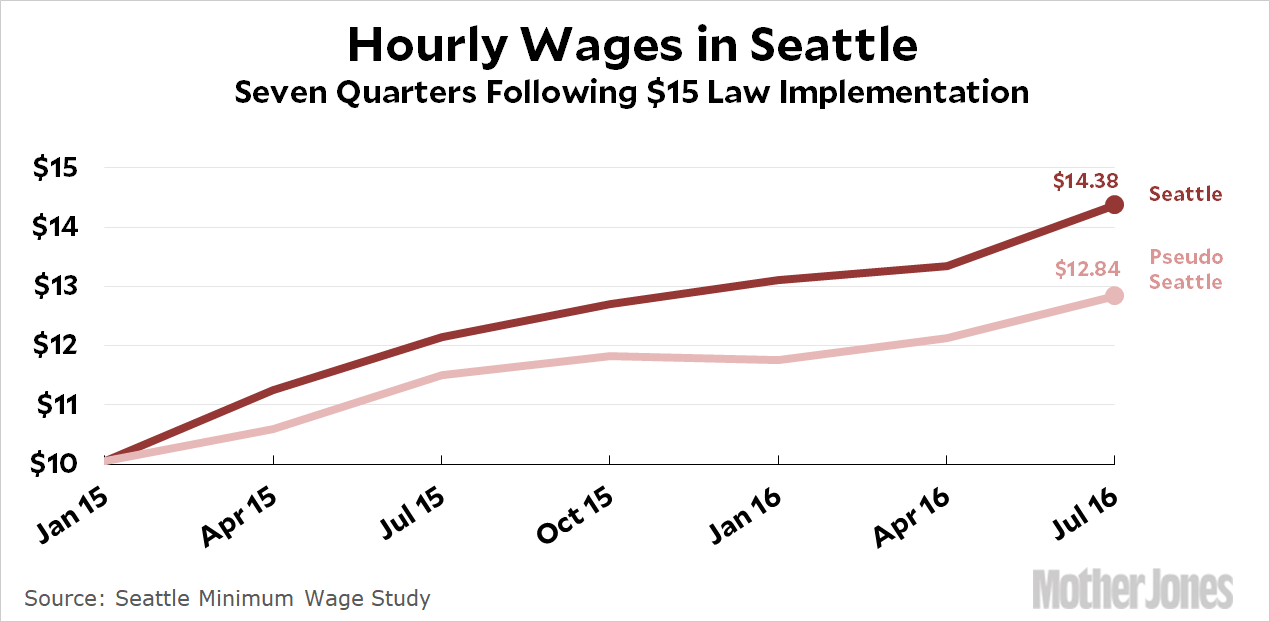
Seattle’s journey to its current minimum wage is a testament to persistent advocacy and a conscious effort to address economic inequality. The city began its minimum wage journey with legislation passed in 2014, which initiated a phased increase to $15 per hour. This landmark decision was among the first of its kind in the nation and sparked widespread debate and emulation.
The phased approach was designed to allow businesses time to adjust to the rising labor costs. Over several years, the minimum wage gradually climbed, with the final increment bringing it to the $15 benchmark. Since then, the annual indexing to inflation has become the primary mechanism for wage increases, ensuring continued growth beyond the initial $15 target. This evolution reflects a growing understanding that a living wage is a dynamic concept, requiring regular adjustments to remain relevant to the actual cost of living.
Distinguishing Seattle’s Wage from Washington State’s
It is crucial to differentiate Seattle’s minimum wage from that of the state of Washington. The state of Washington also has a minimum wage, which is adjusted annually for inflation. However, the state minimum wage is typically lower than Seattle’s. When a city or locality establishes a minimum wage that is higher than the state’s, employers must pay the higher rate to their employees working within that jurisdiction. Therefore, for businesses operating within the city of Seattle, the $19.97 per hour rate is the legally binding standard, not the lower state minimum wage. This distinction is vital for businesses to ensure compliance and for workers to understand their entitled earnings.
Implications for Tourists and Travelers
The robust minimum wage in Seattle has a tangible, albeit often indirect, impact on the tourist and travel experience. While travelers may not directly interact with the minimum wage laws on a daily basis, these regulations shape the local economy, influencing the cost of services, the quality of customer service, and the overall economic vibrancy of the city that welcomes millions of visitors each year.
Impact on Service Industries and Visitor Costs
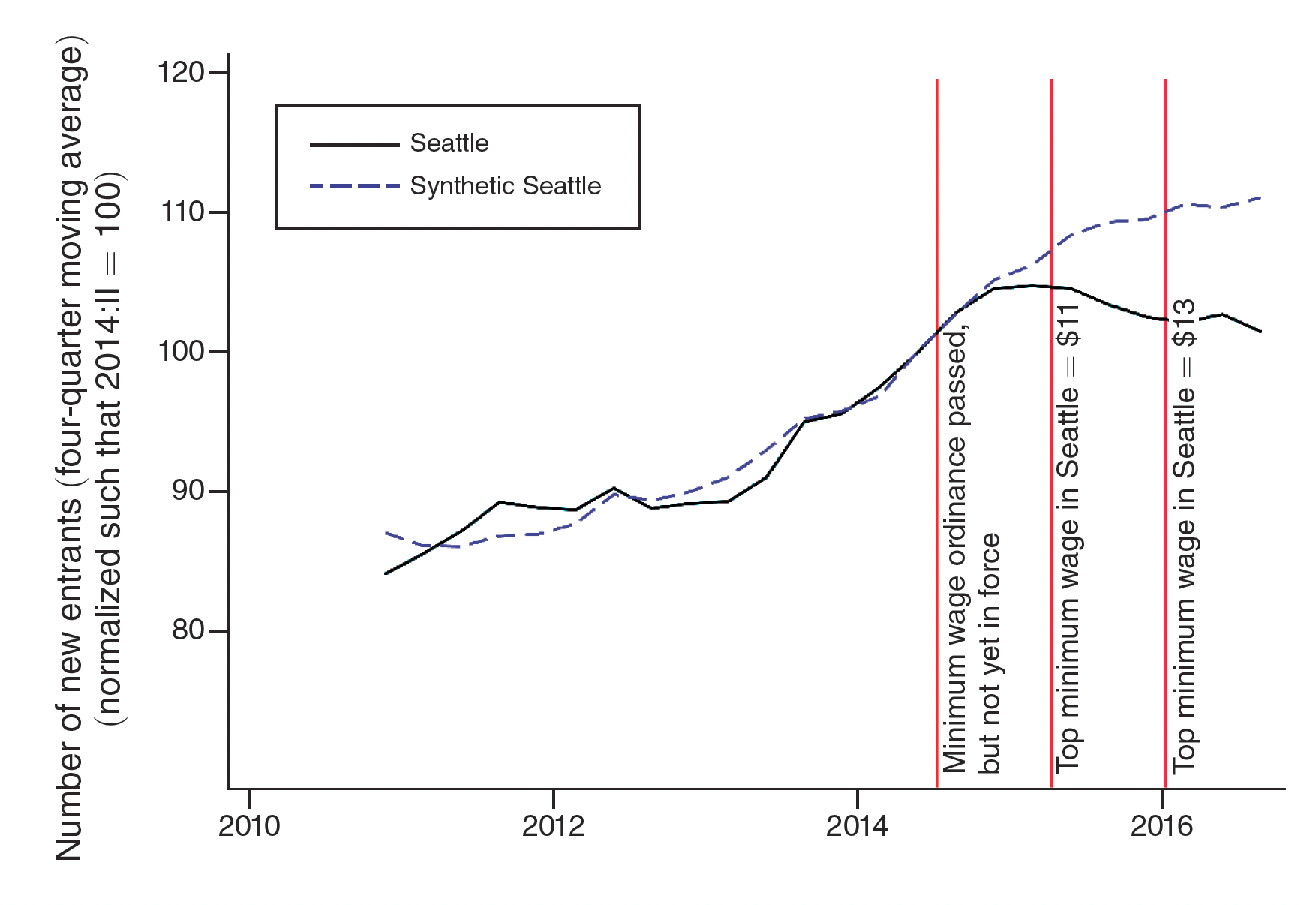
The higher minimum wage in Seattle means that workers in hospitality, retail, and food service industries are earning more per hour. This can translate to several effects for visitors:
- Higher Prices: Businesses in these sectors may pass on increased labor costs to consumers through higher prices for goods and services. This could mean slightly higher costs for meals at restaurants, beverages at cafes, souvenirs, and potentially even hotel rates in some instances, though hotel pricing is complex and influenced by many factors. For example, a coffee at a cafe near the Pike Place Market might reflect the elevated labor costs, compared to a similar establishment in a city with a lower minimum wage.
- Improved Service Quality: Conversely, a higher wage can lead to increased employee morale, reduced staff turnover, and a more experienced workforce. This can result in a higher standard of customer service, as employees feel more valued and are more likely to be committed to their roles. Visitors might experience more attentive and professional service at hotels like the Fairmont Olympic Hotel or when dining at popular eateries.
- Economic Stability: A stronger local economy, bolstered by higher wages, can contribute to the overall appeal and stability of Seattle as a tourist destination. It supports a more robust local business ecosystem, which in turn can foster a more diverse and engaging range of attractions and experiences for visitors.
Affordability and Budget Travel Considerations
For budget-conscious travelers, understanding the cost of living in a destination like Seattle is essential for effective planning. The elevated minimum wage contributes to a generally higher cost of living, which can influence travel budgets.
- Accommodation: While hotel pricing is a complex interplay of demand, seasonality, and amenities, the labor costs associated with hotel operations are certainly a factor. Travelers seeking more affordable options might consider staying slightly outside the immediate downtown core or exploring budget-friendly accommodations.
- Dining: Dining out in Seattle can range from high-end culinary experiences to more casual options. While the minimum wage might influence the price of a meal at a sit-down restaurant, travelers can still find more affordable ways to experience the city’s food scene. Exploring the diverse food stalls at Pike Place Market or seeking out eateries in neighborhoods outside the main tourist hubs can offer more budget-friendly culinary adventures.
- Activities: Many of Seattle’s most popular attractions, such as visiting the Chihuly Garden and Glass or taking a ferry ride across Puget Sound, offer value for money. While admission fees and activity costs reflect the local economic landscape, the intrinsic value and experience gained often justify the expense for many visitors. The city also offers numerous free attractions, such as exploring parks like Discovery Park or walking along the waterfront.
Economic and Social Impact on Seattle Residents
The minimum wage is fundamentally an economic and social policy designed to benefit the residents of Seattle. Its impact extends far beyond the hourly paychecks, influencing community well-being and the broader economic landscape of the city.
Living Wage vs. Minimum Wage
A key aspect of the conversation around Seattle’s minimum wage is its relationship to the concept of a “living wage.” Advocates argue that the current minimum wage, while high compared to national standards, may still fall short of truly covering the full cost of living in an expensive city like Seattle. The cost of housing, in particular, remains a significant challenge for many residents, even those earning the minimum wage. Studies often attempt to calculate a precise living wage based on local expenses, and these figures can sometimes exceed the legislated minimum wage.
Impact on Local Businesses
For businesses in Seattle, complying with the higher minimum wage presents both challenges and opportunities.
- Operational Adjustments: Businesses, particularly small businesses, may need to adjust their operating models to absorb increased labor costs. This could involve streamlining operations, increasing prices, or re-evaluating staffing levels.
- Employee Retention and Recruitment: On the positive side, a higher minimum wage can make Seattle a more attractive place to work, potentially leading to better employee retention and easier recruitment. This can reduce the costs associated with high turnover, such as recruitment and training expenses.
- Economic Stimulus: When low-wage workers earn more, they tend to spend a larger proportion of their income within the local economy. This increased consumer spending can act as a stimulus, benefiting other local businesses and contributing to overall economic growth.
Community Well-being and Social Equity
The push for a higher minimum wage in Seattle is rooted in a desire for greater social equity and improved community well-being.
- Poverty Reduction: By increasing the earnings of the lowest-paid workers, the minimum wage aims to reduce poverty and income inequality within the city. This can lead to improved health outcomes, reduced crime rates, and greater overall social stability.
- Access to Opportunities: A higher wage can enable more residents to afford basic necessities, pursue further education or training, and participate more fully in the economic and cultural life of the city. This can create a more inclusive and vibrant community for everyone.
- Focus on Labor Rights: Seattle’s minimum wage policies have also helped to raise national awareness about labor rights and the importance of ensuring that work provides a pathway to economic security.
In conclusion, the question of “What’s Seattle’s minimum wage?” opens a window into the city’s commitment to its workforce and its economic philosophy. The current rate of $19.97 per hour, subject to annual adjustments, reflects a progressive approach to labor economics. For travelers, this translates into a city with potentially higher costs but also a commitment to fairness and a thriving local economy that enriches the visitor experience. For residents, it represents a critical policy aimed at improving living standards and fostering greater social equity in one of America’s most dynamic urban centers.
LifeOutOfTheBox is a participant in the Amazon Services LLC Associates Program, an affiliate advertising program designed to provide a means for sites to earn advertising fees by advertising and linking to Amazon.com. Amazon, the Amazon logo, AmazonSupply, and the AmazonSupply logo are trademarks of Amazon.com, Inc. or its affiliates. As an Amazon Associate we earn affiliate commissions from qualifying purchases.