
Navigating the complexities of employment law can feel as intricate as planning a multi-city tour of Florida‘s diverse attractions. For many, a significant concern when considering relocation or employment within the Sunshine State is understanding the fundamental nature of their employment relationship. The question, “Is Florida an at-will employment state?” is a crucial one, impacting everything from job security to the legal recourse available in case of termination. This article aims to demystify the concept of at-will employment as it applies to Florida, delving into its implications for both employees and employers, and exploring the common exceptions that provide a degree of protection.
The allure of Florida extends far beyond its pristine beaches and world-renowned theme parks like Walt Disney World and Universal Orlando Resort. It’s a vibrant economic hub, drawing professionals from across the globe to its burgeoning industries, from tourism and hospitality to technology and agriculture. Whether you’re considering a seasonal job at a beachfront resort in Miami Beach, a role within the bustling business district of Tampa, or opportunities near the historic charm of St. Augustine, understanding your employment rights is paramount. This is where the doctrine of “at-will employment” comes into play, shaping the landscape of employer-employee relations in the state.
Understanding At-Will Employment in Florida
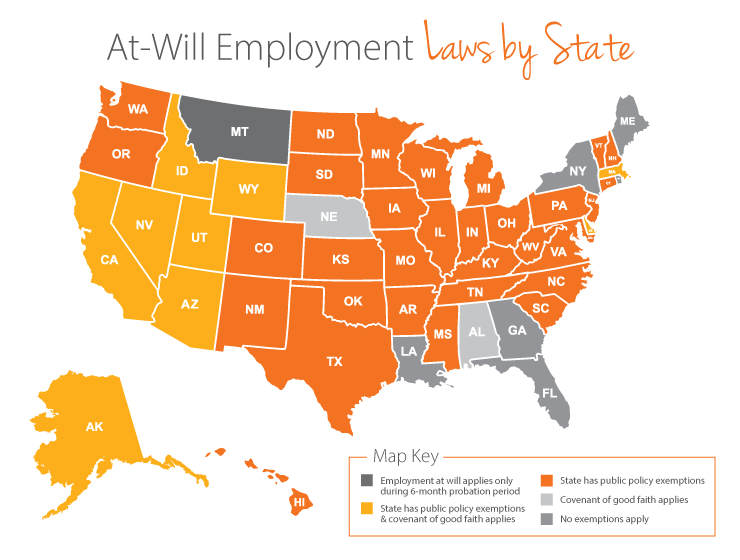
At its core, the principle of at-will employment means that either the employer or the employee can terminate the employment relationship at any time, for any reason, or for no reason at all, provided the reason is not illegal. This doctrine is a cornerstone of employment law in most U.S. states, and Florida is no exception. It’s a stark contrast to employment contracts that might specify a fixed term of employment or outline specific grounds for termination.
The Employer’s Perspective: Flexibility and Efficiency
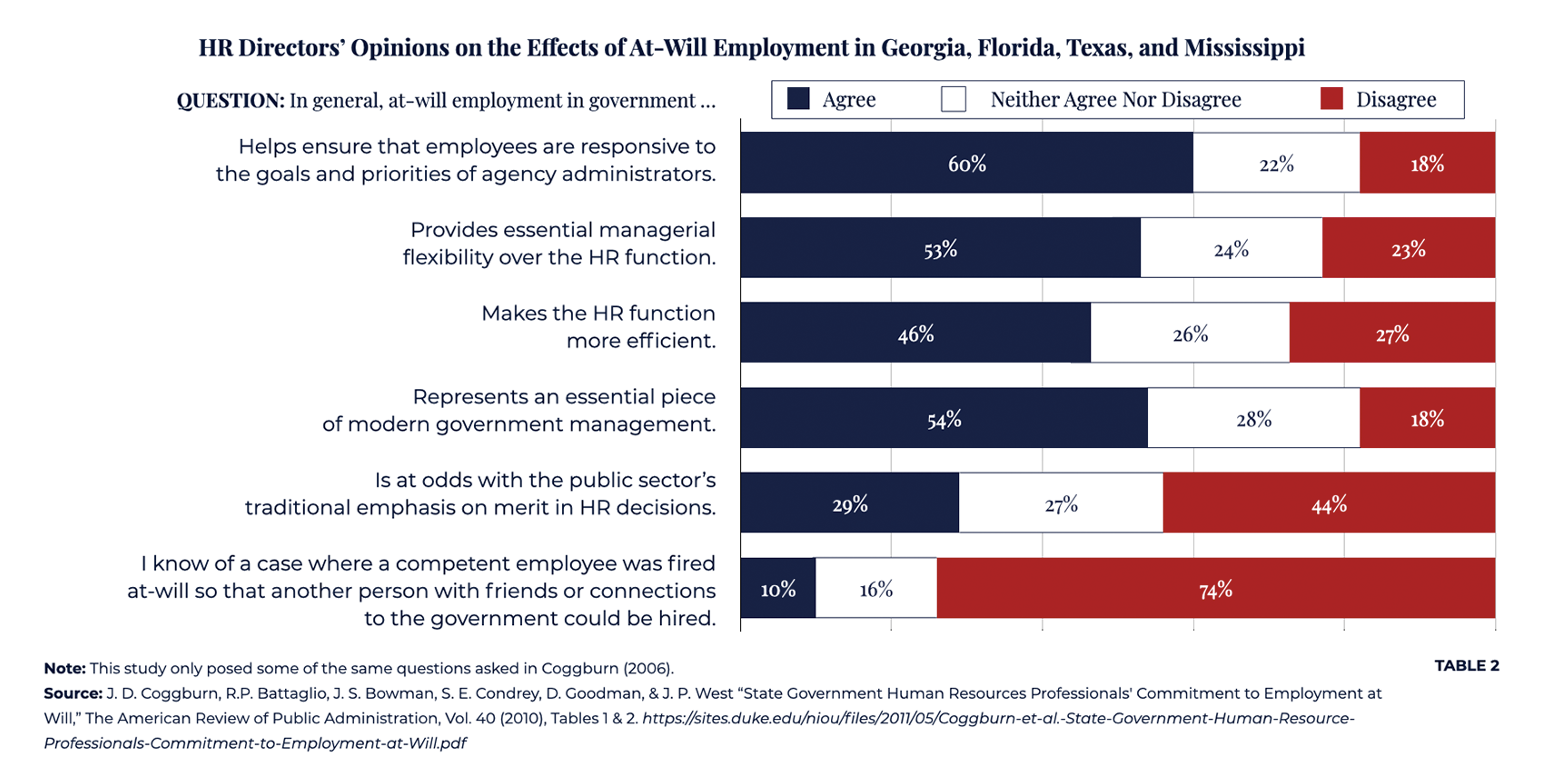
From an employer’s standpoint, the at-will doctrine offers significant flexibility. It allows businesses, from small boutique hotels in Key West to large corporations headquartered in Orlando, to adapt quickly to changing business needs. If market conditions shift, a particular project concludes, or an employee’s performance is deemed unsatisfactory, an employer can make swift personnel decisions without the burden of proving cause for termination. This can streamline operations and reduce administrative overhead associated with lengthy termination procedures.
Consider a scenario where a popular restaurant in Fort Lauderdale experiences a sudden downturn in business. Under at-will employment, the owner could reduce staff levels to match decreased demand without needing to demonstrate specific performance issues for each laid-off employee. Similarly, a luxury resort like the Ritz-Carlton, Naples could reassign staff or make adjustments to staffing levels based on seasonal occupancy fluctuations with relative ease. This flexibility is a key reason why many businesses are attracted to operating in at-will states.
The Employee’s Perspective: Job Security and Recourse
For employees, the at-will doctrine can appear less favorable, potentially creating a sense of precariousness. The absence of a formal contract or guaranteed employment term means that job security is largely dependent on maintaining a positive working relationship and meeting employer expectations. However, it’s crucial to understand that “any reason” does not equate to “any illegal reason.” The at-will doctrine is not a license for employers to discriminate or retaliate.
While an employer can terminate an employee for reasons that might seem arbitrary to the employee, such as a personality clash or a perceived lack of enthusiasm, they cannot terminate an employee for reasons that violate federal or state laws. This is where the exceptions to the at-will doctrine become critically important for employees seeking protection.
Exceptions to the At-Will Doctrine in Florida
Despite the broad application of at-will employment in Florida, several significant exceptions limit an employer’s unfettered ability to terminate an employee. These exceptions are designed to protect employees from unlawful practices and ensure fair treatment in the workplace. Understanding these exceptions is vital for anyone working in or considering employment within the state.
1. Public Policy Exception
One of the most significant exceptions to the at-will doctrine is the public policy exception. This means an employer cannot terminate an employee for a reason that violates a clear mandate of public policy. Such policies are often established through statutes, constitutions, or court decisions.
Examples of Public Policy Violations:
- Refusing to commit an illegal act: If an employer asks an employee to engage in illegal activities, such as falsifying company records or violating environmental regulations, and then terminates the employee for refusing, that termination would likely be unlawful. For instance, a worker at a food processing plant in Lakeland who refuses to package food past its expiration date, an act that would violate health and safety laws, is protected.
- Exercising a legal right: Employees are protected from retaliation if they exercise a legal right. This can include filing a workers’ compensation claim after a workplace injury, serving on a jury, or voting. If an employer fires an employee for fulfilling their civic duty by serving on a jury in Jacksonville, that termination would be unlawful.
- Reporting illegal activities (Whistleblowing): Employees who report illegal or unethical conduct by their employer to the proper authorities are often protected. This is a crucial aspect of corporate accountability. For example, an accountant at a development company in Boca Raton who reports fraudulent financial practices to the Securities and Exchange Commission cannot be fired for doing so.
- Cooperating with an investigation: Similar to whistleblowing, employees who cooperate with official investigations into their employer’s conduct are also protected from retaliatory termination.
The public policy exception is a critical safeguard, ensuring that employees are not penalized for acting in accordance with the law or for upholding the public good.
2. Implied Contract Exception
While most employment is at-will, an implied contract can be created through an employer’s words or actions, even without a formal written agreement. If an employer’s conduct leads an employee to reasonably believe that their employment is secure and will only be terminated for just cause, an implied contract may exist.
How Implied Contracts Can Arise:

- Oral promises: A supervisor’s explicit promise of job security, stating that the employee will not be fired without a specific reason, could, under certain circumstances, create an implied contract. However, such promises must be clear and unambiguous.
- Employee handbooks and policy manuals: Many companies provide employee handbooks that outline disciplinary procedures and grounds for termination. If a handbook details a progressive disciplinary process (e.g., verbal warning, written warning, final warning before termination) and the employer fails to follow this process before terminating an employee, a court might find that an implied contract was breached. For example, if a resort’s handbook for its housekeeping staff in Clearwater states that employees will receive a written warning for performance issues before termination, firing an employee for a minor infraction without a warning could violate this implied contract.
- Long-term employment with consistent positive evaluations: In some cases, a long history of satisfactory performance, coupled with repeated assurances of job security, might create a basis for an implied contract.
It is important to note that courts are often hesitant to find an implied contract, especially if the employment documents contain explicit disclaimers stating that employment remains at-will. Employers typically include such disclaimers to reinforce the at-will nature of the employment relationship.
3. Statutory Protections and Discrimination
Federal and state laws prohibit employers from terminating employees based on discriminatory reasons. These laws are a fundamental part of ensuring a fair and equitable workplace, regardless of whether employment is at-will.
Key Anti-Discrimination Laws in Florida:
- Title VII of the Civil Rights Act of 1964: This federal law prohibits employment discrimination based on race, color, religion, sex, and national origin. This applies to all employers in Florida with 15 or more employees.
- The Age Discrimination in Employment Act (ADEA): This federal law protects individuals who are 40 years of age or older from employment discrimination.
- The Americans with Disabilities Act (ADA): This federal law prohibits discrimination against qualified individuals with disabilities and requires employers to provide reasonable accommodations to enable them to perform their jobs.
- The Florida Civil Rights Act of 1992: This state law mirrors many federal anti-discrimination protections and also covers smaller employers (typically those with 15 or more employees) and adds protections based on marital status and familial status.
Consequences of Discriminatory Termination:
If an employee can prove that their termination was motivated by discrimination based on a protected characteristic (e.g., age, race, gender, disability, religion, national origin), the termination is illegal, even in an at-will state. This could lead to legal action against the employer, including claims for back pay, front pay, emotional distress damages, and attorney’s fees. For example, an older employee at a theme park in Tampa who is replaced by a significantly younger, less experienced worker and can show a pattern of age-based comments by management might have a valid claim for age discrimination.
4. Breach of Contract
While most employment in Florida is at-will, some employees may have actual, express written contracts that define the terms of their employment. These contracts typically specify a fixed duration of employment or outline specific conditions under which an employee can be terminated.
Express Employment Contracts:
These are formal agreements, usually in writing, that explicitly state the terms and conditions of employment. They might include:
- A fixed term of employment: For example, a contract for a specific project or for a set number of years.
- Specific grounds for termination: The contract may list the only reasons for which an employee can be terminated (e.g., gross misconduct, failure to meet specific performance metrics outlined in the contract).
- Severance pay provisions: Contracts may also detail severance packages to be paid upon termination.
If an employer breaches the terms of an express employment contract, the employee may have a legal claim for breach of contract. This is particularly common for highly skilled professionals, executives, or athletes employed in Florida. For instance, a professional golfer signed to a contract with a sports management firm in Ponte Vedra Beach might have an express contract that dictates specific termination clauses.
Navigating Your Employment Rights in Florida
Understanding that Florida is an at-will employment state is the first step. The next is to be aware of your rights and the protections available to you. Whether you are considering a career in the vibrant tourism sector, working in hospitality at a luxury hotel in Palm Beach, or pursuing opportunities in other industries, being informed is your best defense.
For Employees:
- Read your employment documents carefully: Pay close attention to any offer letters, employment agreements, or employee handbooks you receive. Look for disclaimers that reinforce the at-will nature of your employment.
- Understand your company’s policies: Familiarize yourself with your employer’s policies and procedures, especially those related to disciplinary actions and termination.
- Document everything: Keep records of your performance reviews, any commendations, as well as any instances of perceived unfair treatment, discrimination, or harassment. This documentation can be invaluable if you need to assert your rights later.
- Seek legal advice: If you believe you have been wrongfully terminated, discriminated against, or that your employer has breached an employment contract, consult with an employment lawyer. They can assess your situation and advise you on the best course of action.
For Employers:
- Have clear policies and procedures: Implement well-defined policies and procedures for hiring, discipline, and termination, and ensure they are consistently applied.
- Use disclaimers: Include clear disclaimers in all employment-related documents stating that employment is at-will and that no promises of job security are being made, except as may be explicitly stated in a written contract signed by an authorized representative.
- Train your managers: Ensure that your managers and supervisors are well-trained on employment law and company policies to avoid making statements or taking actions that could inadvertently create an implied contract or lead to claims of discrimination or retaliation.
- Be consistent: Apply policies and disciplinary actions consistently across all employees to avoid claims of disparate treatment.
In conclusion, while Florida operates under the doctrine of at-will employment, this does not grant employers absolute power. The presence of public policy, implied contract, statutory, and express contract exceptions provides crucial protections for employees. By understanding these nuances, both employees and employers can navigate the employment landscape in Florida with greater clarity and confidence, fostering a more equitable and lawful workplace for all.
LifeOutOfTheBox is a participant in the Amazon Services LLC Associates Program, an affiliate advertising program designed to provide a means for sites to earn advertising fees by advertising and linking to Amazon.com. Amazon, the Amazon logo, AmazonSupply, and the AmazonSupply logo are trademarks of Amazon.com, Inc. or its affiliates. As an Amazon Associate we earn affiliate commissions from qualifying purchases.