
California, a state synonymous with sunshine, innovation, and diverse landscapes, holds a fascinating natural wonder that often surprises visitors: its tar pits. These geological marvels, particularly the renowned La Brea Tar Pits in Los Angeles, offer a unique glimpse into prehistoric life and the dynamic geological processes that have shaped the region. More than just sticky traps for ancient creatures, these sites are vibrant hubs of scientific discovery and captivating tourist attractions, drawing in curious minds from around the globe.
Unearthing the Past: The Geological Phenomenon of Tar Pits
The existence of tar pits in California is a direct result of the state’s rich geological history, characterized by its position along the volatile San Andreas Fault and the presence of extensive petroleum deposits beneath the surface.
How Tar Pits Form
Tar pits, or seeps, are natural asphalt deposits that occur when crude oil rises to the Earth’s surface. This upward migration of oil is often facilitated by underground geological faults and fractures. As the lighter components of the crude oil, such as natural gas and gasoline, evaporate into the atmosphere, the heavier, more viscous components, primarily asphalt and bitumen, remain. This sticky, tar-like substance then accumulates in natural depressions or shallow pools.
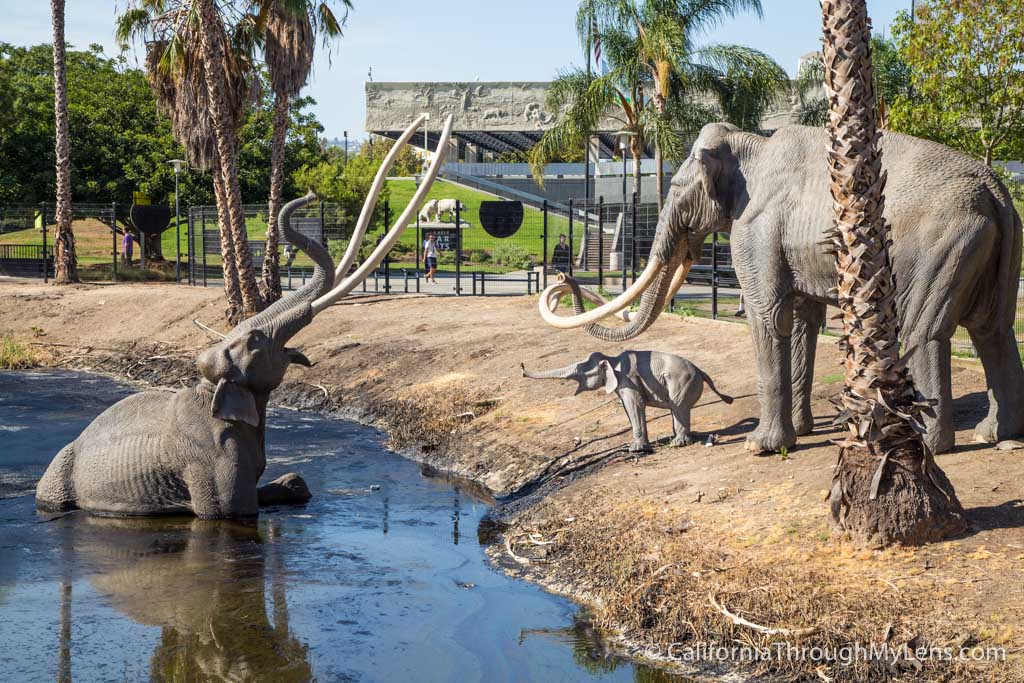
The process is slow and continuous. Over millennia, these seeping asphalt pools have acted as natural traps, ensnaring unsuspecting animals that wandered too close, mistaking the surface for water or simply getting stuck in the viscous mire. The anaerobic conditions created by the tar effectively preserve the remains of these creatures, making tar pits invaluable paleontological sites.
The Role of Petroleum Deposits
California’s abundant underground petroleum reserves are the direct source of the tar found in its pits. The state is a major producer of oil, with significant deposits found in various basins, including the Los Angeles Basin. These subterranean oil fields, formed from the fossilization of ancient marine organisms over millions of years, are under pressure. This pressure, combined with the porous nature of the surrounding rock layers, forces the oil upwards. As the oil ascends through cracks and fissures, it encounters atmospheric conditions, leading to the formation of tar pits. The thickness and composition of the oil, along with the local geological structure, determine the extent and nature of the tar seeps.
The Jewel of Los Angeles: The La Brea Tar Pits
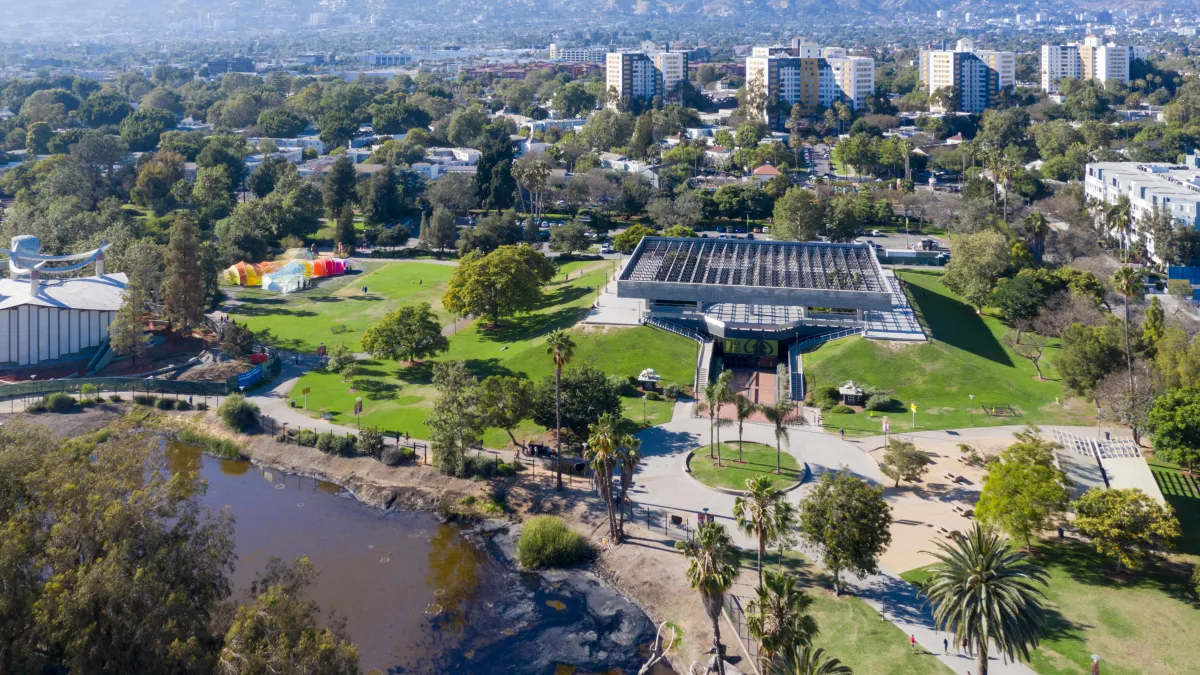
While tar seeps can be found in various locations across California, the most famous and extensively studied are undoubtedly the La Brea Tar Pits, located in the heart of Los Angeles. This remarkable site is not just a tourist attraction; it is a world-class research facility and a window into the Pleistocene epoch.
A Living Museum of Prehistoric Life

The La Brea Tar Pits are the richest source of Pleistocene fossils in the Western Hemisphere. The consistent seepage of asphalt over tens of thousands of years has created a remarkable collection of preserved remains, offering an unparalleled snapshot of the megafauna that roamed Southern California during the last Ice Age.
The most iconic discoveries from the pits include the skeletons of saber-toothed cats, dire wolves, mammoths, giant ground sloths, and various extinct birds. These fossils, ranging from tiny insect fragments to massive bone structures, have been meticulously excavated and are now housed and displayed at the adjacent La Brea Discoveries at the Tar Pits, formerly known as the George C. Page Museum. The museum provides an immersive experience, allowing visitors to see the actual excavation sites, marvel at the fossilized remains, and learn about the scientific process of uncovering and interpreting these ancient relics. Interactive exhibits and detailed displays bring the prehistoric world to life, explaining the unique challenges faced by animals in this treacherous environment and the scientific insights gained from their preservation.
Visiting the Tar Pits: An Educational and Engaging Experience
A visit to the La Brea Tar Pits offers a multifaceted experience for travelers interested in nature, history, and science. The site is part of the larger Hancock Park, an urban oasis that provides a surprising contrast to the bustling city surrounding it.
Beyond the museum, visitors can explore the park itself. Numerous pits are visible, some still actively bubbling with asphalt, offering a tangible connection to the geological forces at play. Informative plaques and signage explain the history of the pits and the significance of the fossils found. For those interested in a deeper dive, guided tours are often available, led by knowledgeable docents who can provide fascinating details about the excavations and the prehistoric ecosystem.
The La Brea Discoveries at the Tar Pits is a key attraction, meticulously curated to showcase the scientific endeavors undertaken at the site. Here, visitors can witness researchers at work in the observation pit, see fossil preparation in progress, and learn about the ongoing efforts to understand the paleoecology of the region. The museum’s collection is vast, with millions of specimens, and the exhibits are designed to appeal to all ages, making it a perfect destination for families, students, and anyone with a curious mind. The accessibility of the tar pits, situated within a major metropolitan area, makes it a convenient yet extraordinary excursion, offering a unique blend of urban exploration and natural history.
Beyond Los Angeles: Other Notable Tar Seeps in California
While La Brea Tar Pits is the most famous, California is dotted with other, less known but equally significant, natural asphalt seeps that contribute to the state’s geological tapestry. These sites, though perhaps not as extensively developed for tourism, offer unique insights into the ongoing geological processes and the historical presence of oil in the region.
The Carpinteria Tar Pits
Located in Carpinteria, just south of Santa Barbara, the Carpinteria Tar Pits are another important paleontological site. Similar to their Los Angeles counterparts, these seeps have preserved a wealth of Ice Age fossils, including those of mammoths, horses, and bison. The fossils discovered here have provided crucial data for understanding the migration patterns and ecological interactions of prehistoric animals in coastal California.
The site is less developed than La Brea, offering a more natural and less curated experience. While there isn’t a large museum on-site, public access points allow visitors to observe the seeps and appreciate the natural environment. The presence of these tar pits in a coastal setting highlights the widespread nature of petroleum seepage across the state, influenced by the complex geological structures of the California Coast Ranges.
Other Minor Seeps and Oil Fields
Throughout California, particularly in the oil-rich regions of the state, numerous smaller tar seeps and oil springs can be found. These areas, often in more remote or industrial settings, are testament to the continuous geological activity and the deep historical roots of the petroleum industry in the state. While many of these sites may not be tourist attractions in themselves, they contribute to the overall understanding of California’s geological heritage. Observing these natural phenomena, even on a smaller scale, can offer a profound appreciation for the earth’s dynamic processes and the raw power that has shaped landscapes over millions of years. They serve as a constant reminder of the subterranean forces that lie beneath the surface of this vibrant and geologically active state.
LifeOutOfTheBox is a participant in the Amazon Services LLC Associates Program, an affiliate advertising program designed to provide a means for sites to earn advertising fees by advertising and linking to Amazon.com. Amazon, the Amazon logo, AmazonSupply, and the AmazonSupply logo are trademarks of Amazon.com, Inc. or its affiliates. As an Amazon Associate we earn affiliate commissions from qualifying purchases.