
In the intricate tapestry of modern life, identification plays a pivotal role, not just for basic transactions but significantly for mobility and access. For residents and visitors alike in the United States, the question of whether a Florida driver’s license qualifies as a “Real ID” is more than a bureaucratic query; it’s a fundamental lifestyle consideration impacting travel plans, access to federal facilities, and overall peace of mind. As the federal government has tightened security standards, understanding the nuances of identification has become an essential aspect of responsible citizenship and seamless travel within the United States. This article delves into the specifics of Florida’s compliance with the Real ID Act, outlining what it means for individuals navigating their daily lives and planning their adventures.
Understanding the Real ID Act: A Lifestyle Essential
The Real ID Act, passed by Congress in 2005, was a direct response to the 9/11 Commission’s recommendation that the federal government “set standards for the issuance of sources of identification, such as driver’s licenses.” This legislation established minimum security standards for state-issued driver’s licenses and identification cards and prohibits federal agencies from accepting licenses and identification cards from states that do not meet these standards for certain official purposes. For the average citizen, this translates into a significant impact on everyday lifestyle, particularly concerning travel and access to governmental services.
What is a Real ID and Why Does it Matter?
At its core, a Real ID is a driver’s license or identification card that meets the heightened security standards mandated by the Real ID Act. These standards aim to prevent fraudulent identification, thereby enhancing national security. For individuals, understanding whether their ID is Real ID compliant is crucial because, without it, certain essential activities become difficult, if not impossible. The most prominent example is domestic air travel. Since the full enforcement of the act, an ordinary driver’s license from a non-compliant state is no longer accepted for boarding federally regulated commercial aircraft. This directly impacts travel lifestyles, from spontaneous weekend getaways to crucial business trips, demanding foresight and preparation. Furthermore, accessing certain federal facilities, such as military bases or nuclear power plants, also requires a Real ID compliant document. This touches upon a broader lifestyle implication, affecting contractors, visitors, and even family members of service personnel who might need regular access to these sites.
The Federal Mandate and its Implications
The phased implementation of the Real ID Act has seen several deadlines, with the final enforcement for air travel pushing states to comply. The Department of Homeland Security (DHS) is the federal agency responsible for overseeing the act’s implementation, working with states to ensure their identification documents meet the necessary criteria. The implications for individuals are profound: complacency about ID compliance can lead to frustrating delays or even missed flights. For a lifestyle that prioritizes efficiency and mobility, possessing a Real ID is no longer optional but a necessity. It streamlines interactions with federal authorities and ensures uninterrupted travel within the country, fostering a sense of readiness and preparedness that many value in their personal and professional lives.
The Florida Driver’s License: Compliance and Features
Florida has been compliant with the Real ID Act for several years, ensuring that its residents can obtain driver’s licenses and identification cards that meet federal standards. This compliance is a testament to the state’s commitment to national security while facilitating the smooth functioning of its citizens’ lives. Understanding the specific features of a Florida ID and how to identify its Real ID status is key to avoiding future complications.
Identifying a Real ID Compliant Florida License
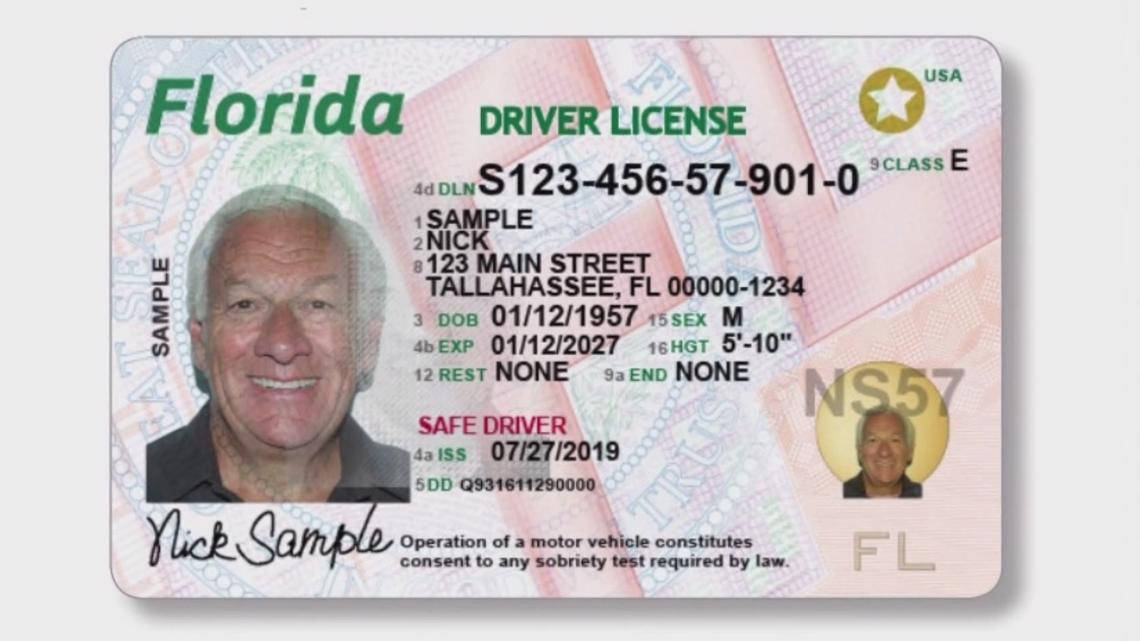
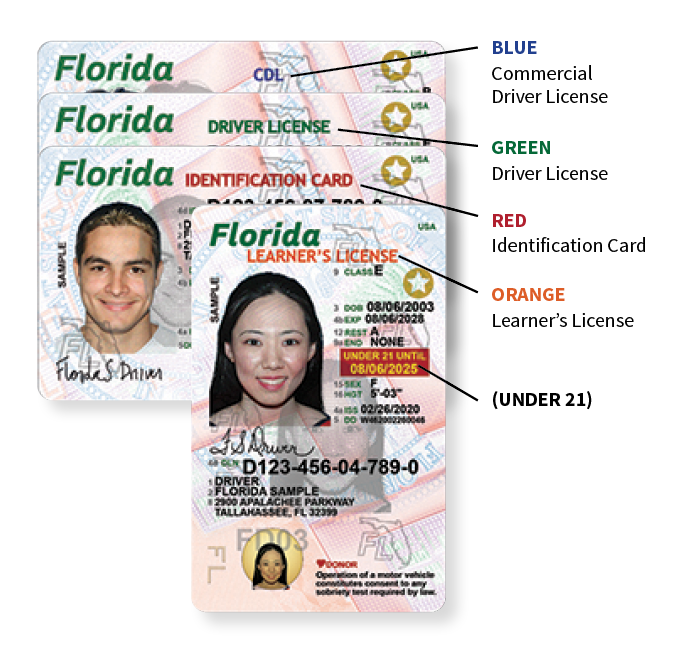
A Real ID compliant Florida driver’s license or identification card is easily identifiable by a star symbol located in the upper right-hand corner of the card. This star, typically gold or black, is the universal indicator that the document meets federal Real ID standards. Without this star, a Florida ID would be considered a standard credential and would not be accepted for federal purposes, such as boarding a domestic flight or entering a federal facility, after the enforcement deadline. It’s crucial for every Florida resident to check their current ID for this distinguishing mark. For those whose IDs lack the star, obtaining a Real ID compliant version should be a priority, especially if they anticipate domestic air travel or needing access to federal sites.
The Evolution of Florida’s Identification Documents
Florida’s journey to Real ID compliance involved a significant update to its licensing procedures and card designs. The state’s Department of Highway Safety and Motor Vehicles (FLHSMV) proactively implemented the necessary changes, ensuring that residents could transition smoothly. This evolution reflects a broader trend across the United States to modernize identification documents, incorporating advanced security features to deter counterfeiting and identity theft. These changes, while sometimes requiring a trip to the DMV, ultimately serve to protect individual identities and enhance collective security, aligning with a lifestyle that values both personal convenience and public safety.
Navigating Travel and Federal Access with Your Florida ID
The practical implications of having a Real ID compliant Florida driver’s license primarily revolve around unfettered access to air travel and federal facilities. For individuals whose lifestyles involve frequent movement or interactions with government entities, this compliance is a cornerstone of their operational efficiency and peace of mind.
Air Travel and TSA Checkpoints
The most widely felt impact of the Real ID Act is at airport security checkpoints. The Transportation Security Administration (TSA) enforces the requirement for a Real ID compliant document (or an alternative acceptable form of ID like a passport) for all domestic flights. For Florida residents, this means that their star-marked driver’s license or ID card is their ticket to smooth passage through security. Without it, even with a valid plane ticket, boarding will be denied. This aspect of the act underscores the importance of proactive planning in a travel-oriented lifestyle. Whether it’s a family vacation to Orlando, a business conference in Miami, or simply visiting relatives across state lines, the Real ID is an indispensable tool.
Accessing Federal Facilities and Military Bases
Beyond air travel, the Real ID is also a critical document for accessing secure federal facilities, including many government buildings, courthouses, and military installations. For individuals working with federal agencies, contractors, or even family members visiting military personnel, a compliant Florida ID ensures seamless entry. This prevents the hassle of needing a secondary form of identification or being turned away, which can significantly disrupt professional or personal plans. This capability contributes to a more efficient and less stressful lifestyle for those whose lives intersect with federal operations.
Beyond Travel: Everyday Uses and Requirements
While air travel and federal access are the most prominent uses, the Real ID’s enhanced security features also provide a higher level of trust in daily transactions. While local law enforcement agencies and businesses are not mandated to require a Real ID for general identification purposes, the increased security standards mean that these documents are robust against fraud. This indirectly benefits consumers and businesses alike, fostering a more secure environment for transactions and interactions that rely on identity verification. It’s a subtle yet significant way the Real ID supports a secure and trustworthy lifestyle.
Obtaining and Maintaining Your Real ID in Florida
For Florida residents, acquiring or renewing a Real ID is a straightforward process, managed by the Florida Department of Highway Safety and Motor Vehicles (FLHSMV). Understanding the requirements and procedures is essential for maintaining an uninterrupted lifestyle.
Required Documentation and Application Process
To obtain a Real ID compliant Florida driver’s license or ID card, applicants must typically visit an FLHSMV office in person. They need to present specific documentation to prove their identity, date of birth, Social Security number, and two proofs of residential address. For individuals who have changed their name (e.g., through marriage), additional documentation like a marriage certificate is required. This rigorous documentation process is what ensures the high security standards of the Real ID. While it may seem cumbersome, it’s a critical step in verifying identity and preventing fraud, thereby safeguarding your personal information and enabling your lifestyle choices. The FLHSMV website provides a comprehensive list of acceptable documents, and it’s always advisable to consult it before visiting an office to avoid multiple trips.
Renewal and Common Pitfalls
Once obtained, a Real ID compliant Florida license or ID card typically lasts for a standard renewal period. However, residents must be mindful that the first time they apply for a Real ID, it generally requires an in-person visit. Subsequent renewals may be eligible for online processing, provided there are no changes to vital information or photo requirements. A common pitfall is misunderstanding the documentation required, especially for those who have recently moved, married, or undergone other life changes. Ensuring all documents are current and correctly reflect your legal name and address is paramount. Procrastination in renewing or updating your ID can also lead to issues, particularly if you find yourself needing to travel or access federal facilities unexpectedly.
The Broader Lifestyle Impact of Real ID Compliance
The shift to Real ID compliant identification documents isn’t just about federal mandates; it’s about integrating enhanced security into the fabric of everyday life, offering both tangible and intangible benefits to individuals.
Peace of Mind for Travelers and Citizens
Perhaps the most significant lifestyle benefit of holding a Real ID compliant Florida license is the peace of mind it offers. Knowing that your primary form of identification will be universally accepted for federal purposes, especially at airport security checkpoints, removes a layer of anxiety from travel planning. It means fewer worries about unexpected delays or denied boarding, allowing travelers to focus on the purpose of their journey rather than bureaucratic hurdles. This mental ease extends beyond travel, knowing that your identification is robust and compliant, reducing concerns about its validity in various official contexts.

Planning Ahead: Why Procrastination is Not an Option
In a lifestyle that values efficiency and preparedness, obtaining a Real ID is a prime example of planning ahead. The deadlines for Real ID enforcement were widely publicized, yet many individuals still found themselves scrambling at the last minute, leading to long lines at DMV offices and potential travel disruptions. Procrastination, in this context, directly impacts one’s ability to move freely and access essential services. By proactively obtaining and maintaining a Real ID, Florida residents ensure their lifestyle remains uninterrupted and fully empowered by compliant documentation. It’s a small administrative step that yields significant benefits in the grand scheme of modern living.
LifeOutOfTheBox is a participant in the Amazon Services LLC Associates Program, an affiliate advertising program designed to provide a means for sites to earn advertising fees by advertising and linking to Amazon.com. Amazon, the Amazon logo, AmazonSupply, and the AmazonSupply logo are trademarks of Amazon.com, Inc. or its affiliates. As an Amazon Associate we earn affiliate commissions from qualifying purchases.