
Becoming a Notary Public in Colorado offers a distinctive pathway to enhancing one’s professional standing, contributing to the community, and even carving out a flexible income stream. Far more than a mere bureaucratic formality, the role of a notary public is deeply embedded in the fabric of daily life, ensuring the authenticity and integrity of critical documents. For those seeking to expand their professional horizons or add a valuable skill set to their repertoire, navigating the process of becoming a notary in the Centennial State can be a highly rewarding endeavor that seamlessly integrates into a diverse array of lifestyles, from career professionals seeking additional credentials to individuals looking for entrepreneurial opportunities. This comprehensive guide will illuminate the steps, requirements, and ongoing responsibilities involved, framing them within the context of a fulfilling and impactful lifestyle choice.
Understanding the Notary Public Role in Colorado’s Lifestyle
The decision to become a notary is often driven by a desire for increased professional utility and a commitment to public service. In Colorado, a state known for its vibrant economy and diverse communities, the need for impartial witnesses to attest to the authenticity of signatures and documents is ever-present. This role is not just about signing papers; it’s about upholding trust and preventing fraud, aspects that resonate deeply with a responsible and engaged lifestyle.
What is a Notary Public?
At its core, a Notary Public is an impartial witness authorized by the state government to perform specific acts, primarily verifying the identity of signers and administering oaths and affirmations. They act as a public safeguard, ensuring that documents are properly executed and that the parties involved are who they claim to be. This critical function underpins countless transactions daily, from real estate deeds and loan documents to powers of attorney and affidavits. By serving in this capacity, individuals contribute significantly to the smooth functioning of legal and business processes, embodying a lifestyle of precision, trustworthiness, and service. The authority vested in a notary provides a unique professional standing, allowing individuals to operate with a degree of autonomy and responsibility that many find incredibly appealing.
Why Become a Notary in Colorado?
Colorado’s dynamic environment presents numerous compelling reasons to pursue a notary commission. Professionally, it can serve as a valuable credential, enhancing resumes for roles in legal, financial, real estate, and administrative sectors. For entrepreneurs, becoming a notary opens doors to a flexible side hustle or even a full-time mobile notary business, catering to individuals and businesses requiring on-demand notarial services. The state’s robust real estate market, burgeoning tech industry, and vibrant small business landscape create a constant demand for qualified notaries. From a lifestyle perspective, this flexibility allows notaries to set their own hours, choose their clients, and work from various locations, fitting seamlessly into diverse personal schedules and offering a degree of independence that is highly sought after. Furthermore, being a notary offers a tangible way to serve the community, assisting neighbors and local businesses with essential legal formalities, thereby enriching one’s personal and professional life with meaningful interactions.
Eligibility Requirements: Laying the Foundation for Your Notary Journey
Before embarking on the application process, it is crucial to understand the fundamental eligibility criteria established by the Colorado Secretary of State’s office. These requirements are designed to ensure that all commissioned notaries possess the necessary qualifications and integrity to uphold the public trust inherent in their role. Meeting these foundational criteria is the first step towards embracing the professional lifestyle of a notary.
Core Qualifications for Notaries in Colorado
To be eligible for a notary public commission in Colorado, an applicant must meet several key qualifications:
- Age Requirement: The applicant must be at least 18 years of age.
- Residency: The applicant must be a legal resident of Colorado or a legal resident of an adjacent state who is regularly employed or conducts business in Colorado. This ensures a local connection and understanding of state-specific regulations.
- Literacy in English: The applicant must be able to read, write, and understand the English language. This is vital for comprehending legal documents and communicating effectively with signers.
- Absence of Disqualifying Criminal History: A clean legal record is paramount. Applicants must not have been convicted of a felony or any crime involving fraud, dishonesty, or deceit in the past five years, or have had a notary commission revoked in Colorado or any other state within the last five years.
These requirements collectively underscore the importance of trustworthiness and competence, ensuring that individuals commissioned as notaries are fit to handle sensitive legal matters. Fulfilling these initial prerequisites is not just a regulatory hurdle but a demonstration of one’s readiness to commit to a responsible and ethical professional lifestyle.
The Importance of a Clean Record
The integrity of the notarial act hinges on the public’s absolute trust in the notary. Consequently, a clean legal record is non-negotiable. The requirement concerning criminal history is in place to safeguard the public from potential misconduct or fraud. Any conviction involving deceit, fraud, or dishonesty, even if not a felony, can significantly impact an applicant’s eligibility. The Colorado Secretary of State’s office reviews each application thoroughly, and a background check is a standard part of the process. For those aspiring to a notary lifestyle, maintaining an impeccable record is not just about meeting a requirement; it’s about embodying the ethical standards expected of a public servant, ensuring that their professional activities consistently contribute positively to their community and personal reputation.
The Application Process: Navigating the Path to Notarization
Once eligibility is confirmed, the journey to becoming a commissioned notary in Colorado involves a structured application process. Each step is designed to equip prospective notaries with the necessary knowledge, tools, and legal backing to perform their duties competently and responsibly, integrating professional development directly into their chosen lifestyle.
Step-by-Step Guide to Becoming a Colorado Notary
The application process is methodical and requires attention to detail:
- Complete an Approved Notary Training Course: Colorado mandates that all new notary applicants complete a three-hour notary training course approved by the Colorado Secretary of State’s office. This course covers essential topics such as notary duties, ethical practices, and Colorado notary laws. This initial investment in education is critical for building a confident and compliant notary lifestyle.
- Pass the Notary Exam: After completing the training, applicants must pass an online notary exam administered by the Colorado Secretary of State’s. The exam tests understanding of the laws and best practices covered in the training course.
- Complete the Notary Application: The official application form must be filled out accurately and completely. This typically involves providing personal information, confirming eligibility, and submitting details about the completed training and exam.
- Secure a Notary Bond: Colorado requires all notaries to obtain a $5,000 surety bond. This bond serves as a form of insurance that protects the public from financial damages resulting from a notary’s negligent or fraudulent actions. It’s a necessary financial safeguard that underscores the responsibility inherent in the notary lifestyle.
- Submit Application and Fees: The completed application, along with proof of bond and the required filing fee, must be submitted to the Colorado Secretary of State’s office.
- Take the Oath of Office: Upon approval of the application, the applicant will be prompted to take an oath of office, typically online, affirming their commitment to uphold the duties and responsibilities of a notary public.
- Receive Commission Certificate: Once the oath is taken, the Colorado Secretary of State’s office will issue the notary’s official commission certificate, which includes the commission number and expiration date.
Each of these steps is a deliberate action towards establishing a professional and reliable notary lifestyle, ensuring preparedness and adherence to state regulations.
Essential Tools and Resources
To effectively perform notarial acts, a commissioned notary needs specific tools and resources:
- Notary Seal/Stamp: Colorado law requires notaries to use an official stamp or seal that clearly displays their name, the words “Notary Public,” “State of Colorado,” their commission expiration date, and their commission ID number. This seal makes the notarial act official and legally recognized.
- Notary Journal: A notary journal is mandatory in Colorado for all notarial acts. This journal is a detailed record of every notarization performed, including the date, type of act, document title, signer’s name, and method of identification. Maintaining a meticulous journal is a cornerstone of responsible notary practice and a vital part of the ethical notary lifestyle.
- Colorado Notary Handbook: The official handbook provided by the Colorado Secretary of State’s office is an invaluable resource. It serves as a comprehensive guide to Colorado notary law and best practices, and every notary should keep it readily accessible for reference.
- Errors & Omissions (E&O) Insurance (Optional but Recommended): While not legally required, E&O insurance provides personal protection against claims of negligence or mistakes. For those building a notary business or seeking robust professional protection, it’s a wise investment in their long-term professional lifestyle.
Equipping oneself with these tools and resources ensures a notary can perform their duties effectively, compliantly, and with confidence.
Expanding Your Notary Lifestyle: Beyond the Basics
Becoming a notary in Colorado is just the beginning. The role offers numerous opportunities for professional growth and specialization, allowing individuals to tailor their notary services to align with their lifestyle and entrepreneurial aspirations.
Understanding Different Types of Notarization
A notary public performs various types of notarizations, each serving a distinct purpose:
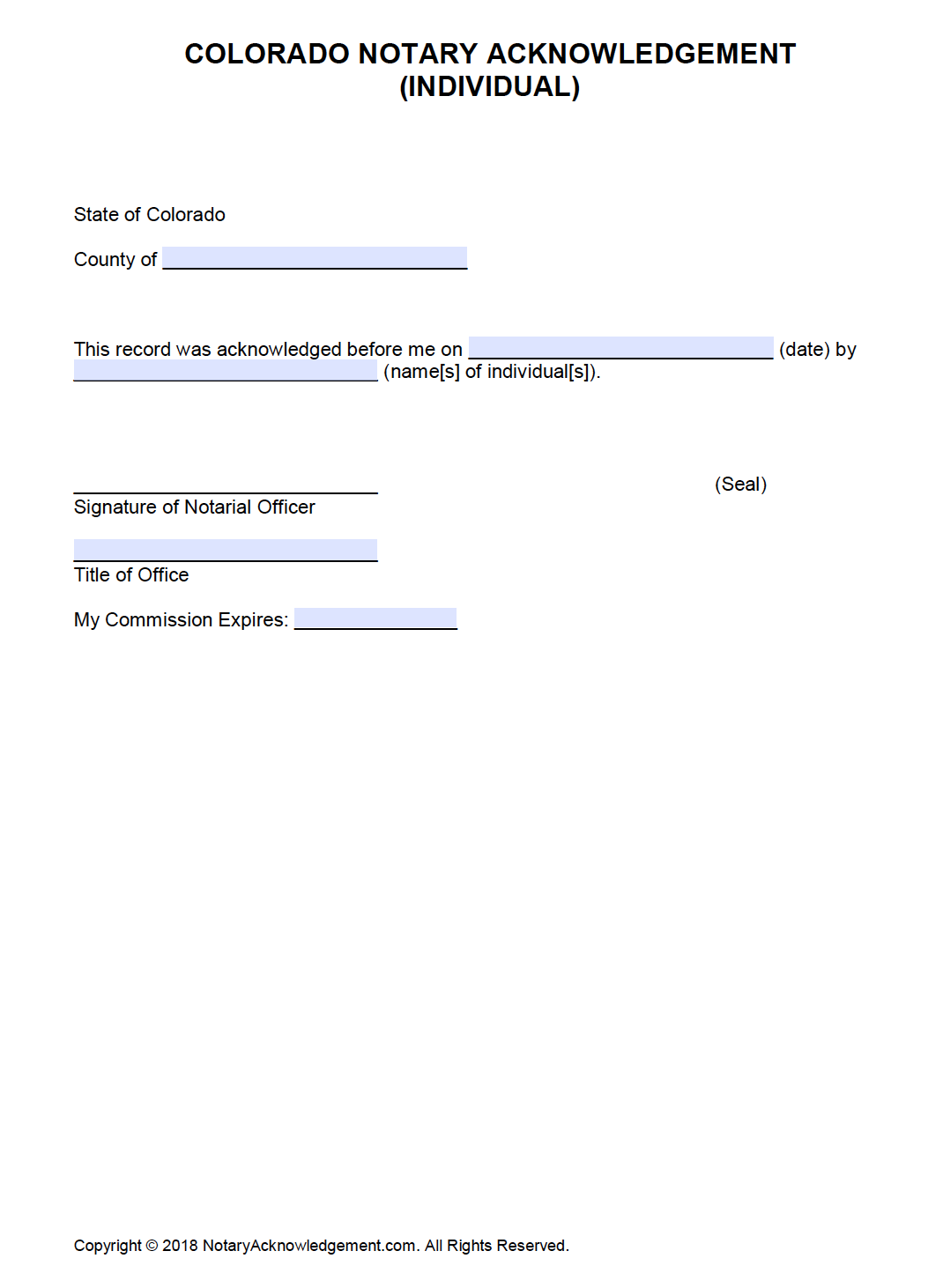
- Acknowledgements: Verify that a signer appeared before the notary and willingly signed the document.
- Jurats: Involve the signer taking an oath or affirmation regarding the truthfulness of the document’s contents and then signing it in the notary’s presence.
- Copy Certifications: Certify that a copy of an original document is a true and accurate reproduction.
- Oaths and Affirmations: Administering a solemn spoken pledge.
Furthermore, Colorado has embraced modern technology by allowing Electronic Notarization (eNotarization) and Remote Online Notarization (RON). These advancements permit notarial acts to be performed digitally, or entirely remotely via audio-visual technology, respectively. For those seeking a flexible, tech-savvy professional lifestyle, specializing in eNotarization or RON can significantly expand their service offerings and reach. It allows notaries to serve clients across the state or even globally (for RON), fitting perfectly with a modern, connected lifestyle.
Continuous Learning and Professional Growth
The legal landscape is dynamic, and Colorado notary laws can be updated. Therefore, continuous learning is not just recommended but essential for maintaining a high level of professionalism and compliance. Staying informed through the Colorado Secretary of State’s website, participating in notary associations, and engaging in advanced training (such as becoming a Certified Loan Signing Agent) can significantly enhance one’s skills and marketability. This commitment to ongoing education is a hallmark of a thriving professional lifestyle, ensuring competence and adaptability.
Marketing Your Notary Services
For notaries who choose to build a business around their commission, effective marketing is key. Strategies can include:
- Networking: Connecting with local businesses, real estate agents, legal firms, and financial institutions that frequently require notarial services.
- Online Presence: Creating a professional website or utilizing social media to advertise services, particularly for mobile or remote online notarization.
- Local Listings: Registering with online notary directories and local business listings.
- Specialization: Highlighting expertise in niche areas like loan signings, which command higher fees and cater to a specific market.
Embracing the entrepreneurial spirit within the notary lifestyle can lead to a rewarding and flexible career path.
Maintaining Your Notary Commission in Colorado
The responsibility of a notary extends beyond the initial commission. To ensure continued public trust and legal compliance, Colorado notaries must adhere to specific renewal procedures and maintain impeccable ethical standards.
Renewal Process
A Colorado notary commission is valid for four years. Before the expiration date, notaries must initiate the renewal process to avoid a lapse in their commission. This typically involves completing a new application, undergoing another background check, and potentially retaking the training course and exam, depending on state requirements at the time of renewal. Timely renewal is crucial to avoid any interruption in service and to maintain the continuity of one’s notary lifestyle. The Colorado Secretary of State’s office usually sends reminders, but it remains the notary’s responsibility to track their expiration date.

Adherence to Notary Best Practices and Ethics
Maintaining a notary commission requires unwavering adherence to ethical guidelines and best practices. Notaries must remain impartial, avoid conflicts of interest, and never provide legal advice or prepare documents. Understanding the limits of their authority and potential liabilities is paramount. Regularly reviewing the Colorado Notary Handbook and consulting the Colorado Secretary of State’s website for any updates ensures that a notary’s practice remains compliant and ethically sound. This commitment to integrity is not just a requirement; it’s a fundamental aspect of the professional and responsible lifestyle that defines a trustworthy notary public.
Becoming a Notary Public in Colorado is a journey that blends professional development with community service and personal growth. It offers a unique opportunity to build a flexible career, enhance professional credentials, and contribute meaningfully to the integrity of legal and business transactions. By understanding the requirements, diligently following the application process, and committing to ongoing learning and ethical practice, individuals can successfully embark on this rewarding path, enriching their lifestyle with new skills, responsibilities, and opportunities.
LifeOutOfTheBox is a participant in the Amazon Services LLC Associates Program, an affiliate advertising program designed to provide a means for sites to earn advertising fees by advertising and linking to Amazon.com. Amazon, the Amazon logo, AmazonSupply, and the AmazonSupply logo are trademarks of Amazon.com, Inc. or its affiliates. As an Amazon Associate we earn affiliate commissions from qualifying purchases.