
Florida, often dubbed the Sunshine State, is unique among U.S. states for its distinctive geographical position: it is bordered by both the Atlantic Ocean to the east and the Gulf of Mexico to the west. This peninsular characteristic means that Florida actually boasts both an East Coast and a West Coast, each offering a distinctly different array of travel experiences, natural landscapes, and cultural vibes. Understanding these fundamental differences is crucial for any traveler planning a trip to this diverse state, as the choice between coasts can significantly shape your vacation. From vibrant cityscapes and historic landmarks to serene beaches and wildlife encounters, Florida’s dual coastlines present a rich tapestry of options designed to cater to every taste and preference.

Florida’s Dual Identity: A Peninsular State
At its heart, Florida’s geography is defined by its status as a large peninsula, extending hundreds of miles south from the North American mainland into the waters of the Atlantic Ocean and the Gulf of Mexico. This shape dictates that the state possesses two primary coastlines, each with its own meteorological patterns, marine life, and, consequently, its own unique appeal for visitors. The dividing line isn’t a single highway or imaginary boundary but rather the central spine of the state, roughly following major arteries like Interstate 4 and U.S. Route 27 that bisect the state. Travelers often choose one coast or the other as their primary destination, though cross-state adventures are also incredibly popular, allowing for a comprehensive experience of Florida’s diverse offerings.
The Atlantic Coast Defined
Florida’s Atlantic Coast is characterized by its direct exposure to the powerful Atlantic Ocean. This coastline stretches from the historic city of Fernandina Beach in the north, past bustling metropolises like Jacksonville, Daytona Beach, Cape Canaveral, Palm Beach, Fort Lauderdale, and down to the vibrant energy of Miami. The ocean here tends to have more active waves, making it a hotspot for surfing and various water sports. The beaches often feature coarser sand and a more dynamic shoreline. Culturally, the Atlantic Coast is often seen as more cosmopolitan and fast-paced, with a strong influence from Caribbean and Latin American cultures, particularly in its southern reaches. It’s a corridor of commerce, innovation, and historical depth, offering a blend of urban sophistication and natural beauty.
The Gulf Coast Defined
On the western side, Florida meets the calmer, warmer waters of the Gulf of Mexico. This West Coast extends from the Florida Panhandle with its pristine white sands and emerald waters, through cities like Pensacola, Panama City Beach, Tampa, and St. Petersburg, down to the tranquil luxury of Naples and the unique ecosystem around Everglades National Park. The Gulf Coast is renowned for its sugar-fine, often quartz-derived, white sand beaches and spectacular sunsets. The waters are typically shallower and gentler, making them ideal for families with young children, swimming, paddleboarding, and shelling. The atmosphere on the Gulf Coast tends to be more relaxed and family-oriented, with a focus on natural beauty and outdoor recreation. Communities often exude a charming, laid-back vibe, attracting those seeking peace and natural splendor.
The Dynamic Atlantic Coast: Where the Sun Rises
Florida’s East Coast is a mosaic of experiences, blending historical gravitas with modern thrills. It’s a destination for those who appreciate vibrant city life, cultural exploration, and the raw power of the Atlantic Ocean.
Vibrant Cities and Historic Charm
Starting in the north, St. Augustine stands as the nation’s oldest continuously inhabited European settlement. Its cobblestone streets, colonial architecture, and historic landmarks like the Castillo de San Marcos transport visitors back in time. Further south, Jacksonville offers a metropolitan experience with a thriving arts scene and extensive park system. The Space Coast, centered around Cocoa Beach and Cape Canaveral, is home to the Kennedy Space Center Visitor Complex, where travelers can witness rocket launches and explore space exploration history. The glamour of Palm Beach offers luxury shopping and opulent estates, while Fort Lauderdale, known as the “Venice of America,” boasts extensive canal systems and a bustling waterfront. Finally, Miami electrifies with its Art Deco architecture, vibrant nightlife, world-class dining, and diverse cultural districts like Little Havana.
Surfing, Spectacles, and Seashore Adventures
The Atlantic waves make this coast a haven for surfers, with Cocoa Beach being particularly famous. Beyond surfing, the beaches are popular for sunbathing, swimming, and various water sports. Fishing is a prominent activity, with numerous piers and charter options available. Ecotourism thrives in areas like the Merritt Island National Wildlife Refuge, offering opportunities for bird watching and wildlife encounters. The barrier islands and coastal parks provide stunning natural backdrops for hiking and cycling, ensuring that the East Coast appeals to both adventure seekers and those looking for a relaxing beach day with a dynamic backdrop.
The Serene Gulf Coast: Sunsets and Tranquility
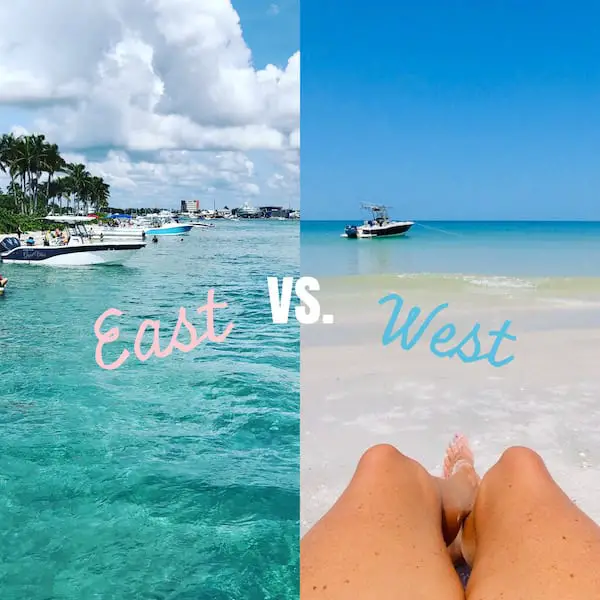
In contrast, Florida’s West Coast offers a more laid-back pace, defined by its tranquil waters, powdery white sand beaches, and breathtaking sunsets over the Gulf of Mexico. This side of the state is a paradise for those seeking relaxation, natural beauty, and a family-friendly atmosphere.
Pristine Beaches and Relaxed Vibes
The Gulf Coast is synonymous with some of the world’s most beautiful beaches. Clearwater Beach consistently ranks among the best, celebrated for its soft sand and calm, shallow waters, perfect for families. Further south, Siesta Key near Sarasota boasts quartz sand so fine it feels like powder. Sanibel Island and Captiva Island are world-renowned for their exceptional shelling opportunities, where visitors can find an abundance of unique shells washed ashore. The city of Naples combines upscale sophistication with pristine beaches and a vibrant arts scene, while Fort Myers serves as a gateway to barrier islands and offers a rich historical backdrop. The calmer waters are ideal for paddleboarding, kayaking, and swimming, making it a haven for water enthusiasts of all ages.
Cultural Hubs and Natural Escapes
Cities like Tampa and St. Petersburg provide cultural depth to the Gulf Coast. Tampa offers attractions like Busch Gardens, a blend of amusement park and zoo, and the historic Ybor City district. St. Petersburg is home to world-class museums, including the Dalí Museum, and a vibrant downtown waterfront. Nature lovers will find solace in the abundance of wildlife refuges and state parks along the coast. Boating and fishing are incredibly popular, with abundant marine life including dolphins, manatees, and various fish species. The Gulf Coast offers a slower pace of life, inviting visitors to unwind and reconnect with nature.
The Unique Charm of South Florida and the Florida Keys
While the mainland is clearly divided into East and West Coasts, the southernmost tip of Florida and the iconic Florida Keys offer a distinctive coastal experience that transcends a simple binary classification. This region is where the Gulf of Mexico meets the Atlantic Ocean at Straits of Florida, creating a unique environment.
Bridging the Coasts: Everglades and The Keys
Everglades National Park, spanning a significant portion of South Florida, is a vast wetland ecosystem that connects to both coastlines, particularly influencing the fresh and saltwater environments of the lower Gulf Coast and the southern Atlantic Coast. It’s a critical area for biodiversity and a must-visit for eco-tourism, offering airboat rides and opportunities to spot alligators, crocodiles, and various bird species. Further south, the Florida Keys are a string of tropical islands connected by the Overseas Highway. Each key, from Key Largo to Key West, boasts a laid-back, Caribbean atmosphere. Known for world-class fishing, diving, and snorkeling around the only living coral barrier reef in the continental U.S., the Keys offer a truly unique aquatic adventure. While Key West technically faces the Gulf on its western side and the Atlantic to its south, its identity is distinct from either mainland coast, presenting an unparalleled blend of vibrant nightlife, historical sites like the Ernest Hemingway Home and Museum, and stunning natural beauty.
Tailoring Your Florida Adventure: East vs. West (and Beyond)
Ultimately, Florida is neither exclusively an East Coast nor a West Coast state; it is both, offering a remarkable diversity that caters to nearly every type of traveler. The choice between the two, or the decision to explore elements of both, hinges on your personal preferences and what you hope to experience.
Atlantic Coast vs. Gulf Coast: Key Differences
- Vibe: The Atlantic Coast leans towards energetic, cosmopolitan, and fast-paced, with a strong emphasis on culture, history, and vibrant nightlife, particularly in the southern regions. The Gulf Coast is generally more relaxed, family-friendly, and focused on natural beauty, tranquility, and outdoor activities like shelling and gentle swimming.
- Water: Atlantic Ocean waters tend to be choppier with stronger currents, making them ideal for surfing and dynamic water sports. The Gulf of Mexico offers calmer, shallower, and warmer waters, perfect for casual swimming, paddleboarding, and young children.
- Beaches: East Coast beaches often feature coarser, darker sand and a more sloped shoreline. West Coast beaches are famous for their incredibly fine, sugar-white sand and gentle slopes, creating expansive, inviting stretches.
- Sunsets/Sunrises: As expected, the East Coast provides spectacular sunrises over the Atlantic, while the West Coast offers breathtaking sunsets over the Gulf.

Combining the Best of Both Worlds
For those with more time, a cross-state trip is highly recommended. It’s entirely feasible to experience the thrill of an Atlantic sunrise and the serenity of a Gulf sunset within a single day. Many travelers base themselves in central Florida, near Orlando’s theme parks, and take day trips to both coasts. This allows for a comprehensive understanding of Florida’s diverse offerings, blending the cultural richness and historical depth of the east with the natural beauty and tranquil charm of the west, perhaps even extending the adventure to the unique island chain of the Florida Keys for a truly unforgettable vacation. Florida’s dual coastlines are not just geographical features; they are invitations to explore two distinct facets of this enchanting state, each promising its own set of memories and adventures.
LifeOutOfTheBox is a participant in the Amazon Services LLC Associates Program, an affiliate advertising program designed to provide a means for sites to earn advertising fees by advertising and linking to Amazon.com. Amazon, the Amazon logo, AmazonSupply, and the AmazonSupply logo are trademarks of Amazon.com, Inc. or its affiliates. As an Amazon Associate we earn affiliate commissions from qualifying purchases.