
The question “Is Florida vanishing?” prompts a deep dive into the evolving landscape of one of the world’s most iconic travel destinations. Far from literally disappearing, the Sunshine State is undergoing a profound transformation, influenced by environmental pressures, rapid development, and changing visitor expectations. For travelers, understanding these shifts is crucial to appreciating Florida’s enduring allure and its emerging challenges. This isn’t a story of loss, but rather one of dynamic change, urging visitors to experience its unique character before certain aspects evolve further.
The Evolving Landscape: More Than Just Beaches
Florida has long been synonymous with sun-drenched beaches, theme park thrills, and vibrant nightlife. Yet, beneath this familiar veneer, a complex narrative of ecological sensitivity and relentless development is reshaping the traveler’s experience. The state’s natural beauty, particularly its delicate ecosystems, faces considerable pressure, which in turn influences the accessibility and nature of its celebrated attractions.
Environmental Imperatives and Iconic Destinations
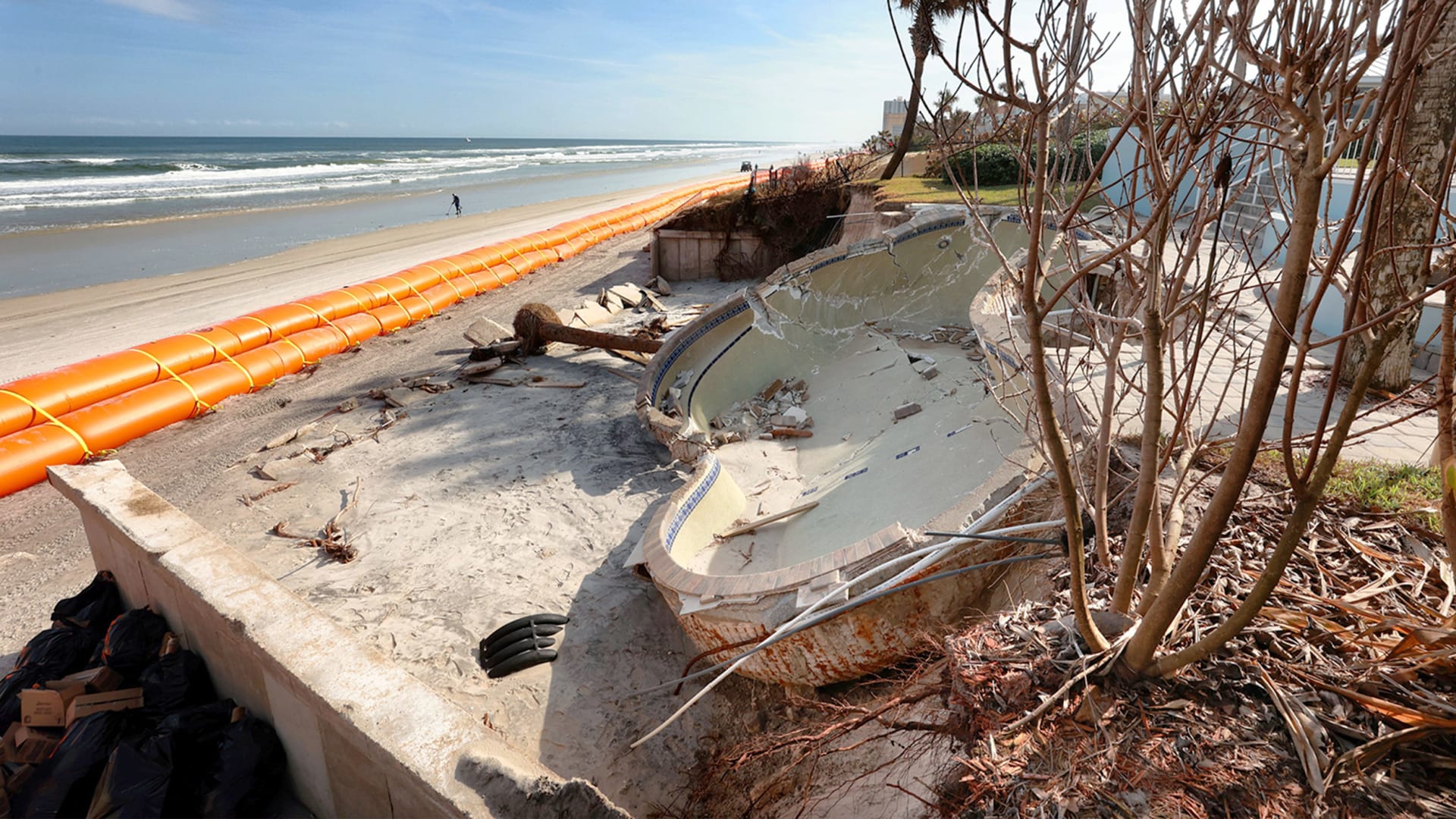
The state’s geography, defined by its low elevation and extensive coastline, makes it uniquely vulnerable to the impacts of climate change. Rising sea levels, for instance, pose a tangible threat to coastal communities and the pristine beaches that draw millions to places like South Beach in Miami or the serene shores of the Florida Keys. This vulnerability isn’t just about future projections; it’s already affecting infrastructure and natural habitats. Travelers seeking the untouched beauty of Florida now often find themselves confronting these realities, prompting a more conscious approach to exploration.
Beyond the coast, the Everglades, a UNESCO World Heritage Site and an unparalleled wetland ecosystem, battles against saltwater intrusion and habitat loss. This natural wonder, home to alligators, panthers, and an array of bird species, offers unparalleled airboat tours and wildlife viewing, yet its long-term health is a constant concern. For visitors, an experience in the Everglades is not just an adventure but an encounter with a precious, fragile environment. Similarly, the unique underwater ecosystems, such as the coral reefs off the Florida Keys and within Biscayne National Park, are also susceptible to environmental shifts, making dive and snorkel excursions poignant experiences of beauty under threat. Travel to these destinations becomes an opportunity for education and appreciation, highlighting the critical importance of conservation.
The Pace of Development
Florida’s population boom has driven extensive development, transforming vast tracts of natural land into urban centers and suburban sprawl. Cities like Orlando, synonymous with attractions like Walt Disney World, continue to expand, pushing the boundaries of what was once wild. This rapid urbanization, while bringing new infrastructure and amenities, also means that authentic, undeveloped natural spaces are becoming increasingly rare and precious. For travelers, this translates into a need to seek out and cherish the remaining pockets of wilderness and historical charm. The vibrant arts scene and historic districts of cities like St. Augustine or the laid-back charm of the Panhandle‘s coastal towns offer glimpses into a Florida that pre-dates much of the modern development, yet even these areas grapple with preserving their identity amidst growth. The balance between catering to tourism demands and safeguarding the state’s character is an ongoing challenge for its destinations.
Unpacking the “Vanishing” Myth: Resilience and Reinvention
The idea of Florida “vanishing” is perhaps less about disappearance and more about dynamic evolution. The state is exceptionally resilient, constantly reinventing itself to maintain its appeal while addressing its challenges. This reinvention is evident in its adaptive tourism strategies, the emergence of new travel trends, and its ongoing commitment to sustainability.

Adapting Attractions and Experiences
Florida‘s major attractions, like those in Orlando, are masters of reinvention, continually upgrading and expanding to keep pace with global entertainment trends. However, the adaptation extends beyond theme parks. Coastal communities are investing in resilience projects, from dune restoration to elevating infrastructure, ensuring that beaches and waterfront experiences remain viable. Historic districts in places like Key West and St. Augustine are developing innovative ways to preserve their heritage while engaging modern tourists, often incorporating digital experiences or new cultural festivals. This adaptability means that while the specific nature of an experience might change, the core appeal of Florida as a diverse destination persists. Travelers might find a revamped boardwalk, a new eco-tour, or a museum with an updated interactive exhibit, all reflecting the state’s commitment to staying relevant and engaging.
Emerging Travel Trends
As concerns for sustainability and authentic experiences grow among travelers, Florida is seeing a surge in demand for eco-tourism and cultural immersion. Beyond the bustling crowds of Miami or Walt Disney World, visitors are increasingly seeking out opportunities to connect with the state’s natural beauty and diverse heritage. Kayaking through mangrove tunnels, birdwatching in pristine preserves, or exploring the unique culinary traditions of the Gulf Coast are gaining popularity.
The emphasis is shifting from passive observation to active participation and appreciation for the local environment and culture. Agritourism, too, is on the rise, allowing visitors to experience Florida’s agricultural roots, from citrus groves to cattle ranches, particularly in the state’s interior. This diversification of travel experiences demonstrates that Florida isn’t losing its appeal but rather broadening its horizons, offering richer, more meaningful connections for the discerning traveler.
Experiencing Florida Now: A Call to Action for Travelers
The question “Is Florida vanishing?” ultimately serves as a powerful call to action for travelers. It urges them to engage with the destination thoughtfully, appreciate its current splendor, and contribute to its sustainable future. Experiencing Florida now is about more than just a vacation; it’s about witnessing a vibrant, changing landscape and participating in its story.
Sustaining Unique Encounters
To truly experience Florida in its current form is to seek out its unique ecological treasures and cultural gems. Visit the unspoiled beaches of the Space Coast for a rocket launch view, kayak among manatees in crystal-clear springs, or explore the remote beauty of Dry Tortugas National Park. These experiences offer a profound connection to the state’s natural heritage. Engaging with local businesses, from family-run restaurants serving fresh Atlantic Coast seafood to artisan shops in historic towns, also contributes to preserving Florida’s distinct character. Travelers who prioritize these authentic encounters help ensure that the unique aspects of Florida continue to thrive amidst the broader changes.

Engaging with Florida’s Future
Responsible travel is key to ensuring Florida’s continued vibrancy. This means choosing eco-certified tours, supporting conservation efforts, minimizing environmental impact, and respecting local communities and their heritage. Travelers can make a difference by educating themselves about the issues facing the state and by opting for sustainable accommodations and activities.
Instead of seeing Florida as a destination that is “vanishing,” consider it a dynamic landscape in constant evolution. Its challenges are real, but so is its resilience and its commitment to offering unforgettable experiences. From the bustling streets of Tampa to the serene shores of the Panhandle, Florida remains an unparalleled destination for those willing to look beyond the surface and engage with its multifaceted story. The time to explore Florida is now, not out of a fear of loss, but out of an appreciation for its present beauty and its inspiring journey of adaptation.
LifeOutOfTheBox is a participant in the Amazon Services LLC Associates Program, an affiliate advertising program designed to provide a means for sites to earn advertising fees by advertising and linking to Amazon.com. Amazon, the Amazon logo, AmazonSupply, and the AmazonSupply logo are trademarks of Amazon.com, Inc. or its affiliates. As an Amazon Associate we earn affiliate commissions from qualifying purchases.