
The Sunshine State, a vibrant tapestry of diverse landscapes, bustling cities, and a magnetic pull for tourists from across the globe, holds a significant position in the American political landscape. As a populous state, its stance on the Electoral College, the unique mechanism by which the United States elects its president, is a matter of considerable interest. This article delves into the complex relationship between Florida and the Electoral College, exploring the arguments for and against its continuation, and how the state’s unique demographic and political dynamics influence this ongoing debate.
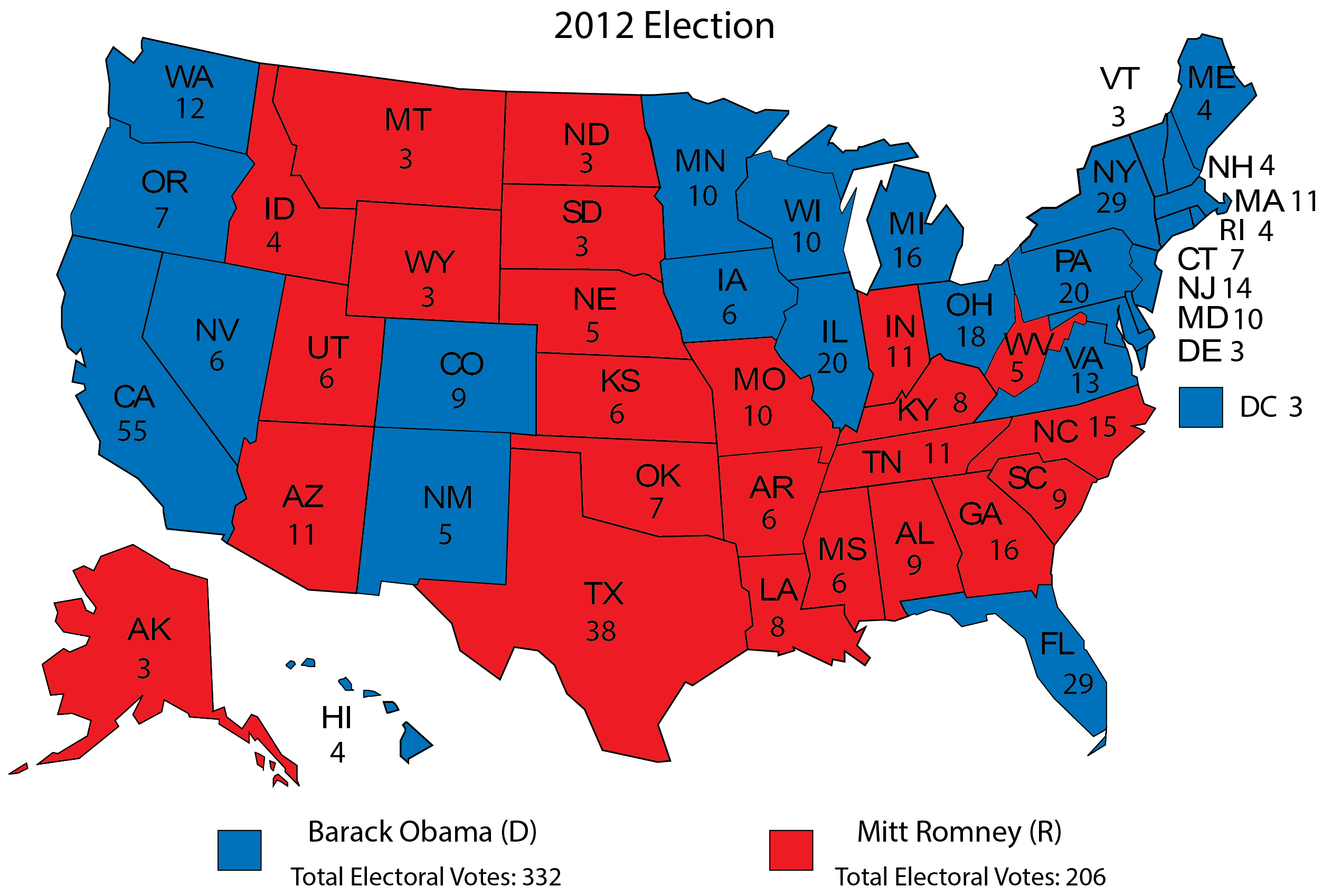
The Electoral College, established by the Founding Fathers, remains one of the most debated aspects of the United States presidential election system. It’s a system that, at times, has resulted in a candidate winning the presidency without winning the popular vote, sparking passionate discussions about fairness and representation. For a state like Florida, with its substantial electoral votes and its history of being a pivotal swing state, understanding its position on this matter is crucial to grasping its role in national politics.
The Electoral College: A Historical and Functional Overview
To understand Florida’s perspective, it’s essential to first grasp the fundamental principles of the Electoral College. When citizens vote in a presidential election, they are technically not voting directly for a candidate. Instead, they are voting for a slate of electors who are pledged to a particular candidate. Each state is allocated a number of electors equal to the sum of its senators (always two) and its representatives in the House of Representatives, which is based on the state’s population as determined by the decennial census.
This system means that the number of electoral votes a state possesses is directly tied to its population size. Therefore, states with larger populations, like California, Texas, and indeed Florida, wield more influence in the Electoral College than smaller states like Wyoming or Vermont. This disparity in influence is one of the core tenets of the debate surrounding the system.
Arguments for the Electoral College
Proponents of the Electoral College often cite several key reasons for its continued existence. One of the most frequently raised arguments is that it protects the interests of less populated states, preventing a situation where presidential candidates would only focus their campaigns on a few densely populated urban centers. By requiring candidates to build broad coalitions across different states and regions, the Electoral College, in theory, encourages a more national campaign strategy.
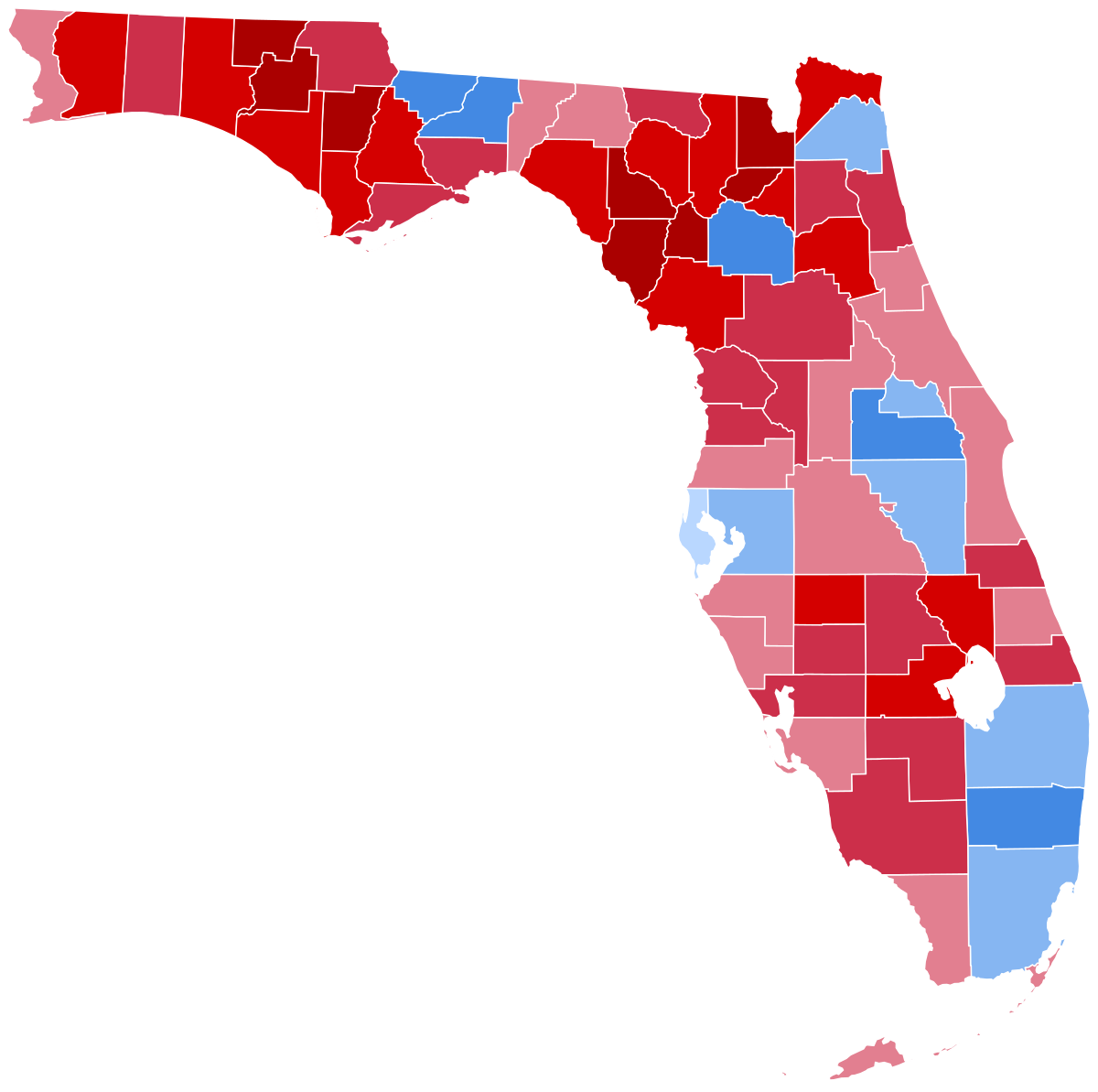
Furthermore, supporters argue that the Electoral College promotes stability and prevents the kind of nationwide recounts that could arise if the popular vote were the sole determinant of the presidency. In a country as geographically and culturally diverse as the United States, the system ensures that a candidate must have widespread support rather than just concentrated support in a few areas. This can be particularly relevant for states like Florida, which encompasses a wide range of political ideologies and demographics across its distinct regions, from the metropolitan areas of Miami and Orlando to the more rural communities in the Panhandle.
Another argument in favor is that it reflects the federal nature of the United States. The nation is a union of states, and the Electoral College, by giving weight to states as entities, is seen as a way to preserve this federal structure. It ensures that a candidate needs to win a certain number of states, not just individual votes.
Arguments Against the Electoral College
Conversely, critics of the Electoral College raise substantial points that resonate deeply with many Americans, particularly in large, diverse states like Florida. The most prominent criticism is that the system can lead to the election of a president who did not win the national popular vote. This has occurred several times in United States history, most recently in 2000 and 2016, leading to questions about the legitimacy of the outcome and undermining the democratic principle of majority rule.
For a state with a large population like Florida, which has millions of individual voters, the idea that their collective vote might be overridden by the Electoral College outcome in other states can feel disempowering. The “faithless elector” phenomenon, where an elector votes against their state’s popular vote winner, though rare, also adds another layer of concern about the direct will of the people being thwarted.
Another significant argument against the Electoral College is that it can depress voter turnout in states that are considered safely Republican or Democratic. If voters in a non-swing state feel their vote has little impact on the national outcome, they may be less inclined to participate. This is particularly relevant for states like Florida, which has historically been a swing state, meaning that candidates from both major parties often focus significant resources and attention on it, leading to intense campaigns and high voter engagement. However, if a state were to consistently lean heavily towards one party, the focus might diminish, potentially impacting civic participation.
The complexity of the system also leads to confusion and can make it difficult for citizens to understand how their vote truly matters. This lack of transparency, coupled with the potential for outcomes that don’t align with the national popular vote, fuels the desire for reform or outright abolition.
Florida’s Electoral College Dynamics
Florida’s position in the Electoral College debate is multifaceted, shaped by its unique demographics, its historical voting patterns, and its significant number of electoral votes (currently 30, making it the third-largest bloc after California and Texas). The state’s reputation as a crucial swing state means that presidential campaigns pour immense resources into its electoral contests, making its outcome often decisive.
The Swing State Factor
For decades, Florida has been a bellwether for national elections. Its diverse population, encompassing a wide array of ethnicities, age groups, economic backgrounds, and political ideologies, makes it a microcosm of the United States itself. This diversity means that candidates must appeal to a broad spectrum of voters, making the state highly competitive and fiercely debated.

The intense focus on Florida in presidential elections can be attributed directly to its substantial electoral vote count. A candidate who can win Florida gains a significant advantage in the Electoral College, often making it a must-win state. This makes Florida voters acutely aware of their potential impact on the national election, and for many, this feels like a direct consequence of the Electoral College system.
However, this heightened importance also means that Florida has been the site of some of the most contentious and controversial election results in modern history, most notably the 2000 presidential election. The prolonged legal battles and the eventual Supreme Court decision to halt the recount in Florida profoundly impacted the national conversation about the Electoral College and the integrity of the election process. This event, more than perhaps any other, highlighted the power and the potential pitfalls of the Electoral College in a single, pivotal state.
Shifting Demographics and Political Leanings
Florida’s political landscape is constantly evolving, influenced by migration patterns and demographic shifts. The influx of new residents from across the United States and from other countries brings with it diverse political viewpoints. Traditionally, Florida has been seen as a purple state, meaning it leans neither staunchly Republican nor Democratic, making it a prime target for both parties.
In recent years, Florida has shown an increasing tendency to lean Republican in presidential elections. This shift has led some to question whether the state’s future role as a swing state is diminishing, which could, in turn, influence its stance on the Electoral College. If Florida were to become a reliably Republican state, the arguments for or against the Electoral College might be viewed through a different lens by its voters and political leaders.
Conversely, a strong Democratic contingent, particularly in urban centers like Miami-Dade County and Broward County, continues to exert significant influence. The state’s large Hispanic population, with its diverse national origins and political leanings, plays a crucial role in determining election outcomes. Similarly, the growing retiree population and the significant influence of younger voters add further complexity to the state’s political calculus.
Legislative and Public Opinion
The official stance of Florida on the Electoral College is not monolithic. While the state’s Republican-controlled legislature has generally shown support for the existing system, reflecting the party’s national platform, public opinion within the state is more divided.
Numerous polls and surveys conducted over the years have indicated that a significant portion of Florida residents, particularly Democrats and independents, favor moving to a national popular vote system. They point to the instances where the popular vote winner did not win the presidency and the perceived inequity of the Electoral College.
On the other hand, many Republicans in Florida express support for the Electoral College, echoing the arguments about protecting smaller states and maintaining the federal structure of the nation. Some may also see it as a system that has historically benefited their party.
There have been legislative efforts and proposals within Florida to join the National Popular Vote Interstate Compact, an agreement among states to award their electoral votes to the candidate who wins the national popular vote. However, these efforts have not gained sufficient traction to pass into law, largely due to opposition from Republican lawmakers who control the legislature. This legislative inertia suggests that, at least for now, Florida is unlikely to officially alter its approach to presidential elections independently.
Tourism and the Electoral College: An Unlikely Connection?
While the debate over the Electoral College is primarily a political one, its implications can indirectly touch upon the vibrant tourism industry that is central to Florida’s economy. The state’s appeal as a tourist destination, from the theme parks of Orlando to the beaches of Miami and the natural beauty of the Everglades National Park, draws millions of visitors annually.
Could political instability or controversy surrounding presidential elections, potentially amplified by the Electoral College, affect tourism? In theory, a highly contested or disputed election outcome could create an atmosphere of uncertainty or unrest, which might deter some potential travelers. However, Florida has a long history of handling large crowds and managing complex events, from political rallies to major sporting events like the Super Bowl. The resilience of its tourism sector, which has weathered economic downturns and natural disasters, suggests it is unlikely to be significantly derailed by the intricacies of the Electoral College.
The focus of tourists in Florida is typically on experiences: relaxing on the beaches of Clearwater, exploring the art deco architecture of Miami Beach, visiting the historic sites of St. Augustine, or enjoying the world-renowned theme parks like Walt Disney World Resort and Universal Orlando Resort. Political debates, while important to the state’s residents, generally do not factor into a tourist’s decision-making process for booking a vacation.
However, a prolonged period of extreme political division or significant unrest following an election could, in a worst-case scenario, create a negative perception that might indirectly impact tourism. But given the state’s robust tourism infrastructure and the inherent appeal of its attractions, such an impact would likely be temporary and localized. The primary drivers of tourism in Florida remain its sunny climate, diverse attractions, and abundant recreational opportunities, irrespective of the political system used to elect its leaders.
Conclusion: Florida’s Enduring Electoral College Quandary
Florida’s relationship with the Electoral College is a complex and evolving one. As a state with a significant electoral vote count and a history of being a pivotal swing state, its political dynamics are closely watched during every presidential election. The arguments for and against the Electoral College resonate differently within the state, influenced by its diverse population, shifting political leanings, and the enduring legacy of controversial elections.
While a majority of Florida residents may favor reforms or the adoption of a national popular vote, the state legislature has shown little inclination to move away from the current system. This divergence highlights the challenges inherent in amending such a fundamental aspect of the United States political structure, especially in a state with such a closely divided electorate.
Ultimately, whether Florida is truly “in favor” of the Electoral College is a question with no simple yes or no answer. It is a state where the system’s effects are keenly felt, where its outcomes can be decisive, and where the debate over its fairness and efficacy continues to be a prominent, if often unresolved, issue. As the political landscape of Florida continues to shift, so too might its collective stance on this enduring feature of American democracy. The Sunshine State, with its unique blend of political fervor and tourist allure, remains a crucial player in the ongoing national conversation about how America chooses its president.