
The Golden State, California, renowned for its vibrant culture, innovative industries, and diverse landscapes, is also a complex environment for businesses navigating its intricate tax regulations. For anyone involved in the movement of goods, from small e-commerce entrepreneurs to large logistics providers, a critical question often arises: Is freight taxable in California? This seemingly straightforward query opens up a nuanced discussion that significantly impacts operational costs, pricing strategies, and ultimately, the financial lifestyle of businesses operating within, to, or from California. Understanding these regulations isn’t just about compliance; it’s about making informed decisions that contribute to sustainable business practices and a thriving economic ecosystem.

At its core, the taxability of freight charges in California primarily revolves around the state’s sales and use tax laws, administered by the California Department of Tax and Fee Administration (CDTFA). Unlike some other states where freight is almost universally exempt or taxable, California’s rules are conditional, depending on how the freight is billed, its relationship to the sale of tangible personal property, and the specific terms of delivery. For many, navigating these rules can feel like deciphering an ancient scroll, yet mastering them is essential for maintaining financial health and avoiding costly penalties. This article delves into the specifics of California’s freight tax laws, offering insights into their application and providing a strategic guide for businesses and consumers alike.
Understanding California’s Sales and Use Tax Landscape
Before diving into the specifics of freight, it’s crucial to grasp the fundamental principles of California’s sales and use tax. These taxes are levied on the retail sale of tangible personal property in California. Sales tax applies when the seller is engaged in business in California and makes a taxable sale. Use tax, on the other hand, is imposed on consumers who purchase tangible personal property outside California for use within the state, when sales tax was not paid at the time of purchase. Both taxes are essentially two sides of the same coin, designed to ensure that goods consumed in California contribute to the state’s revenue.
The core idea is that the final consumer bears the burden of the tax. Businesses act as intermediaries, collecting the sales tax from their customers and remitting it to the state. The complex interplay between services and tangible goods is where freight often enters a grey area. Is freight a service, or is it inextricably linked to the sale of the product itself? California takes a nuanced approach, recognizing that the transportation of goods, while a service, can sometimes be considered part of the taxable sales price.
The Basics of Sales Tax Application
In California, sales tax is generally imposed on the gross receipts from the sale of tangible personal property sold at retail. “Gross receipts” includes not just the price of the item itself but also any services that are part of the sale. This is where freight comes into play. If the delivery of the goods is considered an integral part of the sale, then the charge for that delivery might also be taxable. The CDTFA’s regulations (specifically Regulation 1700, “Reimbursement for Sales Tax”) provide guidance on what constitutes a “sale” and how various charges should be treated.
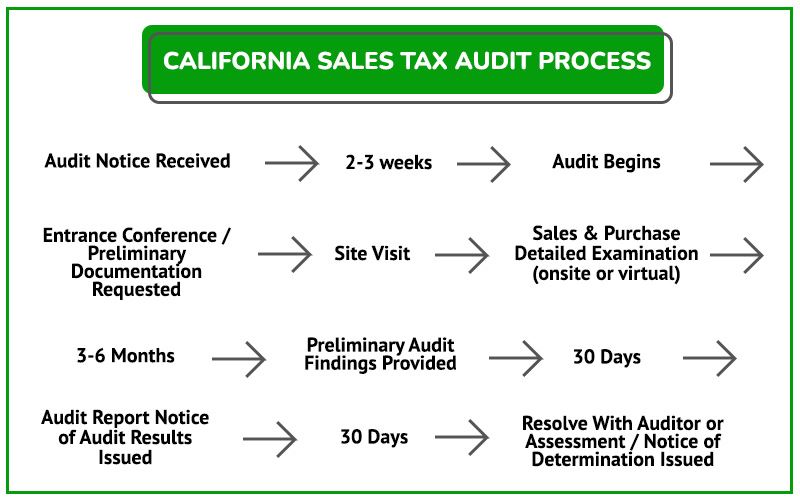
For businesses, a clear understanding of what constitutes a “taxable sale” is paramount. This includes identifying not only the products that are subject to tax but also any associated costs, like handling, packaging, and critically, freight. Misinterpreting these rules can lead to under-collection of tax, resulting in liabilities during an audit, or over-collection, which can harm customer relationships and competitive positioning. For a business owner, these details directly impact their operational “lifestyle”—the ease with which they can conduct transactions, manage finances, and confidently grow their enterprise.
Distinguishing Between Taxable and Non-Taxable Transactions
The distinction between taxable and non-taxable transactions is the cornerstone of sales tax compliance. While most tangible personal property is taxable, certain items (like food products for home consumption) and certain types of sales (like sales for resale) are exempt. When it comes to freight, the key is often whether the transportation charge is considered “part of the sale” of the tangible goods or a separate, distinct service. This distinction relies heavily on the contractual agreement between the seller and the buyer and how the freight charge is presented. This granularity means that businesses must carefully document their sales terms and invoicing practices to ensure proper tax treatment. For a company focused on providing unique travel experiences or curating lifestyle products, incorrectly applying these taxes can erode margins and distract from their core mission.
Freight Charges: The Fine Print
The core of the issue lies in how freight charges are handled by the CDTFA. The general rule in California is that transportation charges are not subject to sales tax if they are separately stated and occur after the sale of the property has taken place. However, this rule comes with significant caveats that often trip up businesses.
When Freight Becomes Taxable
Freight charges typically become taxable under two primary conditions:
-
“FOB Origin” vs. “FOB Destination”: This common shipping term dictates when title and risk of loss pass from the seller to the buyer.
- FOB Origin (or Shipping Point): This means the buyer assumes ownership and risk as soon as the goods leave the seller’s dock. In this scenario, if the seller arranges and charges for transportation, they are essentially providing a service to the buyer after the sale of the goods is complete. If separately stated on the invoice, these freight charges are generally not taxable.
- FOB Destination: Here, the seller retains ownership and risk until the goods reach the buyer’s location. The transportation is considered part of the seller’s cost of making the sale, ensuring the goods arrive at the destination. Therefore, if the seller charges the buyer for freight under “FOB Destination” terms, those freight charges are considered part of the “gross receipts” from the sale of the tangible property and are generally taxable.
-
Bundled or Non-Separately Stated Charges: If the freight charge is not separately stated on the invoice or is combined with the selling price of the goods (e.g., “price includes shipping”), then the entire amount is subject to sales tax. The CDTFA assumes that if the charge isn’t distinct, it’s an inseparable part of the taxable sale.
This distinction highlights the importance of clear invoicing and well-defined shipping terms. For businesses aiming to provide an exceptional customer experience, perhaps by offering inclusive pricing or streamlined billing, these tax rules demand careful consideration. It’s a delicate balance between simplicity for the customer and compliance for the business.
Separating Charges vs. Bundled Services
The act of “separately stating” a freight charge is more than just listing it as a line item on an invoice. It implies that the buyer has the option to either arrange their own transportation or choose to have the seller arrange it for an additional fee. If the buyer has no choice but to pay the freight charge to receive the goods from the seller, then even if separately stated, it might still be considered taxable, especially under FOB Destination terms.
Businesses often bundle shipping and handling fees. While a separately stated shipping charge might be exempt under specific conditions, handling charges (e.g., for packing, crating, preparing for shipment) are generally considered part of the taxable selling price of the goods, regardless of whether they are separately stated. The rationale is that handling is part of preparing the goods for sale, whereas transportation is the act of moving them after they are ready for sale. This distinction requires meticulous accounting and billing practices, influencing the day-to-day operational lifestyle of a business owner.
Common Scenarios and Exemptions
Let’s consider a few common scenarios:
- Seller Ships, FOB Origin, Charges Separately: Generally non-taxable. The buyer takes title at the seller’s location, and the seller is charging for a post-sale service.
- Seller Ships, FOB Destination, Charges Separately: Generally taxable. The seller retains title until delivery, making transportation part of the sale.
- Seller Ships, Freight Included in Price: Always taxable. The entire bundled amount is subject to tax.
- Buyer Arranges and Pays for Shipping Directly: Never taxable for the seller. The seller doesn’t charge for freight, and the buyer is paying a third-party transportation service.
It’s also worth noting that specific exemptions can apply, such as certain common carrier exemptions, but these are typically for the carriers themselves, not necessarily the sellers of tangible goods. The complexities can be daunting, but neglecting them can lead to significant financial repercussions for businesses whose operational “lifestyle” depends on accurate financial management.
Navigating Interstate vs. Intrastate Shipments
The discussion of freight tax in California also requires differentiation between shipments that occur entirely within California (intrastate) and those that cross state lines (interstate). While the principles outlined above generally apply, the jurisdiction and application of sales and use tax laws can vary.
The Role of Origin and Destination
For sales tax purposes, the “origin” and “destination” are critical. [California](https://lifeoutofthebox.com/california] is an origin-based state for sales tax on intrastate sales, meaning the sales tax rate applied is generally based on the location of the seller. However, when goods are shipped into California from another state, use tax rules apply, and the tax is generally calculated based on the destination within California.
When it comes to freight, interstate shipments often fall under broader federal commerce clauses, and states generally cannot impose sales tax on the cost of freight for goods delivered to a buyer outside their state. Conversely, for goods shipped into [California](https://lifeoutofthebox.com/california], the taxability of freight charges to the buyer in California will follow California’s rules, regardless of where the seller is located, provided the seller has a sales tax nexus in California. This means that out-of-state businesses selling to customers in California must also understand these nuances if they meet the nexus thresholds.
Impact on Businesses Operating Across State Lines
For businesses with a national presence or those frequently shipping goods in and out of California, managing the taxability of freight becomes a complex compliance challenge. An e-commerce business selling lifestyle products across the country, for example, might have different freight tax obligations for a customer in Los Angeles compared to one in New York, even if the shipping terms are identical. They must not only understand [California](https://lifeoutofthebox.com/california]’s specific rules but also how they interact with the tax laws of other states. This adds layers of administrative complexity that can significantly impact a business’s operational “lifestyle,” requiring robust accounting systems and potentially expert tax advice. Missteps can result in audits, penalties, and a severe disruption to business continuity.
Strategic Implications for California Businesses and Consumers
The taxability of freight is more than just a regulatory hurdle; it has profound strategic implications for businesses and direct financial consequences for consumers in California.
The Bottom Line for Business Owners
For business owners, accurate freight tax management directly impacts profitability and competitiveness. Incorrectly applying sales tax to freight can lead to:
- Under-collection: This results in a tax liability during an audit, with potential penalties and interest, severely impacting cash flow and financial stability.
- Over-collection: This can make products appear more expensive than competitors’ offerings, driving customers away and eroding market share. It can also lead to customer dissatisfaction if they realize they’ve been overcharged.
- Administrative Burden: The need to meticulously track shipping terms, invoicing methods, and individual state rules for freight adds significant administrative overhead, especially for businesses with high shipping volumes. This directly affects the quality of life and “lifestyle” of business owners who must spend time on compliance rather than growth.
Strategic considerations include:
- Pricing Strategy: Should businesses absorb some freight costs, pass them entirely, or offer free shipping with an increased product price? The tax implications of each choice are vital.
- Shipping Terms: Clearly defining “FOB Origin” or “FOB Destination” in contracts and sales agreements can directly influence taxability.
- Invoicing Practices: Ensuring freight charges are always separately stated (when aiming for non-taxable status) and distinguished from handling fees is crucial.
- Technology Solutions: Utilizing sales tax automation software that can handle complex multi-state and multi-jurisdictional freight tax rules is increasingly becoming a necessity for businesses of all sizes to maintain efficiency and compliance, thereby enhancing their operational lifestyle.
Consumer Costs and Lifestyle Impact
While businesses bear the immediate responsibility for compliance, consumers ultimately feel the impact of freight tax rules in the prices they pay. When freight is taxable, it adds to the total cost of their purchases, whether it’s a new piece of furniture, electronics, or specialty goods. For residents of [California](https://lifeoutofthebox.com/california], where the cost of living can already be high, these additional taxes on delivery can make everyday purchases more expensive.
Consider a consumer purchasing a large item that requires significant freight costs. If that freight is taxable, the final price can increase substantially, influencing their purchasing decisions and affecting their personal budgets. For consumers, understanding that “shipping and handling” can have hidden tax costs is part of being an informed shopper in California’s diverse marketplace. This affects their disposable income and their ability to enjoy the various lifestyle offerings of the state.
Best Practices for Compliance and Cost Management
To navigate California’s freight tax landscape effectively, businesses should adopt several best practices:
- Understand Your Shipping Terms: Clearly define whether your sales are FOB Origin or FOB Destination in all contracts and sales documents.
- Separate Freight Charges: Always list freight charges as a distinct line item on invoices, separate from the product price and any handling fees, when aiming for non-taxable treatment.
- Distinguish Freight from Handling: Recognize that handling charges are generally taxable, even if separately stated.
- Review Sales Contracts: Ensure your sales agreements clearly delineate responsibility for transportation and when title transfers.
- Stay Informed: Keep abreast of changes to CDTFA regulations and interpretations, as tax laws can evolve.
- Seek Professional Advice: For complex scenarios or high-volume shipping, consulting with a tax professional specializing in California sales tax can be invaluable.
- Leverage Technology: Implement enterprise resource planning (ERP) or sales tax automation software to accurately calculate and collect taxes based on current regulations.
By adhering to these practices, businesses can minimize their tax exposure, ensure compliance, and maintain healthy profit margins, which in turn supports a more stable and predictable business “lifestyle” in California.
In conclusion, the question of whether freight is taxable in California is far from simple. It hinges on precise definitions, meticulous billing practices, and a thorough understanding of the relationship between transportation services and the sale of tangible goods. For businesses operating within this dynamic state, mastering these intricacies is not just about avoiding penalties; it’s about strategically managing costs, ensuring competitive pricing, and ultimately, safeguarding the viability and growth of their enterprise. For consumers, it’s about understanding the true cost of goods and services. In a state celebrated for its boundless opportunities and vibrant lifestyle, clarity on freight taxation helps ensure a smoother economic journey for all.
LifeOutOfTheBox is a participant in the Amazon Services LLC Associates Program, an affiliate advertising program designed to provide a means for sites to earn advertising fees by advertising and linking to Amazon.com. Amazon, the Amazon logo, AmazonSupply, and the AmazonSupply logo are trademarks of Amazon.com, Inc. or its affiliates. As an Amazon Associate we earn affiliate commissions from qualifying purchases.