
Few destinations captivate the imagination quite like Hawaii. With its postcard-perfect beaches, lush volcanic landscapes, and a culture steeped in warmth and tradition, the Aloha State has long been a dream for travelers worldwide. Yet, despite its widespread fame, a surprising question often surfaces, especially for those less familiar with U.S. geography: “Is Hawaii in the country?” The answer, unequivocal and definitive, is a resounding yes. Hawaii is the 50th state of the United States of America, a vibrant and integral part of the nation, albeit one uniquely situated in the heart of the Pacific Ocean.
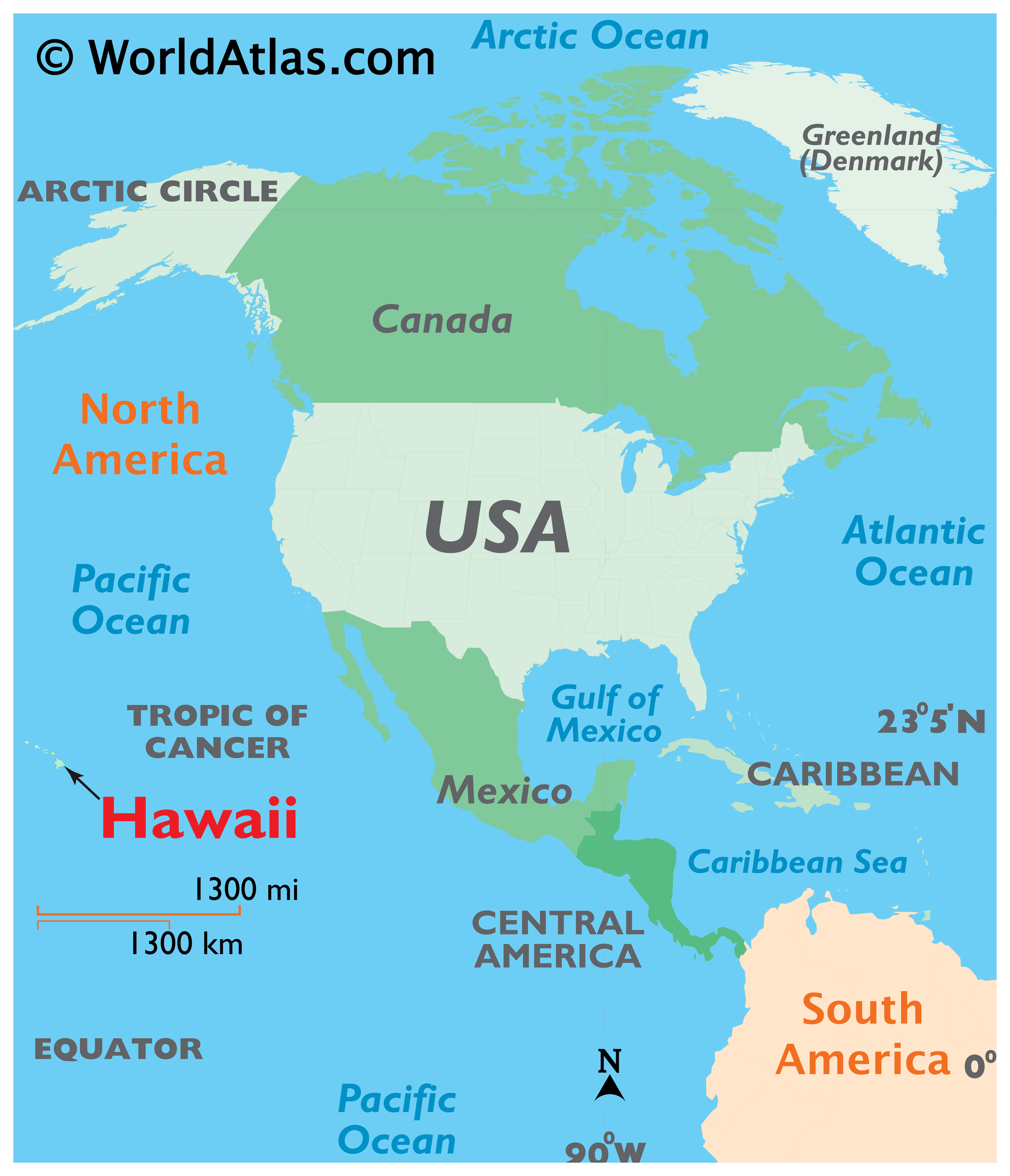
This common misconception often stems from Hawaii’s extraordinary geographical isolation. Unlike the contiguous 48 states, Hawaii lies nearly 2,500 miles southwest of the U.S. mainland, far removed from North America. This distance, combined with its distinct Polynesian heritage and tropical allure, sometimes leads people to perceive it as a separate nation or an overseas territory rather than a fully-fledged state. For anyone planning to embark on a journey to these enchanting islands, understanding its national identity is not just a matter of trivia; it’s fundamental to appreciating its unique blend of American patriotism and indigenous culture, a dichotomy that makes Hawaii an unparalleled travel experience. This article aims to clarify Hawaii’s status, delve into the reasons behind the lingering confusion, and guide you through planning an unforgettable trip to this extraordinary part of the United States.
Addressing the Core Question: Hawaii’s Place in the Union
To definitively answer the question, Hawaii was admitted to the Union on August 21, 1959, becoming the last state to join the United States. This momentous event marked the culmination of a long and complex history, transitioning from an independent Polynesian kingdom to a U.S. territory, and finally, to statehood. For travelers, this means that visiting Hawaii is no different from visiting California or Florida in terms of citizenship requirements for U.S. citizens. There are no customs checks or special immigration procedures when traveling from the mainland. The currency is the U.S. dollar, the language is English (though Hawaiian is also an official language and widely spoken), and federal laws apply.
The journey to statehood for Hawaii is a fascinating narrative that underscores its deep ties to the United States. Originally an independent kingdom united under King Kamehameha I in 1810, Hawaii gradually saw increasing influence from American missionaries and businessmen throughout the 19th century. This culminated in the overthrow of the Hawaiian monarchy, led by Queen Liliuokalani, in 1893, largely at the hands of American and European residents. Following a brief period as an independent republic, Hawaii was annexed by the United States in 1898 and became a U.S. territory. Over the next six decades, the islands played a crucial strategic role, particularly during World War II with the attack on Pearl Harbor. The people of Hawaii voted overwhelmingly for statehood, and their admission into the Union solidified its place as an integral part of the American fabric.
Beyond Geography: Why the Confusion Lingers
While the historical and political facts are clear, the notion that Hawaii might be a separate country persists for several understandable reasons, which are often what draw travelers to its shores in the first place.
Geographical Isolation and Unique Natural Environment
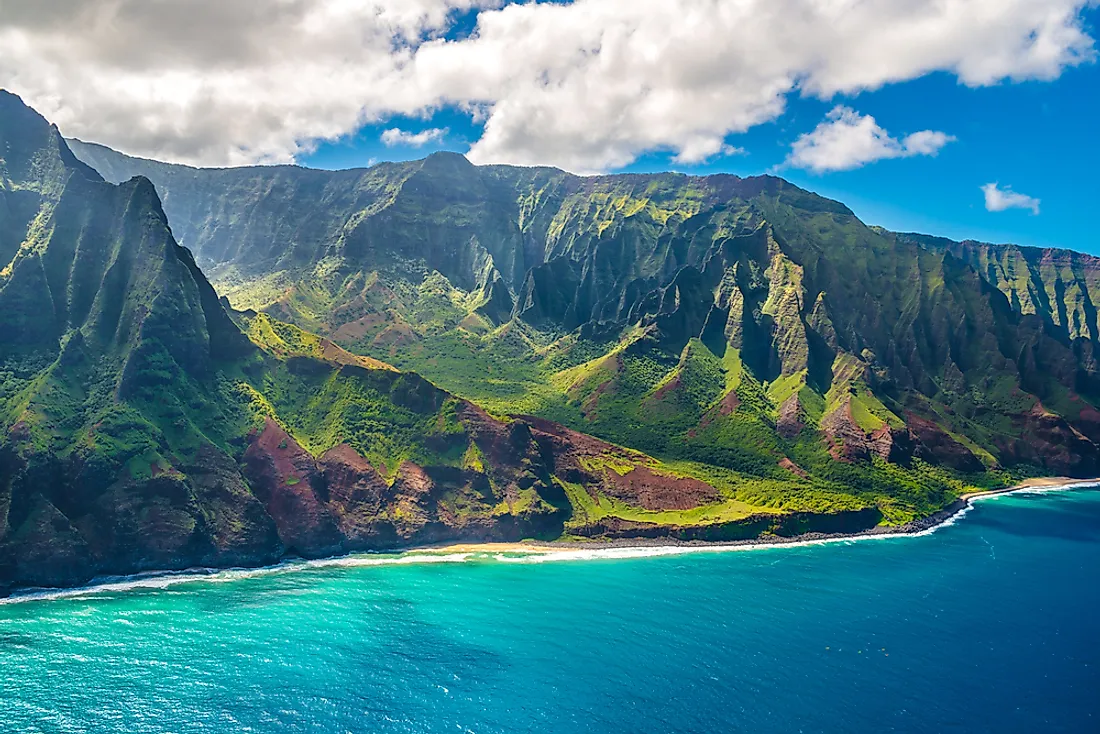
As previously mentioned, Hawaii’s sheer distance from the continental U.S. is a primary factor. Located over 2,000 miles from the nearest continent, its isolation has fostered an incredible biodiversity and unique ecosystem, often feeling worlds away from the urban sprawls of mainland cities. The volcanic origins of the islands create dramatic landscapes, from the active volcanoes of the Big Island to the towering cliffs of Kauai’s Na Pali Coast, distinct from anything found in the other 49 states. This natural splendor makes it a prime destination for Travel enthusiasts seeking unique Destinations, Attractions, and Experiences.
A Distinct and Rich Cultural Heritage
Perhaps even more compelling than its geography is Hawaii’s incredibly rich and distinct Polynesian culture. The language, hula dance, ancient traditions, and the profound concept of “Aloha” create an atmosphere that feels truly foreign and exotic, even to those traveling from other parts of the United States. This cultural uniqueness contributes significantly to the feeling of being in a different country. For Tourism, this means visitors can immerse themselves in Local Culture, participate in traditional Activities like luaus, learn about ancient navigation, and explore historical sites that narrate the story of the Hawaiian people. The blend of indigenous Hawaiian customs with influences from Asia, Europe, and the American mainland results in a fascinating cultural mosaic that is a huge draw for those interested in Lifestyle and authentic Experiences.
The Appeal of a Tropical Paradise
Hawaii’s image as a tropical paradise, synonymous with lush greenery, warm turquoise waters, and year-round sunshine, further sets it apart. While Florida and Puerto Rico also offer tropical climates within the U.S. sphere, Hawaii’s combination of geographic isolation, volcanic geology, and Polynesian culture gives it an unparalleled identity that often leads to the charming confusion about its national status. This perception fuels the desire for Luxury Travel and romantic getaways, but also caters to Family Trips and Budget Travel due to the wide range of Accommodation options.
Embarking on Your Hawaiian Journey: A Traveler’s Guide
Understanding that Hawaii is indeed part of the United States simplifies the logistics of travel for many but in no way diminishes its exotic appeal. Planning a trip to this paradise involves choices that cater to every type of traveler, from adventure seekers to those looking for serene relaxation.
Discovering Diverse Destinations and Iconic Landmarks
The Hawaiian archipelago comprises eight main islands, with six being major tourist destinations, each offering its own distinct charm and a plethora of Landmarks and Attractions:
- Oahu: Known as “The Gathering Place,” Oahu is home to the capital city of Honolulu and the iconic Waikiki Beach. Here, visitors can pay respects at Pearl Harbor, hike up Diamond Head for panoramic views, experience world-class surfing on the North Shore, or delve into Polynesian culture at the Polynesian Cultural Center. The blend of urban sophistication and natural beauty makes Oahu a vibrant hub for Tourism and Travel.
- Maui: Often called “The Valley Isle,” Maui is celebrated for its breathtaking scenic drives, like the famous Road to Hana, and stunning beaches, including the golden sands of Ka’anapali and Wailea. Watching the sunrise from the summit of Haleakala National Park is an unforgettable experience, as is whale watching during the winter months. Maui offers a perfect balance of adventure and luxurious relaxation, ideal for various Lifestyle choices.
- Kauai: Known as “The Garden Isle,” Kauai is a paradise for nature lovers and adventurers. Its dramatic cliffs of the Na Pali Coast, verdant valleys, and cascading waterfalls make it a prime location for hiking, kayaking, and helicopter tours. Waimea Canyon, often called the “Grand Canyon of the Pacific,” is another awe-inspiring natural Landmark.
- Hawaii Island (The Big Island): The largest and geologically youngest island, the Big Island is home to Hawaii Volcanoes National Park, where visitors can witness active volcanoes and recent lava flows. It boasts diverse microclimates, from snow-capped mountains to black sand beaches and the famous Kona Coffee plantations. This island is perfect for those seeking unique Experiences and exploring diverse natural Attractions.
When planning your itinerary, consider island hopping to experience the diverse facets of Hawaii. Inter-island flights are frequent and relatively short, making it easy to combine, for example, the bustling city life of Oahu with the tranquil beauty of Kauai.
Immersing in the Rich Tapestry of Hawaiian Culture and Cuisine
Beyond its natural beauty, Hawaii’s culture is a huge part of its allure, offering profound Experiences that extend beyond typical sightseeing. Engage with Local Culture by attending a traditional luau, where you can enjoy authentic Food, hula performances, and storytelling. Visit historical sites like Iolani Palace, the only official residence of royalty in the United States, to learn about the Hawaiian monarchy. Take a surfing lesson, a sport deeply ingrained in Hawaiian history and Lifestyle.
The Food scene in Hawaii is a delicious fusion of traditional Hawaiian flavors with Asian and American influences. Don’t miss out on trying local delicacies like poke, loco moco, shaved ice, fresh tropical fruits, and of course, the world-renowned Kona coffee. Exploring farmers’ markets and local eateries provides an authentic taste of the islands and supports local businesses, enriching your Tourism experience.
Crafting Your Ideal Hawaiian Experience: From Stays to Sustenance
Planning your trip to Hawaii involves selecting the right Accommodation and preparing for the unique aspects of island travel. As a premier Travel destination, Hawaii offers a vast array of lodging options to suit every budget and Lifestyle.
Navigating Accommodation: Finding Your Perfect Aloha Abode
Whether you dream of a lavish retreat or a cozy budget-friendly stay, Hawaii has it all.
- Luxury Resorts: For those seeking Luxury Travel and unparalleled service, Hawaii is home to some of the world’s finest Resorts. Think oceanfront Suites, private Villas, and an abundance of Amenities like spas, golf courses, and gourmet dining. Examples include the Four Seasons Resort Maui at Wailea or the St. Regis Princeville Resort on Kauai. These often cater to honeymooners, special occasions, or those on a Business Stay combining work with leisure.
- Mid-Range Hotels: Many reputable Hotels offer comfortable stays with excellent services without the top-tier price tag. Brands like Hilton, Marriott, and Hyatt have strong presences, such as the Hilton Hawaiian Village Waikiki Beach Resort on Oahu, providing a good balance for Family Trips or extended Travel.
- Budget-Friendly Options: For Budget Travel, options include smaller Hotels, hostels, guesthouses, and vacation rentals. Websites specializing in Accommodation Booking can help you find affordable Apartments or rooms, especially away from the main tourist hubs. Consider places like the Aston Waikiki Beach Hotel or exploring options for Long-term Stay if your trip permits.
- Vacation Rentals: Services like Airbnb and VRBO offer a wide range of privately owned Villas, houses, and Apartments, providing a more localized Experience and often better value for families or groups. This allows for self-catering, which can be a significant saving on Food costs.
When choosing Accommodation, consider factors like proximity to Attractions, beach access, and desired Amenities. Always read Reviews and use Comparison tools to ensure you’re getting the best value for your needs.
Planning Your Ultimate Hawaiian Adventure: Practical Tips and Experiences
- Transportation: While inter-island flights are common, renting a car on each island is highly recommended for exploring beyond resort areas and accessing many Landmarks and hidden gems. Public transportation is limited outside of Honolulu.
- Best Time to Visit: Hawaii enjoys a pleasant tropical climate year-round, but the peak tourist seasons are typically December to April and June to August. Shoulder seasons (April-May, September-November) often offer good weather with fewer crowds and potentially better deals on Hotels and flights, appealing to Budget Travel.
- Packing Essentials: Pack light, breathable clothing, swimwear, reef-safe sunscreen, insect repellent, a hat, sunglasses, and comfortable walking shoes or hiking sandals. Don’t forget a reusable water bottle to stay hydrated and reduce plastic waste.
- Respecting the Culture: Embrace the “Aloha spirit” by being respectful of local customs, traditions, and the environment. Always ask for permission before photographing people and be mindful of sacred sites. Learn a few basic Hawaiian phrases like “Mahalo” (thank you) and “Aloha” (hello/goodbye/love). This adds depth to your Tourism Experience.
- Safety and Environment: Be aware of ocean conditions, especially strong currents. Always heed warning signs at beaches and hiking trails. Practice responsible Tourism by minimizing your environmental footprint, supporting local businesses, and preserving the natural beauty of the islands.
- Connectivity: Major Hotels and resorts offer Wi-Fi, and cellular service is generally good in populated areas, allowing you to stay connected and share your incredible Travel Experiences.
In conclusion, the answer to “Is Hawaii in the country?” is unequivocally yes, it is a cherished and unique state of the United States of America. Far from being a mere overseas territory, Hawaii offers a tapestry of experiences, from the modern conveniences and infrastructure of a developed nation to the profound cultural richness of its Polynesian heritage. Its status as the 50th state only enhances its appeal, making it an accessible yet exotic paradise for every type of traveler. By understanding its place within the U.S. and appreciating its distinct identity, visitors can truly unlock the magic of the Aloha State and enjoy an unforgettable journey filled with adventure, relaxation, and cultural immersion. So pack your bags, prepare for an incredible Travel Experience, and discover why Hawaii truly is a jewel in the American crown.
LifeOutOfTheBox is a participant in the Amazon Services LLC Associates Program, an affiliate advertising program designed to provide a means for sites to earn advertising fees by advertising and linking to Amazon.com. Amazon, the Amazon logo, AmazonSupply, and the AmazonSupply logo are trademarks of Amazon.com, Inc. or its affiliates. As an Amazon Associate we earn affiliate commissions from qualifying purchases.