
California, a land of unparalleled natural beauty, vibrant cities, and diverse landscapes, regularly captures the imagination of travelers from across the globe. From the sun-drenched beaches of Malibu to the majestic redwoods of the north, and the bustling metropolises of Los Angeles and San Francisco, the Golden State offers an endless array of experiences. However, beneath this picturesque veneer lies a recurring and increasingly pressing challenge: devastating wildfires. Each year, headlines about massive blazes consuming forests, homes, and sometimes entire communities prompt a crucial question: “What started the fire in California?” The answer is complex, often a cocktail of natural phenomena and human activity, amplified by a changing climate. Understanding these origins is not just an academic exercise; it’s vital for appreciating the resilience of the state’s tourism sector, the ongoing efforts to protect its precious landmarks, and the evolving lifestyle of its residents and visitors.
The annual wildfire season in California is a period of heightened alert, impacting everything from travel itineraries and accommodation bookings to the very air quality in major urban centers. While the sheer scale of some recent fires might suggest a single catastrophic event, the reality is that numerous factors contribute to the ignition and rapid spread of these infernos. For anyone planning a trip, considering a long-term stay, or simply curious about the forces shaping this iconic destination, delving into the root causes of California wildfires offers essential insight into the state’s environmental challenges and its proactive approaches to safeguarding its unique appeal.
The Dual Nature of California’s Wildfire Origins
Wildfires in California do not discriminate, igniting from a variety of sources that can be broadly categorized into natural and human-caused. While some fires are an inevitable part of the ecosystem’s cycle, the vast majority, particularly the largest and most destructive ones, bear the imprint of human activity. This dual nature of origins makes prevention and mitigation a multifaceted challenge, requiring a comprehensive understanding of both ecological processes and human behaviors. The interplay between these factors determines not only where a fire might start but also how rapidly it can spread, threatening popular travel destinations and the infrastructure vital for tourism and local life.
Natural Ignitions: Lightning and Drought
Naturally occurring wildfires have been a part of California’s landscape for millennia. The primary natural igniter is lightning. During late summer and early fall, particularly after periods of intense heat and dry conditions, “dry lightning” storms can sweep across the state. These storms produce lightning strikes without significant accompanying rainfall, directly hitting parched vegetation. The dry fuels act as perfect kindling, easily igniting and spreading rapidly, especially in remote, mountainous regions that are difficult for firefighters to access. Iconic natural landmarks, such as Yosemite National Park and Sequoia National Park, with their vast expanses of ancient forests and rugged terrain, are particularly vulnerable to these natural ignitions. The sequoia trees, some of the largest living organisms on Earth, have historically adapted to lower-intensity fires, which help clear undergrowth and allow cones to release seeds. However, the intensity and frequency of modern wildfires, exacerbated by climate change, now pose a direct threat even to these giants.
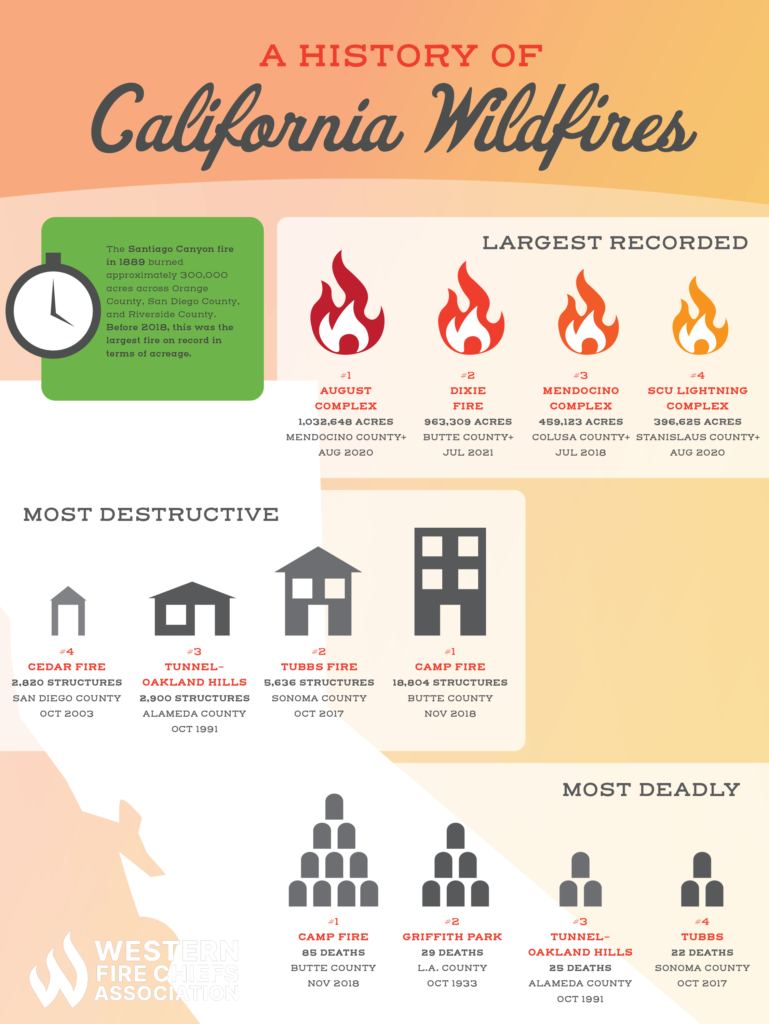
The role of drought cannot be overstated in amplifying the destructiveness of natural ignitions. California has experienced increasingly prolonged and severe droughts in recent decades. These extended periods of insufficient rainfall transform forests and chaparral into vast tinderboxes. Trees, shrubs, and grasses become extremely dry, making them highly susceptible to ignition from even a single spark. Furthermore, drought stress makes vegetation more vulnerable to insect infestations, such as bark beetles, which kill off trees, adding to the fuel load. This combination of dry fuels, dense vegetation, and lightning creates a perilous environment where a small, naturally started fire can quickly escalate into an uncontrollable inferno, threatening not only wilderness areas but also communities nestled on the wildland-urban interface.
Human-Caused Ignitions: A Predominant Factor
While lightning certainly contributes to California’s wildfire problem, human activity is overwhelmingly responsible for the majority of ignitions, particularly those that occur close to populated areas and cause the most significant damage. Studies show that human-caused fires account for more than 80% of all wildfires in the United States, and California is no exception. These fires often begin inadvertently due to negligence or accidents, though deliberate acts like arson also play a role.
One of the most significant sources of human-caused fires involves faulty equipment, particularly power lines. Aging electrical infrastructure, especially in rural and wildland-urban interface areas, can spark fires when lines are downed by strong winds, when equipment malfunctions, or when vegetation grows into power lines. The utility company Pacific Gas and Electric Company (PG&E), which serves much of Northern California, has faced immense scrutiny and billions of dollars in liabilities for fires linked to their equipment, highlighting the critical need for infrastructure upgrades and rigorous maintenance. These incidents have not only devastated communities but also led to widespread power shut-offs (Public Safety Power Shutoffs or PSPS) during high-wind events, impacting homes and businesses, including hotels and resorts, even far from direct fire zones.

Beyond utility equipment, numerous other human activities contribute to ignitions. Campfires left unattended or improperly extinguished are a common culprit, particularly in popular camping destinations within national forests and parks. Discarded cigarettes, sparks from vehicle exhaust systems or tires, debris burns that escape containment, equipment use (such as grinding, welding, or even lawnmowers striking rocks), and even fireworks can all trigger devastating blazes. Arson, the deliberate setting of fires, also remains a concern, often leading to rapid and widespread destruction. The proximity of these human activities to highly flammable wildlands means that even a minor spark can quickly become a major wildfire, posing a direct threat to homes, businesses, and the natural beauty that draws visitors to California.
Impact on Travel, Tourism, and Accommodation in the Golden State
The relentless cycle of wildfires has profound implications for California’s crucial tourism industry, affecting everything from idyllic travel plans to the viability of local businesses. As a state that thrives on its allure as a premier travel destination, the impact of these fires reverberates across the hospitality sector, affecting hotels, resorts, and countless attractions. Visitors seeking leisure, adventure, or cultural experiences are increasingly confronted with the reality of adapting their plans to a fire-prone environment.
Disruptions to Iconic Destinations and Travel Plans
Wildfires directly threaten many of California’s most cherished and popular tourist destinations. Regions renowned for their natural beauty, such as Napa Valley and Sonoma County with their world-class wineries, the scenic beauty of Lake Tahoe, or the rugged coastline of Big Sur, have all experienced significant wildfire events. When fires rage, access roads are often closed, leading to immediate cancellations for hotels, vacation rentals, and tours. Even when an area is not directly threatened by flames, the omnipresent smoke and poor air quality can cast a pall over an entire region, deterring visitors from enjoying outdoor activities, wine tastings, or beach excursions.
Major cities like Los Angeles, San Francisco, and San Diego, while generally more insulated from direct fire threats, are not immune to the peripheral effects. Smoke plumes can travel hundreds of miles, creating hazy skies and unhealthy air conditions that detract from the urban tourist experience. Visitors expecting clear views of the Golden Gate Bridge or pristine beaches in Santa Barbara may find their experiences diminished. National parks, which are cornerstones of California’s tourism, frequently close sections or entirely during active fire events, halting hiking, camping, and sightseeing for thousands. This creates a ripple effect, forcing travelers to alter itineraries, seek alternative destinations, or cancel trips altogether, impacting both their individual experiences and the broader tourism economy.
Challenges for Hotels, Resorts, and Local Economies
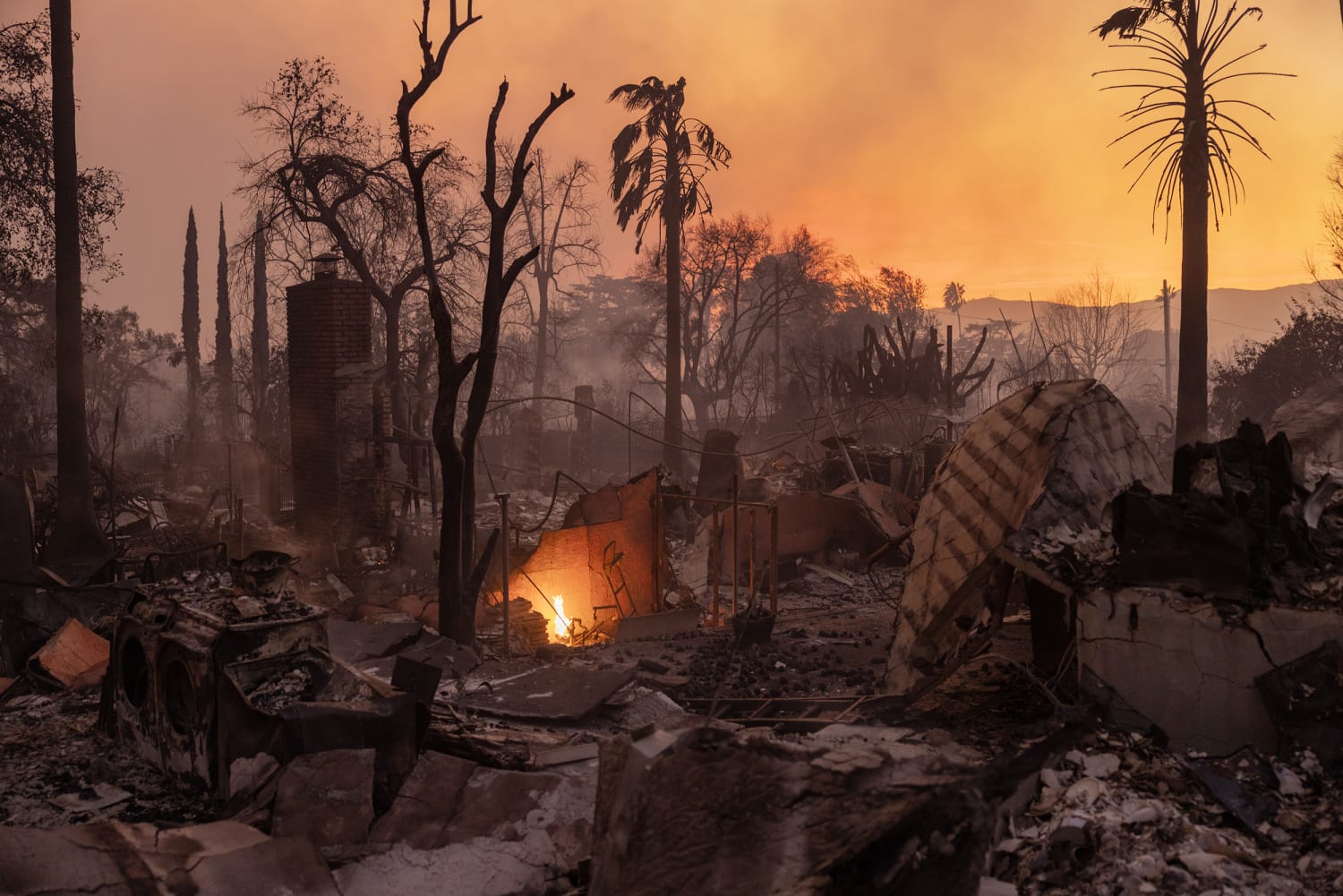
The immediate aftermath of a wildfire, or even the threat of one, presents immense challenges for hotels, resorts, and other accommodation providers. Evacuation orders can lead to mass cancellations, resulting in significant revenue losses. Properties located within or near affected zones might suffer direct damage, requiring extensive repairs or complete rebuilding, effectively taking them out of commission for months or even years. Even those spared direct damage face logistical nightmares, including staffing issues if employees are evacuated, utility disruptions, and a drastic drop in bookings due to negative publicity or general concerns about the region.
Beyond the immediate crisis, wildfires inflict a substantial economic hit on local businesses that rely heavily on tourism. Restaurants, shops, tour operators, and transportation services all experience a decline in patronage when visitor numbers dwindle. This can lead to job losses and financial hardship for entire communities. However, the hospitality sector often shows remarkable resilience. In some cases, hotels and resorts in safer zones pivot to accommodate first responders, displaced residents, or even become temporary shelters, providing essential services during a crisis. This demonstrates a deep connection between the accommodation industry and the communities they serve, often extending beyond mere commerce to provide crucial support in times of need. The long-term recovery of a fire-affected region often depends on its ability to rebuild infrastructure, restore natural attractions, and effectively market itself as a safe and desirable destination once again.
Mitigation, Prevention, and the Future of California Tourism
Addressing the root causes and devastating impacts of California wildfires requires a multifaceted approach focused on both aggressive prevention and strategic mitigation. The state, its communities, and its industries, including tourism, are continually adapting to this persistent challenge, working to minimize future risks while ensuring the long-term viability and appeal of its numerous attractions. This commitment to resilience and proactive management is shaping a new future for travel and lifestyle in the Golden State.
Strategies for Wildfire Prevention and Management
California is at the forefront of developing innovative and comprehensive strategies to combat wildfires. A cornerstone of these efforts is vegetation management. This involves actively reducing fuel loads in forests and wildlands through controlled burns (prescribed fires), mechanical thinning, and strategic clearing. These practices aim to create “defensible space” around homes and communities, slowing a fire’s spread and making it easier for firefighters to protect structures. Agencies like CAL FIRE (California Department of Forestry and Fire Protection) play a critical role in orchestrating these efforts, combining scientific expertise with on-the-ground action.
Another significant area of focus is grid hardening and infrastructure upgrades for utility companies. Following the devastating fires linked to electrical equipment, PG&E and other utilities are investing billions in burying power lines underground, replacing old equipment, and implementing advanced sensors to detect potential faults. Public safety power shut-offs (PSPS), though disruptive, are also a preventative measure during extreme fire weather, designed to prevent ignitions from electrical lines. Furthermore, early warning systems using cameras, satellites, and AI are being deployed across the state to detect new fires quickly, allowing for rapid response and containment before they grow into large-scale disasters. Community preparedness programs also empower residents to create defensible space, harden their homes against embers, and develop evacuation plans, transforming individuals into active participants in wildfire prevention.
Adapting Travel and Lifestyle in a Fire-Prone Region
For travelers and residents alike, understanding and adapting to California’s wildfire reality has become an integral part of experiencing the state. For those planning a visit, checking real-time fire maps and air quality reports has become as routine as checking the weather forecast, especially during the peak fire season from late summer through fall. Travel insurance that covers fire-related disruptions is increasingly advisable. Many tourist destinations, from national parks to wineries, now proactively communicate fire safety guidelines and operational status, ensuring visitors are well-informed and can make safe decisions. The focus is shifting from simply enjoying the scenery to enjoying it responsibly and safely.
The resilience of California’s tourism industry is remarkable. Following devastating fires, communities often rally to rebuild and promote their unique attractions, sometimes with renewed vigor. Hotels and resorts incorporate fire-safe landscaping and building practices, and some even offer specialized fire-season deals or flexible cancellation policies. The lifestyle for many Californians living in high-risk areas has transformed, with fire safety, home hardening, and emergency preparedness becoming paramount. Yet, despite these challenges, the allure of California’s unparalleled natural beauty, its vibrant cultural scene, and its innovative spirit remains undimmed. The continuous efforts in prevention, mitigation, and adaptation ensure that the Golden State will continue to offer extraordinary experiences, beckoning travelers to discover its magic, even as it navigates the complex realities of a changing climate. The question of “What started the fire in California?” drives an ongoing quest for solutions, ensuring the state remains a premier destination for years to come.
LifeOutOfTheBox is a participant in the Amazon Services LLC Associates Program, an affiliate advertising program designed to provide a means for sites to earn advertising fees by advertising and linking to Amazon.com. Amazon, the Amazon logo, AmazonSupply, and the AmazonSupply logo are trademarks of Amazon.com, Inc. or its affiliates. As an Amazon Associate we earn affiliate commissions from qualifying purchases.