
The humble [California] roll, with its vibrant colors and approachable flavors, is far more than just a simple sushi creation; it’s a culinary landmark that encapsulates a significant chapter in the history of [Japanese] cuisine’s global expansion. For travelers, food enthusiasts, and anyone captivated by the intersection of culture and gastronomy, understanding what makes up a [California] roll offers a fascinating glimpse into the Golden State’s innovative spirit and its profound impact on the world of food and lifestyle. This iconic dish, often the first foray into sushi for many, tells a story of adaptation, cross-cultural influence, and the pursuit of fresh, accessible ingredients that have come to define a certain aspect of [American] dining.
Beyond its delightful taste, the [California] roll stands as a testament to [California’s] role as a melting pot of cultures and a hub for culinary experimentation. It bridges the gap between traditional [Japanese] culinary arts and Western palates, making “sushi” a household name far from its traditional origins. For those embarking on a travel journey through [California], whether for its stunning [landmarks] like the [Golden Gate Bridge] or the pristine [beaches] of [Malibu], exploring the diverse food scene—and particularly its sushi landscape—is an essential part of the experience. It offers an insight into the local culture, a taste of lifestyle, and an understanding of why this state continues to be a magnet for innovation in every sphere, including gastronomy.

The Anatomy of an Icon: Deconstructing the California Roll
To truly appreciate the [California] roll, one must first understand its components and the innovative choices that led to its creation. It wasn’t merely a random assembly of ingredients; it was a deliberate, ingenious adaptation designed to appeal to a broader audience while retaining the essence of sushi.
Core Ingredients: Crab, Avocado, Cucumber
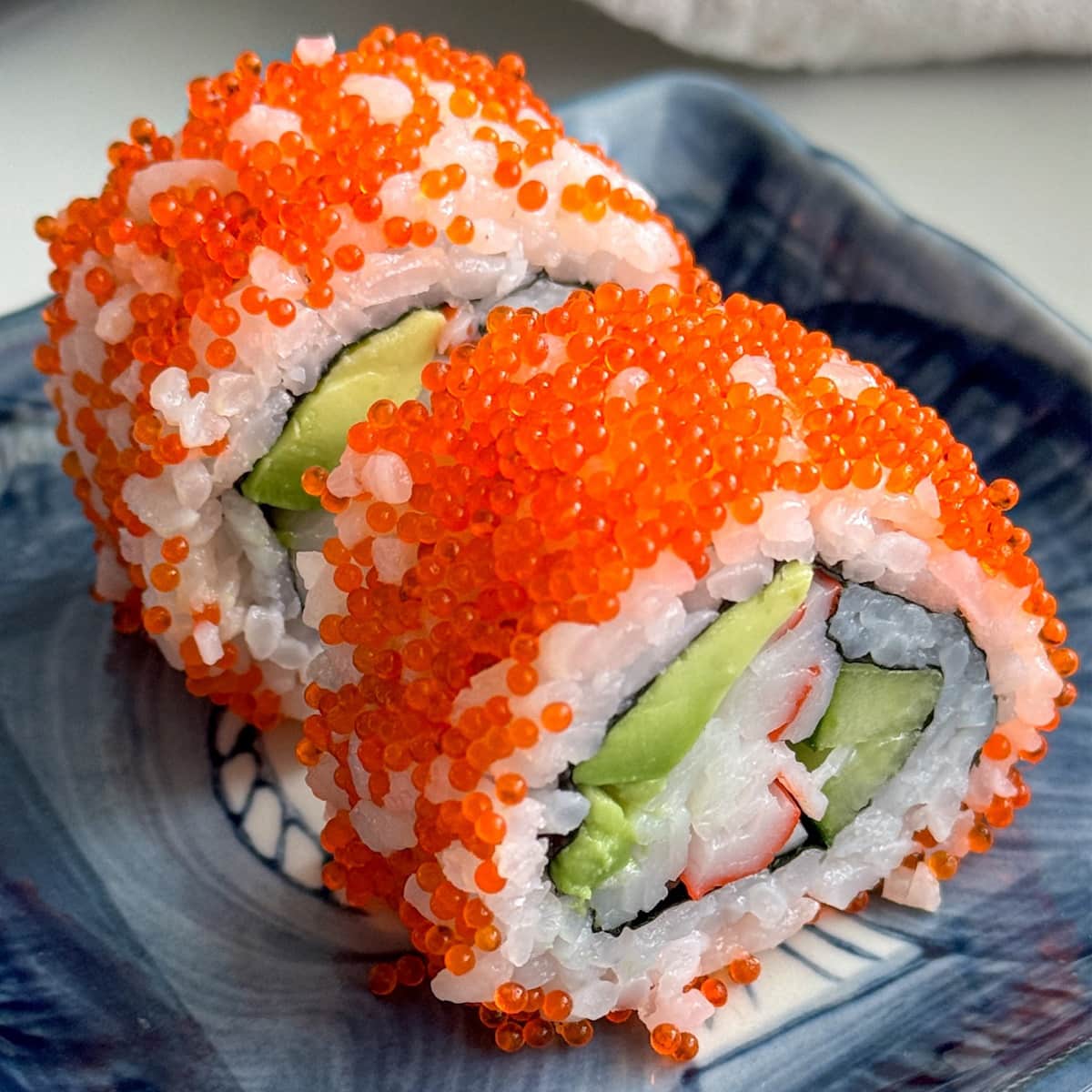
At its heart, the [California] roll is a symphony of three primary fillings:
- Crab Meat (or imitation crab): The use of cooked crab meat, or more commonly, “kani” (imitation crab made from pollock), was a pivotal decision. Traditional sushi often features raw fish, which was a barrier for many Westerners unfamiliar or uncomfortable with the concept. Cooked crab offered a familiar, appealing protein that was easy to accept.
- Avocado: Perhaps the most defining ingredient, avocado brought a creamy texture and rich, buttery flavor that instantly resonated with the [California] palate. Its mildness complemented the crab and cucumber, while its vibrant green added visual appeal. [California] is, after all, a major producer of avocados, making it a natural, fresh, and locally sourced choice for chefs in the region.
- Cucumber: Providing a refreshing crunch and a clean, crisp contrast, cucumber balances the richness of the avocado and the sweetness of the crab. It adds an essential textural element that elevates the overall experience.

These ingredients are typically rolled with sticky sushi rice and nori (seaweed), often sprinkled with toasted sesame seeds or masago (capelin roe) for an added layer of flavor and texture. This combination makes for a sushi experience that is both approachable and endlessly satisfying.
The Uramaki Revolution: Inside-Out Design
What truly set the [California] roll apart visually and structurally was its “uramaki” or inside-out style. Unlike traditional “norimaki” where the seaweed wraps the rice and fillings, the [California] roll places the nori and fillings inside, with the rice on the outside. This revolutionary design served several purposes:
- Visual Appeal: The gleaming white rice, often adorned with colorful sesame seeds or roe, was more aesthetically pleasing and less intimidating than the dark seaweed wrapper for first-time sushi eaters.
- Textural Experience: The direct contact of rice with the tongue offered a different mouthfeel, allowing the subtle sweetness of the sushi rice to be immediately appreciated.
- Accessibility: By “hiding” the seaweed, which some Western diners found off-putting due to its unfamiliar texture or strong marine taste, chefs made the roll far more accessible and palatable.
This innovative inside-out approach wasn’t just a stylistic choice; it was a strategic culinary decision that played a crucial role in introducing sushi to a global audience, paving the way for countless other fusion rolls and cementing the [California] roll’s status as a foundational dish in modern sushi culture.
A Culinary Journey: Tracing its Origins and Evolution in California
The story of the [California] roll is inextricably linked to the burgeoning [Japanese] community in [Los Angeles] and the pioneering chefs who sought to adapt their culinary traditions to a new environment. It’s a tale of cultural exchange, culinary diplomacy, and the birth of a global phenomenon.
From Little Tokyo to Global Phenomenon
The generally accepted origin story places the [California] roll’s creation in [Los Angeles] during the late 1960s or early 1970s. While exact attribution is debated, two prominent figures are often credited:
- Noritoshi Kanai: Some accounts suggest that [Noritoshi Kanai], a chef at the [Tokyo Kaikan restaurant] in [Little Tokyo], [Los Angeles], played a role in its early development around 1964. He reportedly helped popularize the idea of using avocado as a substitute for tuna, which was not always readily available or acceptable to American diners at the time.
- Ichiro Mashita: Another strong contender for its invention is [Ichiro Mashita], a sushi chef at the [Tokyo Kaikan restaurant] (some sources say [Kawafuku Restaurant]) in [Little Tokyo], [Los Angeles], in the late 1960s or early 1970s. He is often credited with the idea of substituting tuna with avocado and then later developing the inside-out (uramaki) technique to further appeal to his American clientele. The idea was to create a roll that was less intimidating and more aligned with local tastes.
Regardless of the precise inventor, the roll quickly gained traction in [Los Angeles], spreading from [Little Tokyo] to other parts of the city and eventually across the entire [United States]. Its success demonstrated that sushi could transcend its traditional boundaries and become a versatile, adaptable cuisine. This evolution from a local delicacy to a global staple highlights the power of food tourism, where regional innovations can redefine international culinary landscapes. Travelers seeking to immerse themselves in authentic [Japanese] culinary history in [California] can still find revered sushi establishments in [Little Tokyo], experiencing the roots of this groundbreaking dish.
The Impact on Japanese Cuisine and American Palates
The [California] roll was a game-changer. It broke down barriers, demystified sushi, and served as a gateway drug for countless individuals who would later venture into more traditional or adventurous sushi offerings.
- Paving the Way for Fusion: Its success spurred an explosion of creative, fusion sushi rolls, incorporating ingredients from various cuisines and further diversifying the sushi menu. This spirit of innovation perfectly mirrors [California’s] lifestyle, which often champions new ideas and bold experimentation.
- Educating Palates: It slowly accustomed American palates to the textures, flavors, and presentation of sushi, making raw fish less daunting over time. This cultural shift is a fascinating aspect of tourism, where food acts as a bridge between different ways of life.
- Economic Impact: The popularity of the [California] roll fueled the growth of sushi restaurants across the country, creating jobs and fostering a new segment of the hospitality industry. For hotels and resorts, having a sushi restaurant became an amenity that appealed to a wide range of guests, from business travelers to vacationing families.
The [California] roll, therefore, is not just a dish; it’s a testament to how cultural adaptation and culinary innovation can profoundly impact global eating habits and foster greater cross-cultural understanding.
California: More Than Just a Roll – A Lifestyle and Travel Destination
The essence of the [California] roll—freshness, innovation, and an appealing blend of East meets West—is deeply reflective of [California] itself. The state is renowned for its diverse landscapes, vibrant cities, and a lifestyle that emphasizes health, creativity, and the pursuit of unique experiences.
The Golden State’s Allure
Just as the [California] roll blends familiar with exotic, the [Golden State] offers a captivating mix of natural wonders and cosmopolitan hubs.
- Healthy Living and Fresh Produce: [California’s] agricultural abundance provides a foundation for its health-conscious culture. From the avocado ranches to the seafood-rich coasts, the state embodies the farm-to-table ethos that made the [California] roll possible. This focus on fresh, local ingredients is a huge draw for food tourism.
- Innovation and Diversity: Like the roll, [California] is a hotbed of innovation, whether in technology in [Silicon Valley] or in the arts in [Hollywood]. Its diverse population has created a rich tapestry of cultures, reflected in its varied cuisines, festivals, and community events, which are key attractions for travelers.
- Sunny Beaches and Outdoor Lifestyle: The laid-back, outdoor-oriented lifestyle associated with [California], from the surf culture of [Malibu] to the scenic drives along [Big Sur], aligns with the roll’s light, refreshing character. These experiences are central to any travel guide to the state.
Exploring [California] is an immersion into this dynamic lifestyle, where every destination, from the bustling streets of [San Francisco] to the serene vineyards of [Napa Valley], offers a unique facet of the [Golden State]’s charm.
Experiencing California Through its Cuisine
Food tourism in [California] extends far beyond sushi, though it remains a significant part of the culinary landscape. The state boasts a remarkable array of dining experiences that cater to every taste and budget, making it a prime destination for food lovers.
- San Francisco’s Gastronomic Delights: From Michelin-starred restaurants to bustling food trucks, [San Francisco] offers an unparalleled culinary journey. Travelers can explore the historic [Ferry Building Marketplace] for artisan foods or indulge in the city’s renowned sourdough bread and seafood.
- San Diego’s Coastal Flavors: With its proximity to the ocean and the Mexican border, [San Diego] excels in fresh seafood and vibrant Baja-inspired cuisine. Tacos, craft beer, and, of course, excellent sushi spots are staples here.
- Napa Valley’s Wine and Dine Scene: For a more luxurious and refined experience, [Napa Valley] pairs world-class wines with exquisite farm-to-table dining, making it a dream destination for gourmet travelers.
- Los Angeles’s Eclectic Mix: From the high-end dining of [Beverly Hills] to the ethnic enclaves offering authentic global cuisines, [Los Angeles] is a melting pot of flavors, where one can find anything from a street taco to an elaborate sushi omakase.
For travelers, these diverse food scenes are integral to understanding [California’s] local culture and offer unique activities and experiences that go beyond traditional sightseeing. Guides often highlight these culinary hotspots as essential stops on any itinerary.
Luxury and Lifestyle: Pairing Sushi with California’s Premier Accommodations
The sophisticated appeal of sushi, often seen as a refined dining experience, pairs perfectly with the luxury lifestyle offered by [California’s] premier hotels and resorts. These establishments understand that exceptional dining is a crucial amenity for their discerning guests.
- High-End Hotel Dining: Many luxury hotels, like the opulent [Beverly Wilshire A Four Seasons Hotel] in [Beverly Hills] or [The Ritz-Carlton Laguna Niguel] overlooking the Pacific Ocean, feature world-class sushi restaurants or offer sushi as part of their extensive in-room dining menus. These venues provide an elevated experience, combining masterful sushi preparation with impeccable service and breathtaking ambiance.
- Resort Amenities: Resorts across [California], from coastal retreats to desert oases, often highlight their diverse culinary offerings, including dedicated sushi bars or fusion restaurants. For travelers seeking a lavish stay, the availability of high-quality sushi contributes to the overall appeal of the accommodation, enhancing the sense of a complete luxury experience.
- Lifestyle Integration: For guests who embrace a healthy and sophisticated lifestyle, enjoying fresh sushi poolside or as part of a wellness retreat fits seamlessly into their travel philosophy. These hotels cater to such preferences, ensuring that healthy, delicious options are always available.
Whether you’re on a business stay or a family trip, finding accommodation that aligns with your lifestyle and culinary preferences is key. [California’s] top hotels and resorts excel in providing these experiences, making them popular choices for discerning travelers. Reviews often praise the quality of dining, including sushi, as a highlight of their stay.
Beyond the Plate: The California Roll as a Cultural Landmark
The [California] roll has transcended its origins as a mere dish to become a cultural symbol—a culinary landmark that speaks volumes about fusion, innovation, and global interconnectedness.
A Symbol of Fusion and Innovation
The [California] roll stands as a powerful symbol of successful culinary fusion. It demonstrates how traditional forms can evolve and adapt when exposed to new cultures and ingredients, creating something entirely new yet equally delicious. This spirit of innovation is a hallmark of [California]’s cultural landscape, from Silicon Valley’s tech breakthroughs to Hollywood’s cinematic artistry.
- Cultural Bridge: It served as a bridge, making a foreign cuisine accessible and beloved, fostering a greater appreciation for [Japanese] culinary traditions globally. This kind of cultural exchange is a core aspect of tourism, allowing travelers to engage with local cultures through their food.
- Culinary Evolution: Its enduring popularity has influenced subsequent generations of chefs and home cooks, encouraging experimentation and pushing the boundaries of what is considered “sushi.”
For anyone interested in the dynamism of food culture, the [California] roll offers a compelling case study in how a single dish can embody a broader cultural movement.
Planning Your Culinary Adventure
For travelers inspired by the story of the [California] roll and eager to explore [California]’s vibrant culinary scene, planning is key.
- Research Destinations: Identify cities and regions known for their exceptional food scenes, such as [Los Angeles], [San Francisco], [San Diego], and [Napa Valley]. Each offers distinct flavors and dining experiences.
- Seek Out Diverse Experiences: While sushi is a must-try, venture beyond to explore the state’s incredible array of Mexican, farm-to-table, vegan, and international cuisines. Look for local markets and food festivals for authentic experiences.
- Choose Accommodations Wisely: Consider hotels and resorts that boast strong dining programs, including those with renowned sushi chefs or diverse restaurant options, enhancing your overall travel experience. Utilize booking platforms and read reviews to find the best fit for your budget and lifestyle.
- Embrace Local Guides and Tips: Local guides can provide invaluable insights into hidden gems and authentic eateries, ensuring a truly immersive culinary adventure.
From exploring famous landmarks like [Disneyland] and [Yosemite National Park] to savoring exquisite meals, a trip to [California] promises a rich tapestry of experiences. The [California] roll, in its simplicity and profound impact, serves as an excellent starting point for understanding the sophisticated, diverse, and endlessly innovative spirit of this remarkable state. It’s an invitation to explore, taste, and discover the essence of a lifestyle where culinary creativity knows no bounds.
LifeOutOfTheBox is a participant in the Amazon Services LLC Associates Program, an affiliate advertising program designed to provide a means for sites to earn advertising fees by advertising and linking to Amazon.com. Amazon, the Amazon logo, AmazonSupply, and the AmazonSupply logo are trademarks of Amazon.com, Inc. or its affiliates. As an Amazon Associate we earn affiliate commissions from qualifying purchases.