
The question of whether Hawaii is part of the United States is one that occasionally puzzles international travelers and students of geography alike. Situated deep in the Pacific Ocean, thousands of miles from the North American mainland, the archipelago feels worlds apart from the bustling urban centers of the East Coast or the sprawling suburban landscapes of the Midwest. However, for those planning a trip to this tropical paradise, understanding its status is essential for navigating logistics, culture, and travel expectations.
A Geographical and Political Overview
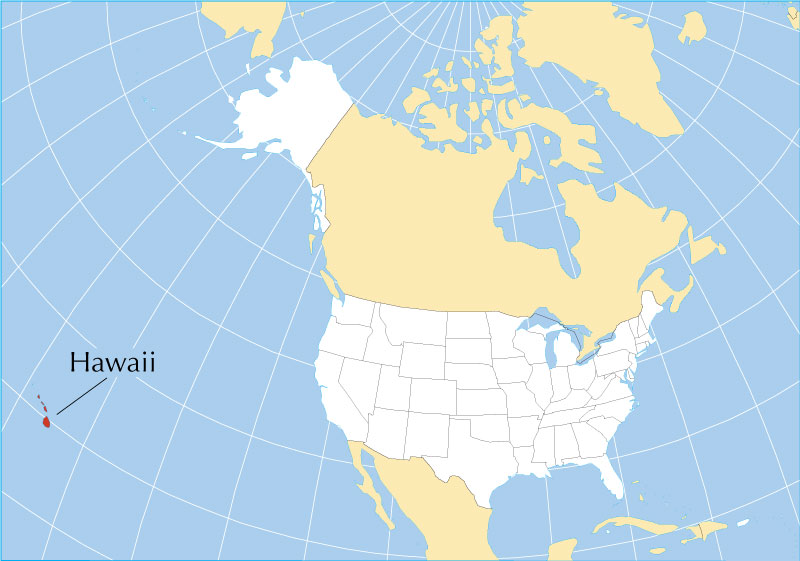
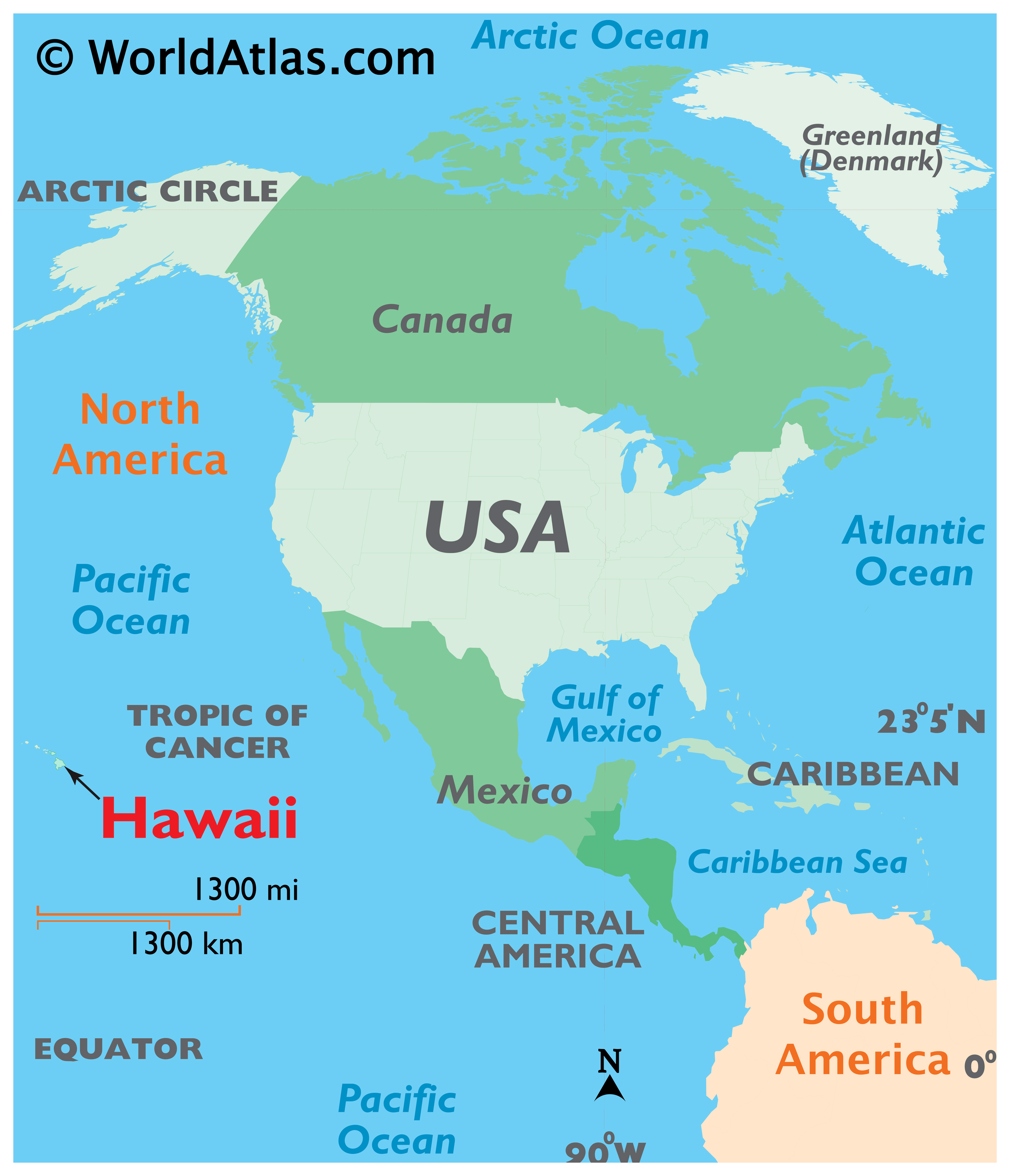
While the islands are geographically isolated—making them the most remote island chain on the planet—Hawaii is undeniably and firmly an integral part of the United States. It holds the distinction of being the 50th state, admitted to the Union on August 21, 1959.
Understanding the Status of the 50th State
As a full-fledged state, the islands operate under the same federal laws, utilize the United States Dollar as currency, and recognize the United States Constitution as the supreme law of the land. Visitors from other states within the country do not require a passport, nor do they need to go through international customs when arriving at airports like Daniel K. Inouye International Airport. This status streamlines travel significantly, making it an accessible domestic destination for millions of Americans every year.
The Pacific Paradox
The confusion often stems from the immense distance between Honolulu and the mainland. Being situated roughly 2,400 miles from California, Hawaii functions more like an autonomous island nation in its cultural rhythms and ecological diversity. Despite this, the presence of major military installations, such as Pearl Harbor, underscores the deep-seated strategic and political integration between the islands and the federal government.
Navigating Culture and Language
While the political structure is unmistakably American, the cultural identity of Hawaii is a unique synthesis of Polynesian heritage, Asian influences, and Western colonization. This fusion creates an environment that feels distinct from any other state in the union.
The Role of Indigenous Culture
The native Hawaiian culture is the heartbeat of the islands. Long before it became a territory or a state, Hawaii was a sovereign kingdom ruled by monarchs such as King Kamehameha I. Today, visitors can experience this rich history at cultural hubs like the Polynesian Cultural Center. Respecting the local customs, language, and the “Aloha Spirit” is a crucial aspect of being a responsible traveler in this region.
Language and Communication
English is the primary language of business, government, and education across all the islands, including Maui, Kauai, and the Big Island. However, you will frequently hear locals speaking Hawaiian, an indigenous language that has seen a significant revitalization in recent decades. You may also encounter “Hawaiian Pidgin,” a creole language that developed among plantation workers from various backgrounds, which serves as a vibrant, informal way of communicating among residents.
Logistics for the Modern Traveler
For travelers wondering how to prepare for a trip to Hawaii, the fact that it is a domestic destination simplifies many aspects of the journey. However, the island environment requires specific planning to ensure a smooth experience.
Entry Requirements and Documentation
Because Hawaii is part of the United States, there is no need for visas, customs forms, or currency exchange for domestic travelers. However, travelers arriving from international locations will, of course, clear U.S. Customs and Border Protection upon their first point of entry into the country. It is important to stay updated on local agricultural regulations, as the islands are incredibly protective of their delicate endemic ecosystems and have strict rules regarding the importation of plants, fruits, and certain animals.
Currency, Connectivity, and Infrastructure
The infrastructure on the islands is comparable to that of any major American city. You will find that standard United States cellular service providers function seamlessly across major hubs like Waikiki. Credit cards are accepted almost everywhere, and the banking system is fully integrated. If you are accustomed to the standard of service at a Marriott or a Hilton, you will find the same operational standards in the resort areas of Oahu or the Kohala Coast.
Embracing the Island Experience
Understanding that Hawaii is part of the United States is only the starting point for your journey. Once you arrive, the true goal is to immerse yourself in the experiences that make these islands a world-renowned destination.
Environmental Stewardship
One of the most important things to remember is that Hawaii is ecologically fragile. Whether you are visiting Haleakala National Park on Maui or snorkeling in the pristine waters of Hanauma Bay, there is a shared responsibility to protect the land. This means practicing “leave no trace” principles, avoiding the use of reef-harmful sunscreens, and staying on marked trails to protect the island’s unique biodiversity.
Engaging with Local History and Landscapes
Beyond the beaches and luxury resorts, the islands offer deep historical insights. A visit to the Iolani Palace, the only royal palace on U.S. soil, provides a sobering and fascinating look at the kingdom’s transition into statehood. Similarly, the dramatic cliffs of the Na Pali Coast serve as a reminder of the raw, volcanic power that birthed these islands millions of years ago.

The Traveler’s Perspective
Ultimately, Hawaii offers a unique paradox: it provides the comfort and security of a familiar United States destination, while simultaneously transporting you to a tropical paradise that feels entirely exotic. Whether you are a history buff, an outdoor adventurer, or someone looking to relax on the sands of Lanikai Beach, acknowledging the islands’ dual identity as both a state and a distinct cultural epicenter is the best way to approach your visit. By respecting the local traditions, engaging with the natural wonders, and enjoying the world-class hospitality found in places like Four Seasons Resort Maui at Wailea, you ensure that your time in the archipelago is as enriching as it is memorable.
In summary, yes, Hawaii is firmly and proudly in the United States. It is a destination that balances the convenience of modern American travel with the deep-rooted, ancient traditions of the Pacific, offering a travel experience that remains unparalleled anywhere else in the world.
LifeOutOfTheBox is a participant in the Amazon Services LLC Associates Program, an affiliate advertising program designed to provide a means for sites to earn advertising fees by advertising and linking to Amazon.com. Amazon, the Amazon logo, AmazonSupply, and the AmazonSupply logo are trademarks of Amazon.com, Inc. or its affiliates. As an Amazon Associate we earn affiliate commissions from qualifying purchases.