
Understanding the Temporal Landscape of the Sunflower State
When travelers begin mapping out a cross-country itinerary through the American Midwest, one of the most fundamental logistical details they must account for is local time zones. If you find yourself asking, “What Time Is It Kansas Right Now?”, the answer is slightly more nuanced than a simple single-zone response. The state of Kansas spans two distinct time zones, reflecting its vast geographic expanse that stretches from the bustling urban center of Kansas City in the east to the high plains bordering Colorado in the west.
For visitors embarking on a road trip or business journey, keeping track of these shifts is essential for seamless travel planning. Whether you are arriving at Kansas City International Airport or touring historic sites out west, knowing the exact hour helps prevent missed reservations, delayed tours, and scheduling confusion.
The Eastern Majority: Central Standard and Daylight Time
The vast majority of the state—including major metropolitan areas, cultural hubs, and agricultural centers—operates on Central Time. This encompasses roughly 105 of the state’s 105 counties, anchoring the region to the same schedule as cities like Chicago and Dallas.
- Central Standard Time (CST): UTC-6, observed during the late autumn and winter months.
- Central Daylight Time (CDT): UTC-5, observed from the second Sunday in March to the first Sunday in November.
Major destinations such as Wichita, Topeka, Lawrence, and the western half of Kansas City all adhere strictly to this schedule. If you are standing outside the magnificent Kansas State Capitol or exploring the exhibits at Botanica The Wichita Gardens, your clock will align with the broader Central Time zone of the United States.
The Western Frontier: Mountain Time Zone
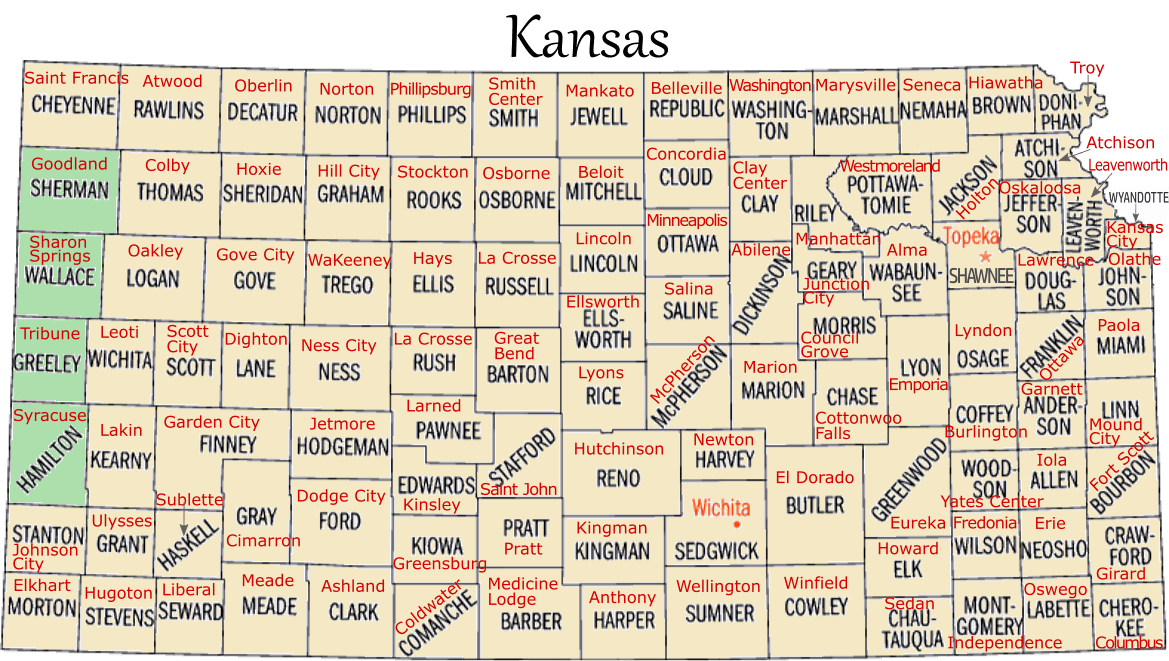
As you travel further west toward the state’s border with Colorado, the temporal landscape shifts. Four counties in the extreme western part of the state observe Mountain Time:
- Wallace County
- Greeley County
- Hamilton County
- Sherman County
Travelers visiting landmarks like the famous Monument Rocks or passing through the town of Goodland—home to the historic giant Van Gogh painting easel—will need to set their watches back by one hour if they are coming from the eastern side of the state. This transition zone is marked by subtle highway signs, but it frequently catches unprepared tourists off guard when scheduling visits to local ranches, museums, or state parks.
Planning Your Itinerary Around Midwestern Time Zones
Navigating a destination that bridges two different time zones requires careful itinerary curation. When designing a comprehensive travel plan through the region, factoring in these sixty-minute discrepancies ensures that your exploration of local culture, historic landmarks, and scenic byways remains stress-free.

East to West Road Trips
One of the greatest joys of exploring the region is taking a classic American road trip along historic routes like Interstate 70. Beginning your journey in the vibrant cultural hub of The Nelson-Atkins Museum of Art in Kansas City, you will travel westward across rolling prairies, university towns, and vast expanses of agricultural land.
As you approach the western border, you will cross the boundary into Mountain Time. Smart travelers use digital devices that automatically update their clocks, but traditional wristwatches or car dashboard systems may require manual adjustment. Keeping a mental note of this shift prevents missed dinner reservations or confusion when booking lodging accommodations in western frontier towns.
Coordinating Transportation and Tours
Timing is everything when visiting popular regional attractions. Whether you are planning a guided tour of the Dwight D. Eisenhower Presidential Library and Museum in Abilene or scheduling a tee time at a premier golf course, verifying whether the venue operates on Central or Mountain Time is a vital preliminary step.
- Airlines and Trains: Major transportation hubs operate strictly on their local municipal time, but connecting flights and regional buses require precise synchronization.
- National and State Parks: Facilities located near the Mountain Time border often post operating hours in local time, meaning visitors driving in from the east must calculate park closing times carefully.
Seasonal Shifts and Daylight Saving Observations
Like most of the United States, the region observes Daylight Saving Time (DST). This biannual ritual impacts travel routines, sunrise and sunset times, and daily excursion planning.
Spring Forward and Fall Back
On the second Sunday in March, clocks are pushed forward one hour at 2:00 AM local time. This transition brings longer, sunlit evenings that are ideal for exploring outdoor destinations like Tallgrass Prairie National Preserve. Conversely, on the first Sunday in November, clocks are turned back one hour, ushering in earlier sunsets and crisp autumn evenings.
Travelers visiting during the seasonal transitions should double-check smartphone settings to ensure automatic time-zone updates are enabled. This simple precautionary measure ensures you never miss a dawn wildlife-watching excursion or an evening culinary tour sampling authentic regional barbecue.

Maximizing Daylight for Sightseeing
Understanding local solar timing enhances your travel experience significantly. During peak summer months, the region enjoys extended daylight, allowing visitors to tour historic downtowns, scenic byways, and botanical gardens well into the evening.
Planning outdoor photography sessions around golden hour becomes much easier when you know the precise timing of local sunsets. Whether you are capturing the dramatic limestone formations of western Kansas or the urban skyline of Wichita, syncing your schedule with the local clock ensures you make the most of every single hour of your journey.
LifeOutOfTheBox is a participant in the Amazon Services LLC Associates Program, an affiliate advertising program designed to provide a means for sites to earn advertising fees by advertising and linking to Amazon.com. Amazon, the Amazon logo, AmazonSupply, and the AmazonSupply logo are trademarks of Amazon.com, Inc. or its affiliates. As an Amazon Associate we earn affiliate commissions from qualifying purchases.