
The question, “Is Hawaii The Big Island?” might seem straightforward, yet it unveils a fascinating nuance within the Hawaiian Islands archipelago. Many travelers, when envisioning a trip to Hawaii, picture a singular, idyllic paradise. However, the reality is far richer and more diverse. Hawaii is not a single island but a chain of islands, and one of them is indeed known as the Big Island. This article aims to demystify this common point of confusion, guiding you through the distinct identities and unique offerings of the Hawaiian Islands, with a particular focus on the captivating Big Island itself.
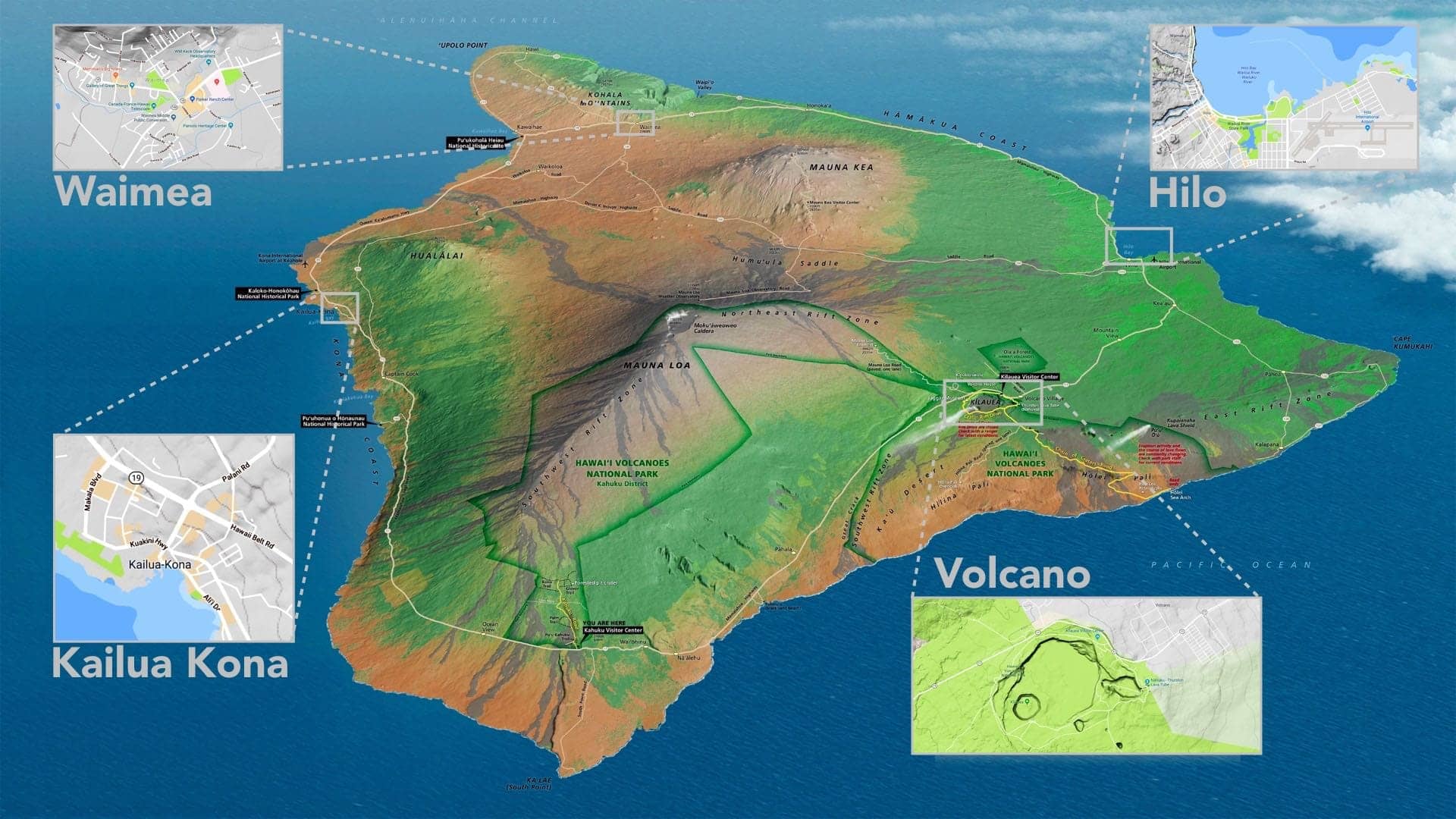
Our journey will explore the essence of travel within this tropical haven, touching upon the array of accommodations available, the vibrant tapestry of local culture and tourism, and the iconic landmarks that define these islands. We will also delve into the various lifestyles that can be embraced here, from indulgent luxury travel to adventurous budget travel, ensuring that whether you’re planning a romantic getaway, a family trip, or a focused business stay, you’ll find the information you need.
The popular misconception often arises from the state’s name, Hawaii, which also refers to the largest island in the chain. This naming convention can indeed lead to a delightful entanglement of ideas, but understanding the distinction is key to unlocking the full potential of your Hawaiian adventure. Let’s embark on a comprehensive exploration, starting with the fundamental geography and then delving into the experiences that make each island, and particularly the Big Island, a world unto itself.
Understanding the Hawaiian Archipelago
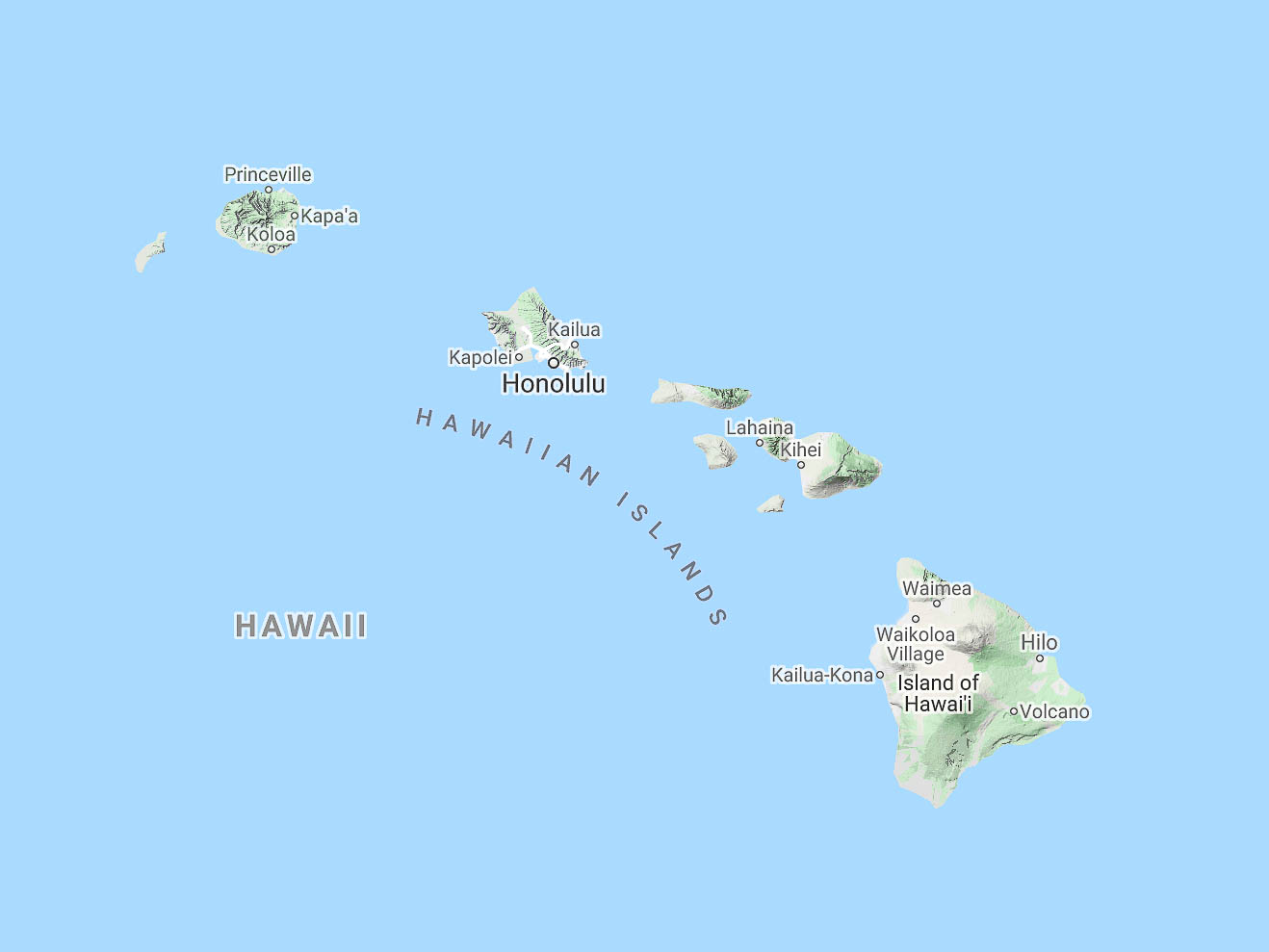
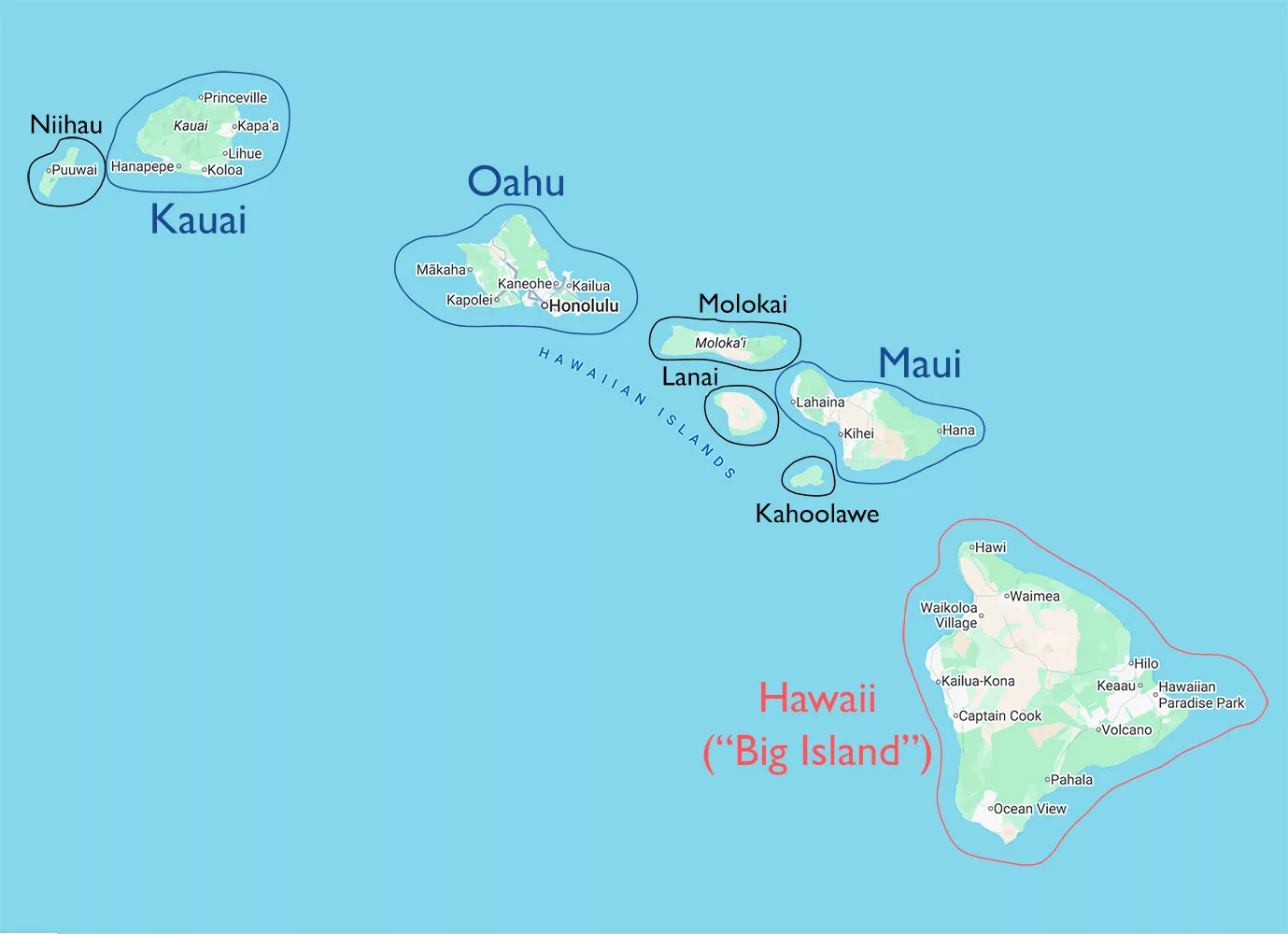
The state of Hawaii is composed of eight major islands, each with its own distinct character, geology, and appeal. These islands are: Niʻihau, Kauaʻi, Oʻahu, Molokaʻi, Lānaʻi, Kahoʻolawe, Maui, and the Big Island. Among these, the Big Island stands out due to its sheer size, geological dynamism, and diverse landscapes. Officially known as Hawaiʻi Island, it is colloquially referred to as the Big Island to distinguish it from the state as a whole. This distinction is crucial for travelers aiming to pinpoint specific destinations and experiences.
When people speak of “going to Hawaii,” they are often referring to visiting the state, which encompasses all these islands. However, when they mention “the Big Island,” they are specifically referring to Hawaiʻi Island. This island is not just the largest by landmass; it is also the youngest geologically, a fact that profoundly influences its natural wonders and ongoing formation. This geological youth is evident in its active volcanoes, dramatic lava fields, and the constant reshaping of its coastline.
The Geography of Aloha
The Hawaiian Islands were formed by volcanic activity over millions of years, with the islands in the northwest being the oldest and those in the southeast, including the Big Island, being the youngest. This continuous geological process is most dramatically showcased on the Big Island. Here, visitors can witness the raw power of creation at Hawaiʻi Volcanoes National Park, where Kīlauea and Mauna Loa, two of the world’s most active volcanoes, reside. The stark black sand beaches, born from cooled lava, and the lush rainforests that thrive in the volcanic soil are testaments to nature’s resilience and transformative power.
On the other hand, islands like Oʻahu are much older, with more eroded volcanic mountains and a more developed infrastructure, famously home to Honolulu and the iconic Waikīkī beach. Maui offers a blend of stunning natural beauty, including the breathtaking Haleakalā volcano, and vibrant resort areas. Kauaʻi, known as the “Garden Isle,” boasts dramatic cliffs like those of the Nā Pali Coast and lush, verdant valleys. Each island, therefore, presents a unique palette of experiences, catering to different preferences in travel.
Exploring the Big Island: A World in One
The Big Island of Hawaii is not merely an island; it’s a microcosm of diverse ecosystems and geological wonders, offering a breadth of experiences that often surprise first-time visitors. Its immense size means that driving from one end to the other can take several hours, traversing vastly different climates and landscapes. This diversity makes it an exceptional destination for those seeking adventure, relaxation, and a deep connection with nature.
Unparalleled Attractions and Natural Wonders
The Big Island is a treasure trove of unique attractions and natural landmarks. At the forefront is Hawaiʻi Volcanoes National Park, a UNESCO World Heritage site. Here, you can hike across recent lava flows, peer into steaming craters, and explore the Thurston Lava Tube. The park’s dramatic landscapes are a constant reminder of the earth’s geological processes, offering an educational and awe-inspiring experience for all ages.
Beyond the volcanoes, the Big Island boasts the world’s tallest mountain when measured from its base on the ocean floor – Mauna Kea. This dormant volcano is a sacred site and a premier location for astronomical observation, housing numerous international telescopes at its summit. Visitors can experience breathtaking stargazing tours, offering a glimpse of the cosmos unparalleled elsewhere.
For those drawn to the ocean, the Big Island offers a spectacular array of marine activities. The waters off the coast are renowned for snorkeling and diving, particularly at sites like Kealakekua Bay, a protected marine sanctuary. Here, you can swim alongside playful dolphins and vibrant tropical fish. For a truly unique experience, consider a night dive or snorkel with the majestic manta rays off the coast of Kona. This encounter with these gentle giants is an unforgettable highlight for many visitors.
The island’s coastline is equally varied. From the dramatic black sand beaches of Punaluʻu Beach, where you might spot endangered green sea turtles basking in the sun, to the pristine white sands of Hapuna Beach State Recreation Area, a perfect spot for swimming and sunbathing, the Big Island offers diverse coastal beauty. The northern coast, including the Waipiʻo Valley, offers rugged cliffs and historical significance, providing a glimpse into ancient Hawaiian life.
Accommodation and Lifestyle on the Big Island
The accommodation options on the Big Island are as diverse as its landscapes, catering to every lifestyle and budget. From luxurious resorts nestled along the sun-drenched Kohala Coast to charming boutique hotels in the historic town of Havaʻi, there are options to suit every traveler’s desires. For those seeking a more secluded experience, private villas and apartments offer a home away from home, perfect for longer stays or for families desiring more space and amenities.
The Kona district, on the western side of the island, is known for its sunny weather, historic coffee farms, and vibrant town center. Here, you’ll find a concentration of hotels and resorts, many offering oceanfront views and access to water activities. The Hilo side, on the eastern, wetter side, offers a more lush and tropical atmosphere, with a focus on nature and the proximity to Hawaiʻi Volcanoes National Park. Accommodation in Hilo often includes bed and breakfasts and smaller inns, providing a more intimate experience.
Luxury travel can be experienced at world-class resorts like the Four Seasons Resort Hualalai or the Mauna Lani, Auberge Resorts Collection, which offer unparalleled amenities, fine dining, and exceptional service. For those on a budget travel plan, there are numerous guesthouses, hostels, and vacation rentals that provide comfortable and affordable stays, allowing visitors to experience the magic of the Big Island without breaking the bank. Family trips can find ideal lodging in apartments or villas with kitchens, allowing for flexibility in dining and more space for children. Business stays are also accommodated with hotels offering conference facilities and business amenities.
Experiencing Local Culture and Cuisine
A significant aspect of any Hawaiian vacation is immersing oneself in the rich local culture and savoring the unique food offerings. The Big Island is a hub for preserving and celebrating Hawaiian culture, from traditional hula performances and luau feasts to ancient historical sites. Visiting places like the Puʻuhonua o Hōnaunau National Historical Park offers a profound connection to the island’s past and the traditions of the Native Hawaiians.
The food scene on the Big Island is a delightful fusion of traditional Hawaiian flavors and international influences. Fresh seafood is abundant, with local specialties including fresh ahi poke, kalua pig, and lau lau. Don’t miss the opportunity to sample locally grown coffee from the famous Kona region, renowned for its smooth, rich flavor. Many restaurants and cafes offer farm-to-table experiences, showcasing the island’s agricultural bounty. Local farmers’ markets are also excellent places to discover fresh produce, artisanal goods, and local delicacies.
Engaging in activities such as attending a traditional luau provides a comprehensive cultural experience, complete with music, dance, and an authentic feast. Exploring the charming towns like Waimea or Volcano village allows for interaction with locals and a deeper understanding of island life. The tips for experiencing the Big Island to its fullest often revolve around embracing its laid-back pace and its deep respect for nature and culture. Renting a car is highly recommended to explore the island’s vastness and reach its diverse attractions.
In conclusion, while Hawaii is the name of the state and also the name of its largest island, the definitive answer to “Is Hawaii The Big Island?” is that the Big Island is a part of Hawaii, and a significant one at that. It is a destination that offers an unparalleled spectrum of natural wonders, cultural experiences, and diverse accommodation options, making it a must-visit for any traveler seeking the true essence of the Aloha State. Whether you are drawn by the allure of active volcanoes, the tranquility of secluded beaches, the vibrancy of marine life, or the richness of local culture, the Big Island promises an unforgettable journey.
LifeOutOfTheBox is a participant in the Amazon Services LLC Associates Program, an affiliate advertising program designed to provide a means for sites to earn advertising fees by advertising and linking to Amazon.com. Amazon, the Amazon logo, AmazonSupply, and the AmazonSupply logo are trademarks of Amazon.com, Inc. or its affiliates. As an Amazon Associate we earn affiliate commissions from qualifying purchases.