
Fairbanks, Alaska, is a city that embodies the wild spirit of the Last Frontier. Nestled in the heart of the interior, it’s a place where the sun can blaze for nearly 24 hours in summer and the thermometer can plunge to astonishing lows in winter. Understanding the temperature in Fairbanks is not just about knowing how to pack; it’s about grasping the essence of this unique destination, its rhythm dictated by the extreme shifts of the Alaskan climate. This knowledge is crucial for anyone planning a trip, whether their focus is on exhilarating winter sports, vibrant summer exploration, or simply experiencing the raw beauty of this northern city.
The allure of Fairbanks lies in its dramatic seasonal transitions. Each season offers a distinct Alaskan adventure, shaped profoundly by the prevailing temperatures. From the crisp, inviting chill of autumn to the biting, invigorating cold of winter, and the surprisingly warm embrace of its short but intense summer, Fairbanks presents a spectrum of experiences. For travelers, this translates into a need for informed planning. Packing the right gear, choosing the ideal time to visit for specific activities, and understanding the nuances of Alaskan weather are all part of unlocking the full potential of a Fairbanks sojourn.
Understanding Fairbanks’ Unique Climate
Fairbanks experiences a subarctic climate, characterized by long, extremely cold winters and short, mild to warm summers. This continental climate means that temperatures can fluctuate dramatically, not just between seasons but also between day and night. The city’s inland location, far from the moderating influence of the ocean, contributes to these extremes.
Winter Wonderland: The Deep Freeze
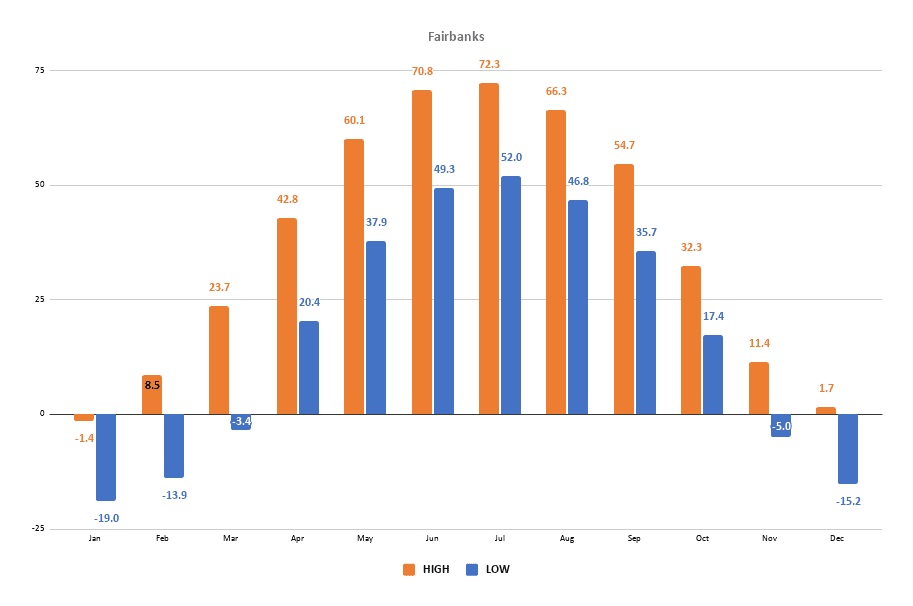
Winter in Fairbanks is legendary, a time when the landscape transforms into a breathtaking expanse of snow and ice. The average daily temperature in January, the coldest month, hovers around -10°F (-23°C), but it’s not uncommon for temperatures to plummet to -40°F (-40°C) and even lower, often accompanied by a biting wind chill. This extreme cold is a defining characteristic of Fairbanks and is precisely what draws many visitors seeking an authentic winter adventure.
The short daylight hours during winter, with the sun often rising after 9 AM and setting before 3 PM in December and January, add to the ethereal atmosphere. However, this darkness is richly compensated by the possibility of witnessing the Aurora Borealis, or Northern Lights. The crisp, clear nights, coupled with the frigid temperatures that minimize atmospheric distortion, create ideal conditions for this spectacular natural phenomenon. Many travelers plan their trips specifically to coincide with the aurora season, which typically runs from late August through April.
Activities during this deep freeze often revolve around snow and ice. Dog sledding across frozen landscapes, snowshoeing through silent forests, and cross-country skiing on pristine trails are popular pursuits. The Winter Festival in Fairbanks is a major event, celebrating the season with ice sculpting competitions, sled dog races, and other frosty festivities. For those seeking warmth, cozy lodges and cabins offer a welcome respite, often featuring crackling fireplaces and steaming mugs of hot chocolate.
The Fleeting Summer: A Burst of Warmth
While Fairbanks is known for its cold, its summers are surprisingly pleasant and can even be warm. From June to August, temperatures can reach the mid-70s°F (around 24°C), with occasional spikes into the 80s°F (27-32°C). The defining feature of summer in Fairbanks is the phenomenon of the “midnight sun.” Due to its high latitude, the sun barely sets during the peak summer months, with daylight stretching for almost 24 hours. This extended daylight allows for incredibly long days of exploration and activity.
This period of warmth and light brings the Alaskan wilderness to life. Hiking trails, such as those in Denali National Park and Preserve, which is a scenic drive from Fairbanks, become accessible, revealing stunning vistas of mountains, rivers, and abundant wildlife. Riverboat tours on the Tanana River offer a relaxing way to experience the landscape and learn about the region’s history. The longer days also make it easier to visit attractions like the University of Alaska Fairbanks with its many scientific exhibits, or to explore the Alaskan Museum of Natural History.
Summer in Fairbanks is also a time for outdoor festivals and cultural events. The Golden Days festival celebrates the city’s gold rush heritage with parades, historical reenactments, and a riverboat race. The longer days encourage a vibrant outdoor lifestyle, with locals and visitors alike taking advantage of the extended daylight for fishing, camping, and exploring the surrounding boreal forests. Evenings can still be cool, so layers are recommended, but the warmth of the sun throughout the night is an experience unique to this latitude.
Planning Your Visit Based on Temperature
The temperature in Fairbanks is perhaps the single most important factor in determining the kind of experience a visitor will have. Whether you’re dreaming of dog sledding under the Northern Lights or hiking through wildflower-strewn meadows, your choice of season will dictate your itinerary and your packing list.

The Crucial Role of Seasons in Travel Planning
When planning a trip to Fairbanks, understanding the prevailing temperatures for each season is paramount. This knowledge directly influences the type of activities available, the appropriate attire, and the overall mood and atmosphere of the city.
Spring (April-May): Spring in Fairbanks is a transitional period. While the snow begins to melt, temperatures are still cold, especially in early spring. Average daytime temperatures might range from the low 30s to the 40s°F (0-10°C). The melting snow can make some areas muddy, but it also signals the return of longer daylight hours. It’s a good time for those interested in late-season aurora viewing or wanting to experience the thaw of the Alaskan landscape. However, many summer attractions may not yet be fully operational.
Autumn (September-October): Autumn offers a spectacular display of fall colors as the birch and aspen trees turn brilliant shades of gold and red. Temperatures begin to drop, with daytime highs in the 40s and 50s°F (5-15°C) in September, gradually decreasing into the 30s°F (0-5°C) by October. The daylight hours shorten, and the first snowfalls can occur, often by mid-October. This is an excellent time for wildlife viewing as animals prepare for winter, and it’s also the beginning of the aurora viewing season. The crisp air and vibrant foliage create a picturesque setting for hiking and exploring.
Winter (November-March): As previously discussed, winter is characterized by extreme cold and short daylight hours. This is the prime season for winter sports and aurora hunting. For those who embrace the cold, Fairbanks in winter is an unforgettable experience. However, it requires careful preparation regarding clothing and gear to stay warm and safe.
Summer (June-August): Summer brings warmth and the midnight sun, ideal for outdoor adventures, exploring national parks, and enjoying the long days. While temperatures are milder, it’s still wise to pack layers, as evenings can cool down significantly. This is the peak tourist season for many, offering the widest range of activities and open attractions.
Packing Essentials for Fairbanks’ Extremes
Regardless of the season, packing layers is the golden rule for visiting Fairbanks. The temperature can change rapidly, and being prepared for a range of conditions is key to comfort and safety.
For winter travel, think thermal base layers, warm fleece or wool mid-layers, and a heavy, insulated outer jacket. Waterproof and windproof pants are essential, along with insulated, waterproof boots, warm gloves or mittens, and a snug-fitting hat that covers your ears. Hand and foot warmers are also highly recommended. Even in the biting cold, you might engage in activities that generate body heat, so breathable layers are crucial to prevent overheating and subsequent chilling.
For summer travel, lighter layers are appropriate. T-shirts, long-sleeved shirts, and a fleece jacket or hoodie are usually sufficient for daytime. A waterproof and windproof outer shell is advisable, as sudden rain showers can occur. Comfortable walking shoes or hiking boots are a must. Don’t forget insect repellent, as mosquitoes can be prevalent during the warmer months. Sunglasses and sunscreen are also important, especially with the extended daylight hours.
Even during the shoulder seasons of spring and autumn, a combination of warmer and lighter clothing is necessary. It’s always better to have too many layers and be able to remove them than to be caught unprepared for a sudden drop in temperature or a bout of chilly wind. Researching the specific forecast closer to your travel dates will help refine your packing list, but a solid foundation of versatile, layered clothing will serve you well in Fairbanks, regardless of the exact temperature.

Accommodation and Activities Aligned with Temperature
The type of accommodation and activities you choose in Fairbanks will be heavily influenced by the season and, consequently, the temperature.
In winter, cozy lodges and cabins become highly sought after. Many offer amenities like saunas and hot tubs, perfect for warming up after a day in the cold. Dog sledding tours, ice fishing expeditions, and Northern Lights tours are the main draws. You might consider a stay at a place like the Princess Plaza Hotel Fairbanks which often offers packages catering to winter activities, or a more secluded cabin rental for an immersive wilderness experience. The limited daylight hours mean that evening activities, such as aurora viewing tours, are a significant part of the itinerary.
During summer, with its longer daylight hours and warmer temperatures, outdoor exploration takes center stage. Numerous hotels and motels are available, from budget-friendly options to more upscale resorts. The Pike’s Waterfront Lodge offers beautiful views and easy access to outdoor activities. You can enjoy hiking in nearby areas, take scenic drives, explore historical sites like Pioneer Park, or embark on fishing charters. Camping and RV parks are also popular during the summer months, allowing visitors to fully immerse themselves in the Alaskan wilderness. The extended daylight provides ample opportunity to visit attractions like the Morris Thompson Cultural and Visitors Center or take a boat tour.
Regardless of the season, booking accommodation in advance is highly recommended, especially during peak seasons. The temperature in Fairbanks is a constant, but the experiences it enables are diverse and can be tailored to create an unforgettable Alaskan adventure. Whether you seek the thrilling cold of winter or the long, bright days of summer, Fairbanks offers a unique journey into a land of extremes and unparalleled natural beauty.
LifeOutOfTheBox is a participant in the Amazon Services LLC Associates Program, an affiliate advertising program designed to provide a means for sites to earn advertising fees by advertising and linking to Amazon.com. Amazon, the Amazon logo, AmazonSupply, and the AmazonSupply logo are trademarks of Amazon.com, Inc. or its affiliates. As an Amazon Associate we earn affiliate commissions from qualifying purchases.