
The question of whether Highway 1 is open in California is one of the most frequently asked by travelers dreaming of an iconic coastal road trip. This legendary stretch of road, winding along the rugged edge of the Pacific Ocean, offers some of the most breathtaking vistas in the United States. However, its dramatic beauty comes hand-in-hand with a susceptibility to nature’s whims. Landslides, rockfalls, and severe weather events, particularly during the rainy season, can lead to temporary closures, making real-time information crucial for any prospective journey.
While it’s impossible to give a static, always-accurate answer, the general status of Highway 1 is usually “mostly open.” Significant, long-term closures are less common, but shorter, localized sections, especially in the geologically active Big Sur region, can be impacted. The road spans nearly the entire California coastline, from just north of San Francisco near Leggett down to Dana Point in Southern California, covering hundreds of miles. Therefore, a closure in one segment does not typically affect the entire route. Travelers should always consult official sources like Caltrans (the California Department of Transportation) for the most up-to-date road conditions before and during their trip. Planning ahead, remaining flexible, and having alternative routes in mind are key to a stress-free and unforgettable Highway 1 adventure, regardless of its ever-changing status.
The Allure of Highway 1: A Scenic Journey
The mere mention of Highway 1 evokes images of sun-drenched cliffs, crashing waves, and endless horizons. This is more than just a road; it’s an experience, a pilgrimage for those seeking unparalleled natural beauty and a deep connection with the California coast. From bustling cities to serene natural reserves, the journey along Highway 1 is a testament to the diverse landscapes and vibrant culture of the Golden State.
Why Highway 1 is a Must-Do
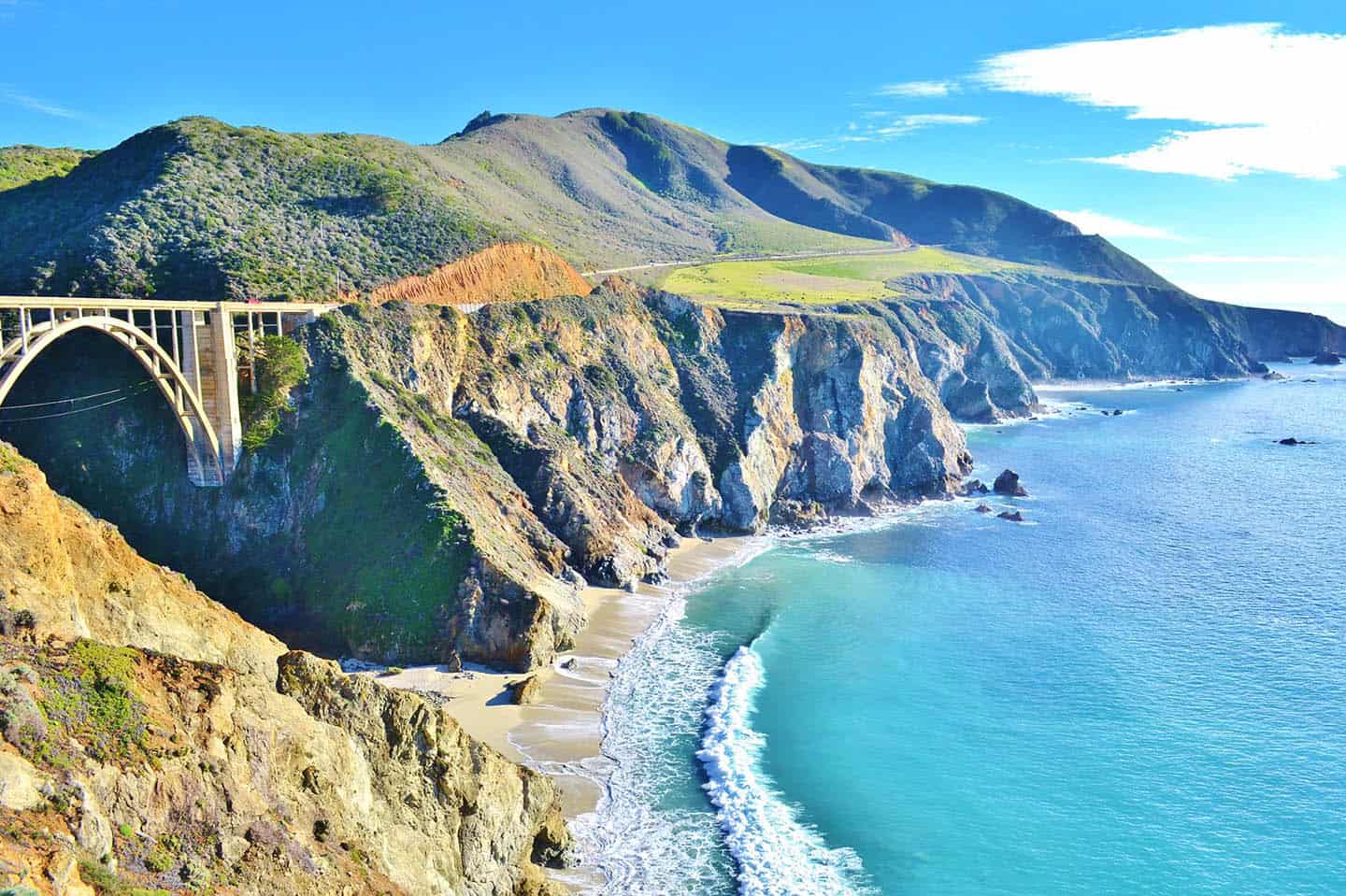
Highway 1 isn’t just a road; it’s a living postcard, famed worldwide for its dramatic coastal views. What makes it a quintessential California experience is the sheer diversity of landscapes it traverses. Imagine driving with the vast Pacific Ocean on one side, its cerulean waters sparkling under the California sun, and towering redwood forests, rugged cliffs, or sun-kissed beaches on the other. This isn’t just a drive; it’s an immersive journey through ever-changing scenery that promises a new marvel around every bend. From the misty, ethereal beauty of the Big Sur coastline, with its iconic Bixby Bridge arching gracefully over a deep canyon, to the quaint charm of seaside towns like Carmel-by-the-Sea and Half Moon Bay, every segment offers unique attractions.
Beyond the natural beauty, Highway 1 is a cultural artery, connecting travelers to vibrant surf towns, historic missions, and renowned culinary scenes. It caters to every type of traveler – from the luxury seeker looking for exclusive resorts and fine dining, to the budget adventurer keen on camping under the stars in a California State Parks. Its winding nature encourages slow travel, urging visitors to pull over at countless viewpoints, embark on spontaneous hikes, and simply breathe in the ocean air. This emphasis on the journey itself, rather than just the destination, is what truly sets Highway 1 apart as a bucket-list travel experience for anyone exploring the United States.
Key Destinations and Landmarks
The journey along Highway 1 is punctuated by an array of iconic landmarks and charming destinations, each offering its own unique appeal. Starting from the north, the metropolitan grandeur of San Francisco serves as a spectacular gateway, with the magnificent Golden Gate Bridge standing as a beacon of engineering marvel. South of San Francisco, the quaint coastal town of Half Moon Bay offers idyllic beaches and a relaxed atmosphere, while the historic Pigeon Point Lighthouse provides stunning panoramic views. Further south, the lively city of Santa Cruz beckons with its famous boardwalk and surf culture.
The crown jewel for many is the rugged and untamed wilderness of Big Sur. Here, the highway clings to cliffsides, offering dramatic views of the Pacific Ocean. Must-see spots include the Instagram-famous Bixby Bridge, the serene beauty of McWay Falls plunging onto a secluded beach, and the towering redwoods of Pfeiffer Big Sur State Park. Adjacent to Big Sur lies Carmel-by-the-Sea, a fairytale village known for its art galleries, charming cottages, and the historic Carmel Mission Basilica Museum. Neighboring Monterey boasts the world-renowned Monterey Bay Aquarium and the bustling Fisherman’s Wharf, perfect for whale watching tours.
Continuing south, the route unveils more wonders. Near San Simeon, travelers can marvel at the massive elephant seals at the Elephant Seal Rookery and explore the opulent grandeur of Hearst Castle, perched majestically atop a hill. The charming town of Cambria offers a delightful stop with its Moonstone Beach. Further along, Morro Bay is recognizable by its prominent volcanic plug, Morro Rock. The vibrant university city of San Luis Obispo and the sandy dunes of Pismo Beach offer more diverse experiences. As you approach Southern California, the sophisticated city of Santa Barbara with its Spanish colonial architecture, the celebrity haven of Malibu, and the iconic pier of Santa Monica lead ultimately to the sprawling metropolis of Los Angeles, marking a spectacular end to this epic journey. Each stop promises a unique slice of California life and a memory to cherish.

Navigating Potential Closures and Planning Your Trip
The dynamic nature of Highway 1 means that while its beauty is constant, its accessibility can change. Understanding why closures occur and how to stay informed is vital for a smooth and enjoyable trip, preventing unexpected detours from dampening your adventure.
Understanding Common Causes of Closures
The very geological forces that carved Highway 1’s dramatic landscape are also its greatest challenge. The primary culprits behind road closures are landslides and rockfalls. The steep, unstable slopes along the coast, particularly in the Big Sur region, are highly susceptible to these events, especially after heavy rainfall. When the ground becomes saturated, it can give way, bringing tons of earth and rock crashing onto the roadway, often requiring extensive clearing and repairs.
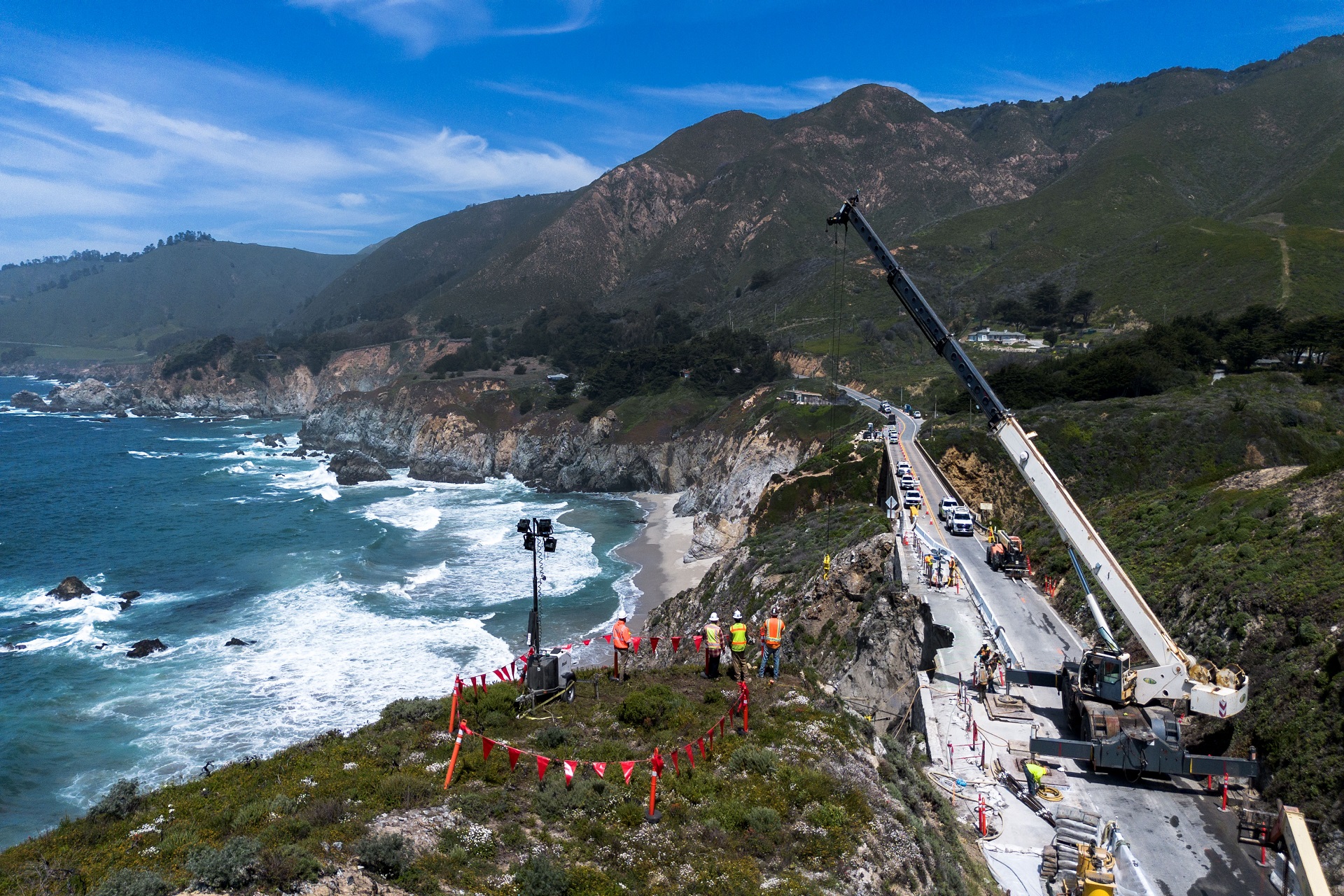
Severe weather itself can also lead to temporary shutdowns. Intense fog can reduce visibility to dangerous levels, especially on the winding, cliffside sections. High winds can make driving difficult, and coastal storms can cause debris to wash onto the road. Beyond natural occurrences, routine maintenance and construction projects are also necessary to preserve the road’s integrity and safety. These can range from minor repairs to major structural overhauls of bridges and retaining walls, sometimes requiring lane closures or full road sections to be shut down for extended periods. Understanding these common causes helps set realistic expectations for your trip and underscores the importance of checking current conditions.
How to Stay Informed
The key to a stress-free Highway 1 adventure lies in staying informed about real-time road conditions. The most authoritative source is Caltrans, the California Department of Transportation. Their official website often features an interactive map and detailed alerts specific to Highway 1 and other state routes. They also operate a phone service (1-800-427-ROAD, or 1-800-427-7623) providing up-to-the-minute road information. It’s advisable to check these resources not just before you leave home, but also daily, or even hourly, as you travel, especially if you’re venturing into known problem areas like Big Sur.
In addition to Caltrans, several other resources can provide valuable insights. Local tourism boards in towns like Monterey, Carmel-by-the-Sea, and San Luis Obispo often post updates on their websites or social media channels, as they are directly impacted by any closures. Local news outlets can also be a good source of information, particularly during major weather events. For those interested in the environmental impact, California State Parks websites can offer details on trail and park closures that might indirectly affect road access. Subscribing to email alerts or following relevant social media accounts (like Caltrans’s Twitter feed) can provide proactive notifications, allowing you to adjust your plans dynamically. Given the fluid nature of coastal conditions, a multi-source approach ensures you have the most comprehensive and timely information available.
Alternative Routes and Detours
Should a section of Highway 1 be closed, don’t despair; your California coastal adventure doesn’t have to end. While no detour can fully replicate the breathtaking experience of the coastal road, several inland alternatives allow you to bypass closures and continue your journey. The most common alternative is Highway 101 (US-101), which runs roughly parallel to Highway 1 further inland. Highway 101 is a major freeway that generally offers faster travel times and is far less prone to weather-related closures. It provides convenient access to many of the same coastal towns and attractions via connecting roads.
For example, if the section of Highway 1 through Big Sur is closed, you would typically be rerouted onto Highway 101 to travel between Monterey and San Luis Obispo (or vice versa). While you’d miss the immediate coastal views of Big Sur for that segment, Highway 101 still takes you through scenic landscapes, agricultural regions, and charming towns, and you can always re-join Highway 1 at the next accessible point. Additionally, various smaller county roads might serve as local detours around very localized closures, but these should only be used if specifically recommended by Caltrans or local authorities, as they can be less maintained or unsuitable for all vehicles. Always have a good map (digital and physical) and consult your navigation system, which should update with real-time traffic and road closures, helping you navigate any unexpected changes to your route seamlessly. The key is to embrace flexibility and view detours as an opportunity to discover another facet of California’s diverse beauty.
Crafting Your Perfect Highway 1 Experience
Beyond merely driving, a true Highway 1 experience involves immersing yourself in the local charm, savoring unique flavors, and finding the perfect place to rest your head. This iconic road trip offers a spectrum of choices, catering to every taste and budget.
Accommodation Along the Coast
Finding the right place to stay along Highway 1 is integral to perfecting your trip, with options ranging from rustic campsites to opulent resorts, fitting every lifestyle and budget. For those seeking unparalleled luxury and breathtaking views, destinations like Big Sur offer world-renowned resorts such as the Post Ranch Inn and Ventana Big Sur, known for their stunning architecture, spa services, and gourmet dining, all set against a dramatic coastal backdrop. These high-end establishments are perfect for a romantic getaway or a lavish treat.
Further north and south, coastal towns provide a broader array of choices. Carmel-by-the-Sea is famous for its charming boutique hotels and inns, like the delightful Hotel Carmel, many within walking distance of art galleries and fine restaurants. In Monterey, you’ll find a mix of well-known chain hotels and unique local stays, with many offering proximity to Fisherman’s Wharf and the aquarium. For those exploring the Pebble Beach area, The Inn at Spanish Bay offers luxury alongside world-class golf. As you head south, places like Pismo Beach feature family-friendly resorts like Dolphin Bay Resort & Spa with direct beach access, while Santa Barbara boasts elegant hotels and resorts reflecting its Spanish colonial heritage. For the ultimate in Southern California coastal luxury, The Ritz-Carlton, Laguna Niguel offers a truly elevated experience.
Budget-conscious travelers will find numerous motels and vacation rentals in cities like Santa Cruz, San Luis Obispo, and Ventura. Camping is another popular and economical option, with various California State Parks offering picturesque campgrounds, though reservations are often essential, especially during peak season. Whether you’re seeking a lavish resort, a cozy inn, or an adventurous night under the stars, Highway 1 has an accommodation option that will enhance your travel experience.
Culinary Delights and Local Culture
The Highway 1 journey is as much a feast for the palate as it is for the eyes, offering a rich tapestry of culinary experiences and vibrant local culture. Seafood is, naturally, a highlight, with virtually every coastal town boasting fresh catches. In Monterey, Fisherman’s Wharf is famous for its clam chowder served in sourdough bowls, alongside a plethora of other seafood delights. Down in Pismo Beach, clam shacks offer a more casual, yet equally delicious, experience. Beyond seafood, California’s farm-to-table movement thrives along the coast, especially in regions like San Luis Obispo, where local produce, artisanal cheeses, and fine wines are celebrated.
The central coast is also part of California’s renowned Wine Country. Wineries near Paso Robles (just a short detour inland from Highway 1) and Santa Barbara offer tastings and tours, allowing visitors to sample exceptional varietals amidst stunning vineyard scenery. Ojai Valley Inn, although slightly inland from the immediate coast, is another example of a destination where gourmet dining and a focus on local ingredients are paramount, attracting foodies to the region.
Culturally, each town along Highway 1 has its own distinct flavor. San Francisco is a melting pot of global cuisines and iconic neighborhoods. Carmel-by-the-Sea is a hub for artists, with numerous galleries and quaint boutiques. Santa Cruz embodies a laid-back surf culture with a strong bohemian vibe. Local farmers’ markets are abundant, offering not just fresh produce but also a chance to interact with local communities and discover unique crafts. From gourmet restaurants in Malibu to casual taco stands in San Diego, the culinary journey along Highway 1 is as diverse and unforgettable as the landscapes themselves.
Activities and Experiences
The allure of Highway 1 extends far beyond the drive itself, inviting travelers to engage in a myriad of activities that showcase the natural beauty and adventurous spirit of California. For nature enthusiasts, hiking and trekking are paramount. The Point Lobos State Natural Reserve near Carmel-by-the-Sea offers stunning coastal trails with opportunities for wildlife viewing, including sea otters and harbor seals. In Big Sur, Julia Pfeiffer Burns State Park (home to McWay Falls) and Pfeiffer Big Sur State Park provide access to redwood forests and river trails, offering a different kind of natural immersion.
Water sports are naturally popular along the Pacific Ocean. Surfing is a way of life in towns like Santa Cruz and Malibu, with numerous surf schools offering lessons for beginners. Kayaking and stand-up paddleboarding are excellent ways to explore calmer bays, such as Morro Bay or the coves around Santa Barbara. Whale watching tours are seasonal but spectacular, especially from destinations like Monterey and San Simeon, where migratory gray whales, humpbacks, and blue whales can be spotted.
For history buffs, exploring the grandeur of Hearst Castle near San Simeon offers a glimpse into early 20th-century opulence, while the historic missions scattered along the route, like Carmel Mission Basilica Museum, provide a window into California’s Spanish colonial past. Photography opportunities abound, with countless scenic overlooks, especially from San Francisco’s Golden Gate Bridge to the dramatic cliffs of Big Sur. For a change of pace, consider a visit to the Monterey Bay Aquarium for an unparalleled marine life experience, or wander through the art galleries of Carmel-by-the-Sea. The variety of activities ensures that every traveler can customize their Highway 1 journey to be as active, relaxed, educational, or awe-inspiring as they wish.
Essential Tips for a Seamless Journey
Embarking on a Highway 1 road trip requires more than just a sense of adventure; it demands careful planning to ensure a seamless and enjoyable experience. From timing your visit to packing strategically and managing your budget, a few essential tips can make all the difference.
Best Time to Visit
Timing is everything when planning a Highway 1 road trip to maximize good weather and minimize potential closures. Generally, the spring (April to May) and fall (September to October) are considered the ideal seasons. During these months, the weather is typically mild and pleasant, with fewer crowds than in the peak summer. Spring brings lush green landscapes and wildflowers, while fall offers clear skies and comfortable temperatures, often referred to as “Indian Summer” in California.
Summer (June to August) is also popular, offering consistently warm weather, but it’s also the busiest and most expensive time, with heavier traffic and fully booked accommodations. Furthermore, coastal fog, known as “June Gloom” or “May Gray,” can sometimes linger for days, obscuring the famous views. Winter (November to March) presents unique challenges. While you might find fewer tourists and potentially dramatic storm-watching opportunities, this is the rainy season, significantly increasing the risk of landslides and road closures, particularly in Big Sur. Visibility can also be poor due to fog and rain. If you do plan a winter trip, be extra diligent in checking road conditions and have flexible plans. For scenic beauty and pleasant driving conditions, spring and fall remain the top recommendations.
Packing Essentials and Safety
Packing smart for your Highway 1 adventure is crucial due to California’s microclimates. Even on a sunny day, coastal breezes can be cool, and evenings can get chilly, so layers are essential. Bring light jackets, sweaters, and comfortable walking shoes for exploring towns and trails. Don’t forget swimwear if you plan to hit the beaches, and a rain jacket, especially if traveling during spring or fall. Sun protection – sunscreen, sunglasses, and a hat – is a must year-round. Binoculars will enhance your wildlife viewing experience, allowing you to spot whales, seals, and diverse birdlife.
Safety on the road is paramount. Always ensure your vehicle is in good condition, especially brakes, tires, and fluid levels. Cell service can be spotty in remote areas, particularly along the Big Sur coast, so download offline maps and necessary information beforehand. Keep a physical map as a backup. Drive defensively and be mindful of the winding roads and sheer drop-offs. Adhere to speed limits and be prepared for sudden stops at scenic overlooks or for wildlife crossings. Pull over completely if you want to take photos, and never stop in the middle of the road. Carrying an emergency kit with water, snacks, a first-aid kit, a flashlight, and blankets is always a wise precaution. By packing thoughtfully and prioritizing safety, you’ll be well-prepared for any situation and fully able to enjoy the journey.
Budgeting and Lifestyle Choices
A Highway 1 road trip can be tailored to almost any budget and lifestyle, from lavish luxury to adventurous frugality. For those seeking a luxury travel experience, California delivers. Upscale resorts like Post Ranch Inn in Big Sur or The Ritz-Carlton, Laguna Niguel offer unparalleled amenities, gourmet dining, and personalized services. Dining at Michelin-starred restaurants, indulging in spa treatments, or chartering private tours can elevate the experience, though these come with a significant price tag. Booking well in advance is crucial for premium accommodations and experiences, especially during peak seasons.
On the other end of the spectrum, budget travel along Highway 1 is entirely feasible and equally rewarding. Camping in one of the many California State Parks is a cost-effective way to stay overnight, offering direct access to nature. Opting for motels or vacation rentals outside the most famous tourist hubs can save money on accommodation. Eating at local diners, buying groceries for picnics at scenic viewpoints, and focusing on free activities like hiking, beach visits, and sightseeing from overlooks are excellent ways to keep costs down.
Family trips often fall somewhere in the middle. Look for hotels with amenities like pools, or consider vacation rentals with kitchens to manage meal costs. Attractions like the Monterey Bay Aquarium or Santa Cruz Beach Boardwalk offer family-friendly fun. Business stays, while less common for a full Highway 1 drive, might be part of a larger California itinerary that includes cities like San Francisco or Los Angeles, combining work with a scenic drive. Regardless of your budget or travel style, pre-booking accommodations, especially in popular areas, is always recommended to secure the best rates and availability.
In conclusion, while the question “Is Highway 1 open in California?” demands a dynamic answer, its allure remains undiminished. This legendary road trip is an unparalleled journey through stunning landscapes, vibrant cultures, and unforgettable experiences. With careful planning, flexibility, and reliance on current information from sources like Caltrans, you can navigate any temporary closures and ensure your adventure along the Golden State’s majestic coast is nothing short of spectacular. Whether you’re seeking luxury, adventure, or a serene escape, Highway 1 awaits, ready to reveal its magic around every turn.
LifeOutOfTheBox is a participant in the Amazon Services LLC Associates Program, an affiliate advertising program designed to provide a means for sites to earn advertising fees by advertising and linking to Amazon.com. Amazon, the Amazon logo, AmazonSupply, and the AmazonSupply logo are trademarks of Amazon.com, Inc. or its affiliates. As an Amazon Associate we earn affiliate commissions from qualifying purchases.