
Dispelling the Arctic Myth: Daylight in the Last Frontier
The question, “Is it always dark in Alaska?” is one of the most common misconceptions travelers have about the 49th state. While Alaska certainly experiences dramatic shifts in daylight hours, especially during winter, it is by no means perpetually dark. The reality is far more nuanced and, arguably, more fascinating, offering unique travel experiences throughout the year. Understanding the dynamics of daylight in Alaska is key to planning an unforgettable trip, revealing a spectrum from the nearly endless summer sun to the ethereal glow of the winter aurora.
Understanding the Solstices and Equinoxes
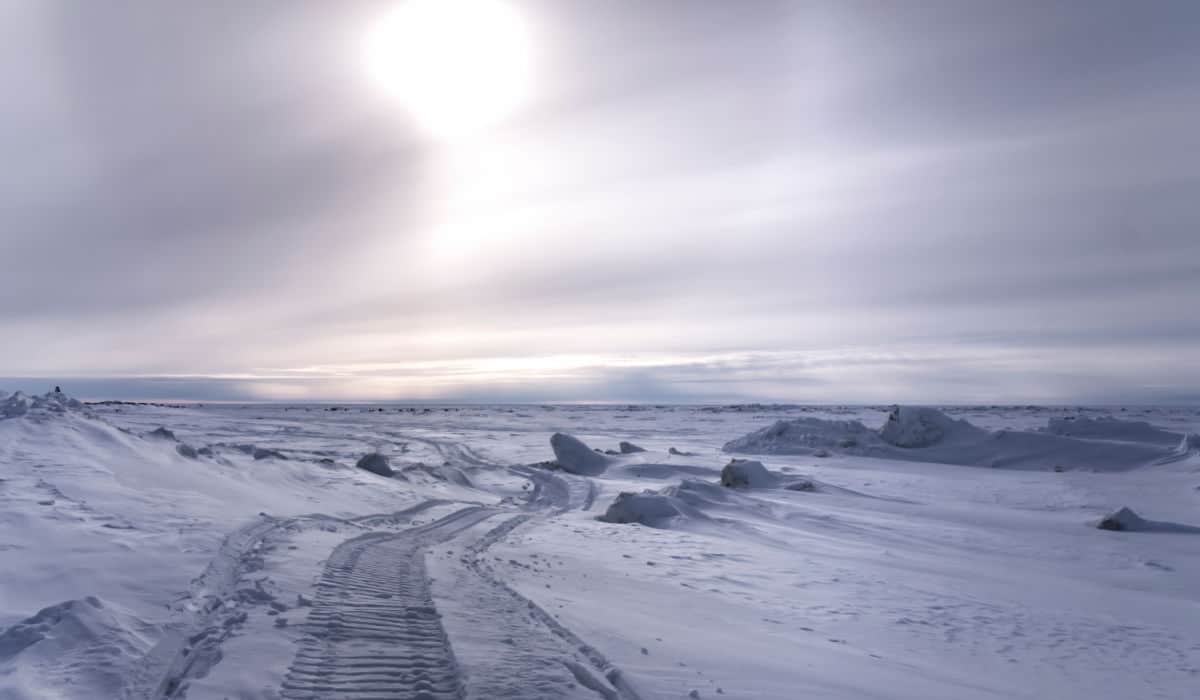
The extreme variations in daylight hours across Alaska are a direct result of its high latitude and the Earth’s axial tilt. During the summer solstice (around June 21st), the Northern Hemisphere is tilted most directly towards the sun. This means that areas within the Arctic Circle experience 24 hours of daylight, famously known as the “Midnight Sun.” Conversely, during the winter solstice (around December 21st), the Northern Hemisphere is tilted away from the sun, leading to exceptionally short days and long nights. The spring and autumn equinoxes (around March 20th and September 22nd, respectively) mark periods when day and night are roughly equal in length across the globe, including Alaska. These celestial events dictate the rhythms of life and travel in the state.
Latitudinal Impact: North vs. South Alaska
The extent of daylight variation also depends significantly on where you are in Alaska. The state is vast, stretching over thousands of miles. Southern cities like Juneau, the capital, experience less extreme swings than their northern counterparts. While Juneau will have very long summer days and noticeably short winter days, it rarely experiences true 24-hour darkness or 24-hour daylight. As you travel northward, however, the effects become more pronounced. Anchorage, the state’s largest city, sees significant daylight variations but still has defined day and night cycles year-round. Further north, cities like Fairbanks, just below the Arctic Circle, experience even more dramatic changes, enjoying nearly 24 hours of functional daylight in summer and very brief daylight periods in winter. Head to the northernmost communities, such as Utqiagvik (formerly Barrow), and you will find periods of true 24-hour sun in summer and complete polar night (when the sun doesn’t rise at all) in winter. This geographic gradient means that “always dark” is a phrase that only accurately applies to specific regions for limited periods, making your choice of destination crucial for your desired experience.
Experiencing Alaska’s Seasons: A Traveler’s Guide to Light
Each of Alaska’s distinct seasons offers a unique interaction with daylight, shaping the available activities and the overall ambiance of your trip. Deciding when to visit often comes down to what kind of light and experience you are seeking.
Summer: The Land of the Midnight Sun (May – August)
Summer in Alaska is synonymous with abundant daylight. From late May through early August, much of the state, especially areas north of Anchorage, basks in prolonged periods of daylight, sometimes stretching for 20 hours or more. Above the Arctic Circle, the sun literally does not set for weeks, creating the phenomenon of the Midnight Sun.
Activities and Experiences in Perpetual Daylight
This season is peak travel time, and for good reason. The extended daylight maximizes opportunities for outdoor adventures. You can hike in Denali National Park late into the evening, fish for salmon under a glowing sky past midnight, or embark on a wildlife cruise through the Inside Passage without fear of twilight cutting your viewing short. Photography enthusiasts will revel in the extended “golden hour” light, perfect for capturing Alaska’s stunning landscapes. Festivals, outdoor concerts, and farmers’ markets often run into what would traditionally be considered nighttime hours, creating a vibrant, energetic atmosphere.
Coping with Constant Light
While exhilarating, the perpetual daylight can be disorienting for some. To ensure restful sleep, hotels and accommodations are typically equipped with blackout curtains. Bringing an eye mask is also a highly recommended packing essential to help your body adjust to the unusual light cycle.
Autumn: Golden Hues and Fading Light (September – October)
As summer wanes, Alaska transforms into a canvas of gold and crimson. Autumn is a transitional season where daylight hours noticeably shorten, but not to an extreme degree, especially early in the season. The crisp air and vibrant foliage create breathtaking scenery, perfect for scenic drives and photography.
This period is particularly appealing for those hoping to witness the Aurora Borealis. As the nights grow longer and darker, the chances of seeing the Northern Lights increase significantly, especially from mid-September onward in areas like Fairbanks, known as one of the best aurora viewing locations globally. Wildlife remains active, and the cooler temperatures can make hiking more comfortable.
Winter: Short Days, Long Nights, and the Aurora (November – March)
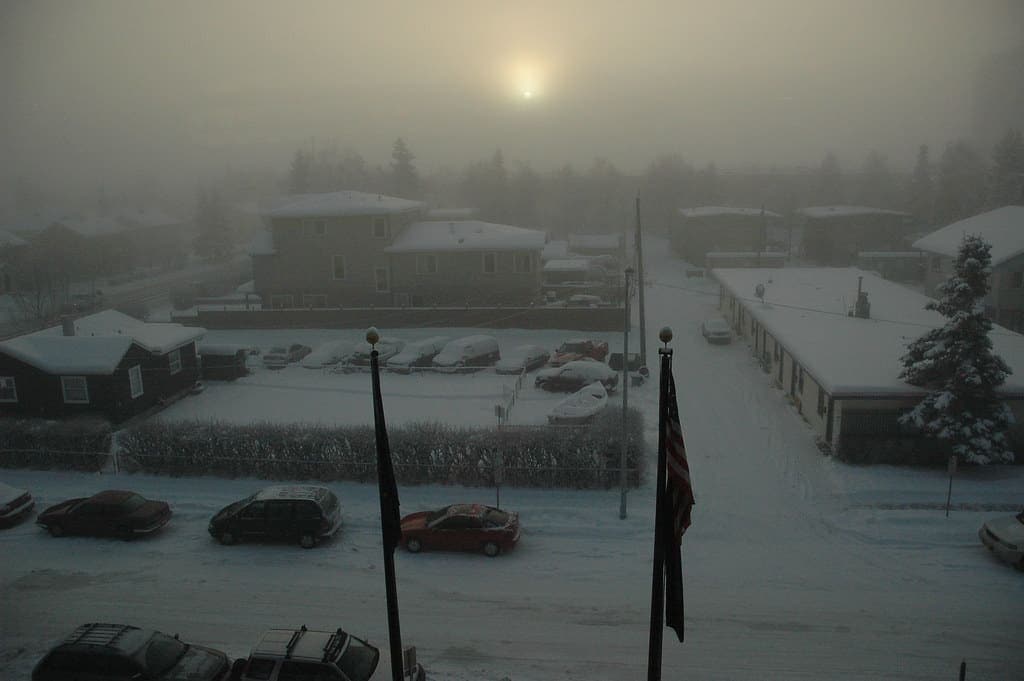
This is the season that most closely aligns with the “always dark” myth. In winter, daylight hours are significantly reduced across the state. In Anchorage, mid-winter days might offer only 5-6 hours of sunlight, while further north in Fairbanks, it could be as little as 3-4 hours of twilight-like conditions. Communities within the Arctic Circle, such as Utqiagvik, experience true polar night, where the sun does not rise above the horizon for weeks.
Understanding the Extent of Darkness
Even during the shortest days, it’s important to note that “darkness” isn’t usually absolute blackness for the entire 24 hours. Most populated areas experience several hours of civil twilight, where the sky is illuminated enough for outdoor activities without artificial light, even if the sun remains below the horizon. The low angle of the sun also creates a perpetual sunrise/sunset effect, bathing the snowy landscapes in soft pinks, purples, and blues, which photographers adore.
Winter Activities That Thrive in Low Light or Darkness
Winter in Alaska is a magical time for specific experiences. Dog sledding, snowmobiling, ice fishing, and cross-country skiing are popular daytime activities that can be enjoyed in the available light. However, the extended darkness is precisely what makes winter the prime season for aurora viewing. Chasing the Aurora Borealis becomes the main draw, often requiring late-night excursions. Winter festivals, like the Iditarod Trail Sled Dog Race in March, also offer unique cultural experiences against the snowy backdrop.
Spring: Rebirth and Lengthening Days (April)
Spring in Alaska is a season of rapid transformation and increasing light. As April progresses, the days lengthen dramatically, quickly surpassing 12 hours of daylight. The snow begins to melt, rivers swell, and wildlife emerges from hibernation.
This shoulder season offers a blend of winter and summer activities. You might still enjoy late-season skiing or snowshoeing while also spotting migrating birds and early wildflowers. The temperatures are milder, and with each passing day, the amount of light increases noticeably, preparing the state for its summer boom. It’s an excellent time for travelers seeking fewer crowds and a unique transitional experience between the extremes of winter darkness and summer sun.
Planning Your Alaskan Adventure: Maximizing Your Daylight Experience
When planning your trip to Alaska, understanding the seasonal variations in daylight is paramount. Your travel dates will profoundly influence the type of experiences you can have and the overall ambiance of your visit.
Choosing Your Travel Season Wisely
- For maximum daylight and outdoor activities: Aim for June through August. This is ideal for hiking, fishing, kayaking, wildlife viewing, and exploring national parks like Denali. Be prepared for peak season crowds and prices.
- For Northern Lights viewing and colorful fall foliage: Consider September and October. Daylight hours are still substantial enough for daytime exploration, with the added bonus of darker nights for aurora hunting.
- For a quintessential winter wonderland and guaranteed aurora opportunities: Plan your visit between November and March. Embrace the shorter days and cold, focusing on unique winter sports, cultural events, and the breathtaking Aurora Borealis.
- For a quieter, transitional experience: April and May offer increasing daylight, melting snow, and fewer tourists, providing a glimpse into Alaska’s awakening.
Packing Essentials for Varied Light Conditions
Regardless of the season, a few items related to light management are crucial for any Alaska packing list:
- Eye Mask: Essential for sleeping comfortably during the long summer days.
- Headlamp/Flashlight: Crucial for winter travel, even during the day in remote areas, and for navigating aurora viewing spots at night.
- Layers: Always important in Alaska, as temperatures can fluctuate wildly, affecting comfort during long periods outdoors in varying light.
- Sun Protection: Even in winter, the sun’s reflection off snow can be intense, making sunglasses and sunscreen necessary.
Embracing the Unique Rhythms of Alaska
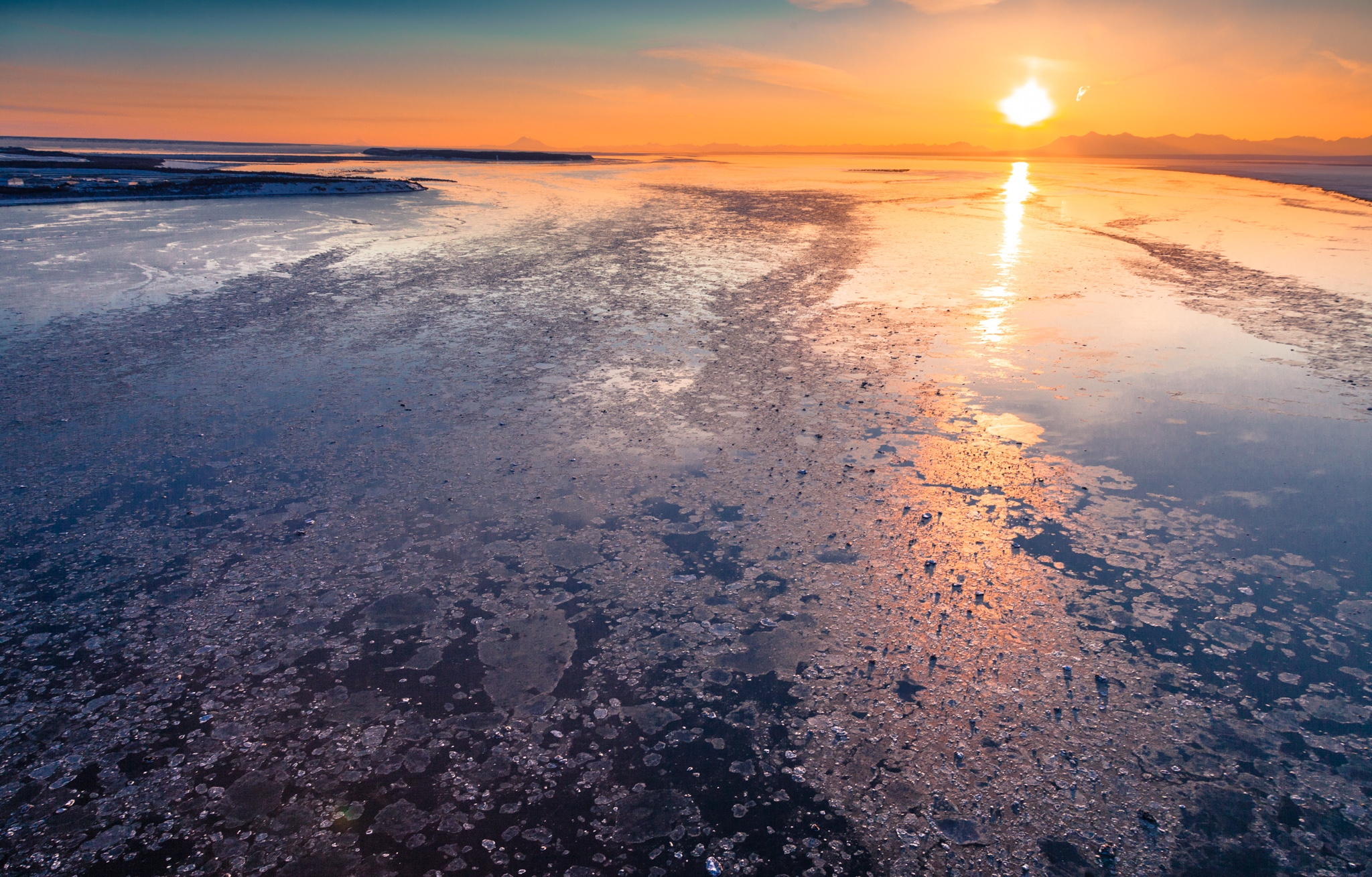
Ultimately, Alaska is a destination defined by its extremes, and its unique relationship with daylight is a core part of its allure. Far from being “always dark,” Alaska offers a dynamic spectrum of light that shapes every travel experience. By understanding these natural rhythms, travelers can choose the perfect season to align with their interests, whether it’s the thrill of the Midnight Sun, the ethereal glow of the Northern Lights, or the serene beauty of a crisp winter day. Embrace the light, or lack thereof, and you’ll discover the true magic of the Last Frontier.
LifeOutOfTheBox is a participant in the Amazon Services LLC Associates Program, an affiliate advertising program designed to provide a means for sites to earn advertising fees by advertising and linking to Amazon.com. Amazon, the Amazon logo, AmazonSupply, and the AmazonSupply logo are trademarks of Amazon.com, Inc. or its affiliates. As an Amazon Associate we earn affiliate commissions from qualifying purchases.