
The Golden State’s High Cost of Entry: An Overview
California, often referred to as the Golden State, conjures images of sun-drenched beaches, towering redwoods, innovative tech hubs, and a vibrant cultural tapestry. It is a land of dreams and opportunity, attracting millions with its promise of a high quality of life and diverse landscapes. From the bustling streets of Los Angeles to the entrepreneurial spirit of San Francisco, and the laid-back charm of San Diego, the state offers an unparalleled array of experiences. However, this allure comes with a widely recognized caveat: California is notoriously one of the most expensive places to live in the United States.
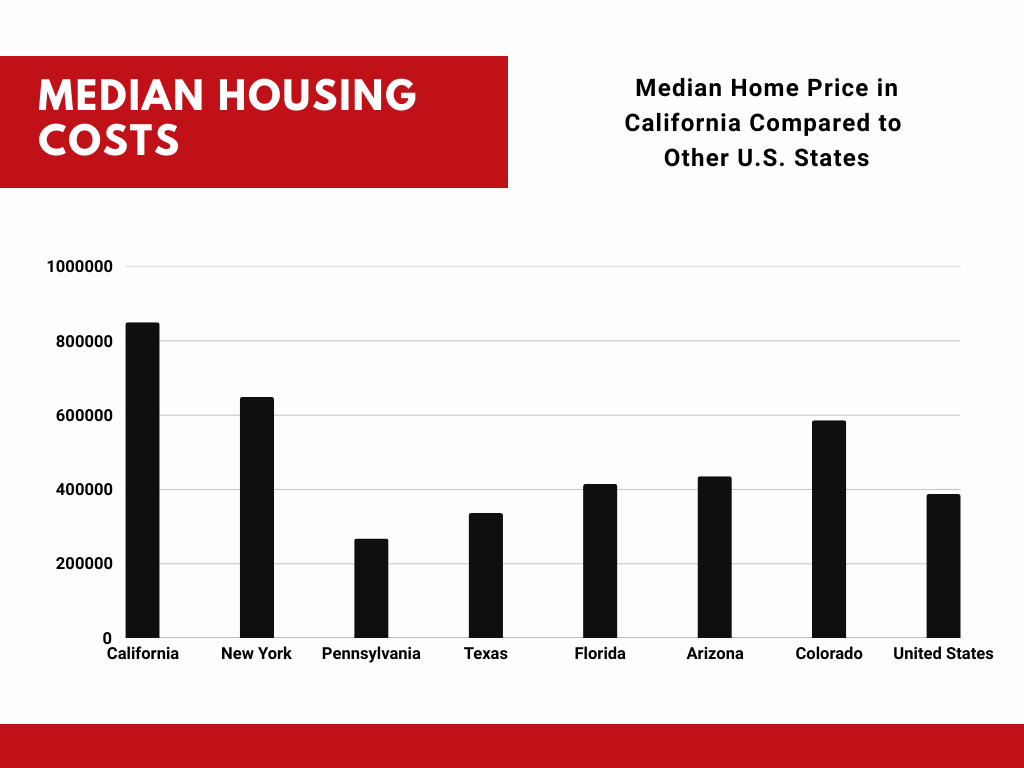
The reputation for high costs isn’t unfounded; numerous reports consistently rank California among the top three most expensive states. This elevated cost of living is driven by a confluence of factors, primarily a robust economy fueled by the global tech industry, highly desirable climate, stunning natural beauty, and a persistent housing shortage in major metropolitan areas. For anyone contemplating a move or an extended stay, understanding these financial realities is paramount to managing expectations and budgeting effectively. While the high price tag can be daunting, a deeper dive reveals that the expense is not uniform across the state and that strategic planning can mitigate some of the financial burden, allowing residents to tap into the unique lifestyle that California offers.
Deconstructing the Cost of Living: Key Expenses
To truly grasp the financial commitment of living in California, it’s essential to break down the primary expenditures that impact a household budget. These categories consistently represent the largest drains on disposable income.
Housing: The Dominant Factor
Without a doubt, housing costs are the single most significant driver of California’s high cost of living. Both renting and buying property demand substantially higher outlays than the national average. In major metropolitan areas like the Bay Area, Los Angeles, and Orange County, median home prices can easily exceed $1 million, with some affluent communities reaching several times that figure. For example, a median home in Palo Alto can command upwards of $3 million, while even a modest starter home in a desirable Los Angeles neighborhood will likely cost over $700,000.
Rental markets are equally competitive and expensive. A one-bedroom apartment in San Francisco or Silicon Valley can easily range from $2,500 to $4,000 per month. In Los Angeles and San Diego, similar units often fall between $1,800 and $3,000. Even cities further inland, such as Sacramento, which were once considered affordable alternatives, have seen their rental prices soar, with one-bedroom apartments now typically costing between $1,500 and $2,000. The cost of housing is profoundly impacted by proximity to job centers, schools, and popular attractions, creating significant disparities between coastal and inland regions, and urban versus more rural settings.
Transportation: Getting Around
Given California’s sprawling geography and car-centric culture, transportation is another major expense. Owning a car involves significant costs beyond the purchase price, including some of the highest gasoline prices in the nation, often exceeding $5 per gallon in many areas. Auto insurance premiums are also notably higher, particularly in densely populated cities, reflecting increased traffic congestion and accident rates. Maintenance, repairs, and parking fees, especially in urban centers, further add to the burden.
While public transportation exists in major cities like San Francisco (BART), Los Angeles (Metro), and San Diego (MTS), its reach and efficiency vary. For many, particularly those living outside city cores or commuting across different municipalities, a car remains a necessity. This necessity translates into substantial monthly outlays for fuel, insurance, and vehicle payments.
Food and Groceries: Everyday Spending
The cost of food and groceries in California is generally higher than the national average, though this can be mitigated with conscious shopping choices. Basic staples from supermarkets tend to be 10-20% more expensive. Dining out, a popular activity in a state renowned for its culinary scene, can quickly escalate costs. A casual meal at a mid-range restaurant might cost $20-$30 per person, while fine dining experiences are significantly more. Farmers’ markets offer fresh, local produce but are not always cheaper than conventional grocery stores, especially for organic or specialty items. Budget-conscious individuals can save by cooking at home, opting for store brands, and strategically choosing supermarkets known for better prices.
Utilities and Healthcare: Essential Services
Utilities, including electricity, natural gas, water, and internet services, also contribute to the higher cost of living. Electricity rates, in particular, can be steep, especially during hot summers when air conditioning is heavily used. Water conservation efforts and infrastructure investments also mean higher water bills in many parts of the state. Internet services, while competitive, are priced similarly or slightly higher than national averages.
Healthcare costs are another significant factor. While individual health insurance premiums vary widely based on coverage and provider, California’s overall healthcare expenses are above the national average. This includes not only insurance but also out-of-pocket costs for medical services, prescriptions, and dental care. Access to quality healthcare is generally excellent, but it comes at a premium, making robust health insurance a crucial consideration for residents.
Regional Variances: Where Your Dollar Stretches (or Shrinks)

The vastness of California means that the cost of living is not uniform. There are significant regional disparities, offering different lifestyle choices for various budgets.
The Priciest Pockets: Bay Area and Coastal Cities
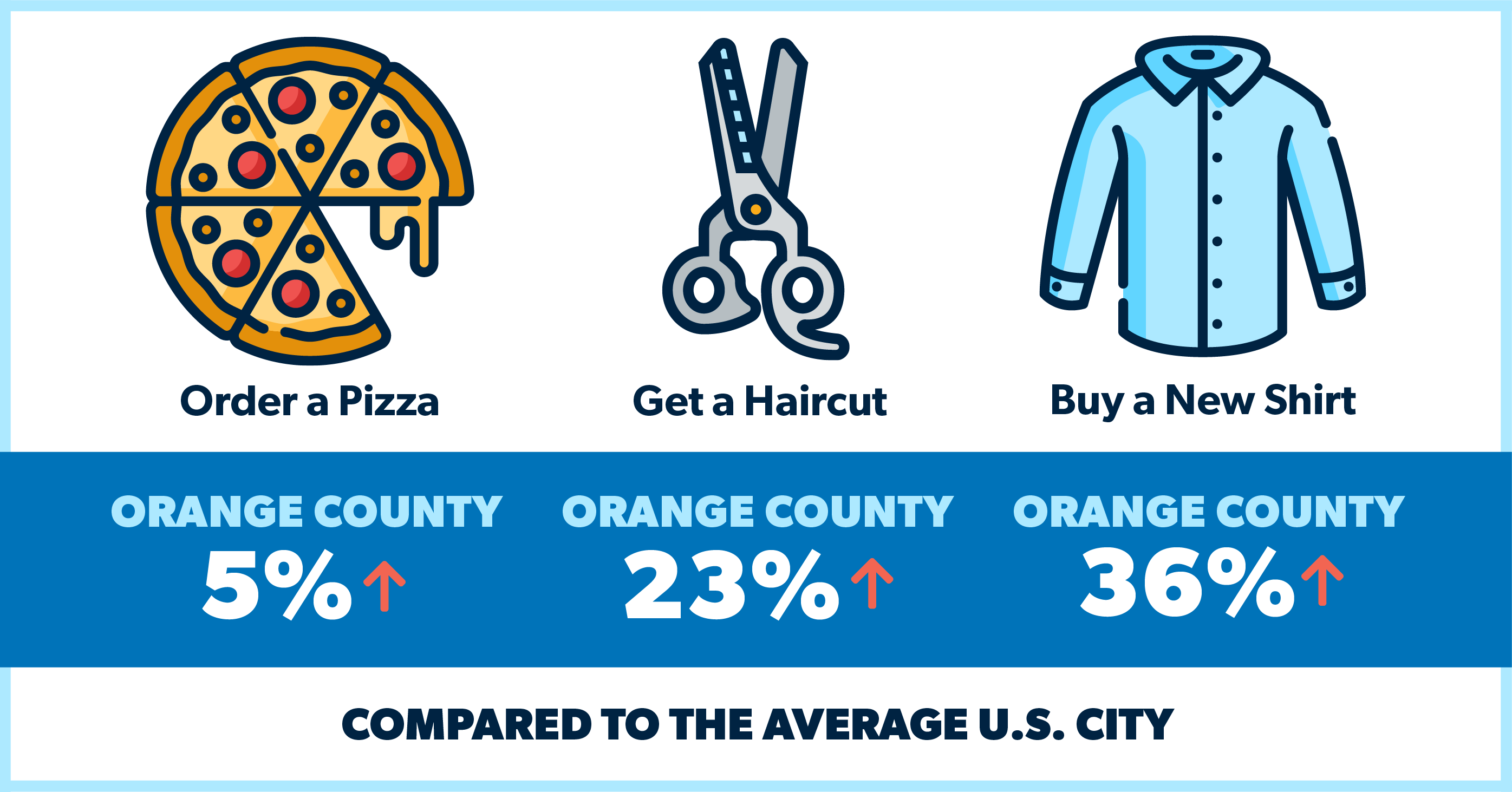
The San Francisco Bay Area and the desirable coastal stretches of Southern California represent the apex of expense in the Golden State. Cities like San Francisco, San Jose, Palo Alto, Santa Monica, Beverly Hills, and coastal Orange County consistently rank among the most expensive places globally. These areas are characterized by booming tech industries, limited land for development, high demand for housing, and a concentration of high-paying jobs, driving up costs for everything from real estate to everyday services. For instance, in San Francisco, average household expenses are roughly 90% higher than the national average. Living here often means making compromises, such as residing in smaller spaces, having roommates, or enduring long commutes.
More Affordable Alternatives: Inland and Northern California
While generally more affordable, these areas still come with a higher price tag than many other parts of the United States. Moving away from the immediate coast and major tech hubs can yield significant savings. Cities in the Central Valley like Fresno, Bakersfield, and Stockton offer substantially lower housing costs. For example, a median home in Fresno might be around $350,000, and rents for a one-bedroom apartment often fall below $1,500. Northern California regions, particularly those further from the Bay Area such as Eureka or Redding, also present more budget-friendly options.
The trade-offs for these savings typically include fewer high-paying job opportunities, potentially hotter summer climates, and reduced access to some of the cultural amenities and diverse dining scenes found in the major metropolises. Commute times to major job centers can also be extensive, impacting quality of life despite lower housing expenses. However, for those seeking a more relaxed pace and a better housing-to-income ratio, these regions offer viable pathways to the California lifestyle.
Navigating the Golden State: Strategies for a Budget-Conscious Lifestyle
Living in California on a budget requires intentional strategies and careful planning, but it is certainly achievable.
Smart Housing Choices
The most impactful way to manage costs is through strategic housing decisions. This might involve opting for a smaller apartment or condo, embracing the roommate lifestyle, or choosing to live in slightly less desirable neighborhoods that are still within reasonable commuting distance to work or amenities. For those with flexibility, considering areas further inland from the expensive coastal cities or exploring cities in the Central Valley can dramatically reduce housing expenditures. Remote work opportunities have expanded these options for many, allowing residents to earn a California salary while living in a more affordable locale.
Transportation Hacks
Minimizing car dependency can lead to significant savings. In major cities, utilizing public transit networks like BART in the Bay Area or Metro in Los Angeles can save on gas, insurance, and parking. Exploring ride-sharing services, cycling, or walking for short distances are also effective strategies. For those who must own a car, opting for a fuel-efficient model and bundling insurance can help reduce recurring costs. Considering a city or town with good walkability or public transit access when choosing housing can also be a long-term cost-saving measure.
Everyday Savings
Beyond housing and transportation, everyday expenses can be managed through mindful choices. Cooking at home more often, packing lunches, and meal prepping can substantially cut down on food costs compared to frequent dining out. Taking advantage of California’s abundant natural beauty offers a wealth of free or low-cost activities, such as hiking in national parks like Yosemite or Sequoia, visiting state beaches, or exploring local parks. Subscribing to local deal websites, utilizing discount programs, and seeking out free community events are also smart ways to enjoy the California lifestyle without breaking the bank.
The Value Proposition: Is California Worth the Cost?
Undoubtedly, living in California is expensive, often significantly more so than in other parts of the United States. The dream of golden beaches and endless opportunities comes with a hefty price tag, primarily driven by soaring housing costs, high transportation expenses, and elevated prices for everyday goods and services.
However, for millions of residents, the unique value proposition of California justifies the financial outlay. The state offers unparalleled diversity in landscapes, from snow-capped mountains and deserts to vast forests and iconic coastlines. It boasts a thriving economy, particularly in tech, entertainment, and agriculture, providing numerous job opportunities and fostering a spirit of innovation. The cultural scene is vibrant and eclectic, with world-class museums, theaters, music venues, and a diverse culinary landscape. The climate is often idyllic, especially in coastal regions, promoting an active outdoor lifestyle year-round.
Ultimately, whether California is “worth it” depends on individual priorities, financial capacity, and lifestyle preferences. For those who prioritize career advancement, cultural richness, natural beauty, and a specific quality of life, the high costs can be a manageable investment. With strategic planning, informed regional choices, and a commitment to budget-conscious living, the Golden State can indeed offer a rewarding and fulfilling lifestyle, even amidst its reputation for being expensive. The “California Dream” remains alive, albeit with a more realistic understanding of the financial planning required to achieve it.
LifeOutOfTheBox is a participant in the Amazon Services LLC Associates Program, an affiliate advertising program designed to provide a means for sites to earn advertising fees by advertising and linking to Amazon.com. Amazon, the Amazon logo, AmazonSupply, and the AmazonSupply logo are trademarks of Amazon.com, Inc. or its affiliates. As an Amazon Associate we earn affiliate commissions from qualifying purchases.